


⚡ TL;DR: When dealing with sewage backup cleanup in Miami, avoiding common DIY errors and securing professional assistance are essential steps to protect your property from long term toxic damage.
📋 What You’ll Learn
When raw sewage breaches your Miami property, every decision matters. This guide outlines the essential steps to manage contamination, avoid long-term structural damage, and protect your family from severe health risks.
- Identify immediate safety protocols that prevent you from coming into contact with contaminated water and help you minimize the spread of bacteria through your living areas or hallways.
- Avoid dangerous cleaning blunders such as using household chemicals that react poorly with sewage waste, which often leads to trapped moisture and the rapid development of toxic mold.
- Navigate Miami's environmental challenges by understanding how the local high water table complicates sewage extraction and why specialized equipment is required to prevent recurring issues after the cleanup.
- Understand professional restoration benefits by comparing the high costs and health risks of DIY attempts against the efficiency and safety certifications provided by local disaster recovery remediation experts.
📖 Reading time: 7 min
✍️ Author expertise: Certified Miami water damage restoration specialist with over a decade of field experience.
You wake up to the unmistakable, stomach-turning stench of raw sewage bubbling up through your floor drains. It is a homeowner's worst nightmare, and in the humid, flood-prone climate of Miami, it can turn your property into a toxic hazard zone within minutes.
Panic usually sets in the second you see that murky water, but your first few decisions will dictate whether you deal with a manageable cleanup or a total financial disaster. Most people react on pure instinct, which is exactly how they end up exposing their families to dangerous bacteria or losing thousands of dollars in ruined flooring and drywall.
You need to stop what you are doing before you make a move that seals your home’s fate. Here is how to handle the chaos correctly and avoid the costly blunders that haunt Miami residents every single day.
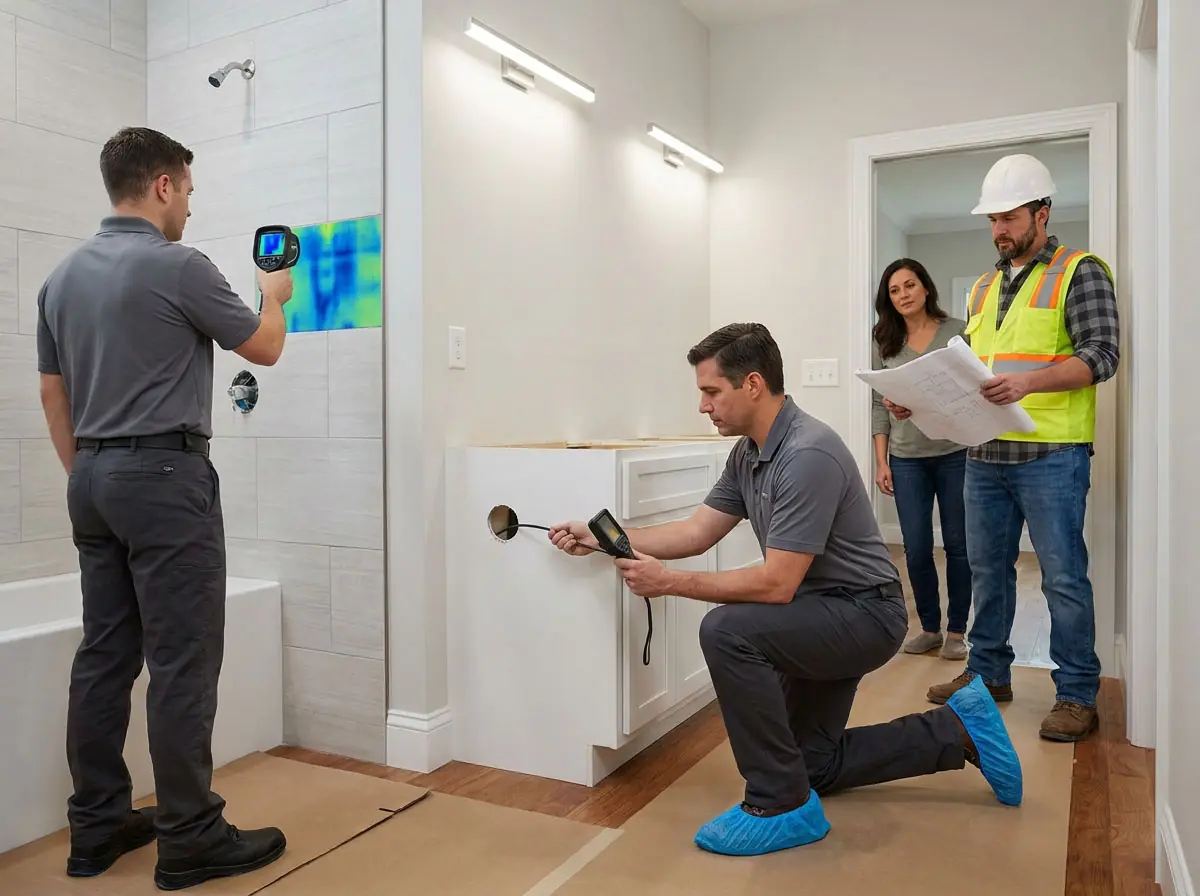
Critical First Steps: Securing Your Home’s Safety After a Sewage Breach
Your number one priority is not cleaning the mess. It is protecting your health and the people you love.
Raw sewage is classified as Category 3 water, which means it is loaded with pathogens, viruses, and parasites. Touching it without professional-grade personal protective equipment is like inviting a plague into your lungs.
Follow these immediate steps to lock down the area and prevent cross-contamination:
- Shut off the main water valve: This stops any additional water from flowing into your plumbing lines and potentially pushing more sewage into your home.
- Kill the power: If standing water has reached your electrical outlets or floor-level appliances, cut the electricity at the main breaker box immediately. Do not walk through the water to reach it if the panel is already submerged.
- Seal the zone: Close doors leading to the affected rooms and use duct tape or wet towels to block the gaps under the doors. You must stop airborne contaminants from drifting into your clean living spaces.
Do not attempt to use household fans or portable air conditioners. You will simply blow toxic aerosolized sewage particles into your ductwork and spread the contamination to every room in your house.
If you have pets or children, get them out of the house right now. Even if the smell seems localized to a guest bathroom or basement, the invisible bacterial spray caused by the rupture can travel further than you think.
Dangerous Pitfalls: Common Cleanup Mistakes That Invite Toxic Mold Growth
When sewage hits your floor, your gut reaction is to grab a mop and bucket. Stop right there. Treating raw sewage like a common spill is the fastest way to turn a messy afternoon into a long term health crisis.
The biggest error is assuming standard household bleach or a mop will sanitize the area. Sewage is categorized as Category 3 water, meaning it contains pathogens, fungi, and parasites that require industrial grade antimicrobial agents to neutralize.
Using a household vacuum or a standard wet vac is another disastrous mistake. You will only end up aerosolizing toxic bacteria and spreading spores into your HVAC system, which guarantees that mold will bloom inside your ductwork within forty eight hours.
Fatal Errors to Avoid
- Running your central air conditioning: This pulls moisture and microscopic sewage particles into your ventilation system, spreading contamination throughout the entire house.
- Attempting to dry out porous materials: Carpets, pads, and drywall soaked in sewage act like a giant petri dish; they cannot be saved and will only serve as a breeding ground for toxic mold.
- Using improper safety gear: Touching contaminated surfaces without professional grade respirators and chemical resistant gloves puts you at direct risk of infection or skin rashes.
In Miami's stifling humidity, the window for effective drying is microscopic. If you wait more than twenty four hours to implement professional grade dehumidification, you are essentially providing the perfect environment for mold to take root behind your baseboards and inside your wall cavities.

The Hidden Hazards of Miami’s High Water Table and Sewage Contamination
Living in Miami means you are constantly fighting the environment. Our ground is porous limestone, and our water table sits incredibly close to the surface, creating a unique recipe for disaster when a sewage backup strikes.
When pipes burst or drains overflow, the contaminated water does not just sit on your tile. It sinks into the earth and seeks the path of least resistance, often saturating the slab and the very foundation of your home.
Why Traditional Cleanup Fails in South Florida
Most DIY fixes ignore the reality of our geography. In other states, soil might absorb a small leak, but here, the saturated ground beneath your house acts like a sponge, holding onto pathogens, E. coli, and fecal matter long after the surface appears dry.
- The high humidity prevents natural evaporation, trapping moisture in your walls.
- Saline air from the coast accelerates the corrosion of pipes, making repeat leaks common.
- Toxic sludge can seep into the sub-flooring, which is often inaccessible without heavy equipment.
Attempting to dry out a room with a box fan is a deadly mistake. You are only moving airborne contaminants around your living space while the structural materials underneath stay soaked in raw waste.
You must understand that sewage is a biological hazard that requires specialized extraction. If the underlying soil is already pushed to its capacity by the water table, any additional liquid waste has nowhere to go but up and into your home's framing.
Professional Remediation vs. DIY: A Detailed Cost and Risk Comparison Table
Most homeowners assume they can handle a sewage backup with a mop, some bleach, and a rented fan from the local hardware store. This is a dangerous gamble that often ends with hidden biological contaminants rotting inside your walls. Sewage isn't just dirty water; it is a Category 3 black water event teeming with pathogens, viruses, and parasites that require industrial-grade sanitization.
| Factor | DIY Approach | Professional Remediation |
|---|---|---|
| Pathogen Removal | Superficial cleaning | HEPA filtration and biocides |
| Safety Gear | Standard household gloves | Full HAZMAT PPE |
| Detection | Visible moisture only | Moisture mapping sensors |
| Insurance Claims | Likely denied | Fully documented for payout |
| Long-term Risk | High mold probability | Certified healthy environment |
The cost of professional restoration often seems high until you calculate the price of failure. If you perform a sloppy cleanup, you risk toxic mold growth that can force you to gut your entire home months later. Insurance companies in Miami are notoriously strict; they rarely pay for damages that occur because a homeowner ignored professional standards of care.
Why Expertise Matters
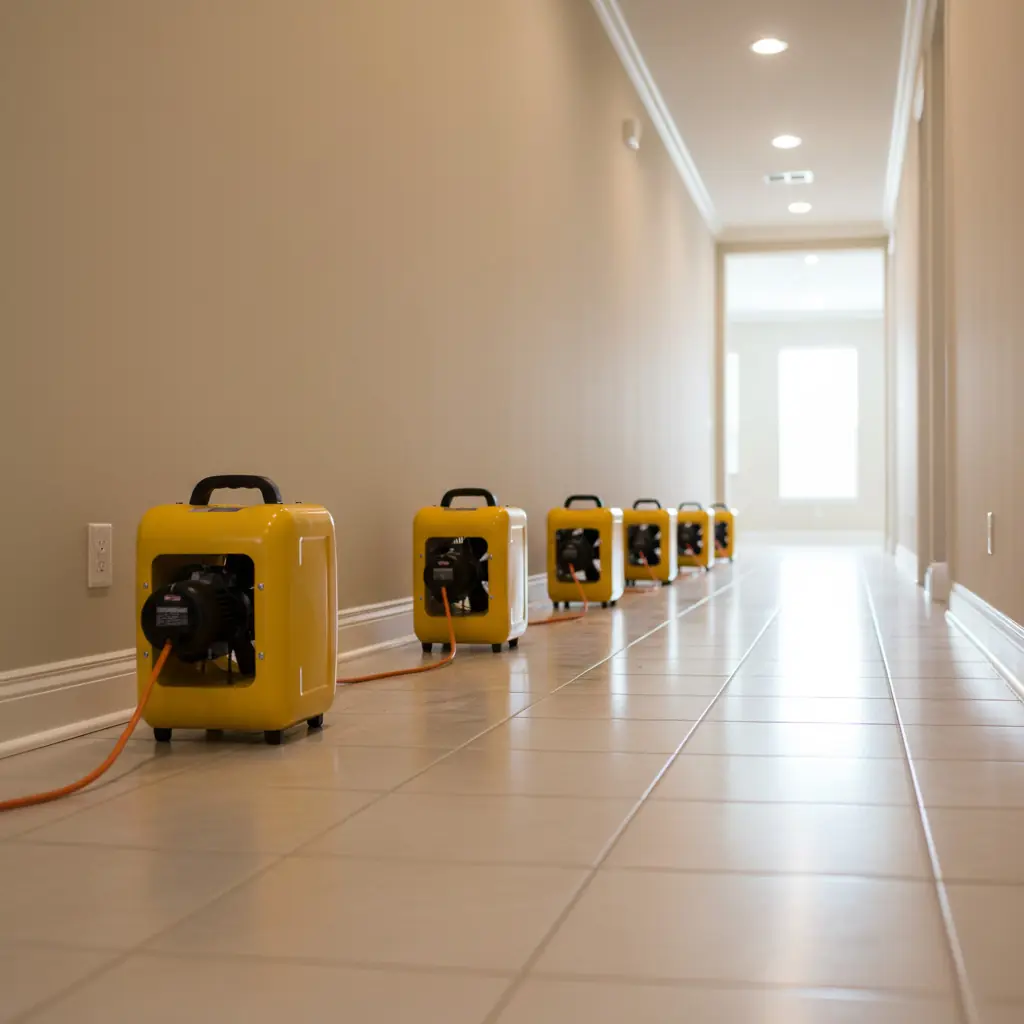
Professional crews utilize high-velocity air movers and industrial dehumidifiers to dry the subfloor and wall cavities completely. When you try this yourself, you often trap moisture behind baseboards where it thrives in our humid Miami climate. You aren't just paying for the labor; you are paying for the guaranteed elimination of biohazards that keep your family safe.
- Professionals utilize specialized moisture meters to find hidden water behind drywall.
- Certified crews remove contaminated materials that cannot be salvaged.
- Expert services provide the detailed documentation your insurance adjuster demands.
- Professional remediation prevents the long-term structural decay caused by Category 3 water.
Real-World Recovery: A Case Study of a Brickell Condo Sewage Restoration
Consider the recent situation of a high-rise owner in Brickell who faced a major bathroom pipe failure at 2 AM. Instead of waiting for a professional crew, the homeowner attempted to use a shop vacuum and bleach on the porous wood laminate floors.
That choice proved disastrous. The suction equipment was not rated for Category 3 wastewater, which forced toxic aerosols into the HVAC system and cross-contaminated the bedroom ventilation.
Lessons from the Field
By the time our team arrived, the contamination had spread beyond the bathroom into the drywall of the adjacent master suite. The owner learned a hard truth that morning:
- Raw sewage contains pathogens that regular household cleaners cannot neutralize.
- Porous materials like wood and drywall act like sponges, absorbing bacteria deep into the structure.
- Running the AC while raw sewage is present spreads mold spores through every room in the unit.
We had to perform a full tear-out of the flooring and sanitize the air ducts to prevent long-term health risks. Proper containment and industrial-grade air scrubbing saved the rest of the unit, but the initial DIY effort cost the resident weeks of additional restoration time and significant extra expenses.
Navigating Insurance Claims and Documentation for Rapid Property Recovery
Filing a claim after a sewage backup in Miami is not just about making a phone call; it is about building an airtight case for your financial survival. Most homeowners sabotage their payouts by cleaning up too quickly without capturing the necessary evidence. You must treat your property like a crime scene until you have gathered enough proof to satisfy even the most skeptical insurance adjuster.
Before you toss a single ruined piece of drywall or soggy carpet, grab your phone and document everything with extreme detail. Your insurance carrier requires proof of the damage to approve your claim, so do not let your cleanup crew destroy the evidence before you have it on record. Follow this checklist to ensure you do not leave money on the table:
- Take high resolution photos of the source of the leak or backup before you touch anything.
- Record video footage that pans across the entire affected area to show the full scope of the contamination.
- Create a comprehensive list of every damaged item, including furniture, electronics, and personal belongings.
- Keep a detailed log of all interactions with your insurance company, including names, dates, and claim numbers.
Insurance companies are experts at finding reasons to deny claims or minimize the settlement amount. By presenting a professional, organized file, you shift the power dynamic back in your favor and force them to take your damage seriously. Always request a written estimate from a licensed restoration professional in Miami to cross reference with the adjuster's assessment, as this adds an extra layer of credibility to your claim.
Final Words
When raw sewage invades your home, every single minute counts. The pathogens trapped in that water do not wait for you to research DIY methods or call around for the cheapest price.
You must prioritize immediate action to protect your family from severe health risks. If you are currently dealing with a disaster, visit our Sewage Backup Cleanup page to get a team on-site now.
Your Strategy for Protection
Stop thinking about how much you can save by cleaning it yourself. You are not just dealing with dirty water; you are dealing with biohazardous waste that requires industrial-grade sanitization.
Follow these rules to keep your property from becoming a total loss:
- Never touch standing sewage with bare skin.
- Shut off the electricity if the water reaches outlets.
- Document every square inch with photos before cleanup begins.
- Leave the heavy-duty drying to professionals with HEPA-filtered equipment.
Ignoring these steps leads to toxic mold growth that can hide behind your baseboards for months. Do not let a temporary mess turn into a permanent health hazard.
Take charge of the situation by securing your home and calling experts who know how to handle Miami humidity. The sooner you act, the faster you can get back to living in a clean, safe, and dry space.
People Also Ask
Is sewage backup covered by homeowners insurance in Miami?
Most standard homeowners insurance policies exclude damage caused by sewage backups unless you have added specific endorsements for water and sewer line coverage. It is vital to review your policy documents immediately following a breach to understand your specific limitations and deductibles.Why is DIY cleanup dangerous for sewage damage?
Sewage contains pathogens, bacteria, and viruses that pose severe health risks to anyone not equipped with professional-grade personal protective equipment. The CDC guidelines emphasize that improper handling of contaminated materials can lead to the spread of dangerous illnesses throughout your home.How do I know if the sewage cleanup was done correctly?
A professional cleanup includes thorough sanitization, the use of industrial grade dehumidifiers, and verification testing to ensure moisture levels have returned to normal. If you still notice persistent odors or visible moisture, the area likely remains contaminated and requires further remediation.Does Miami's high water table affect sewage backups?
Yes, Miami’s unique geography and high water table can cause groundwater to infiltrate sewer lines, leading to system overflows during heavy rain. This creates a recurring risk for homeowners that necessitates professional assessment of backflow prevention valves.How long should I wait before entering a room with sewage?
You should never enter a room affected by sewage until the power is turned off and the source of the leak is identified by a professional. Exposure to standing contaminated water can result in skin infections or respiratory issues, so it is safer to stay clear until the area is secured.Need Water Damage Restoration Services?
We provide rapid water damage restoration and structural drying services across Miami and the surrounding communities to restore your property quickly. Our expert team arrives promptly to mitigate further damage and secure your home or business (33101, 33130, 33131, 33132).
Request Service Estimate