
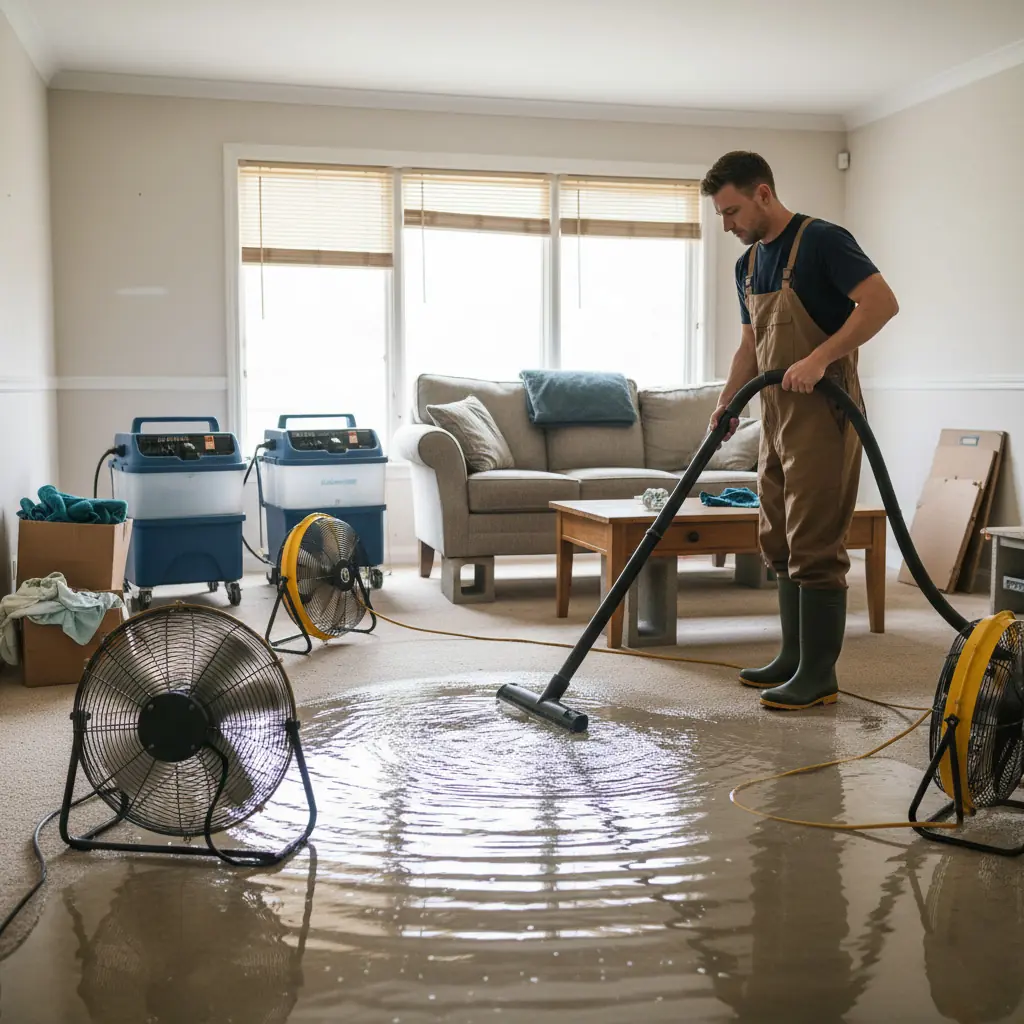


⚡ TL;DR: This guide provides Miami property owners with essential steps for effective burst pipe cleanup, helping you manage water damage, prevent mold growth, and navigate complex insurance claim processes.
📋 What You’ll Learn
Handling a burst pipe in Miami requires fast, strategic action to protect your property from our unique humidity. This guide provides the local expertise needed to mitigate damage and recover quickly.
- Execute immediate damage control steps to prevent standing water from compromising your home foundation while you wait for professional help to arrive at your specific Miami neighborhood location.
- Stop rapid mold growth cycles by understanding how South Florida’s intense tropical climate turns a simple plumbing failure into a hazardous environment for your family in mere hours.
- Master the insurance documentation process to ensure your claim captures every detail of the destruction, allowing you to maximize your payout and avoid common disputes with regional providers.
- Compare restoration costs and efficiency by reviewing our data on when professional intervention is required versus minor DIY tasks to ensure structural integrity remains at its absolute peak.
- Identify hidden plumbing and electrical hazards that commonly plague older coastal properties during pipe bursts, keeping you safe from unseen risks while you begin the restoration cleanup phase.
📖 Reading time: 8 min
✍️ Author expertise: Miami water damage restoration specialist with two decades of field experience in Florida.
You wake up at 3:00 AM to the sound of rushing water, only to find your Miami living room turning into a private indoor swimming pool. Your drywall is swelling, your baseboards are soaking up moisture like a sponge, and that sudden, sharp hiss behind your walls is costing you a small fortune every single second.
Most homeowners freeze when they see water geysering across their floors, but the first sixty minutes are the only thing standing between a quick fix and a total structural nightmare. Miami humidity turns a wet room into a black mold breeding ground faster than you can call your insurance agent.
If you want to stop the damage from spreading and save your property from a complete teardown, follow these essential steps to secure your home before the situation spirals out of control.
Immediate Damage Control: The Emergency Checklist for Miami Property Owners
When water is actively destroying your home, every second you waste is money draining out the door. You must act with surgical precision to minimize the impact on your flooring, cabinetry, and foundation.
Start by finding your home's main water shut-off valve and turning it clockwise until the flow stops completely. If you cannot locate it or the valve is seized, contact your local water utility or a 24-hour plumber immediately to cut the supply at the street.
Once the water is off, follow this sequence to protect what remains of your property:
- Cut the power at the circuit breaker if any water is near electrical outlets, appliances, or light fixtures. Never step into standing water if the electricity is still live.
- Move your high-value items, such as electronics, rugs, and important documents, to a dry, elevated room away from the leak.
- Clear out the standing water using a wet-vac or mop if it is safe to do so. Removing bulk moisture is the only way to prevent rapid structural rot.
- Punch a small hole in the ceiling if water is trapped behind a bulge in the drywall. This releases the pressure and stops the ceiling from collapsing under the weight of the trapped liquid.
Do not wait for a professional to arrive before taking these steps. The speed of your response determines whether you face a minor repair or a complete demolition of your living space.
Why Miami’s Unique Climate Accelerates Post-Burst Mold Growth
Most folks think a burst pipe is just a plumbing issue, but in South Florida, it is a ticking time bomb for your property. Miami’s constant tropical humidity acts like a fuel source for mold spores that are always lurking in the air.
When your floors and walls soak up water, the ambient air density here prevents them from drying naturally. Instead of evaporating, that moisture stays trapped behind your baseboards and inside your wall cavities, creating a perfect petri dish for fungal blooms.
The Danger Timeline
- 0-24 Hours: Visible standing water, moisture begins wicking into drywall and carpet padding.
- 24-48 Hours: Mold spores begin to germinate on organic materials like wood, paper, and insulation.
- 48-72 Hours: Colonies become visible, spreading rapidly as they consume the structural integrity of your home.
You cannot simply open a window to fix this, especially during our rainy season. High dew points mean the air outside is often just as damp as the air inside. Without industrial-grade dehumidification and rapid air movement, you are essentially providing the ideal climate for an expensive mold infestation to take root.
Vital Steps for Documenting Damage for Your Insurance Claim
Insurance adjusters in South Florida are notorious for denying claims if your evidence is thin. You are essentially fighting a legal battle against a corporation the moment you file, so treat your phone like a professional courtroom camera.
Do not wait for the water to stop completely before you start recording. Every second you wait, evidence of the source or the severity of the flooding is being cleaned up, dried out, or hidden by moisture.
- Take high resolution photos of the initial burst pipe location.
- Record video footage that pans across the entire affected area.
- Include shots of damaged personal items, electronics, and furniture.
- Capture close ups of floor warping and drywall discoloration.
It is vital to maintain a digital log of every interaction you have with your insurance provider. Note the name of the representative, the claim number assigned to your case, and the exact time of your call.
If you have to move items to prevent further damage, take a picture of them in their original spot first. Proving that an item was ruined by the initial burst rather than by your own handling is the difference between getting a check and getting a denial letter.
Professional Restoration vs. DIY: A Cost and Efficiency Comparison Table
Most Miami homeowners assume that grabbing a few shop vacuums and some floor fans will handle a pipe burst. The truth is, hidden water trapped behind walls will fester long before a household fan makes a dent. Professional equipment uses industrial grade dehumidification and moisture mapping to find what your eyes cannot see.
| Feature | DIY Approach | Professional Restoration |
|---|---|---|
| Drying Speed | Days or Weeks | 24 to 48 Hours |
| Mold Risk | Extremely High | Near Zero |
| Insurance Claims | Often Denied | Full Documentation |
| Hidden Damage | Undetected | Thermal Imaging Scans |
| Final Cost | High Risk of Long Term Loss | Fixed Service Fee |
When you take the DIY path, you are gambling with your long term structural integrity. You might dry the surface, but the subfloor remains saturated, providing a perfect home for mold spores to bloom within 72 hours. Our teams utilize professional grade air movers and HEPA filtration that you simply cannot rent from a local hardware store.
Consider the actual cost of your time versus the value of your assets. A botched cleanup job often leads to expensive mold remediation later, which can cost three times more than the initial water removal. By hiring a professional crew, you shift the liability and ensure that every square inch of your property returns to pre loss conditions.

Case Study: How We Saved a Coral Gables Property from Total Structural Collapse
Last year, we received an emergency call from a Coral Gables homeowner whose second floor pipe burst while they were away for the weekend. By the time they returned, water had saturated the floorboards and began leaking into the load bearing columns of the ground floor living area.
The situation was critical. Because of the high moisture content in South Florida air, the wood framing had already begun to warp, signaling the start of a potential collapse. We arrived on site within thirty minutes to implement an aggressive moisture extraction plan.
The Recovery Process
We didn't just dry the carpet; we had to surgically remove sections of the drywall to expose the studs and introduce heavy duty industrial dehumidifiers. Our team worked around the clock to stop the rot before it compromised the structural integrity of the entire home.
Here is what we did to save the property:
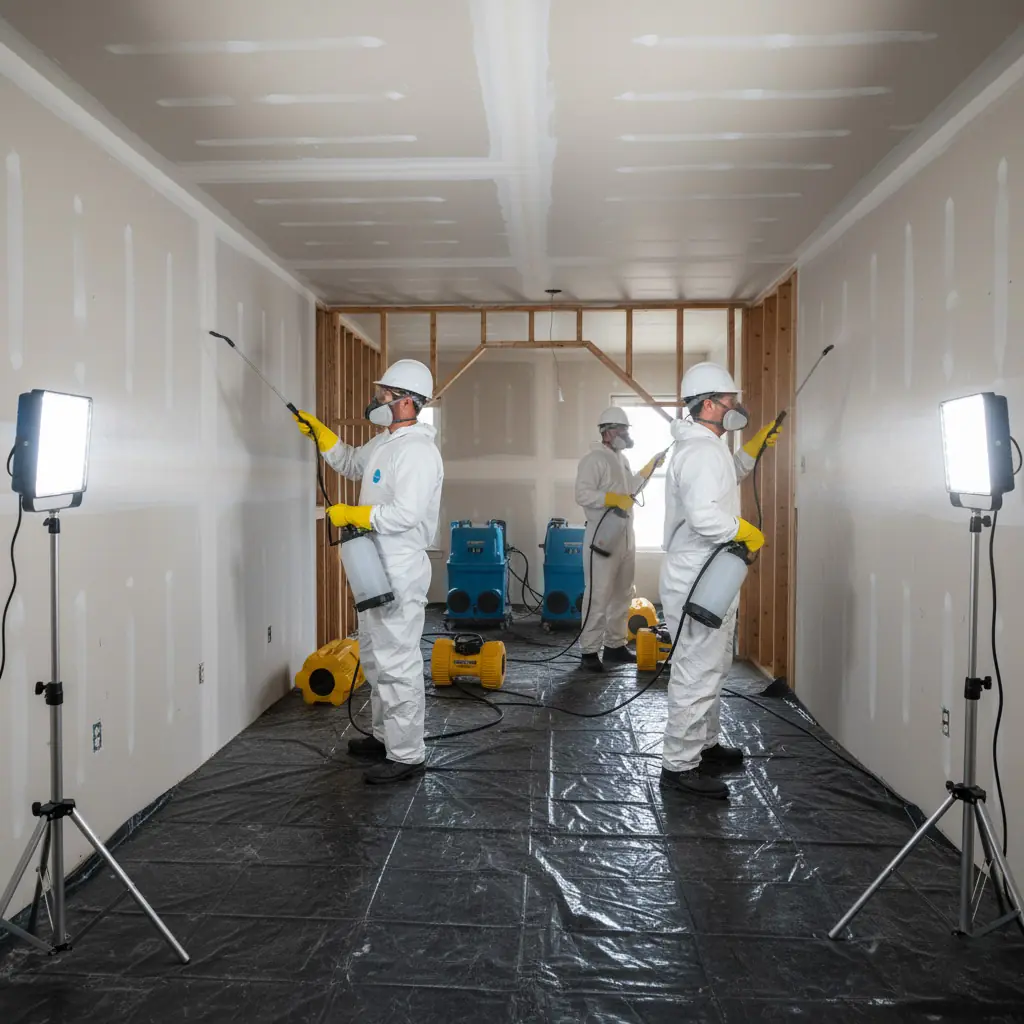
- Performed a moisture mapping survey to identify hidden pockets of water.
- Installed high-velocity air movers to force circulation in tight spaces.
- Applied antimicrobial treatments to prevent the rapid growth of toxic spores.
- Monitored the structural dryness of the timber daily until it reached safe levels.
The result was a total structural save. By moving quickly and using precise extraction techniques, we prevented the homeowner from having to gut the entire house. The property was fully restored to its original condition without the need for expensive or invasive demolition.
Navigating the Hidden Dangers of Miami’s Plumbing and Electrical Hazards
Living in Miami means your home is a complex web of outdated pipes and live wires hiding behind your drywall. When a pipe bursts, you are not just fighting the water; you are dealing with a lethal electrical risk. Most older homes in neighborhoods like Little Havana or Coconut Grove have aging electrical systems that do not play nice with floodwaters.
Water conducts electricity, and in a saturated room, the floor, the walls, and even your wet baseboards can become energized. Touching a light switch or walking through a puddle near an outlet while water is active is a recipe for a deadly shock. You must assume every square inch of the wet area is live until you have physically flipped the main breaker.
Critical Safety Protocols
Do not step into standing water to reach the main electrical panel if the water level is rising near outlets. If you cannot reach the breaker safely, stay out and call a professional to cut the power from the exterior meter. Your safety is worth more than any piece of furniture in the house.
- Wear rubber-soled boots before walking on any damp surface.
- Avoid touching metal appliances like refrigerators or stoves if they are near the flood zone.
- Keep flashlights handy, but never use an electric lamp or power tool in a room that has experienced a burst pipe.
- Assume that any outlet or wall switch exposed to moisture is a major fire hazard.
If you see sparks, hear buzzing sounds inside the walls, or notice the smell of burning plastic, get out immediately. These signs indicate that the water has reached an active junction box and is causing a short circuit. The risk of an electrical fire is just as high as the risk of water damage, so keep your distance until we arrive to clear the zone.
Final Words
When your home is flooded, every tick of the clock is a direct hit to your bank account. You cannot afford to play guessing games with high-voltage electricity and porous building materials.
If you suspect a hidden leak or are currently staring at a soaked floor, visit our Burst Pipe Cleanup page immediately. We have the industrial-grade gear and the local expertise to stop the bleeding before your walls start to crumble.
Waiting for the morning or trying to mop it up with a few towels is a recipe for disaster. The moisture hides in the subfloor and behind the studs, where it festers into a toxic mess.
Protect Your Investment Today
- Shut off the main water valve immediately.
- Disconnect all electronics near the standing water.
- Call a team that understands the specific humidity challenges of the Miami climate.
You have worked too hard for your home to let a broken pipe turn it into a loss. Get the experts on site now, ensure your documentation is airtight, and stop the rot before it takes hold.
People Also Ask
How soon does mold start growing after a pipe burst in Miami?
In the humid climate of Miami, mold can begin to colonize within 24 to 48 hours of water exposure. It is critical to initiate professional drying procedures immediately to prevent spores from spreading throughout your ventilation system.What should I do first when a pipe bursts in my home?
Your immediate priority is to locate the main water shutoff valve to stop the flow of water into the property. Once the water is off, safely disconnect the electricity to the affected areas and contact a local restoration team to begin the mitigation process.Is water damage from a burst pipe covered by homeowners insurance?
Most standard homeowners insurance policies cover sudden and accidental water damage caused by a burst pipe. You should review the specific terms of your policy and follow the guidelines provided by the federal government to ensure your claim process is properly documented.Should I attempt to clean up a major pipe burst myself?
While you can manage small, contained leaks, a major burst pipe often involves structural saturation and potential electrical hazards that require industrial equipment. DIY cleanup frequently fails to address moisture trapped inside drywall, which leads to long term structural rot and recurring mold issues.Need Water Damage Restoration Services?
We provide rapid water damage restoration and structural drying services across Miami and the surrounding communities to restore your property quickly. Our expert team arrives promptly to mitigate further damage and secure your home or business (33101, 33130, 33131, 33132).
Request Service Estimate