


⚡ TL;DR: To protect your property in humid Miami, learn why professional mold remediation is essential for stopping persistent spores and maintaining long term value through proactive maintenance and inspections.
📋 What You’ll Learn
Living in Miami means constant battles against pervasive humidity. This guide provides essential local strategies for detecting, removing, and preventing mold growth to keep your property safe and healthy year-round.
- Understand the Miami climate impact by learning how high tropical humidity creates a breeding ground for mold that traditional cleaning methods simply cannot effectively eliminate or control permanently.
- Avoid dangerous DIY remediation mistakes that often spread harmful spores throughout your living space, potentially leading to increased health risks and more expensive professional repairs down the line.
- Perform a thorough property inspection using our expert room by room checklist designed specifically to uncover hidden leaks and moisture buildup before they turn into major structural issues.
- Evaluate professional remediation standards to ensure you choose the right equipment and certified protocols required to restore your home to healthy air quality levels after a leak.
📖 Reading time: 7 min
✍️ Author expertise: Miami water damage specialist with decades of field experience remediating local residential properties.
You wake up in your Miami condo, take a deep breath, and immediately feel that familiar, heavy tickle in your throat. You might blame the humidity, but if your walls or air vents have that telltale musty funk, you have a silent squatter moving in rent-free: toxic mold.
Most people here think a quick spray of bleach or a fresh coat of paint will solve the problem. Those people are wrong, and they are literally inviting structural rot and health issues into their own bedrooms.
Smart Miami homeowners know that fighting mold in our climate requires a specific battle plan, not a trip to the local hardware store. Here is how the pros actually kill the spores for good so you can stop breathing poison and reclaim your home.

The Humidity Factor: Why Miami’s Unique Climate Accelerates Mold Growth
Living in Miami is a dream for many, but for your home, our tropical environment is a constant biological assault. The air here acts like a wet sponge, maintaining a consistent dew point that serves as the perfect fuel for fungal colonies.
When the outdoor humidity regularly climbs above 70 percent, moisture seeps through microscopic cracks in your stucco and finds its way into your drywall. Once the ambient moisture hits a surface, the countdown to spore germination begins in as little as 24 to 48 hours.
You are fighting a constant battle against three major climate variables that make mold growth nearly inevitable if you aren't careful:
- Constant Thermal Inversion: Your air conditioning creates cold surfaces that trap condensation inside your walls.
- High Porosity: Many homes built in South Florida utilize materials that hold moisture like a wick.
- Salt Air Intrusion: The salt from our ocean breeze can degrade your building's exterior sealants, creating entry points for water.
Most residents think that keeping their AC running is enough protection. Unfortunately, if your unit is oversized or the drainage line is clogged, you are actually pumping moisture directly into your ventilation system, effectively feeding the mold inside your ductwork.
Beyond Bleach: Why DIY Remediation Often Fails and How It Spreads Spores
Here is the hard truth about your bottle of bleach: it is a surface-level illusion. When you spray bleach on drywall or porous surfaces, the chlorine kills the mold on the very top layer, but it fails to penetrate deep into the material where the roots, or hyphae, are actually feeding.
Because bleach is mostly water, you are actually feeding the colony the hydration it craves while leaving the underlying structure compromised. You might think you won the battle because the black stain faded, but the invisible spores are just waiting for the next humid Miami day to bloom even larger than before.
Worse yet, using a rag or a scrub brush on an active mold colony is like holding a grenade. The second you disturb that patch, you launch millions of microscopic spores into the air. They settle into your carpets, your curtains, and your HVAC system, ensuring the problem spreads to every room in your home.
The Risks of DIY Methods
- Incomplete eradication: Bleach cannot kill mold roots in porous materials like wood, insulation, or drywall.
- Spore dispersal: Scrubbing releases toxic particulates into the air, which you then breathe in.
- False sense of security: When the stain disappears, you stop looking, while the hidden damage continues to rot your property.
If you suspect a colony, stop scrubbing. You are not cleaning; you are spreading a health hazard that your lungs will eventually pay for. Real remediation requires containment, negative air pressure, and professional grade biocides that actually destroy the organism at its source rather than just masking the symptoms.

Identifying the Source: A Room-by-Room Inspection Checklist
Mold in Miami does not just appear by magic. It feeds on moisture, so if you find a colony, you have a leak or condensation issue that needs immediate attention.
Start your hunt by checking these specific zones where water tends to hide:
- The Bathroom: Inspect under the vanity and behind the toilet for slow drips. Look closely at your exhaust fan to ensure it is actually venting outside rather than just blowing moist air into your attic.
- Kitchen Zones: Pull out your refrigerator and check the drip pan. Look underneath the sink cabinet, specifically around the P-trap where moisture often collects on the wood.
- HVAC Closets: This is the most common culprit in Miami. Check your air handler for sweating ducts, clogged condensate lines, or dirty drain pans that have become breeding grounds for mold.
- Window Frames: Miami humidity causes heavy condensation on glass. If your seals are aging, water will seep into the drywall underneath, creating the perfect environment for mold to thrive.
If you see discoloration on your drywall or ceiling, do not just wipe it down. That is only the tip of the iceberg, as mold roots often burrow deep into the porous materials behind the surface.
Use a high-quality flashlight to check for bowing walls or peeling paint. If the wall feels soft or spongy to the touch, you have an active moisture intrusion that requires an immediate professional response before the structural integrity of your property is compromised.
The Professional Standard: Equipment and Protocols Used by Certified Experts
When you hire professionals, you aren't just paying for elbow grease. You are paying for a battle-tested defense system that standard cleaning supplies simply cannot touch. We use industrial-grade air scrubbers equipped with HEPA filters that capture microscopic spores as small as 0.3 microns.
Without this specialized gear, you are just moving mold around the room. We also deploy high-velocity dehumidifiers and moisture meters to find the hidden water sources that keep mold alive long after the visible stains are wiped away.
The Professional Toolkit
- Negative Air Machines: These create a vacuum effect to stop spores from drifting into your clean living areas.
- Industrial Moisture Meters: Tools that detect water inside drywall, floorboards, and concrete without needing to tear everything apart.
- HEPA Vacuums: Specially sealed vacuums designed to trap mold particles so they do not exhaust back into your home.
- Anti-Microbial Sealants: Protective coatings that prevent future growth on structural wood and drywall once the area is sanitized.
Our process follows strict IICRC guidelines to ensure the job is done safely. We start with complete containment, sealing off the infected zone with heavy-duty polyethylene sheeting. This creates a dedicated work area, ensuring your family stays clear of the spores we are actively removing.
Once contained, we apply EPA-registered biocides to eliminate mold at the cellular level. We don't just kill the visible growth; we treat the underlying surfaces to make them repellent to future colonization. This is how you stop the cycle of recurring mold instead of just masking the smell for a few weeks.
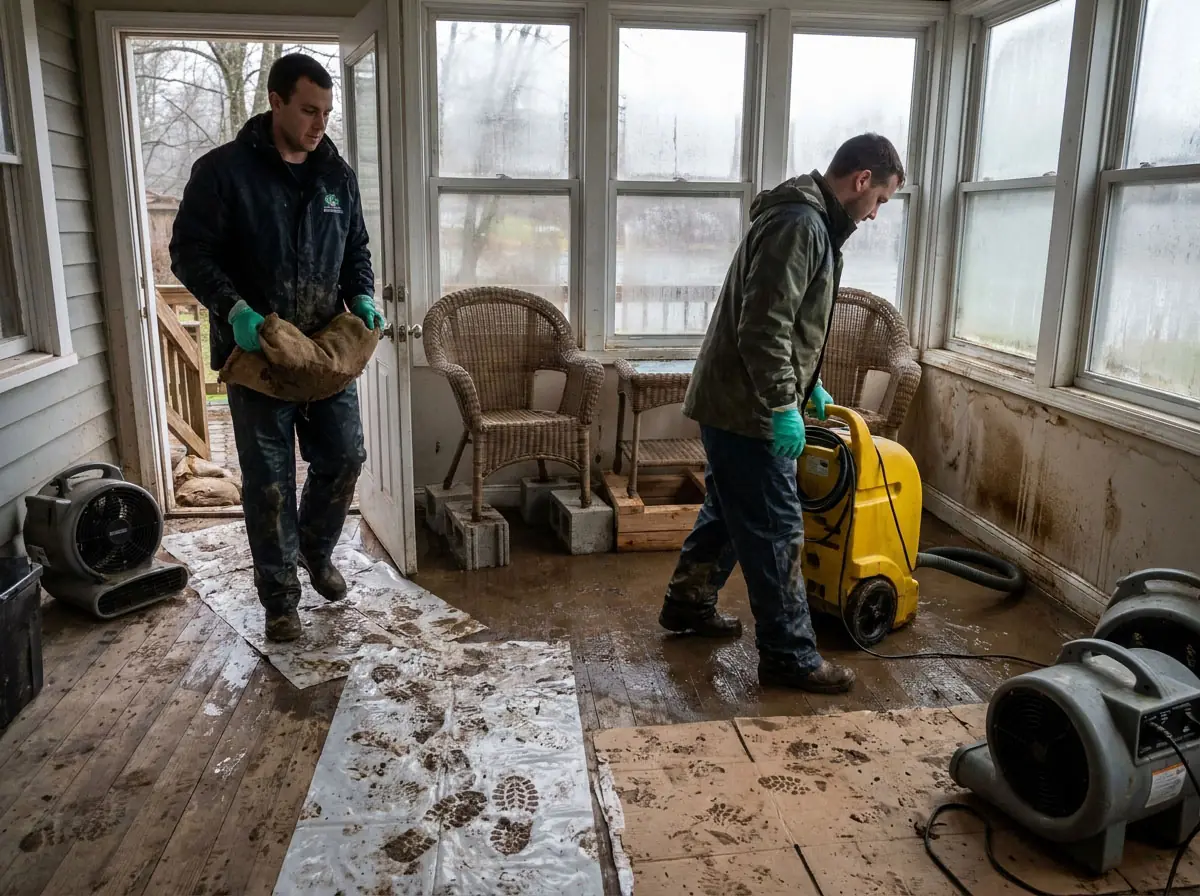
Case Study: Restoring a High-Rise Brickell Condo After Hidden Pipe Leaks
A recent project in a luxury Brickell high-rise perfectly illustrates how fast moisture ruins a high-end property. A tiny pinhole leak behind a primary bathroom wall went undetected for weeks because the wall remained dry to the touch on the outside.
By the time the owner noticed the musty odor, the mold had already compromised the interior drywall and the wood vanity base. The hidden nature of these leaks is why Miami condos are essentially incubators for fungal growth.
We approached the cleanup with a strict containment protocol to keep the rest of the unit safe:
- First, we installed negative air pressure machines to keep spores from migrating to the living room or bedroom.
- Then, we utilized infrared cameras to map exactly how far the moisture had traveled behind the wallpaper.
- Finally, we performed a controlled demolition of the affected materials while using HEPA vacuums to capture debris at the source.
Because the leak originated in a shared plumbing chase, we had to coordinate with the building management to ensure the main line was sealed. Neglecting this step would have meant the mold returning within a month. Once the plumbing was secure, we treated the exposed studs with a professional-grade antimicrobial sealant to ensure no dormant spores could reignite.
Financial Planning: A Table Breakdown of Remediation Costs and Service Options
Most folks think mold removal costs a fortune, but letting a small patch turn into a structural disaster will drain your savings much faster. Smart owners budget for these projects by understanding that professional intervention is an investment in their property value, not just an expense.
| Service Level | Typical Scope | Estimated Price Range |
|---|---|---|
| Minor Spot Treatment | Small area, no wall removal | $500 - $1,200 |
| Standard Remediation | One room, containment required | $1,500 - $3,500 |
| Full Property Cleanup | Multiple rooms, HVAC ductwork | $4,000 - $8,500+ |
| Emergency Leak Response | Water extraction and drying | $2,000 - $5,000 |
You need to weigh the costs of professional work against the long term damage to your health and your home's integrity. When you hire a certified team, you are paying for specialized equipment and liability insurance that protects you if things go south.
Consider these factors when planning your budget:
- The physical size of the affected surface area.
- Whether you need specialized air quality testing.
- The urgency of the moisture source repair.
- Potential insurance coverage for sudden and accidental water damage.
Don't fall for the lowest bidder who just wants to spray and pray. Professional remediation includes proper containment, negative air pressure, and high grade HEPA filtration to stop spores from traveling through your ventilation and settling in your clothes or furniture.
Protecting Your Property Value Through Proactive Maintenance
Real estate in Miami is a gold mine, but only if you keep the structure sound. When you ignore moisture buildup, you are essentially watching your equity dissolve in the humidity.
Preventative maintenance is cheaper than a full-scale Mold Remediation project. You need to stop the damage before it starts to eat your walls.
The Maintenance Checklist for Miami Homeowners
You can stay ahead of the curve by following these simple habits:
- Check your HVAC drip pans every month for clogs.
- Keep indoor humidity levels consistently below 50%.
- Inspect the seals around your windows and sliding glass doors after every heavy tropical storm.
- Clear out any vegetation touching the exterior of your foundation to allow for proper airflow.
Don't wait for the musty smell to knock you over. A proactive approach means you catch tiny leaks while they are still just a minor headache instead of a disaster.
Treat your home like the asset it is. Regular inspections turn a potential nightmare into a non issue, keeping your family safe and your property value high.
People Also Ask
Is mold remediation covered by homeowners insurance in Miami?
Whether mold remediation is covered depends on the source of the water damage and your specific policy language. Most insurers only cover mold if it resulted from a sudden and accidental covered peril, such as a burst pipe.How can I tell if I have a mold problem in my home?
Common signs include a musty or earthy odor, visible discoloration on walls or ceilings, and increased allergy symptoms among residents. You should perform a visual inspection of damp areas and consult the environmental guidelines provided by the federal government for comprehensive identification.Why is DIY mold removal dangerous in a humid climate?
Attempting to clean mold with household chemicals often spreads spores throughout the air and fails to kill roots growing deep into porous materials. Without professional negative air pressure containment, you risk contaminating unaffected areas of your property.How much does professional mold remediation cost in Miami?
The total cost varies significantly based on the square footage of the affected area, the type of mold present, and the materials requiring removal. A professional assessment is necessary to determine if you need simple surface cleaning or extensive structural reconstruction.How long does the mold remediation process typically take?
A standard remediation project usually takes anywhere from three to five days depending on the scope of the contamination. Complex projects involving hidden leaks or large scale growth in high rise condos may require a longer timeline for drying and reconstruction.Need Water Damage Restoration Services?
We provide rapid water damage restoration and structural drying services across Miami and the surrounding communities to restore your property quickly. Our expert team arrives promptly to mitigate further damage and secure your home or business (33101, 33130, 33131, 33132).
Request Service Estimate