


⚡ TL;DR: This informative guide covers essential methods for Drywall Water Damage Repair in Miami, helping homeowners effectively manage moisture issues and maintain structural integrity within a humid tropical climate.
📋 What You’ll Learn
Navigating drywall damage in the humid Miami climate requires specialized knowledge to prevent structural compromise and mold growth. This guide outlines professional strategies to restore your walls effectively and permanently.
- Identify moisture sources immediately to stop the spread of water through your drywall panels before toxic mold colonies take root within the dark, humid spaces of your home.
- Evaluate the extent of damage by distinguishing between simple surface staining and deep structural rot that requires professional intervention to ensure the safety and integrity of your residence.
- Follow professional remediation protocols including essential supply lists and step-by-step repair actions that help you manage the restoration process like a seasoned contractor in the South Florida area.
- Utilize advanced drying techniques specifically designed for Miami’s high-humidity environment to ensure that your walls are fully moisture-free before you begin the final painting and finishing stages.
- Implement long-term moisture strategies to shield your property from future tropical water intrusion and keep your interior walls dry and pristine despite the challenging local weather conditions.
📖 Reading time: 8 min
✍️ Author expertise: Certified Miami restoration specialist with fifteen years of experience mitigating tropical water damage.
You wake up in your Miami home to find a dark, squishy patch spreading across your living room wall like an unwanted map. That small bubble isn't just an eyesore; it is a ticking clock for your property value and your family's health.
The humid Florida air turns a minor leak into a toxic mold breeding ground faster than you can grab a mop. Ignoring those damp spots is the fastest way to turn a simple patch job into a gut-wrenching renovation bill.
You need a battle plan that stops the rot before it eats through your studs and destroys your bank account. Here is exactly how to strip away the damage and restore your walls before the situation spirals out of control.
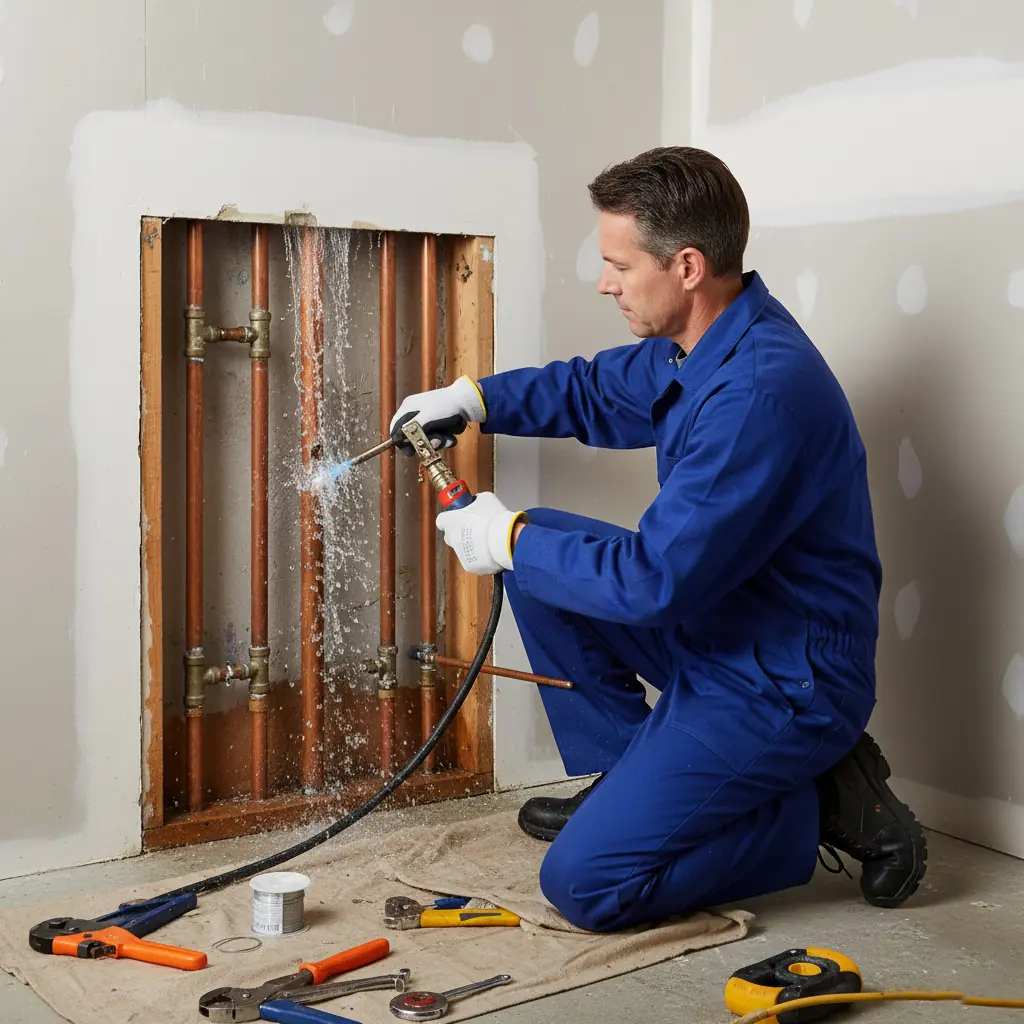
Immediate Moisture Containment: Stop the Spread Before Mold Takes Hold
The moment you spot water intrusion, your priority is halting the flow. Grab a bucket or heavy towels to catch active drips, but do not stop there. You must identify the source immediately, whether it is a burst pipe or a leaky window seal, and cut off the water supply at the main valve if necessary.
Every minute the drywall stays wet, the material loses its structural integrity. It acts like a sponge, wicking moisture upward into the ceiling joists and sideways into your baseboards. You are essentially racing against a biological clock where toxic mold spores begin to germinate within 24 to 48 hours.
Take these swift actions to contain the chaos before professional help arrives:
- Clear the area of furniture, rugs, and electronics to prevent secondary damage and allow for airflow.
- Use a dehumidifier or air conditioner to drop the room temperature and humidity levels instantly.
- Extract standing water from the floor using a wet-dry vacuum, as saturated flooring will push moisture back into the walls.
- Cut away any visibly soaked insulation, as it will never dry out on its own and acts as a massive reservoir for mold.
Resist the urge to simply paint over the damp spot or wipe it down with bleach. Bleach is ineffective on porous surfaces like drywall because it does not penetrate deep enough to kill the roots of mold. If the wall feels soft to the touch or shows signs of discoloration, you must treat it as a contaminated zone until it is professionally dried and sanitized.
Precision Damage Assessment: Distinguishing Between Surface Patches and Structural Rot
Not every wet wall requires a sledgehammer, but you need to know exactly what you are dealing with before you start cutting. A surface patch is just cosmetic, usually caused by a minor spill or a high humidity issue that stopped before sinking deep. Structural rot, however, means the moisture has moved past the drywall paper and is currently chewing through your wood studs or metal tracks.
To tell the difference, you need to perform a probe. Use a moisture meter to check the levels behind the paint; anything above 16 percent moisture content is a red flag that demands immediate attention.
Key Indicators of Deep Damage
- The drywall feels spongy or soft to the touch under firm pressure.
- You spot visible dark or fuzzy mold growth near the baseboards.
- The paint is bubbling or peeling in long, vertical strips.
- Musty, earthy smells are coming from inside the wall cavity.
If the drywall crumbles like a dry cracker when you poke it, you are looking at deep saturation. If the wood studs behind it are dark, wet, or showing signs of fungal growth, you have moved well beyond a DIY cosmetic fix. At this stage, you must remove the compromised sections entirely to prevent the rot from compromising the load-bearing integrity of your home.
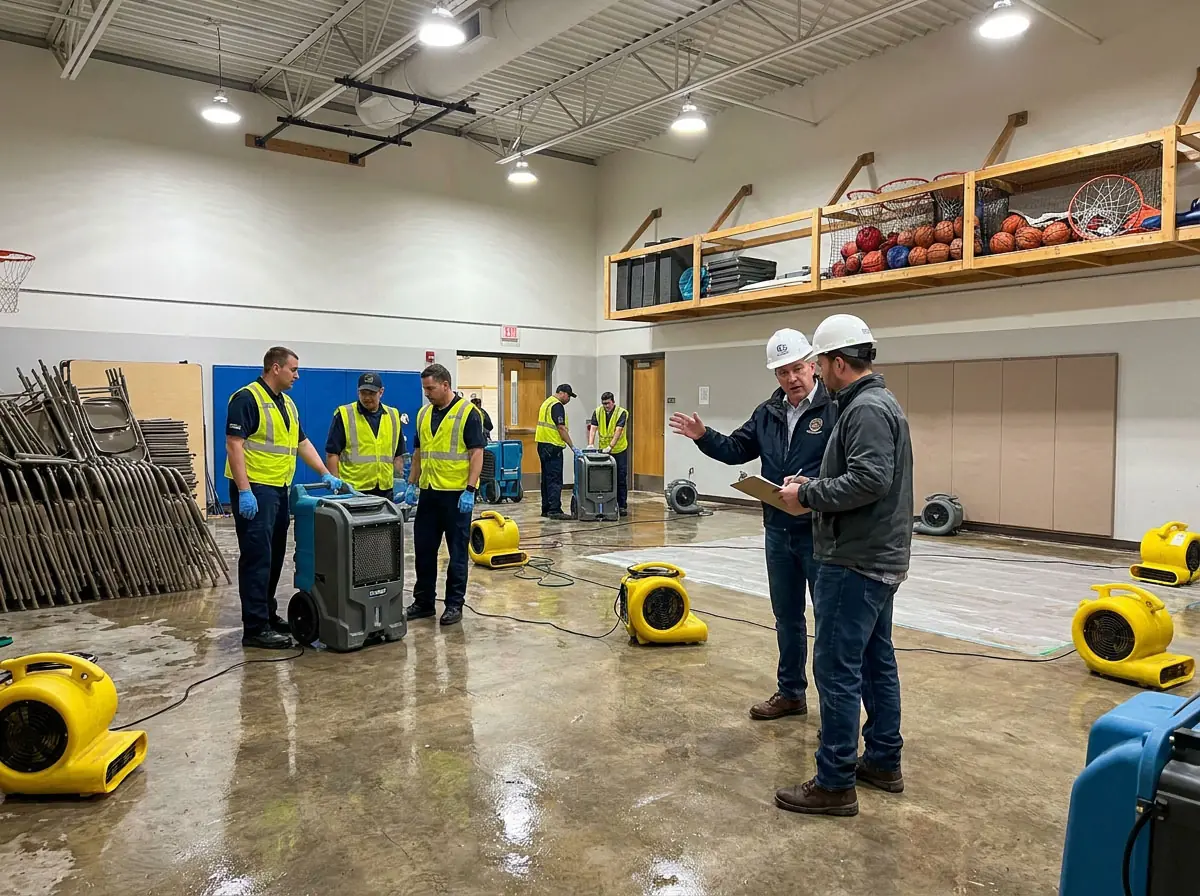
Professional Remediation Checklist: A Comprehensive Table of Supplies and Step-by-Step Actions
When dealing with moisture-compromised drywall, you cannot afford to wing it. Professional remediation requires a calculated approach, moving from complete moisture removal to sanitized reconstruction.
| Phase | Essential Tool or Action |
|---|---|
| Extraction | Industrial grade moisture meter |
| Containment | Heavy duty plastic sheeting |
| Sanitation | EPA registered antimicrobial spray |
| Drying | High velocity air movers |
| Finishing | Moisture resistant joint compound |
Start by clearing the area and sealing off the room to prevent mold spores from hitchhiking through your ventilation system. You must remove the damaged drywall at least 12 inches beyond the visible water line, as moisture often wicks upward through the core of the board.
Once you have exposed the wall cavity, follow these critical steps to ensure the structure is actually ready for new material:
- Use a moisture meter on your wooden studs to ensure they are reading below 15 percent.
- Apply a high quality antimicrobial treatment to all exposed framing to kill hidden fungal growth.
- Install new moisture resistant gypsum board rather than standard drywall to prevent a repeat of this disaster.
- Seal every joint and edge with specialized primer to lock out future humidity.
If you skip the cleaning phase, you are simply burying the problem behind a fresh layer of paint. Always verify the wall cavity is bone dry before you touch a single screw or strip of tape.
Advanced Drying Techniques for Miami’s High-Humidity Environment
Most DIY drying attempts fail in Miami because the air outside is often as wet as the walls inside. If you just open a window, you are inviting more moisture into your home rather than pulling it out.
You need a closed drying system that forces the moisture out of the drywall and into a dehumidifier. This process creates a specialized microclimate that sucks the water out of your porous materials before mold can set in.
The Professional Drying Arsenal
Professional restoration teams go far beyond standard household fans. We use specific tools designed to manipulate vapor pressure and airflow to win the war against Florida humidity.
- Low Grain Refrigerant Dehumidifiers: These pull moisture out of the air even when the room is already damp.
- Industrial Air Movers: High-velocity fans positioned to direct air across the surface of the wall, speeding up evaporation.
- Moisture Meters: Sensors that probe deep into the drywall and studs to ensure there is no hidden dampness behind the paint.
- Injecti-Dry Systems: Specialized panels that blow warm, dry air directly into wall cavities to dry the studs from the inside out.
Setting up this equipment is not just about blowing air at a wall. It requires strategic placement to create a vortex of circulation that pulls dampness out of the deepest corners of your structure.
If you leave the humidity trapped in your wall cavities, it will ruin your insulation and encourage wood rot within days. Proper drying is the only way to ensure your wall is actually safe to patch, rather than just covering up a hidden disaster.

From Soaked to Seamless: A Real-World Case Study of a Brickell Condo Restoration
Last month, we stepped into a high-rise Brickell condo where a faulty HVAC line had turned a master bedroom wall into a soggy mess. The drywall was soft to the touch, and the baseboards were already showing signs of wicking moisture. Left untreated for even another week, the owner would have been looking at a full wall replacement and expensive cabinetry repairs.
We didn't just slap on some paint and hope for the best. Our team executed a precise surgical extraction of the compromised material to ensure the structural integrity remained intact. By catching it early, we saved the client from the massive costs associated with major reconstruction.
Key Wins from the Brickell Restoration
- Identified the exact leak point behind the drywall to stop the cycle of water intrusion.
- Used industrial-grade dehumidifiers to draw moisture out of the studs without stripping the entire room.
- Matched the original wall texture perfectly so the patch became invisible once the room was repainted.
The secret to a seamless repair in a luxury condo is moisture mapping. We used thermal imaging to find hidden pockets of water that the eye simply cannot see. Once we confirmed the framing was bone dry, we sealed the area with antimicrobial primer, effectively locking out any chance of future mold growth.
Long-Term Prevention Strategies to Shield Your Home from Tropical Moisture
Living in Miami means battling the elements 365 days a year. If you want to keep your walls pristine, you have to treat your home like a fortress against the perpetual dampness of the Atlantic.
Most water damage starts small and hidden. You can stop these problems before they begin by performing a few specific maintenance tasks every single season.
- Inspect your roof flashing and window seals twice a year.
- Ensure your HVAC condensate line is clear of algae and debris to prevent internal backups.
- Maintain a consistent indoor humidity level between 40% and 50% using a dehumidifier.
- Clear your gutters so rainwater flows away from your foundation rather than pooling near your exterior walls.
You should also invest in modern leak detection technology for high risk areas. Smart water sensors are inexpensive tools that pay for themselves the first time they alert your phone to a pinhole pipe leak. Placing these units under your kitchen sink, near your water heater, or beside the HVAC unit gives you an early warning system that prevents a soaked wall from ever occurring.
Finally, inspect your home's exterior paint and stucco finish for hairline cracks. Florida sun breaks down paint binders over time, making your walls porous and prone to absorbing rain. A fresh coat of high-quality waterproof masonry paint acts as a heavy-duty raincoat for your property.
Final Words
Drywall damage in a coastal climate is not a problem that solves itself. Every hour you wait is a discount on your home equity and a major risk to your air quality.
If you have identified deep structural rot or extensive moisture, do not try to play contractor. Our team specializes in Drywall Water Damage Repair, and we have the specialized thermal imaging gear to find what your eyes cannot see.
When you need to act fast, keep these three golden rules in mind:
- Stop the water source immediately; shut off the main valve if you must.
- Document everything for your insurance carrier before ripping out any material.
- Call in the experts before the spores settle into your HVAC system.
You work hard to maintain your Miami property. Stop letting hidden moisture dictate your living conditions and start taking control of your walls today.
People Also Ask
How soon does mold grow on wet drywall in Miami?
Mold can begin to colonize damp drywall within 24 to 48 hours, especially in the high humidity common to South Florida. Rapid intervention is critical to prevent the spores from spreading throughout your ventilation system.Can I dry out soaked drywall myself?
If the water damage is minor and involves clean water, you might be able to dry it using high-capacity dehumidifiers and industrial fans. However, porous materials often trap moisture behind the surface, leading to hidden mold growth that requires professional inspection.How do I know if my drywall needs to be replaced?
You should replace drywall if it shows signs of crumbling, soft spots, discoloration, or a persistent musty odor. These symptoms often indicate that the paper backing and gypsum core have compromised integrity and are harboring deep moisture.Why is Miami humidity a problem for water damage restoration?
The high ambient humidity levels in Miami prevent standard air drying from being effective, as the air is already saturated with moisture. Professional restoration teams must use specialized refrigerant or desiccant dehumidifiers to lower the relative humidity and properly extract moisture from the walls.What is the typical cost of drywall repair after water damage?
Repair costs vary based on the extent of the water intrusion and the size of the affected area. Pricing usually includes the professional removal of contaminated material, sanitation to prevent bacterial growth, and the final cosmetic installation of new drywall.Need Water Damage Restoration Services?
We provide rapid water damage restoration and structural drying services across Miami and the surrounding communities to restore your property quickly. Our expert team arrives promptly to mitigate further damage and secure your home or business (33101, 33130, 33131, 33132).
Request Service Estimate