


⚡ TL;DR: This informative guide helps Glendale homeowners identify the signs of ceiling water damage, take immediate containment steps, and select professional repair options to prevent long term structural rot.
📋 What You’ll Learn
Dealing with ceiling leaks in Glendale requires swift action to preserve your home. This guide explores essential repair techniques, prevention strategies, and how to protect your property from long-term structural decay.
- Identify the source of moisture quickly by learning how Glendale's unique climate and common roof issues contribute to hidden leaks before they spread throughout your residential ceiling structures.
- Contain the immediate water damage using proven emergency mitigation steps that prevent excess moisture from compromising your drywall, insulation, and the underlying wooden framing of your home.
- Understand the risks of rot and mold growth by exploring why neglected ceiling leaks lead to expensive structural repairs and potential health hazards for your family in Arizona.
- Compare professional repair versus DIY solutions through our detailed analysis to help you determine when a simple patch job is sufficient and when you need expert restoration help.
📖 Reading time: 7 min
✍️ Author expertise: Certified restoration technician with a decade of field experience repairing Glendale water damage.
You wake up, walk into your living room, and spot it: a brown, bloated ring spreading across your ceiling like a slow-motion disaster. It started as a tiny spot, but now it is threatening the structural integrity of your Glendale home.
Most homeowners ignore that patch of dampness until the plaster crumbles or, worse, the ceiling decides to cave in entirely. That water isn't just a stain; it is a ticking clock for rot, mold, and expensive electrical failures.
Waiting for it to dry out on its own is a gamble you are guaranteed to lose. Here is exactly how to identify the source of the leak and stop the decay before it turns your ceiling into a total loss.
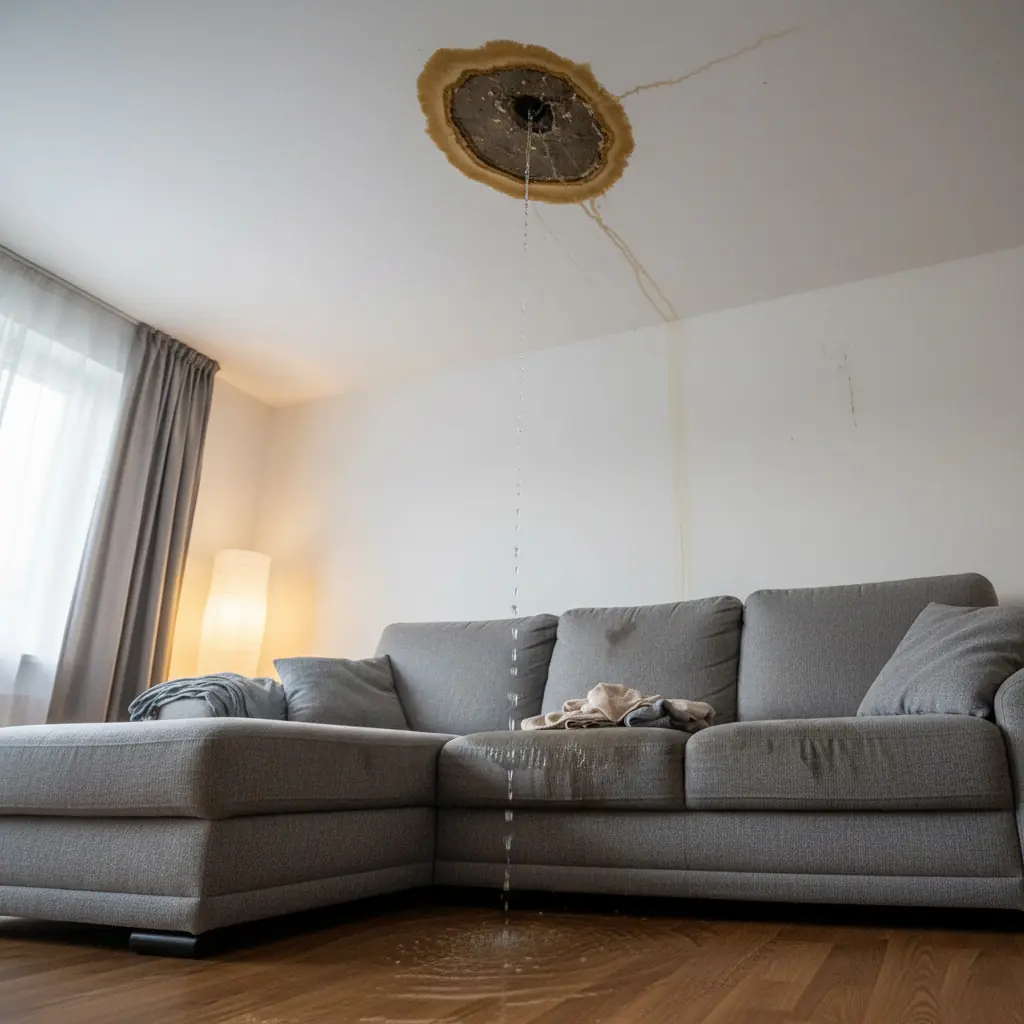
Locating the Hidden Culprit: Common Causes of Ceiling Leaks in Glendale
In Glendale, our dry heat often masks the true severity of a plumbing issue until it is too late. The sun beats down on your roof all year, causing shingles to crack and seals to fail, but the water often takes a winding path before it hits your drywall.
You might see a stain in the kitchen, but the source could be ten feet away or hidden inside a wall cavity. Moisture follows the path of least resistance, traveling along rafters and pipes before pooling on the back of your ceiling panels.
Typical Suspects Behind Your Ceiling Stain
- Damaged Roof Flashing: If the metal strips around your chimney or vents have pulled away, rain water will slip right under the shingles.
- Leaking HVAC Units: Many Glendale homes have air conditioning units located in the attic. If the condensation line clogs, it will overflow and soak your ceiling insulation immediately.
- Failed Pipe Joints: Copper pipes can develop pinhole leaks over time. These tiny drips are quiet killers that saturate your building materials long before you notice a stain.
- Bathroom Overflows: A leaky wax ring on your toilet or a poorly sealed shower pan will allow water to seep through the floorboards and drip directly onto the ceiling below.
If you see a sagging spot, do not wait to investigate. You should climb into the attic with a high-powered flashlight to track the water trail back to its origin. Look for dark, wet insulation or rusted nail heads that indicate long term exposure to moisture.
Immediate Containment Steps: How to Prevent Further Property Damage
When you spot that ominous water stain in your Glendale home, every second counts. Your primary mission is to stop the flow and protect your furniture before the ceiling gives way under the weight of trapped water.
Grab a bucket or a large plastic container and place it directly under the drip. If you notice a visible bulge in the drywall, do not wait for it to burst on its own.
Take a sharp tool or a screwdriver and carefully poke a small hole in the center of the lowest point of the bulge. This releases the pressure and directs the water into your bucket, which prevents the surrounding ceiling material from collapsing or sagging further.
Once you have managed the immediate flow, follow these critical steps to secure the area:
- Turn off the main water supply to your home if you suspect a burst pipe.
- Clear out your furniture, electronics, and rugs from the room to avoid permanent stains or electrical damage.
- Use a tarp or plastic sheeting to cover flooring that cannot be moved.
- Avoid using any light fixtures or outlets near the affected area, as water and electricity are a lethal combination.
Ventilation is your next best friend. If the humidity in the room feels heavy, open nearby windows to encourage airflow, provided it is not raining outside.
A simple box fan or a dehumidifier can help pull moisture out of the air, slowing the growth of mold. Just remember that these are temporary patches designed to minimize damage while you wait for a professional assessment. Do not assume that once the surface feels dry, the problem has vanished into thin air.
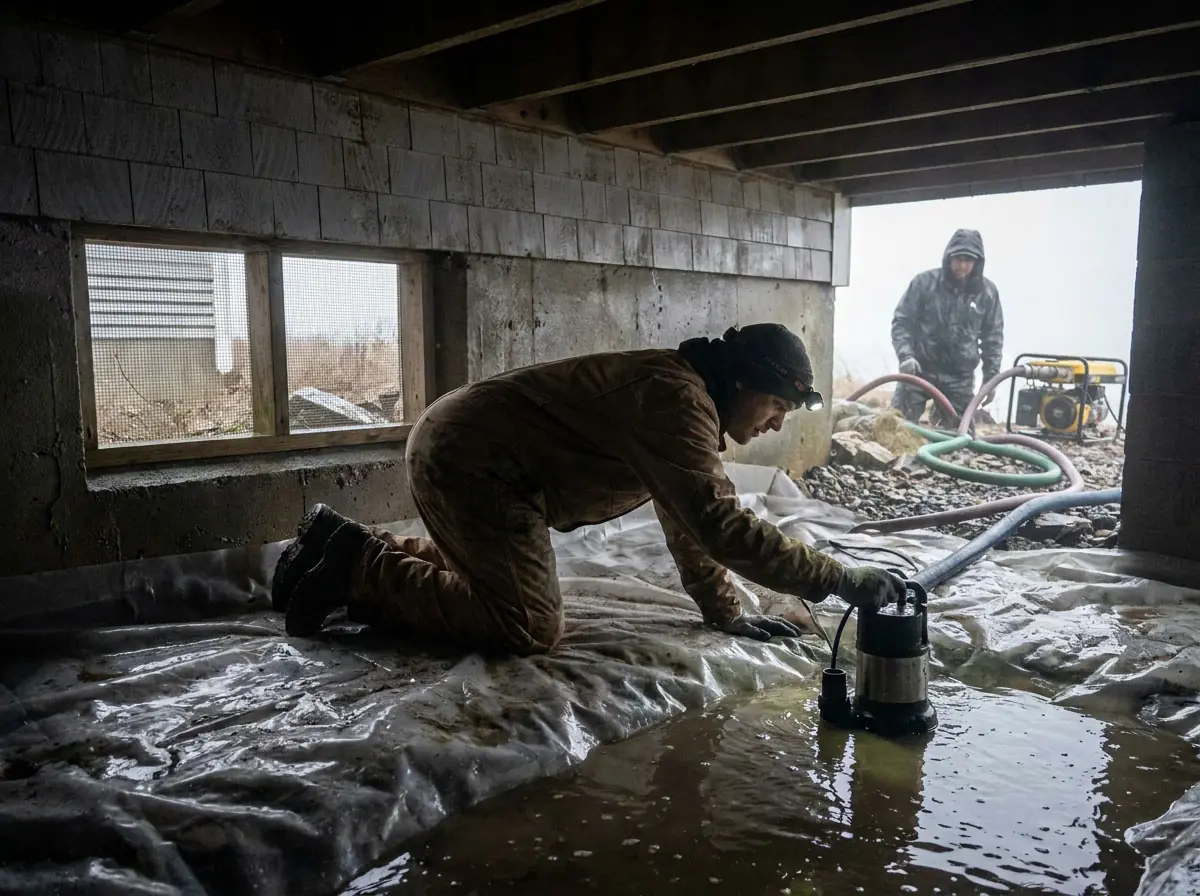
The Hidden Cost of Moisture: Why Neglected Leaks Lead to Structural Rot
Most homeowners assume a ceiling spot is just a cosmetic headache. In reality, it is a silent financial drain that attacks the skeletal structure of your house.
Once moisture penetrates your drywall or plaster, it travels deep into the wood framing, insulation, and electrical systems. Wet wood is a magnet for wood destroying fungi, which will turn solid joists into spongy, hazardous debris in a matter of weeks.
Think of it like a cancer for your property; ignoring the symptoms does not make them go away. Instead, it allows the damage to multiply and spread to adjacent rooms, significantly increasing your final repair bill.
The Progression of Neglect
When you leave water damage untreated, you are essentially paying for the repair twice. You pay once to fix the plumbing or roof leak, and then you pay a massive premium to replace rotten structural components.
Consider these critical consequences of delaying your response:
- Compromised Framing: Support beams lose their strength as they absorb water, which can lead to sagging ceilings or total collapses.
- Electrical Hazards: Water sitting near light fixtures or internal wiring creates a genuine fire risk inside your walls.
- Insulation Decay: Wet fiberglass or blown in insulation loses its thermal efficiency and becomes a heavy, soggy sponge that accelerates rot in the ceiling cavity.
Your goal should be to stop the moisture before it creates a permanent footprint. If the wood remains damp for more than 48 hours, you have likely invited mold to settle in, which requires expensive professional remediation rather than simple drying.
Professional Restoration vs. DIY: A Cost and Effectiveness Comparison Table
When you spot that growing brown stain, your first instinct might be to grab a bucket and some spackle. But treating a ceiling leak like a simple cosmetic blemish is a dangerous game. DIY fixes often mask the symptom while the real problem—active moisture intrusion—continues to eat away at your home’s bones behind the scenes.
| Feature | DIY Repair | Professional Restoration |
|---|---|---|
| Leak Detection | Guesswork | Thermal Imaging |
| Mold Prevention | Surface Cleaning | HEPA Air Scrubbing |
| Material Cost | Low (Short-term) | High (Long-term value) |
| Structural Safety | Risk of Collapse | Certified Inspections |
| Insurance Claims | Often Denied | Documentation Support |
Professional restoration teams bring more than just tools to your Glendale property. They use moisture mapping technology to find the exact point of entry, ensuring that you do not waste money repairing the ceiling while water still drips inside your walls. A pro understands how to dry out the structural cavities before closing them up; this is the only way to kill mold at the source.
Why Professionals Win Every Time
Handling water damage is rarely about the visible wet spot. It is about the hidden saturation that turns your home into a petri dish for mold spores. If you attempt a DIY job, you might miss the following critical steps:
- Identifying hidden electrical shorts caused by overhead moisture.
- Drying the internal insulation that retains water like a sponge.
- Verifying that the structural joists are not already rotting or warped.
- Providing professional documentation that your insurance company will actually respect.
You can buy a tub of joint compound at any local hardware store, but you cannot buy the peace of mind that comes from a certified expert. Investing in professional restoration stops the rot in its tracks and prevents a minor leak from becoming a massive structural claim. You want this nightmare to end permanently, not just look decent for a few weeks until the next storm hits.
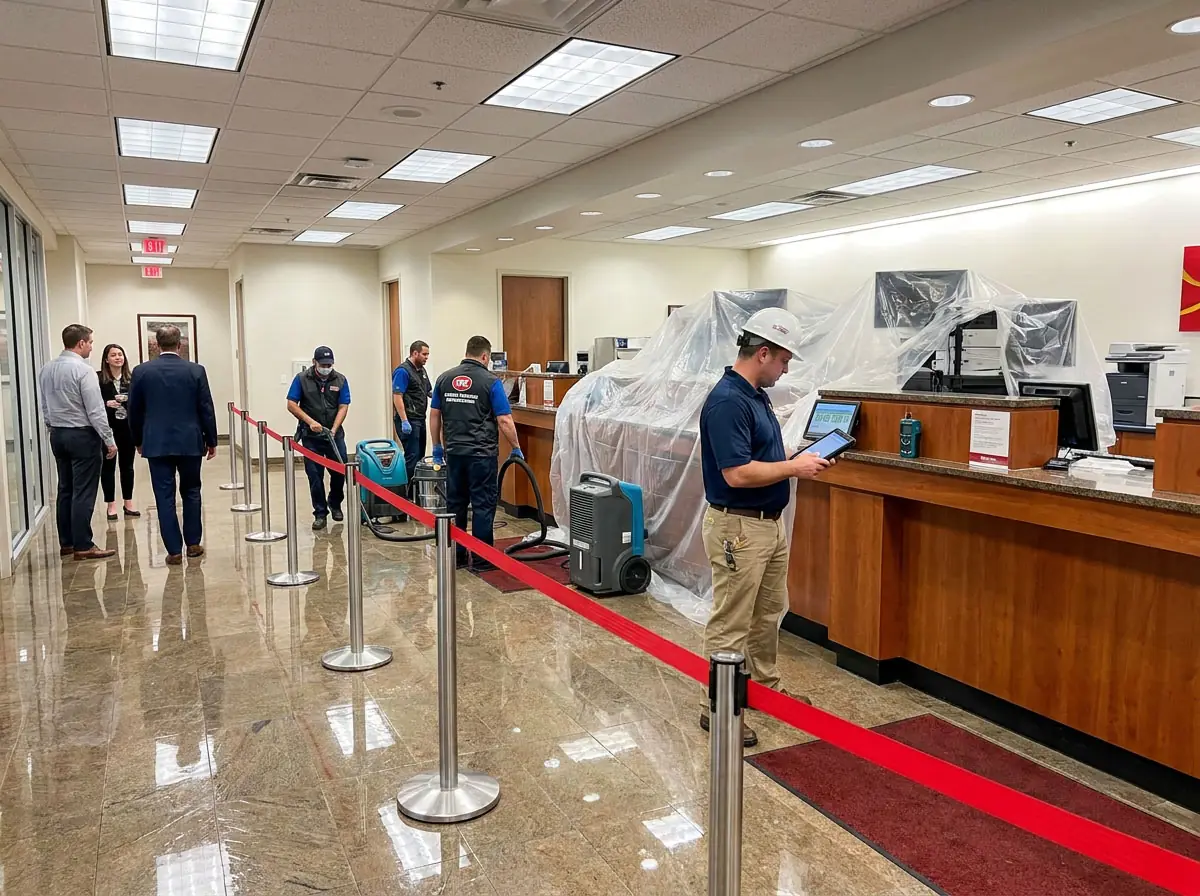
Rescuing the Living Room: A Glendale Ceiling Repair Case Study
Last month, we received an urgent call from a homeowner in the Arrowhead area of Glendale. Their living room ceiling was sagging dangerously, with a massive water stain radiating outward from the center of the crown molding.
Upon arrival, we discovered that a slow-drip pipe leak in the upstairs bathroom had been silently saturating the drywall for weeks. The owner thought the stain was just a cosmetic issue, but the hidden cavity was already a breeding ground for toxic mold.
We immediately implemented a multi-stage rescue plan to save the room from total collapse:
- Containment: We created a negative air pressure zone to trap airborne spores.
- Extraction: Specialized vacuums pulled gallons of moisture from the insulation.
- Structural Assessment: We checked the ceiling joists for softening to ensure the room was safe to enter.
- Sanitization: We applied industrial-grade antimicrobial agents to stop the rot at a molecular level.
By catching the issue before the drywall actually failed, we saved the homeowner thousands in reconstruction costs. Instead of a complete ceiling tear-out, we performed a targeted drying procedure that allowed us to salvage the existing structure and restore the aesthetic integrity of their living space.
Mold Remediation and Air Quality: Ensuring Your Home Remains Breathable
When water saturates your ceiling, the drywall becomes a petri dish for mold colonies. These spores can germinate in as little as twenty-four to forty-eight hours after exposure to moisture. Once they take root, they release microscopic spores into your home's air supply, which triggers respiratory issues, persistent allergies, and chronic headaches for your family.
You cannot simply paint over a water stain and hope for the best. Hidden mold growth behind the surface will continue to thrive and compromise the very air you breathe. Our local Glendale climate adds another layer of risk, as trapped humidity behind ceiling panels creates a perfect environment for toxic growth to spiral out of control.
Protecting Your Indoor Air Quality
To keep your home safe, professional remediation is not optional; it is a health necessity. We use specialized equipment to identify moisture pockets that your eyes cannot see. Here is how we ensure your living space returns to a clean, breathable state:
- HEPA Filtration: We scrub the air to capture invisible mold spores that circulate through your HVAC system.
- Antimicrobial Treatment: We apply industry-grade solutions to stop active colonies from spreading further into the structure.
- Dehumidification: Our team extracts moisture from the building materials to prevent future outbreaks before they begin.
Ignoring these signs puts your household at risk of long-term health complications. Relying on store-bought sprays or household cleaners will not reach the deep-seated root systems of mold growth within your ceiling joists. When you choose professional restoration, you are investing in the continued safety and comfort of your residence.
Final Words
Water damage doesn't care about your schedule or your budget. The moment you see that telltale stain, the clock starts ticking on your home equity.
You can choose to tackle the repair yourself with a bucket and some paint, but that usually just hides the symptoms while the structural rot continues to eat away at your ceiling joists. If you want a permanent fix, our team at Ceiling Water Damage Repair specializes in hunting down those hidden sources before they become catastrophes.
Here is what you need to keep in mind moving forward:
- Don't wait: Mold colonies start growing within 24 to 48 hours of initial moisture exposure.
- Safety first: Keep your family away from the area if the ceiling looks saggy or bloated.
- Get an expert: We use thermal imaging and moisture meters to find leaks that are invisible to the naked eye.
Take control of your home today. Ignoring a wet ceiling is a gamble you are destined to lose, so call us now to secure your property before the damage spreads further.
People Also Ask
How much does ceiling water damage repair cost in Glendale?
The cost varies based on the size of the area and the extent of hidden structural damage. Most homeowners pay for professional services that include detection, drying, and restoration to prevent long term property devaluation.Will my homeowners insurance cover ceiling leaks?
Coverage depends on whether the leak was caused by a sudden, accidental event or long term neglect. You should review your policy details and consult with the federal government guidelines regarding property maintenance and claim eligibility.How do I know if I have mold behind my ceiling?
Signs of mold include visible discoloration, a musty odor, or bubbling paint on the ceiling surface. If you suspect mold growth, you need professional testing to ensure the safety and air quality of your indoor environment.Can I fix ceiling water damage myself?
While minor surface stains might be covered with a fresh coat of paint, DIY repairs often fail to address the underlying moisture trapped in your rafters. Professionals are required to ensure the area is completely dried out to avoid future rot and structural instability.What is the first step when a ceiling starts leaking?
First, place a bucket under the leak to catch dripping water and clear the area of furniture to prevent secondary damage. You should then contact a local restoration expert immediately to stop the source of the water and begin the drying process.Need Water Damage Restoration Services?
We provide rapid water damage restoration and structural drying services in Glendale and the surrounding communities to restore your property quickly. Our team minimizes damage and restores your space to its pre-loss condition (85301, 85302, 85303, 85304, 85308).
Request Custom Estimate