


⚡ TL;DR: This guide provides essential information on effective mold remediation in Glendale, helping homeowners identify hidden moisture sources and select qualified professionals to ensure a safe and healthy environment.
📋 What You’ll Learn
Navigating mold issues in Glendale requires local knowledge of our unique climate. This guide provides the expert insights you need to choose the right remediation path and protect your home investment.
- Identify how desert conditions impact mold by understanding why our specific regional humidity levels and cooling systems create the perfect environment for hidden fungal growth behind your walls.
- Compare professional services against common DIY myths to discover why simple store bought sprays often fail to address the root cause and may lead to recurring health hazards.
- Spot dishonest tactics from unscrupulous restoration companies so you can protect your wallet from unnecessary services while ensuring your property receives the high quality care it truly deserves.
- Learn the critical steps for moisture control which ensure that once your mold is removed, the environment is properly stabilized to prevent any future outbreaks from ever returning.
📖 Reading time: 7 min
✍️ Author expertise: Glendale water damage specialist with decades of field experience remediating local Arizona properties.
You wake up to a faint, earthy smell in the spare bedroom and see those telltale dark spots spreading across your drywall like a virus. Your heart sinks because you know exactly what that means for your health, your air quality, and your bank account.
Most Glendale homeowners rush to call the first company they find on Google, but that desperate move often leads to massive overspending and shoddy work that lets the spores return months later. You are being lied to by restoration services that want to keep you in the dark about how the industry really works.
Before you let a stranger tear apart your walls or charge you thousands for ineffective sprays, you need to know the raw facts that most contractors won't tell you. Here is the blunt reality of mold remediation in the valley and what you must demand before a single piece of equipment enters your home.

The Glendale Climate Connection: Why Our Desert Heat Fuels Indoor Mold
You probably think mold is a problem reserved for humid coastal cities or rainy climates. In reality, the dry heat of Glendale creates its own set of dangers that trap moisture inside your home.
When our outside temperatures soar, your HVAC system works overtime to keep things cool. This temperature gap between the scorching desert air and your chilled interior causes condensation to build up in places you cannot see.
This trapped moisture settles in dark, stagnant areas, turning your home into a breeding ground. Once these spores find a foothold, the climate works against you in specific ways:
- Cold air hitting hot surfaces inside walls creates constant, invisible condensation.
- Leaky window seals allow humid air to collide with air conditioned surfaces, forming dew.
- Poor attic ventilation traps heat, which encourages organic material to decompose and sprout growth.
Think of your home as a closed ecosystem. If the moisture has nowhere to escape, the mold will simply continue to colonize your drywall and insulation regardless of how dry it is outside.
Many homeowners ignore the first signs because they assume the desert sun will dry everything out eventually. That is a costly mistake. The mold is not reacting to the weather outside; it is feeding on the artificial microclimate you have created to stay comfortable.
Professional Remediation vs. DIY Spraying: A Comparison Table for Informed Decision Making
Walking into a hardware store and grabbing a bottle of mold killer is tempting when you want to save a few bucks. However, spraying a colony is like putting a band-aid on a broken leg. You might kill the surface spores, but you leave the root system embedded deep within the porous materials of your Glendale home.
| Feature | DIY Spraying | Professional Remediation |
|---|---|---|
| Root Removal | Surface level only | Full structural extraction |
| Containment | None | Negative air pressure |
| Health Safety | High exposure risk | HEPA filtered environment |
| Long Term Result | Likely return | Certified clearance |
| Cost | Low initial / High repeat | High initial / One time |
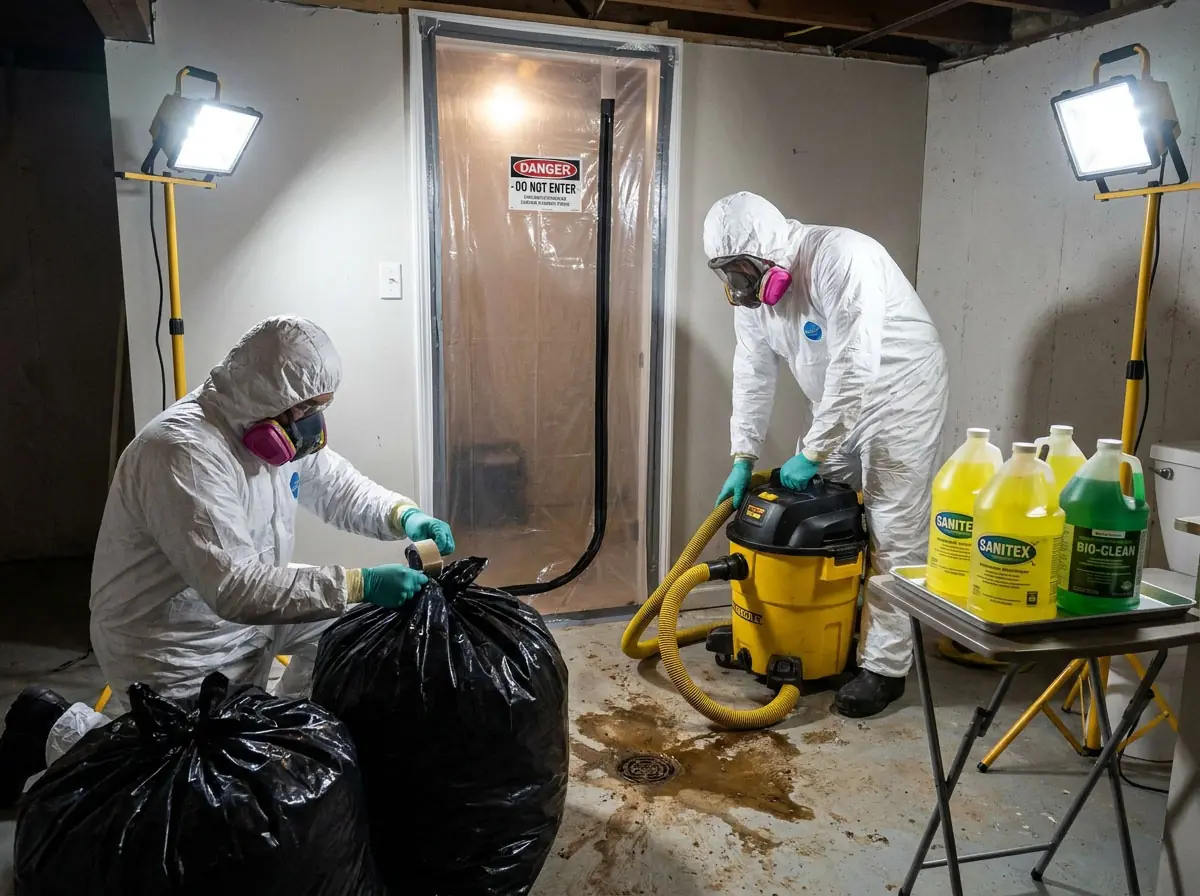
Professional remediation is not about spraying chemicals; it is about containment and extraction. In our dry valley climate, mold often hides in wall cavities where simple sprays cannot reach. If you do not stop the spread with physical barriers and industrial-grade air scrubbers, you are just feeding the mold more moisture and helping it colonize your HVAC system.
The Real Costs of Cutting Corners
When you hire a pro, you are paying for the insurance of a healthy home. Professionals use specialized equipment that captures microscopic spores before they circulate into your bedrooms. If you try the DIY route, you risk:
- Spreading toxic spores to unaffected rooms.
- Creating a false sense of security while mold eats your drywall.
- Failing to identify the water source, meaning the mold will inevitably return.
Do not be fooled by marketing gimmicks that promise a "magic spray" solution. Real remediation requires physical removal of affected materials, rigorous cleaning of the remaining structure, and strict humidity control. Anything less is a waste of your hard-earned money.
Behind the Mask: Identifying Unscrupulous Restoration Tactics
The restoration industry has a dirty secret. Many companies operate like carpetbaggers, showing up with high-pressure sales tactics to scare you into signing a massive contract before you even know the extent of your problem.
They rely on your fear and confusion to push unnecessary services. If a contractor tells you that you need an immediate full-home air duct cleaning or expensive chemical fogging without first identifying the moisture source, run the other way.
Watch out for these common warning signs of an unscrupulous operator:
- They refuse to provide a detailed, itemized estimate before starting work.
- The sales representative pressures you to sign an Assignment of Benefits form, which hands over your insurance claims rights to them.
- They claim to be able to identify mold species just by looking at it without lab testing.
- They promise to eliminate mold forever with a single magic spray.
Real professionals prioritize transparency over quick commissions. A legitimate specialist will walk you through the science of your specific infestation and provide clear, documented evidence for every dollar they ask you to spend.
If you feel pushed or rushed, pause immediately. A mold colony does not usually require a panic-driven decision, and taking an extra hour to get a second opinion can save you thousands of dollars and endless future headaches.
From Infestation to Clearance: A Recent Glendale Residential Success Story
Last month, we stepped into a classic Glendale home near the Westgate district. The owners were living in a nightmare; they had been cleaning the same patch of mold for three months, only to see it bloom back every time the monsoon humidity spiked.
They were convinced it was a simple surface issue, but our thermal imaging told a different story. Hidden moisture was traveling through the wall cavity from a slow-leaking pipe behind their master bathroom vanity.
We didn't just scrub the walls. We followed a proven process to stop the cycle for good:
- Containment: We sealed off the affected area to prevent cross-contamination of the home air supply.
- Extraction: We removed the damaged, porous materials that were feeding the fungal growth.
- HEPA Filtration: Our crew scrubbed the air to capture spores that had become airborne during the demo.
- Verification: We performed post-remediation testing to ensure the spore count was back to baseline levels before moving out.
The homeowners were shocked when they saw the final clearance report. Because we took the time to find the actual entry point of the water rather than just masking the symptoms, their bedroom has remained bone dry and mold free throughout the recent heat cycles. It serves as a reminder that the right tools in the right hands solve problems that amateur methods only hide.

The Vital Step Most Contractors Skip: Addressing the Hidden Moisture Source
Most mold remediation companies are glorified janitors. They show up, kill the mold with a heavy chemical fog, wipe down the walls, and leave with your check before the spores even settle.
That is a recipe for disaster. If you do not hunt down the original water source, the mold will be back within a few weeks, laughing at the money you wasted.
In our dry Glendale heat, moisture rarely just appears out of thin air. It is usually hiding in the places you never look:
- Leaking pipe joints behind bathroom vanity cabinets.
- Improperly sealed HVAC condensation lines dripping into your attic insulation.
- Slow roof leaks that only manifest after our summer monsoon storms.
- Cracked seals around window frames letting in high humidity from the exterior.
If your contractor does not perform a thermal imaging scan or use a high-end moisture meter, they are skipping the most important step. You need a professional who tracks the water trail until they find the root of the problem, rather than someone who just hides the symptoms.
Do not settle for a coat of paint over a wet wall. Demand that your remediation team provides a moisture mapping report before they start any demolition. If they cannot explain exactly why the mold grew in that specific spot, you are hiring the wrong team.
Safeguarding Your Property: Essential Standards for Post-Remediation Verification
Most contractors will shake your hand, hand you a bill, and leave before the dust even settles. That is a dangerous mistake. You should never assume your home is safe just because the visible mold is gone.
Before you sign off on any work, you must demand post-remediation verification (PRV). This is a third party inspection that proves the job was actually done right, rather than just painted over.
If a contractor refuses to let an independent expert test the air quality after they finish, show them the door. A reputable pro has nothing to hide.
The Checklist for Your Clearance Test
You need to ensure the following protocols are met before the containment barriers come down:
- Visual Inspection: A walk-through to ensure no dust, debris, or moisture remains in the affected area.
- Moisture Mapping: Using thermal imaging or moisture meters to confirm the wood and drywall are completely dry.
- Air Sampling: Sending spore counts to a certified laboratory to confirm they are at or below outdoor background levels.
- Tape Lifts: Swabbing surfaces to confirm the absence of fungal growth under microscopes.
Do not be fooled by the visual test alone. Mold spores are microscopic, and they are masters of hide-and-seek. Data is the only way to prove you are safe. If the laboratory report shows elevated spore counts, the work is not done, and the remediation team needs to return to finish the job at no extra cost to you.
Final Words
Mold is not just an aesthetic blemish on your walls. It is a biological threat that thrives when contractors take shortcuts with your health.
If you have identified growth in your home, do not wait for the colony to expand. True Mold Remediation requires a clinical approach, not a quick fix with bleach or store-bought sprays.
Before you sign a contract, remember these non-negotiable rules:
- Demand a moisture map of your property.
- Ensure the company utilizes containment barriers before disturbing any drywall.
- Insist on third-party air quality testing to prove the job is actually done.
Your home is likely your largest investment. Do not hand it over to a technician who cannot explain the difference between a mold stain and an active fungal colony.
If they refuse to show you the science behind their plan, show them the door. You deserve a dry, safe, and healthy environment, and that only comes from contractors who respect the cold, hard facts of building science.
People Also Ask
Does home insurance cover mold remediation in Glendale?
Most standard homeowners insurance policies only cover mold damage if it results from a sudden or accidental water event, such as a burst pipe. You should check your specific policy details, as damage caused by long term neglect or unaddressed leaks is typically excluded from coverage.How do I know if I have a mold problem in my home?
Common signs of an infestation include a persistent musty odor, visible patches of discoloration on walls or ceilings, and unexplained allergy symptoms among residents. If you notice these indicators, it is important to contact a professional to conduct a moisture assessment.What is the difference between mold removal and remediation?
Removal implies getting rid of all mold, which is impossible because mold spores are naturally present in every environment. Remediation focuses on cleaning the affected area and controlling moisture levels to return your property to a healthy state by limiting spore growth.Is it safe to stay in my house during mold remediation?
Whether you need to vacate depends on the severity of the infestation and the specific areas being treated. A professional team will establish containment barriers to prevent cross contamination, allowing you to stay in the home if the affected zones are properly isolated.How long does the mold remediation process usually take?
The timeline varies based on the size of the affected area and the extent of the water damage. A typical residential project in Glendale usually takes between three to seven days, including the time required for structural drying and final air quality testing.Need Water Damage Restoration Services?
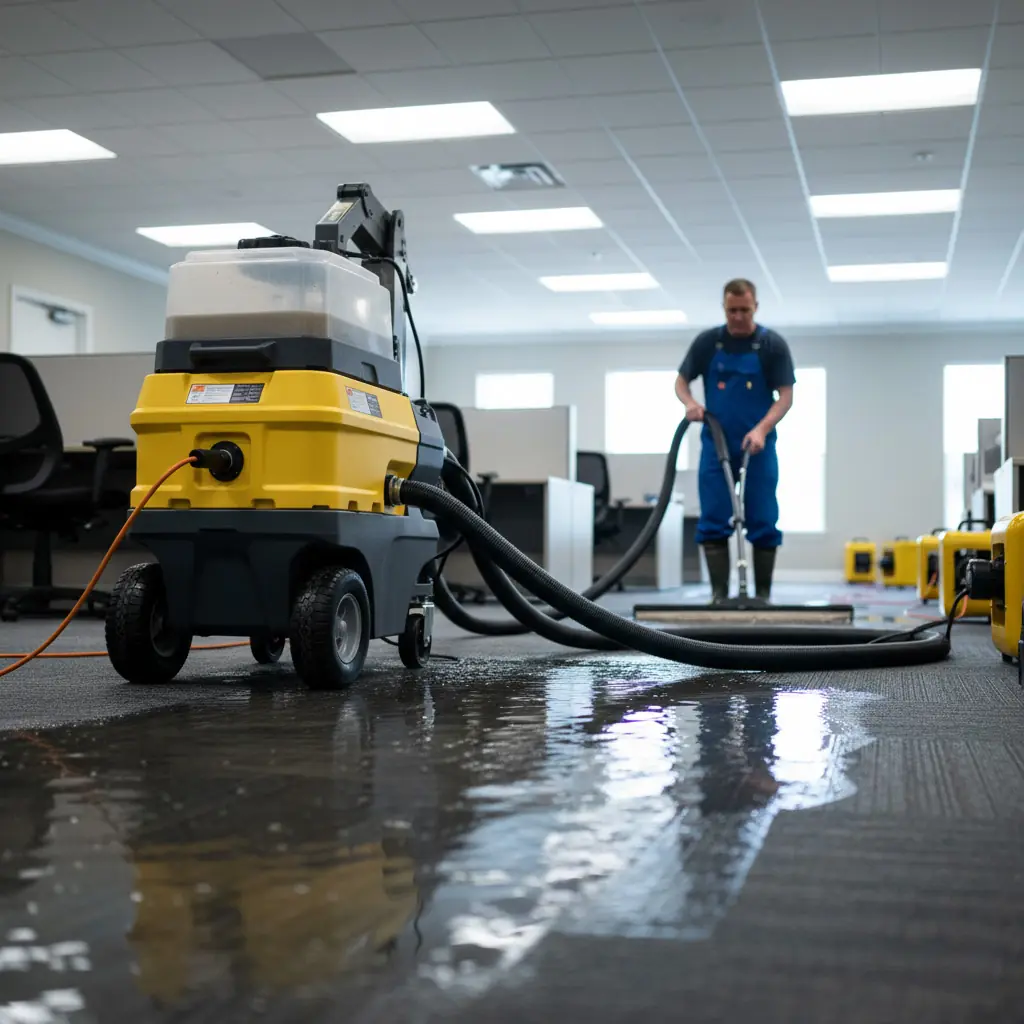
We provide rapid water damage restoration and structural drying services in Glendale and the surrounding communities to restore your property quickly. Our team minimizes damage and restores your space to its pre-loss condition (85301, 85302, 85303, 85304, 85308).
Request Custom Estimate