


⚡ TL;DR: This guide provides Glendale residents with essential steps for managing burst pipe cleanup, navigating insurance claims, and preventing future water damage to protect their homes from climate risks.
📋 What You’ll Learn
Handling a burst pipe in Glendale requires swift action to protect your home. This guide explains how to mitigate water damage, manage insurance claims, and prevent future structural decay effectively.
- Execute immediate mitigation steps to minimize structural damage while waiting for professional help, ensuring your home remains as dry as possible during the critical first few hours.
- Analyze Glendale climate impacts on your plumbing system to understand why high temperatures and desert soil conditions accelerate pipe decay and lead to sudden, expensive water failures.
- Navigate complex insurance claims using our detailed breakdown of costs and timelines, which helps homeowners secure proper coverage and avoid common pitfalls during the restoration process.
- Compare DIY versus professional drying to see why surface moisture is only the beginning of the problem and how industrial techniques prevent long-term mold growth and rot.
📖 Reading time: 8 min
✍️ Author expertise: Glendale water damage specialist with twenty years of hands-on property restoration field experience.
You wake up to the sound of rushing water, only to realize your hallway has transformed into an indoor swimming pool. That sickening sinking feeling in your gut isn't just panic, it is the reality of a burst pipe draining your bank account by the second.
Most Glendale homeowners freeze when the pipes let go, watching helplessly as their drywall soaks up moisture like a sponge. But the people who actually save their homes—and their insurance premiums—know exactly how to cut their losses before the rot sets in.
If you want to keep your property from becoming a total loss, here is the playbook smart locals use the moment disaster strikes.

Immediate Steps to Mitigate Water Damage Before Professional Help Arrives
The first rule of a plumbing disaster is simple: stop the flow. Locate your main water shutoff valve immediately, which is usually found near the street, inside your garage, or tucked away in a utility closet.
Turning that handle clockwise is the single most effective way to save your flooring and baseboards. If the water has reached your electrical outlets or breaker box, do not step into the puddle until you have cut the power to the affected area.
Once the water is off, your primary mission is to minimize the damage to your belongings. Use these steps to protect your equity:
- Move furniture, rugs, and personal items to a dry room or elevated area.
- Punch a small hole in any sagging drywall ceilings to drain trapped water before they collapse.
- Place aluminum foil squares under the legs of heavy wooden furniture to prevent stain transfer and wood rot.
- Use a wet vac or towels to soak up standing water from hard surfaces like tile and linoleum.
Resist the urge to just set up a few box fans and call it a day. While surface drying feels productive, it leaves deep moisture trapped inside your walls and subfloors where mold begins to thrive within 24 to 48 hours. Document everything with your smartphone camera before you start moving items; those photos will be your best friend when it comes time to talk to your insurance adjuster.
Why Glendale’s Unique Climate Accelerates Burst Pipe Structural Decay
Most folks assume desert heat only matters when it is one hundred degrees outside. In reality, the extreme temperature swings between our blistering days and cool desert nights put massive stress on your plumbing lines.
This thermal expansion and contraction causes pipes to shift and rub against structural wood or concrete. Over time, that friction turns a tiny hairline fracture into a catastrophic break that floods your living room without warning.
The Glendale environment does not just break the pipe; it creates the perfect conditions for a secondary disaster. Once that water hits your walls, our trapped humidity and high ambient temperatures act like an incubator for hidden biological growth.
The Danger of Desert Moisture
You might think our dry air will simply evaporate the water for you. That is a dangerous myth.
- Material Saturation: Drywall and baseboards act like high-performance sponges.
- Rapid Humidity Spikes: Moisture trapped behind cabinetry creates a localized sauna.
- Microbial Growth: Mold colonies begin to thrive in the dark within 24 to 48 hours.
Because the air feels dry, you might be tempted to ignore damp spots. However, the wood inside your home’s skeletal structure begins to swell and warp the moment the water touches it. If you wait for the air to dry things out, you are essentially giving structural rot a head start on destroying your property investment.
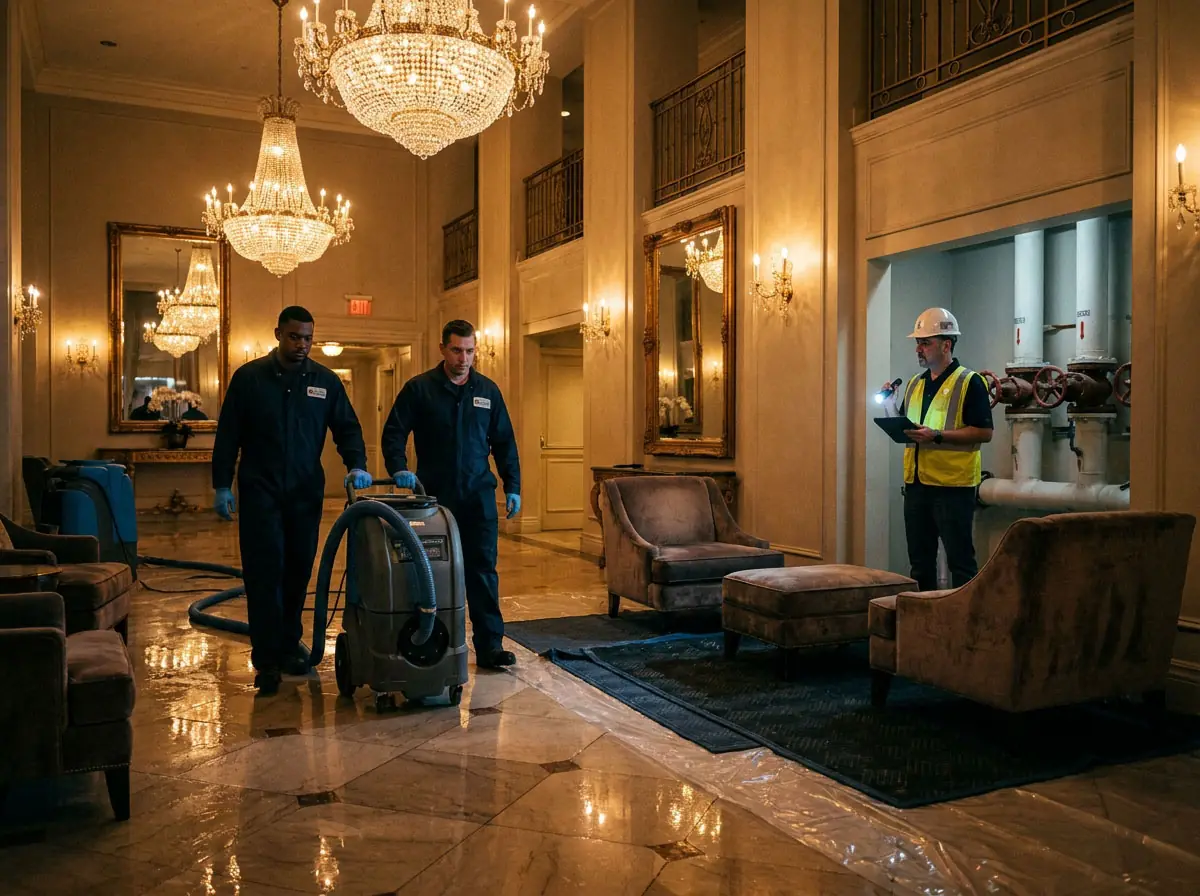
The Essential Table: A Step-by-Step Breakdown of Costs and Insurance Claim Timelines
When water floods your Glendale home, every hour counts toward your bottom line. You need to know what you are paying for and how long the insurance dance takes to wrap up.
| Action Phase | Estimated Cost Range | Typical Timeline |
|---|---|---|
| Emergency Water Extraction | $500 to $1,500 | 1 to 3 hours |
| Industrial Dehumidification | $1,000 to $3,000 | 3 to 5 days |
| Mold Remediation | $2,000 to $5,000 | 4 to 7 days |
| Insurance Adjuster Review | N/A | 7 to 14 days |
| Full Property Restoration | $5,000+ | 2 to 6 weeks |
Understand that your out-of-pocket expenses often include your deductible and any emergency service fees not covered by your policy. Most standard homeowners policies in Arizona cover burst pipes, but they strictly require proof of immediate action to stop further damage.
The timeline above assumes you hire professionals immediately. If you wait, costs balloon because secondary damage like mold and warped floorboards requires much more intensive labor. Get your receipts organized early, as your adjuster will demand a clear paper trail to approve the payout.
Key Factors That Influence Your Bill
- The total square footage affected by the standing water.
- The type of flooring involved, such as expensive hardwood versus tile.
- Whether your home requires specialized moisture mapping.
- The location of the pipe, especially if it sits inside a concrete slab.
How a Hidden Slab Leak in Arrowhead Ranch Was Saved from Total Loss
Down in Arrowhead Ranch, we recently encountered a homeowner who noticed a slight spike in their water bill, followed by a faint, musty odor emanating from the carpet. They didn't see standing water, so they assumed it was a simple plumbing glitch. By the time they called us, the concrete slab had acted like a giant wick, pulling moisture deep into the wall cavities and causing structural rot behind the baseboards.
Because they acted fast once they spotted the signs, we were able to save the framing from permanent damage. We used thermal imaging to map the exact path of the moisture, avoiding the need for destructive, wall-to-wall demolition. This surgical approach saved them thousands in reconstruction costs and prevented a total loss of the flooring.
Warning Signs of Slab Leaks
- Unexpected damp spots on concrete or flooring.
- The sound of water running when all faucets are closed.
- A sudden, unexplained increase in your monthly water utility bill.
- Cracks forming in the floor tiles or foundation.
- Constant warm spots on the floor, suggesting a leak in a hot water line.
Ignoring these signs is the fastest way to invite toxic mold growth into your home. A hidden leak isn't just about water; it is about the structural integrity of your foundation. If you suspect an issue, don't wait for the water to surface. Precision detection tools can identify the source before the damage spreads to the drywall, cabinetry, and internal support beams.
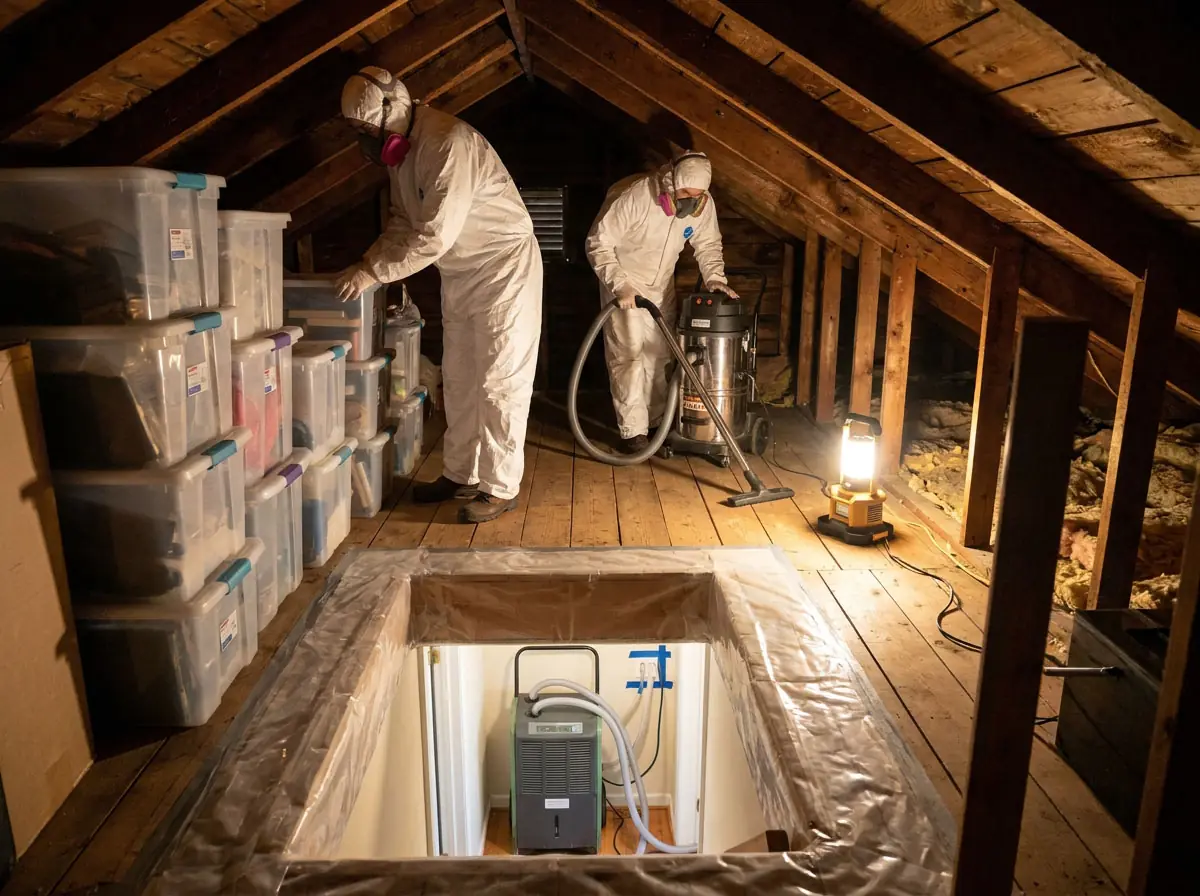
Professional Drying Techniques vs. DIY: Why Surface Moisture is Just the Beginning
You might think a shop vac and a few floor fans from the garage can handle a burst pipe. Let me be blunt: you are wrong. Surface moisture is merely the tip of the iceberg; the real damage is hiding inside your walls, under your flooring, and behind your baseboards.
Professional restoration involves industrial-grade equipment that pulls humidity directly out of building materials. If you leave water behind, you are inviting black mold to take up permanent residence in your home within forty-eight hours.
The Hidden Dangers of DIY Drying
- Household fans actually push moisture deeper into drywall pores.
- Standard vacuums lack the power to extract water from carpet padding.
- Surface drying traps vapor, causing wood rot and structural weakness.
- Professional moisture meters find leaks you cannot see with the naked eye.
When experts arrive, they deploy specialized dehumidifiers and air movers arranged in specific patterns to create a closed drying system. This process draws water out of hidden cavities while sanitizing the area to prevent microbial growth. Speed is your best friend here, and DIY methods are simply too slow to stop the decay process before it goes permanent.
Navigating the Insurance Claims Process for Glendale Homeowners
Filing a claim is where most homeowners lose their shirts. Insurance adjusters are paid to minimize payouts, not to protect your bank account; therefore, you must treat your water damage case like a high stakes legal battle.
Start by documenting every single square inch of the damage before you throw away a single piece of wet drywall. Use your smartphone to capture high resolution photos and videos of the standing water, the source of the leak, and the damaged belongings.
Critical Documentation Checklist
- Take wide shots of the room to show the scope of the flooding.
- Capture close up photos of water lines on the baseboards and walls.
- Create a detailed inventory list of all personal property affected.
- Keep a log of every conversation with your insurance agent, including dates and names.
Do not wait for the adjuster to arrive to begin the mitigation process. Your policy likely requires you to take immediate action to prevent further destruction, so hire a licensed restoration professional right away. If you wait, the insurance company may argue that the secondary damage, like mold growth, is your fault for failing to act.
Most importantly, submit your claim as quickly as humanly possible. Never sign a release of claims until you are certain that the restoration company has found all the hidden moisture behind your cabinets and underneath your flooring.
Ensuring Long-Term Prevention for Your Property
Stopping a flood today is only half the battle. If you ignore the root cause, you are just waiting for the next catastrophe to strike your home.
The most successful Glendale property owners treat their plumbing like a ticking clock rather than a permanent fixture. When you prioritize routine maintenance, you trade a small service fee for the peace of mind that your living room won't become a swamp again.
Proactive Steps for Every Homeowner
You can identify risks before they turn into expensive Burst Pipe Cleanup nightmares. Start by incorporating these habits into your annual home checklist:
- Inspect your water heater for signs of corrosion or slow leaks around the base.
- Install a main water shut-off valve that is easily accessible to everyone in your household.
- Check your outdoor faucets for pressure buildup, especially if you have neglected them throughout the sweltering summer months.
- Monitor your monthly water bill for unexplained spikes that indicate a hidden leak behind your walls.
Don't wait for your neighbors to warn you about a wet floor. Consistency is the only thing standing between you and a massive property loss.
Keep your plumbing system in check by scheduling a professional inspection every two years. A trained eye can spot pipe fatigue or mineral buildup that you will likely miss until it is far too late to fix cheaply.
People Also Ask
Does homeowners insurance cover burst pipes in Glendale?
Most standard homeowners insurance policies cover sudden and accidental burst pipes, but coverage may vary if the damage resulted from long term neglect. It is essential to document all damage with photos and contact your provider immediately to begin the claim process.How long does it take for mold to grow after a pipe bursts?
Mold can begin to colonize damp surfaces within 24 to 48 hours of water exposure in a humid environment. Following the EPA guidelines, you must ensure that wet materials are thoroughly dried or removed to prevent hazardous microbial growth.What should I do first when a pipe bursts in my home?
The first priority is to shut off the main water supply to stop additional flooding and prevent further structural damage. After the water is off, safely disconnect electricity to the affected areas and call a professional restoration team.Why do pipes burst more frequently in older Glendale neighborhoods?
Aging plumbing systems, combined with mineral buildup from local water, can lead to corrosion and eventual pipe failure over time. These systemic issues often worsen due to the fluctuating temperatures and ground movement common in the Arizona region.Is DIY cleanup enough after a pipe bursts?
Surface drying is rarely sufficient because water often seeps into subflooring, wall cavities, and insulation where it remains trapped. Professional restoration companies use specialized moisture meters and industrial dehumidifiers to ensure your home is dried to industry standards and protected from hidden rot.Need Water Damage Restoration Services?
We provide rapid water damage restoration and structural drying services in Glendale and the surrounding communities to restore your property quickly. Our team minimizes damage and restores your space to its pre-loss condition (85301, 85302, 85303, 85304, 85308).
Request Custom Estimate