


⚡ TL;DR: This guide educates homeowners on identifying moisture issues in historic properties and explains why professional water damage restoration is essential for preserving the structural integrity of DC homes.
📋 What You’ll Learn
In this guide, we explore the specific challenges of managing water damage within Washington, DC’s historic rowhouses, providing homeowners with actionable strategies to identify, mitigate, and resolve moisture issues effectively today.
- Identify hidden moisture warning signs by learning to spot the subtle indicators of seepage and structural decay that often evade the untrained eye during regular home maintenance inspections.
- Analyze DC rowhouse structural vulnerabilities to understand how aging masonry, complex drainage systems, and unique foundation types contribute to water intrusion risks specific to our historic local neighborhoods.
- Prevent long term structural compromise by following professional mitigation strategies designed to stop moisture progression before it destroys your property value or creates dangerous interior mold growth.
- Implement professional restoration techniques as demonstrated in our Capitol Hill case study, ensuring your home remains resilient against the damp climate and persistent moisture issues found throughout DC.
📖 Reading time: 8 min
✍️ Author expertise: DC restoration specialist with fifteen years of experience mitigating water damage in rowhouses.
You wake up in your historic DC rowhouse, grab a coffee, and notice a faint, musty scent clinging to the air near your basement stairs. Most homeowners brush it off as typical humidity, but that subtle smell is actually a high-stakes alarm bell ringing inside your walls.
While you sleep, silent moisture is doing more than just staining your drywall. It is actively rotting your floor joists and creating a breeding ground for toxic mold that attacks your health before you even see a single drop of standing water.
The truth is that water damage in our city is rarely a sudden flood; it is a slow, aggressive parasite that eats away at your property value every day it goes ignored. If you want to stop this silent destruction before it bankrupts your home equity, here is exactly how to spot the early warning signs before they become a total disaster.

The Unique Vulnerabilities of DC’s Historic Architecture
Living in a DC rowhouse means owning a piece of history, but those charming 19th-century brick facades were never built to handle modern climate stresses. Most of these structures rely on lime mortar and porous masonry, materials designed to breathe rather than seal out moisture.
When the heavy mid-Atlantic rains hit, these aging materials act like a sponge. They absorb groundwater and trap it against your foundation, setting the stage for expensive structural decay that hidden moisture loves to exploit.
Why DC Homes Are Built to Fail
- Brick walls lack the modern vapor barriers found in contemporary construction.
- Old drainage systems around DC foundations are often clogged with decades of silt and debris.
- Settling foundations create micro-cracks that allow capillary action to pull water upward into your living space.
Think of your rowhouse as a biological system that is currently under attack. Because the original builders did not anticipate today’s intense rainfall cycles, your home is literally absorbing the city every time the sky opens up.
Without a proactive defense, that moisture will eventually migrate from the exterior brickwork into your interior joists. Once it reaches the structural wood, the clock starts ticking on a repair bill that could easily reach into the five figures.
Common Sources of Moisture Intrusion in Rowhouse Foundations
Most DC rowhouses rely on aged brick and mortar foundations that were never designed to withstand modern moisture levels. Over decades, the soil surrounding these properties shifts, causing hairline cracks that serve as direct pipelines for groundwater to enter your basement.
If you ignore these entry points, you are essentially inviting the neighborhood’s drainage issues directly into your structural timber. Here are the most frequent culprits behind your damp basement walls:
- Degraded Mortar Joints: As lime mortar ages, it becomes porous, allowing water to wick through the brick face itself.
- Clogged Window Wells: Debris buildup prevents proper drainage, forcing water to pool against your foundation rather than moving away from it.
- Negative Grading: If your exterior landscaping slopes toward your house instead of away from it, gravity is working against your home every time it rains.
- Leaky Downspouts: Disconnected or clogged gutter extensions dump hundreds of gallons of water directly against your foundation wall.
You might think a small damp spot is a minor inconvenience, but in a historic home, it is a major structural liability. When water penetrates these aged materials, it doesn't just sit there; it interacts with the salts in the masonry to create efflorescence, which slowly crumbles the very foundation holding up your floors.
If you notice the paint on your basement walls bubbling or peeling, that is your home begging for help. Do not wait for a heavy storm to reveal the damage, because by then, the moisture has already made itself at home in your floor joists and framing.
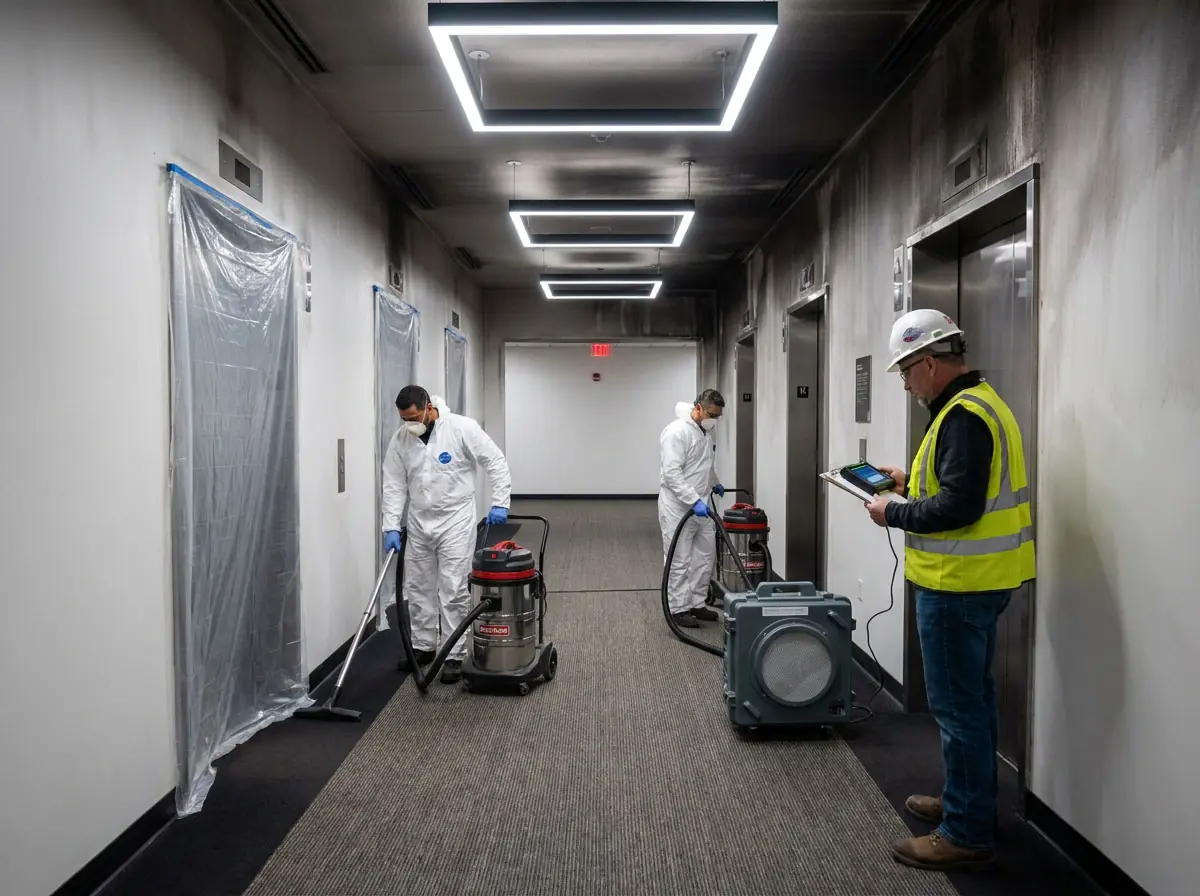
Identifying the Subtle Warning Signs: A Comprehensive Checklist Table
Most DC homeowners wait for a ceiling to cave in before they take action. By then, you are already looking at a massive restoration bill and a nightmare of insurance claims. Smart owners catch the rot before it turns into a total structural failure.
| Area of Concern | Subtle Warning Sign | Severity Level |
|---|---|---|
| Basement Walls | Efflorescence or white powdery residue | Low to Medium |
| Floorboards | Cupping or warping near baseboards | High |
| Interior Air | Persistent earthy or musty odor | Medium |
| Drywall | Peeling paint or soft, sponge-like texture | Critical |
| Window Frames | Dark stains or condensation buildup | Medium |
You need to play detective with your own property. Look for the telltale signs of moisture migration that hide in plain sight. If your drywall feels soft when you press it with a thumb, you have already lost the battle against internal decay.
Keep a sharp eye out for these specific indicators during your next walkthrough:
- Check for nail pops in your drywall, as these often indicate structural shifting caused by moist wood framing.
- Inspect your basement floor for damp patches that never seem to dry out, even after the humidity drops.
- Look for microscopic dark spots on wood trim or ceiling corners, which are early colonies of mold growth.
- Listen for a hollow sound when tapping tiles or floorboards, suggesting the subfloor is rotting beneath the surface.
The Hidden Progression: From Seepage to Structural Compromise
Most DC homeowners mistakenly believe that water damage requires a pipe burst to be dangerous. In reality, the slow seepage typical of our aging foundations creates a multi-stage destruction cycle that occurs entirely out of sight.
It starts as a minor localized dampness, but it quickly shifts into a structural nightmare. By the time you notice peeling paint, the integrity of your home is already under siege.
The Stages of Decay
- Phase One: Saturation - Moisture settles into porous masonry or wood, raising the internal humidity of your walls.
- Phase Two: Microbial Bloom - Mold spores colonize the dark, damp cavities, releasing mycotoxins into your HVAC system.
- Phase Three: Structural Failure - Persistent wetness softens floor joists and wall studs, leading to sagging floors and drywall collapse.
Think of it like a termite colony, but instead of insects, it is rotting water dismantling your asset from the inside out. Once the support beams lose their load-bearing capacity, you are not just looking at a repair bill; you are looking at a massive renovation project to prevent a total structural collapse.
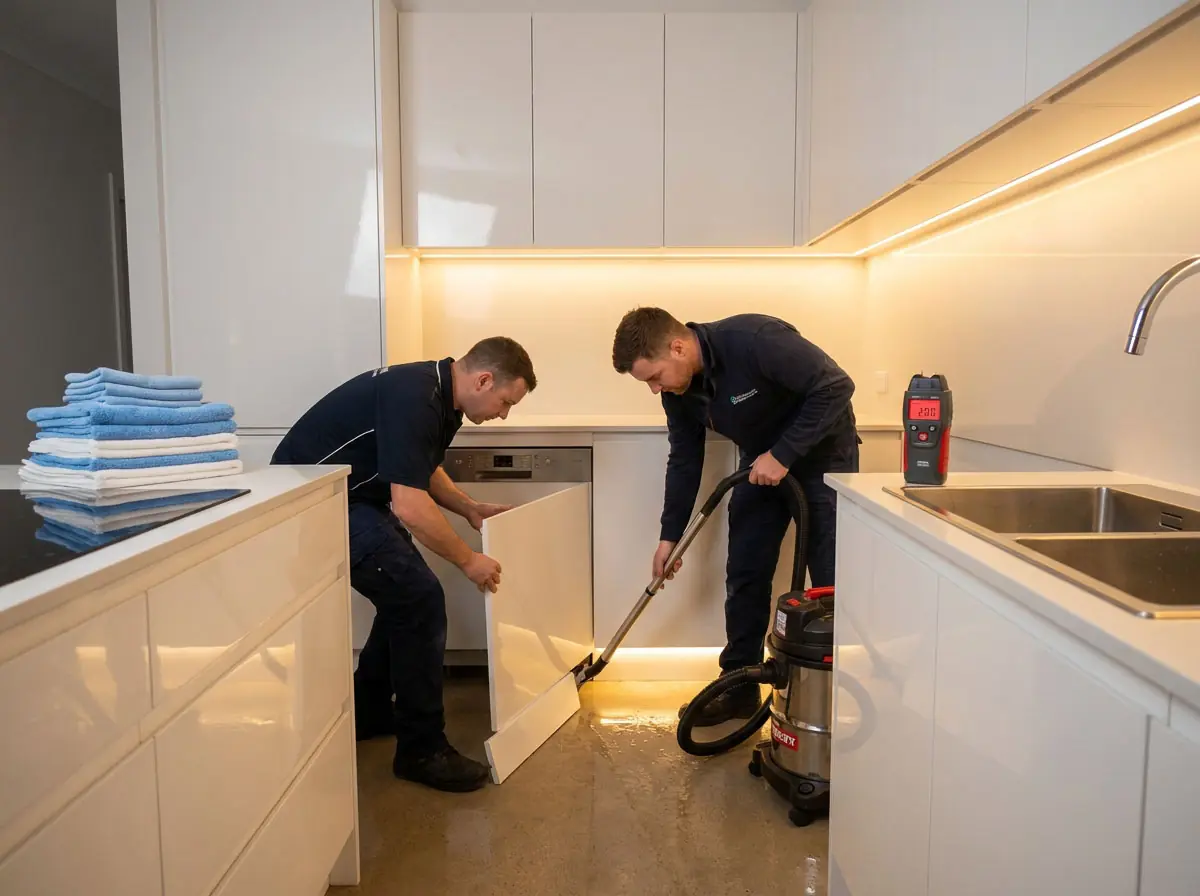
Restoring a Capitol Hill Rowhouse: A Case Study in Moisture Mitigation
Consider the project we took on recently for a century-old rowhouse near Eastern Market. The owners were baffled by persistent peeling wallpaper in their parlor, unaware that decades of rising damp were quietly pulverizing the brickwork behind their historic facade.
Our assessment revealed that a failed exterior drainage system was funneling rainwater directly into the porous foundation. This constant saturation had turned the masonry mortar into a soft, chalky mess that no longer supported the weight of the home.
The Restoration Protocol
- Stripping the interior plaster to expose the wet, crumbling brick.
- Injecting a specialized hydrophobic grout to seal the foundation from the outside.
- Installing a discrete, high-capacity interior drainage channel to divert any future seepage.
- Applying a breathable, mineral-based lime wash to allow the old stone to dry out naturally.
The results were immediate and transformative. By addressing the root cause of moisture entry rather than just painting over the cosmetic damage, we stopped the rot in its tracks. The home is now structurally sound, the musty scent is gone, and the owners finally have peace of mind knowing their investment is protected against the next heavy storm.
Professional Intervention Strategies for Long-Term Property Preservation
When you spot the first signs of water intrusion, fast action is the only thing standing between a minor repair and a total gut renovation. Do not wait for the mold to bloom or the wood to soften into mush. Professional restoration experts bring industrial-grade tools that detect moisture hiding deep within your brickwork and foundation, far beyond what a store-bought dehumidifier can touch.
We use thermal imaging cameras to see through walls and locate the exact point of entry. Once the source is identified, our strategy focuses on three core pillars of preservation:
- Precision Extraction: We remove standing water and trapped moisture using high-pressure vacuum systems to prevent rot from setting in.
- Structural Drying: We deploy commercial-grade air movers and dehumidifiers to stabilize the humidity levels, ensuring wood joists and subfloors dry out safely.
- Sanitization and Decontamination: We clear out hazardous microbial growth, ensuring the air quality in your home is safe for your family to breathe again.
Stopping the water is just the beginning. Effective mitigation involves sealing the envelope of your rowhouse to ensure that seasonal shifts and heavy DC rainstorms do not force water back into your crawlspace or basement walls. Proper drainage, foundation waterproofing, and advanced moisture barriers turn your historic property into a fortress against the elements, protecting your equity for decades to come.
Final Words
Your DC home is likely your biggest asset, but it is currently sitting on a ticking time bomb if you ignore moisture. Waiting for visible signs of disaster is a shortcut to financial ruin.
You need to decide if you are a homeowner who waits for catastrophe or one who takes control today. Acting early turns a minor maintenance fix into a simple afternoon project, rather than a five-figure renovation nightmare.
If you suspect your property is hiding moisture, do not guess. Get a professional assessment immediately to secure your equity and protect your family from toxic mold exposure.
The Immediate Action Plan
Follow these steps to stop the destruction before it spreads:
- Schedule a professional Water Damage Restoration inspection to identify hidden leaks in your foundation.
- Install a high-quality dehumidifier in your basement to stabilize the moisture levels.
- Regularly check your gutter downspouts to ensure they push water far away from your brickwork.
History is part of your home’s charm, but decay is not a mandatory feature. Keep the water where it belongs, and keep your property value exactly where it should be.
People Also Ask
How much does water damage restoration cost in Washington DC?
Costs vary based on the extent of the damage and the materials affected. Most professional remediation services provide a personalized estimate after assessing the moisture content and structural impact on your property.Does homeowners insurance cover water damage in DC rowhouses?
Coverage depends on the specific cause of the water intrusion and your policy details. You should consult the FEMA guidelines to understand how flood and sewer backup events are typically classified for your home.What are the first steps after discovering water damage?
Prioritize safety by turning off the electricity and water supply to the affected area. Contact a professional restoration team immediately to begin the extraction and drying process to prevent mold growth.Why are older DC homes more susceptible to water damage?
Historic rowhouses often feature aging foundation materials and outdated plumbing systems that are prone to leaks. These properties frequently lack modern moisture barriers, making them vulnerable to groundwater seepage and condensation issues.How long does it take for mold to grow after water damage?
Mold can begin to colonize damp surfaces within 24 to 48 hours of exposure to moisture. Prompt professional intervention is essential to stop the spread and protect the long term integrity of your home.Need Water Damage Restoration Services?
We provide rapid water damage restoration and structural drying services to restore your property in Washington, DC and the surrounding area. Our team arrives quickly to mitigate damage and secure your home or business (20001, 20002, 20003, 20004, 20005).
Request Price Estimate