


⚡ TL;DR: This guide helps Washington, DC residents identify early warning signs of sewer failure and outlines essential steps for safe sewage backup cleanup to protect their home environment.
📋 What You’ll Learn
Dealing with a sewage backup in Washington, DC is a stressful emergency. This guide helps you navigate the cleanup process, protect your health, and safeguard your property from aging infrastructure failures.
- Identify early warning signs of an impending sewer failure in your home before a minor blockage escalates into a catastrophic basement flood requiring complex and expensive professional waste remediation.
- Take immediate safety actions if wastewater enters your living space, focusing on protecting your family from harmful pathogens and preventing cross-contamination throughout the rest of your DC property.
- Follow professional remediation protocols to ensure your basement is thoroughly sanitized, dried, and restored to safe living conditions according to strict local industry standards for hazardous material cleanup.
- Implement preventive maintenance steps specifically designed for Washington DC homes to minimize your risk of future backups caused by our city's aging underground municipal piping and sewage network.
📖 Reading time: 7 min
✍️ Author expertise: DC-based restoration expert with decades of experience managing complex local sewage emergency projects.
You wake up to a sound that isn't the morning alarm, but a wet, rhythmic gurgle coming from your basement floor drain. Within seconds, the unmistakable, sickening stench of raw sewage fills your home, turning your living space into a biohazard zone.
This is not just a messy plumbing glitch. You are facing a ticking time bomb of pathogens, bacteria, and toxic waste that can compromise your family's health and destroy your property's value in a heartbeat.
Living in the District, our aging infrastructure often leaves homeowners vulnerable to these nasty surprises. Preventing a sewage backup is about more than just keeping pipes clear; it is about stopping a full-scale environmental crisis before it touches your foundation.
Here is exactly how to identify the early warning signs and what steps you must take to protect your home from becoming a disaster site.
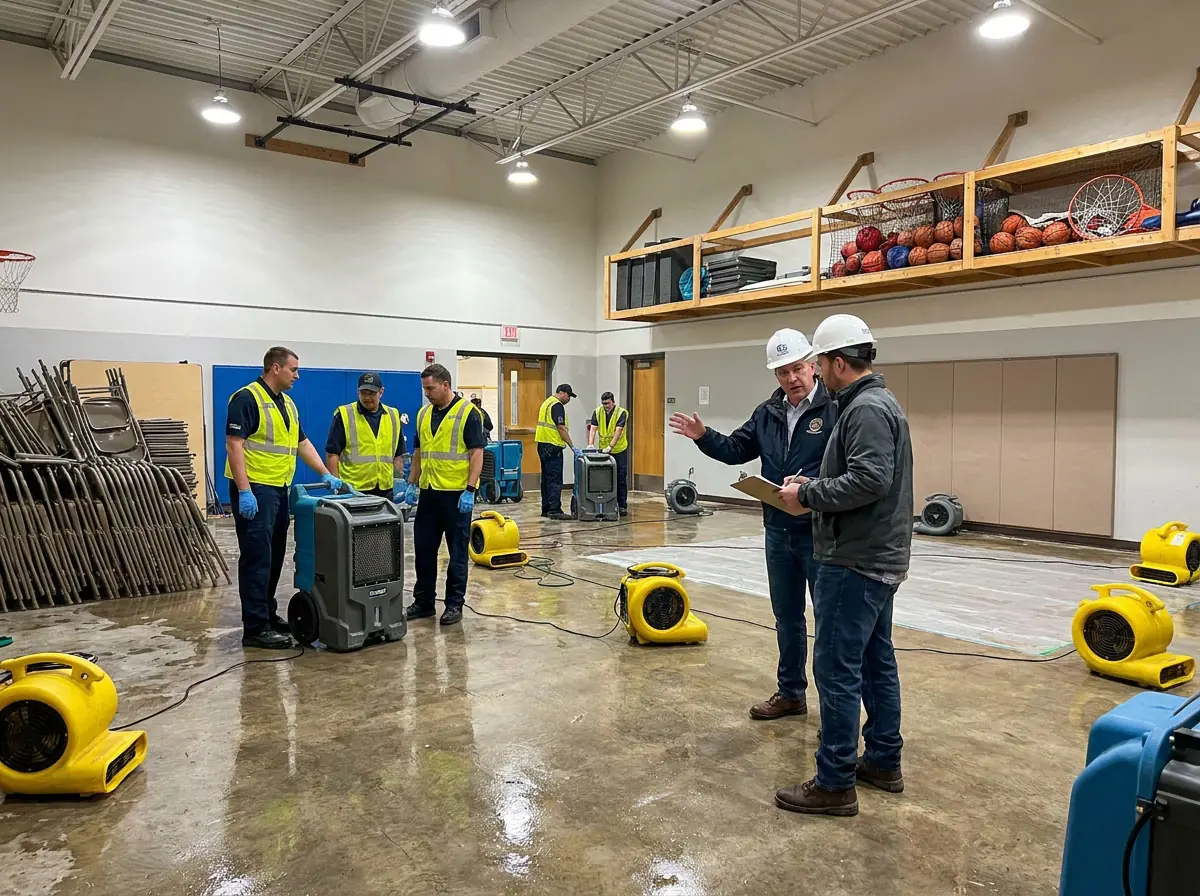
Why DC’s Aging Infrastructure Triggers Frequent Basement Backups
Washington, DC is a historic city, but that history comes with a heavy price tag buried beneath our streets. Many residential sewer lines in neighborhoods like Capitol Hill, Georgetown, and Petworth are over a century old.
These pipes were built long before modern population density put such a massive strain on the system. When a heavy storm hits, the city’s combined sewer system often reaches a breaking point.
The result? Wastewater has nowhere to go but up, and your basement becomes the overflow valve for the entire block. You are not dealing with a simple clog; you are up against a massive, pressurized municipal failure.
Several factors make DC homes particularly prone to these disasters:
- Combined Sewer Systems: Rainwater and sewage often share the same pipes, meaning one big storm can overwhelm the system and force waste backward into your drain.
- Tree Root Intrusion: Old clay pipes provide a constant water source for massive oak and elm trees, leading to root cracks that eventually collapse under pressure.
- Pipe Material Decay: Cast iron or orangeburg pipes from the early 1900s are likely corroded, brittle, or completely disintegrated by now.
If your home is connected to this aging grid, the question is not if you will face a backup, but when. Proactive maintenance is the only way to avoid the catastrophic cost of a total basement reconstruction.
Critical Early Warning Signs of a Looming Sewage Failure
Your plumbing system usually gives you fair warning before a catastrophe strikes. You just need to know what to look for before the pipes surrender entirely.
Start paying attention to the way your home communicates its distress. If you ignore these whispers, the next sound you hear will be the roar of wastewater flooding your floors.
- Slow Drains: If your sinks or toilets are sluggish in multiple rooms, the blockage is likely in the main sewer line.
- Strange Sounds: That gurgling noise coming from your pipes when you flush a toilet or run the shower is a classic sign of trapped air trying to escape.
- Foul Odors: If you catch a whiff of sewer gas in your basement or near your yard, sewage is already leaking somewhere close to your foundation.
- Lush Patches of Grass: A concentrated, overly green patch of grass in your yard often signals a leak in the underground sewer pipe that is acting as a potent fertilizer.
Don't wait until you have standing water to call for help. When you notice these symptoms, the system is already failing, and you are living on borrowed time.

Immediate Steps to Take When You Discover Wastewater in Your Home
When sewage starts bubbling up, your primary goal is containment and safety. Do not try to be a hero with a mop and bucket, as raw sewage contains parasites, E. coli, and hepatitis that can enter your body through small skin abrasions or even by touching your face.
The first thing you must do is cut off the source of electricity in the affected area. Water and live wires are a lethal combination; if your breaker box is in a flooded basement, call a professional or your utility company immediately rather than wading through the muck.
After the power is secure, you need to seal off the area to prevent cross contamination to the rest of your home. Keep your family, pets, and visitors away from the affected rooms at all costs. Airflow can carry airborne pathogens, so close doors leading to the area and consider using duct tape on the bottom of doors to keep the toxic vapors contained until help arrives.
Protecting Your Household During the Initial Spill
- Stop using water in the home immediately, as any drain usage will only force more sewage into the backup.
- Put on personal protective equipment if you absolutely must enter the space, such as rubber boots, gloves, and a mask.
- Avoid touching any surfaces, especially your mouth or eyes, after being near the contamination.
- Open windows in the affected room to provide ventilation, but only if you can do so without walking through the standing waste.
Time is your worst enemy during a sewer failure. The longer wastewater sits on your floorboards and drywall, the deeper the toxins soak into porous materials, making total restoration much more difficult and expensive. Get the professionals on the phone before you attempt any DIY cleanup efforts.
Professional Remediation Protocols: A Workflow Table for Safe Cleanup
When raw sewage breaches your home, standard cleaning supplies are useless against the pathogens and toxic microbes left behind. You need a systematic, industrial-grade approach to return your home to a habitable state. This process demands personal protective equipment and specialized antimicrobial agents that kill bacteria on contact.
| Step | Action Taken | Goal |
|---|---|---|
| Containment | Isolating affected areas with physical barriers. | Stop cross-contamination. |
| Extraction | Using high-suction vacuum systems for fluids. | Remove bulk waste. |
| Sanitization | Application of hospital-grade disinfectants. | Neutralize pathogens. |
| Drying | Deploying high-velocity air movers and dehumidifiers. | Prevent mold growth. |
| Verification | Testing moisture levels and air quality. | Ensure safety clearance. |
Extraction is only the first phase of a much larger battle. Professionals prioritize the removal of porous materials like carpets, padding, and drywall, as these items act like sponges for hazardous biological contaminants. Even if they appear clean, the risk of hidden mold and bacterial colonies makes removal the only safe option for your family.
The Science of Decontamination
Once the bulk waste is gone, the space undergoes a rigorous decontamination cycle. Experts apply industrial-strength surfactants to break down sewage residue and grime. This is followed by a botanical or chemical antimicrobial treatment to ensure that every square inch of your subfloor is scrubbed clean of harmful microorganisms.
- Full PPE usage for all technicians to prevent exposure.
- HEPA-filtered air scrubbers to trap airborne toxins.
- Controlled humidity levels to stop moisture-dependent pathogens.
- Structural drying to save foundational wood from warping.
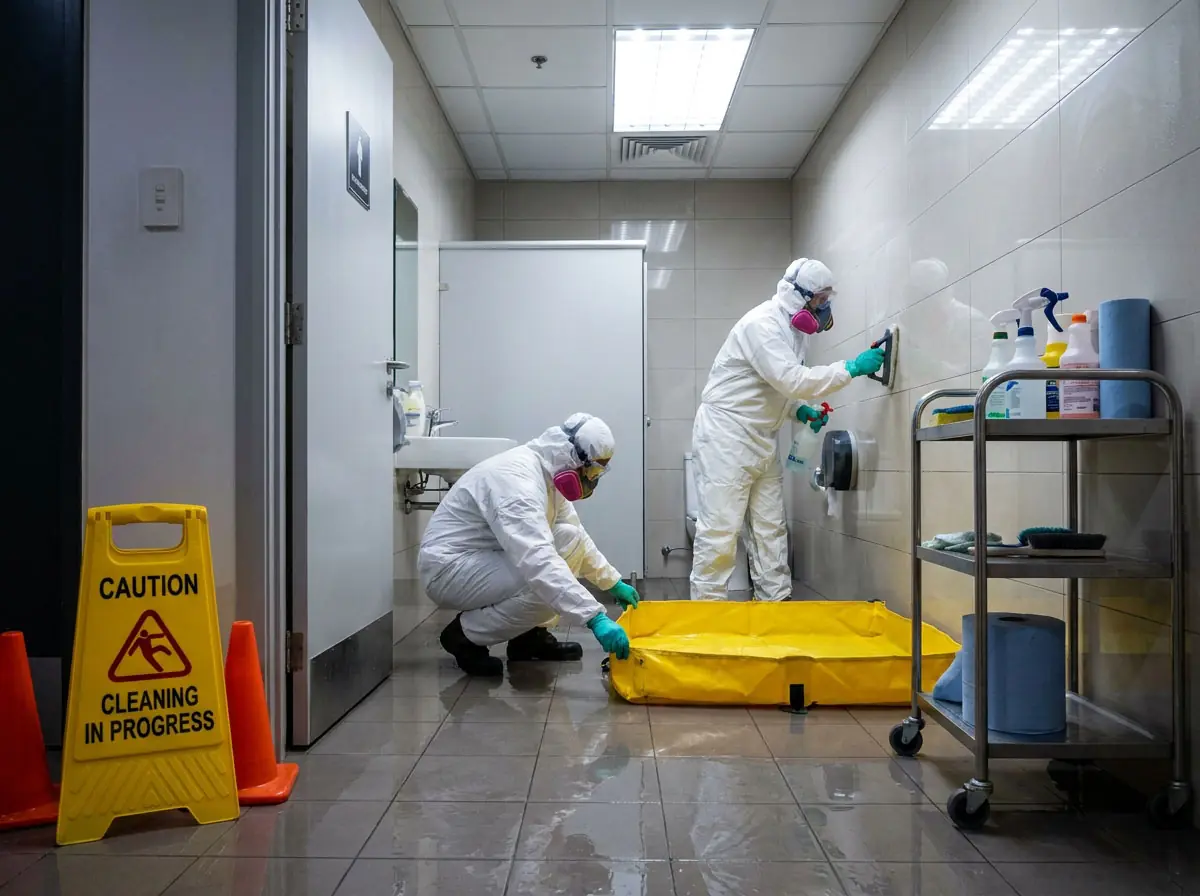
Real-World Restoration: A Case Study in DC Basement Recovery
Last spring, a historic row house in Capitol Hill suffered a catastrophic sewer line collapse during a heavy rainstorm. The basement, which served as a family entertainment center, was submerged under three inches of contaminated wastewater within forty minutes.
Our team arrived to find the drywall already wicking moisture up to the two-foot mark. This is a classic example of why speed is your only friend during a sewage breach.
We immediately established a containment zone to stop cross-contamination from spreading to the upper floors. After removing the saturated carpet and drywall, we deployed industrial-grade dehumidifiers and applied medical-grade disinfectants to every square inch of the exposed foundation.
Restoring a home after a backup involves more than just drying the floors. It is a precise, multi-stage process designed to bring your home back to a healthy state.
Key Phases of Our Restoration Process
The homeowners were devastated, but our structured approach restored their peace of mind. Here is how we turned a biohazard back into a safe living space:
- Extraction of all standing water and liquid waste.
- Removal of non-salvageable porous materials like insulation and padding.
- Mechanical cleaning of structural framing using specialized biocides.
- High-velocity air movement to drive moisture levels down to safe, pre-loss conditions.
- Final air quality testing to ensure no airborne pathogens remain.
Within six days, the basement was not only dry, but it was cleaner than it was before the disaster. By replacing the contaminated drywall with mold-resistant alternatives, we also helped ensure the property would resist future moisture issues.
Essential Preventive Measures to Protect Your Property from Future Floods
Most DC sewage backups are preventable if you take control of your plumbing system before the weather turns. You cannot rely on city infrastructure to keep your basement dry, so you must install physical barriers that stop wastewater in its tracks.
The most effective tool at your disposal is a backwater prevention valve. This device allows sewage to flow out of your home, but it automatically slams shut if the flow reverses back toward your pipes.
Proactive Maintenance Checklist
Routine inspections are the difference between a minor plumbing bill and a catastrophic home disaster. Follow these steps to harden your property against future failures:
- Schedule a professional sewer camera inspection every two years to check for root intrusion.
- Never flush items labeled as flushable, such as wet wipes or feminine hygiene products, because they create massive blockages.
- Install a basement sump pump with a battery backup to manage excess water levels during heavy DC rainstorms.
- Keep your floor drains clear of debris and ensure your cleanout caps are tightened securely.
Be honest about your habits; what goes down your drain dictates the life of your lateral sewer line. If you notice your toilets flushing slowly or hear gurgling in your pipes, do not wait for the inevitable overflow. Call for an inspection immediately to clear out any buildup before it turns into a costly emergency.
Final Words
Waiting for a pipe to burst before taking action is a gamble you will eventually lose. DC residents often ignore the health of their plumbing until raw waste is pooling on the concrete.
Do not wait for the stench to signal that you need professional help. If you notice even the smallest anomaly in your drains, treat it as a priority.
Our team specializes in Sewage Backup Cleanup to ensure your home remains a safe place for your family. Ignoring these issues invites costly structural damage and severe health risks.
Take charge of your property by scheduling a preventative inspection today. Being proactive is the only way to avoid the nightmare of a total basement contamination.
Three Golden Rules for Maintenance
- Inspect your main sewer line every two years to catch root intrusion early.
- Install a backwater valve to prevent municipal overflows from entering your home.
- Never flush "flushable" wipes or grease, as these are the primary culprits behind local blockages.
Your home is likely your biggest investment. Protect it with the same intensity you use to look after your own health.
A quick phone call now beats a massive restoration bill later. Keep your pipes flowing, keep your basement dry, and keep your peace of mind intact.
People Also Ask
Is sewage backup covered by homeowners insurance in Washington DC?
Standard homeowners insurance policies typically exclude damage caused by sewage backups unless you have added specific water backup coverage. Check your policy documents carefully, as you may need to purchase a separate endorsement to protect against these expensive repairs.What health risks are associated with sewage exposure in a home?
Sewage contains harmful bacteria, viruses, and parasites that can cause severe gastrointestinal and respiratory illnesses. The CDC experts emphasize that immediate professional sanitation is necessary to prevent these dangerous pathogens from spreading throughout your living space.Who is responsible for sewer line repairs in DC?
In Washington DC, homeowners are generally responsible for the maintenance and repair of the private sewer lateral that connects their property to the public main line. If a blockage occurs between your home and the city connection, you must hire a licensed plumber to resolve the issue.How do I disinfect my basement after a minor sewage backup?
You should never attempt to clean significant sewage contamination yourself, as specialized personal protective equipment is required for safety. For minor incidents, remove all porous materials and use EPA registered disinfectants to sanitize nonporous surfaces after the area has been professionally dried.Why does my basement smell like sewage after heavy DC rain?
Heavy rainfall can overwhelm the aging city sewer system, causing a phenomenon known as surcharging where wastewater is forced back into residential pipes. This pressure often pushes sewer gases through floor drains or toilets, signaling that your home is vulnerable to a potential backup.Need Water Damage Restoration Services?
We provide rapid water damage restoration and structural drying services to restore your property in Washington, DC and the surrounding area. Our team arrives quickly to mitigate damage and secure your home or business (20001, 20002, 20003, 20004, 20005).
Request Price Estimate