


⚡ TL;DR: This guide provides Troy homeowners with essential steps for managing sewage backup cleanup, emphasizing why professional assistance is necessary to protect your property from long term health hazards.
📋 What You’ll Learn
Dealing with sewage backup in your Troy home requires immediate, expert action to ensure your property remains sanitary. This guide covers essential protocols to protect your family and your home’s value.
- Identify hidden health risks by understanding why Category 3 water requires specialized protective gear and advanced decontamination techniques to keep your household safe from dangerous pathogens and waste.
- Follow emergency response steps to stabilize your home environment quickly, which minimizes structural damage and prevents the rapid spread of contaminants across your living spaces and porous materials.
- Avoid costly DIY mistakes that often lead to secondary mold growth or structural decay by recognizing when professional remediation services are strictly necessary for complete, safe property restoration.
- Navigate insurance claims effectively by learning how to document sewage damage properly, ensuring you receive the necessary financial coverage to manage professional cleanup and restoration project costs.
📖 Reading time: 7 min
✍️ Author expertise: Troy certified water restoration specialist with over a decade of field remediation experience.
There is nothing quite as gut-wrenching as walking into your basement in Troy only to be greeted by the unmistakable, stomach-turning stench of raw sewage. It starts as a minor inconvenience in the floor drain, but within hours, it can turn your home into a toxic hazard zone that threatens your family’s health.
Most homeowners assume they can just mop it up with some bleach and call it a day. That is a dangerous mistake that can leave behind hidden pathogens and long-term structural rot that could cost you thousands in the future.
Before you pick up a sponge or try to handle this disaster on your own, you need to understand exactly what you are dealing with. Keep reading to discover the specific steps you must take right now to keep your household safe and prevent a minor pipe backup from turning into a total property loss.

Immediate Hazards: Why Sewage is Categorized as Category 3 Water
When sewage backs up into your Troy residence, you are not just dealing with dirty water. This is officially classified as Category 3 water, or black water, which is the most dangerous classification in the restoration industry.
This liquid contains raw waste, bacteria, viruses, and parasites that can cause serious illness. Because it originates from outside the home or from sewage lines, it carries pathogens that are highly toxic to humans and pets.
You need to recognize the specific dangers present in a sewage loss:
- Bacteria: Includes E. coli, Salmonella, and Shigella.
- Viruses: Exposure can lead to hepatitis or other serious infections.
- Parasites: Protozoa that cause severe gastrointestinal distress.
- Fungal Growth: Organic materials soaked in sewage provide a breeding ground for mold.
Do not be fooled by clear water. Even if the standing water looks relatively clean, it is likely teeming with microscopic threats that a standard household vacuum or mop will only spread around.
If you have open cuts or skin breaks, contact with this liquid is a direct path to an infection. You must treat every inch of your basement as a biohazard zone until it has been professionally sanitized.
Step-by-Step Emergency Protocol for Troy Homeowners
When raw sewage invades your living space, time is your worst enemy. Your first priority is to shut off the main power supply to the affected area if the electrical panels are not in standing water. Once you have ensured there is no immediate shock risk, stop using any water in the house immediately, as this will only push more waste into the flooded basement.
Avoid any direct contact with the spill, as raw sewage contains dangerous pathogens like E. coli, salmonella, and hepatitis. Follow these critical steps to protect your property until professional help arrives:
- Evacuate all pets and children from the contaminated area instantly.
- Avoid walking through the waste to prevent tracking bacteria into clean rooms.
- Seal off the affected room by closing doors or hanging plastic sheeting to contain airborne contaminants.
- Do not attempt to dry the area with fans, as this can spread mold spores and fecal matter into the air you breathe.
If the backup originated from the city sewer line, notify the City of Troy Department of Public Works as soon as possible. They can determine if the blockage is within the public main, which may change how your remediation process is handled. Keeping a log of the time the backup was discovered and taking dated photographs before cleaning anything will prove vital when you file your insurance claim later.
Why DIY Cleanup Attempts Often Lead to Secondary Damage
Most Troy homeowners think a bottle of bleach and a mop will solve the problem. Unfortunately, raw sewage is not just dirty water; it is a biological nightmare packed with viruses, bacteria, and parasites that penetrate porous surfaces almost instantly.
When you attempt to scrub a sewage-soaked carpet or mop up standing liquid, you are actually spreading contaminants further into your flooring and drywall. This creates a trap for moisture that promotes rapid mold growth within the very walls of your home.
The Hidden Dangers of DIY Failures
Using standard cleaning tools often leads to long term problems that cost far more than a professional service. Here is how DIY efforts usually backfire:
- Cross-contamination: You track invisible bacteria throughout the rest of your house on your shoes.
- Incomplete drying: Surface cleaning ignores the sub-floor, which stays wet and begins to rot.
- Respiratory risks: Scrubbing sewage releases toxic aerosolized particles directly into the air you breathe.
You might think the floor looks clean after an hour of hard work, but the reality is much darker. Porous materials like wood framing, drywall, and insulation act like sponges. They soak up the liquid while leaving the dangerous pathogens behind, eventually leading to structural decay and a persistent, foul odor that no amount of air freshener can fix.
A Comparative Table of Professional Decontamination vs. Standard Cleaning Methods
Most homeowners in Troy try to tackle sewage with a bucket, some bleach, and a prayer. This is a massive tactical error. Standard household cleaning is designed for surface dust or light grime, not the biohazardous slurry of raw waste. Professional remediation is a clinical process that involves industrial-grade sanitization to stop the spread of dangerous bacteria like E. coli and salmonella.
| Feature | Standard Cleaning | Professional Decontamination |
|---|---|---|
| Pathogen Control | None | Medical-grade disinfection |
| Water Extraction | Surface mopping only | Industrial vacuum systems |
| Structural Drying | Air drying | HEPA filtration and dehumidifiers |
| Waste Disposal | Regular trash | Regulated medical waste removal |
| Safety Gear | None | Full-body hazmat suits |
When you use basic household supplies, you are essentially spreading the contamination across your basement floor rather than removing it. Professionals utilize proprietary chemical agents that break down organic waste at a molecular level. This kills the bacteria deep inside the porous materials of your home, like wood studs and concrete subfloors.
Here is what happens when you skip professional equipment:
- Mopping pushes contaminants into floor cracks where they breed mold.
- Standard cleaning agents often fail to neutralize virulent pathogens.
- Hidden moisture remains trapped in wall cavities, causing structural rot.
- Cross-contamination spreads sewer gases to your home's HVAC system.
If you don't remove the moisture and the waste properly, you are essentially inviting future repair costs that will dwarf the price of a professional service. You are not just cleaning a spill; you are performing an emergency medical procedure on your house.

Case Study: Mitigating Basement Sewage Contamination in a Troy Residential Property
Last winter, a homeowner in a subdivision near Big Beaver Road returned from work to find four inches of standing wastewater in their finished basement. The initial reaction was to use a shop vacuum and paper towels, but they quickly realized the fluid was soaking into the baseboards and drywall.
Our crew arrived on the scene within ninety minutes to stop the spread. We discovered that the sewage had wicked up the drywall, creating a biohazard that traveled behind the vanity and into the floor joists.
The situation required immediate, aggressive action to prevent the entire floor assembly from becoming a total loss. We executed a specialized protocol that prioritized containment and structural drying.
The Restoration Sequence
- Containment: We sealed the affected area with heavy-duty polyethylene sheeting to block toxic airborne pathogens from drifting into the upstairs living quarters.
- Extraction: Specialized high-suction pumps removed the standing liquids while our team wore full-body PPE and respirators to ensure total protection.
- Controlled Demolition: We surgically removed the bottom two feet of drywall and the saturated insulation, as porous materials in contact with Category 3 water are impossible to sanitize effectively.
- Sanitization: Every square inch of the exposed studs was treated with an EPA-registered hospital grade disinfectant to kill lingering bacteria and fungal spores.
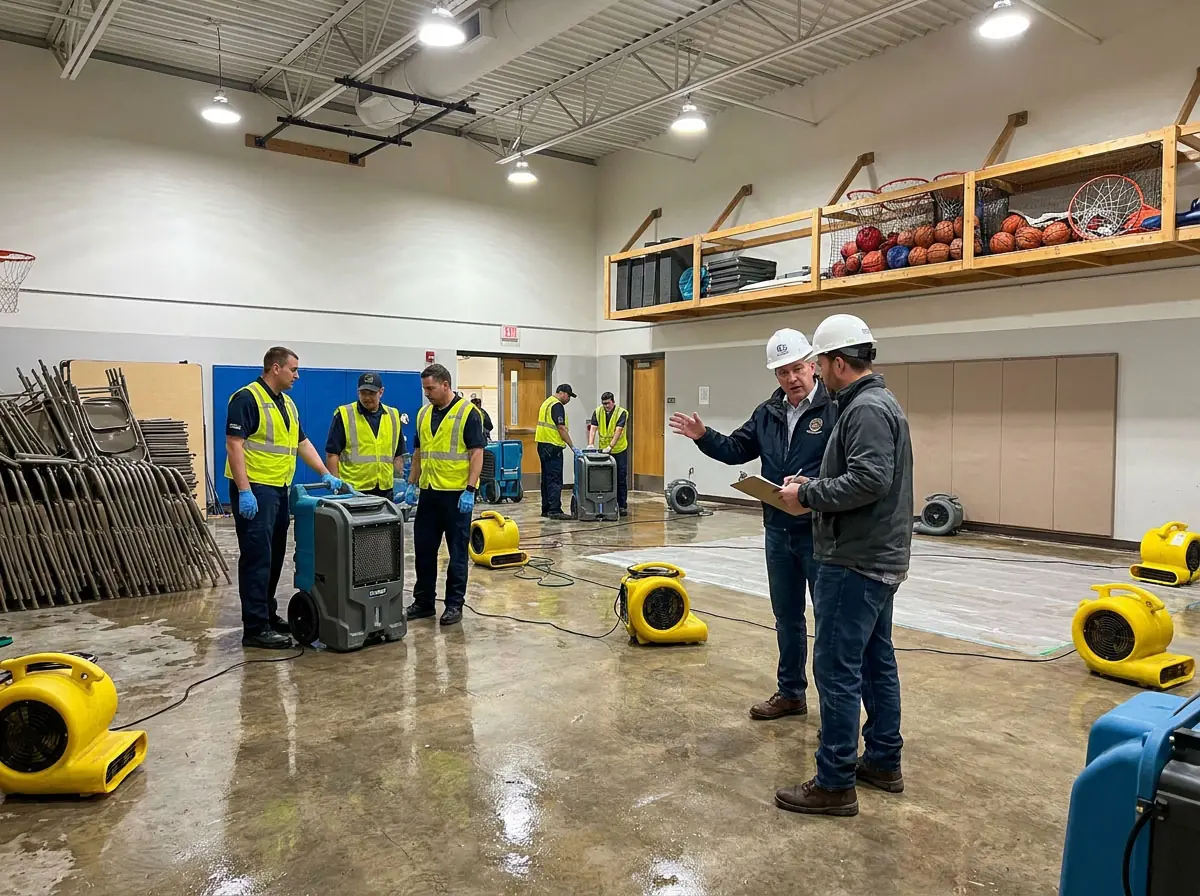
- Structural Drying: We placed industrial-strength dehumidifiers and high-velocity air movers to bring moisture levels back to the baseline.
By acting fast and avoiding the urge to clean the mess with household sponges, the homeowner saved their foundation from long-term mold colonization. The basement was fully restored and returned to a clean, safe status in under five days. This quick turnaround prevented the cost of a full gut job that would have been inevitable if the sewage had been allowed to sit for another 48 hours.
Navigating Insurance Claims and Documentation for Sewage Losses
Dealing with raw sewage in your home is already a nightmare, but the subsequent fight with your insurance company can feel even worse. Most Troy homeowners assume their policy covers everything automatically, but sewage backups often fall under specific sub-limits or require extra riders.
You must treat your documentation like a court case. If you do not have proof, it did not happen, and the insurance adjuster will not pay for it.
Start your claim off on the right foot by following these essential steps:
- Take high-quality photos and videos of the damage before you touch anything.
- Keep a detailed log of every conversation with your insurance agent, including dates, names, and claim numbers.
- Do not throw away any damaged items until an adjuster has physically inspected them.
- Request an itemized estimate from a certified restoration professional who understands local Troy building codes.
Many insurance companies will try to minimize your payout by claiming the damage is just standard wear and tear. You need to prove that this was an acute event, such as a city main failure or a sudden pipe rupture. Always insist on a written explanation if they deny a portion of your claim, and do not be afraid to ask for a supervisor if the initial offer does not cover the cost of professional remediation.
Final Words
When raw waste invades your property, time is your worst enemy. Every hour that passes allows bacteria, viruses, and parasites to burrow deeper into your flooring, drywall, and HVAC systems.
Do not gamble with the health of your family. If you face a disaster of this magnitude, our professional Sewage Backup Cleanup team is ready to deploy immediately to Troy homes.
We do not just move the water out. We utilize industrial grade antimicrobial treatments to strip away the toxicity at the microscopic level.
Your Immediate Checklist
- Shut off your main water valve to stop the flow.
- Keep kids and pets away from the contaminated area.
- Avoid touching any electrical switches near standing water.
- Call experts who possess IICRC certification for biohazard remediation.
True restoration requires more than a wet vac and a prayer. It demands rigorous sanitization, structural drying, and a focus on safety that ensures your home is actually clean, not just smelling better.
Get it done right the first time. Protect your equity, guard your health, and call in the pros before a simple pipe issue forces you to gut your entire basement.
People Also Ask
Is sewage backup in a home considered a health emergency?
Yes, sewage is classified as Category 3 water because it contains harmful bacteria, viruses, and parasites. You should avoid contact with the affected area immediately to prevent the spread of pathogens.What should I do first if my basement floods with sewage in Troy?
First, turn off the electricity to the area if it is safe to do so and avoid touching any standing water. Contact a professional restoration team immediately to begin the extraction process and prevent long term structural issues.Does homeowners insurance cover sewage backup in Troy, MI?
Coverage for sewage damage depends entirely on your specific policy and whether you have a water backup endorsement. It is vital to document all damage with photos before the cleanup process begins to assist with your claim.Can I clean up a sewage backup myself?
DIY cleanup is strongly discouraged because it requires specialized personal protective equipment and industrial grade sanitization agents. Improper handling often leads to secondary damage, such as mold growth and lingering health hazards.How do professionals sanitize a home after a sewage spill?
Restoration experts use professional drying equipment and EPA registered disinfectants to neutralize contaminants. This process ensures that all porous materials are either properly restored or safely removed to protect your property and indoor air quality.Need Water Damage Restoration Services?
We provide rapid water damage restoration and structural drying services to restore your property in Troy and surrounding communities (48083, 48084, 48098, 48310). Our team arrives quickly to mitigate damage and return your home or business to a safe, dry condition.
Request Custom Quote