


⚡ TL;DR: This guide provides residents in Sunrise with essential steps for safe sewage backup cleanup, detailing how to manage property damage, handle insurance claims, and hire reliable professional remediation.
📋 What You’ll Learn
Dealing with a sewage backup in Sunrise is stressful, but this guide provides the essential steps to protect your health, sanitize your property, and navigate the recovery process with professional confidence.
- Identify urgent safety protocols to ensure your family avoids hazardous pathogens, contaminated surfaces, and toxic gases that often accompany a sewage spill in your Sunrise residential property.
- Pinpoint the specific cause of your backup by learning how to distinguish between localized plumbing clogs and larger city line issues common in our local Sunrise infrastructure.
- Execute proper cleanup steps by following industry standard containment and sanitization procedures that effectively remove waste while preventing cross contamination throughout the rest of your beautiful home.
- Navigate insurance claims successfully with expert tips on documenting your water damage and organizing the necessary evidence to maximize your coverage during a stressful restoration project.
📖 Reading time: 8 min
✍️ Author expertise: Sunrise water damage specialist with years of field experience in professional sewage remediation.
You wake up to the smell of rotten eggs, walk into your bathroom, and find raw sewage bubbling up from your drains. It is a nightmare scenario that turns your Sunrise home into a hazardous waste zone in a matter of seconds.
Most people freeze, panic, or make the mistake of grabbing a mop and bucket, which only spreads dangerous bacteria across your floors. The reality is that one wrong move could cost you thousands in permanent structural damage and put your family’s health at serious risk.
If you want to protect your property and stop a bad situation from becoming a total disaster, you need to act with precision. Here is exactly how to handle the cleanup and get your life back to normal starting right now.

Immediate Safety Protocols: Protecting Your Family and Health
The moment you detect raw sewage, your primary mission is to isolate the threat. This is a Category 3 water loss, meaning it contains pathogens, bacteria, and viruses that can trigger severe respiratory issues or skin infections on contact.
Stop whatever you are doing and follow these non-negotiable rules to keep your household safe:
- Get everyone out of the room immediately. Keep children and pets away from the area until professionals arrive.
- Do not touch the water with bare skin. If you must be near the affected area, wear rubber boots, waterproof gloves, and a face mask.
- Avoid using any plumbing in your home. Flushing toilets or running sinks will only force more waste into the overflow.
- Shut off your electrical breakers if water is nearing any outlets or appliances. Electricity and water are a lethal mix.
Resist the temptation to start scrubbing the mess yourself. Typical household cleaners are simply not strong enough to neutralize the biological hazards present in sewage.
By touching the spill, you risk tracking dangerous contaminants into the rest of your home. Treat every surface the sewage has touched as permanently contaminated until an expert can properly disinfect the area.
Identifying the Root Cause of Your Sunrise Sewage Backup
Before you even think about touching the mess, you must determine where the breach is originating. In Sunrise, homes often face backups due to aging municipal sewer lines or local blockages that push waste back into your private plumbing system.
Start by checking if the backup is isolated to one fixture or affecting your entire home. If only one toilet or sink is overflowing, the problem is likely a localized clog near that drain. However, if sewage is bubbling up in multiple areas at once, the issue is almost certainly deep within the main sewer line.
Common Culprits Behind Your Plumbing Nightmare
- Tree Root Intrusion: Roots often seek out moisture in pipes, cracking through aging clay lines common in older neighborhoods.
- Main Line Blockage: Grease, paper towels, and non-flushable wipes create massive "fatbergs" that halt the flow of waste.
- Municipal System Failure: Excessive rain or pump station issues in the Sunrise area can force wastewater back toward your residence.
- Collapsed Sewer Pipes: Ground shifting or simple wear and tear over decades leads to total pipe failure.
Avoid the temptation to use chemical drain cleaners when dealing with a full-scale backup. These harsh liquids can damage your pipes further and create a toxic chemical reaction when mixed with the raw sewage already sitting in your home.
Instead, verify if your neighbors are experiencing similar issues. If the entire street is having drainage problems, contact the Sunrise Utilities Department immediately to report a possible municipal line failure before wasting money on a private plumber who cannot fix the city main.

Step-by-Step Cleanup Procedure: Containment and Sanitization
When sewage floods your Sunrise home, you must prioritize containment before anything else. Stop the spread of contaminated water immediately by blocking access to the affected areas and sealing off doorways with heavy duty plastic sheeting.
Do not attempt to walk through the sewage in standard footwear. You are stepping into a cocktail of pathogens, including E. coli and salmonella, that can easily track into your clean living spaces.
Essential Safety Gear for Cleanup
- Wear non permeable rubber boots and heavy duty gloves.
- Use a N95 respirator to avoid inhaling toxic airborne particles.
- Protect your eyes with tight fitting safety goggles.
- Cover your skin with disposable protective coveralls.
Once you have contained the area, start the sanitization process by removing standing liquid with a commercial grade wet vacuum designed for hazardous waste. Never use a standard household vacuum, as it will likely explode or spray dangerous bacteria into your HVAC system.
After the standing water is gone, apply a hospital grade disinfectant to all hard surfaces. Let the solution dwell for the recommended time on the label before scrubbing, as this is the only way to kill the microscopic threats hiding in your porous flooring and drywall.
Why Professional Remediation Beats DIY Mitigation: A Cost-Benefit Table
Most homeowners in Sunrise think they can handle a sewage spill with a shop vac and some bleach. That is a massive, expensive mistake. Raw sewage contains pathogens, parasites, and bacteria that require industrial-grade biocides and specialized containment equipment to neutralize properly.
| Factor | DIY Mitigation | Professional Remediation |
|---|---|---|
| Pathogen Removal | Surface clean only | Medical grade sanitization |
| Equipment | Household tools | Industrial air scrubbers/HEPA |
| Insurance Claims | Often denied | Fully documented for payout |
| Structural Safety | Risk of hidden mold | Certified moisture testing |
| Time Investment | Days of labor | Hours of expertise |
When you attempt this yourself, you often push contaminated water deeper into your subflooring or wall cavities. This creates a hidden breeding ground for toxic mold that stays trapped inside your walls for months. By the time you notice the smell, the repair costs will be ten times higher than if you had called a crew on day one.
Professional teams bring more than just gear; they bring certainty. They use moisture mapping technology to locate every drop of contamination, ensuring your home is dry and safe for your children and pets. Choosing the pros is not an extra expense, it is an investment in your family’s safety and the long term value of your property.
Restoring Our Sunrise Community: A Recent Sewage Cleanup Case Study
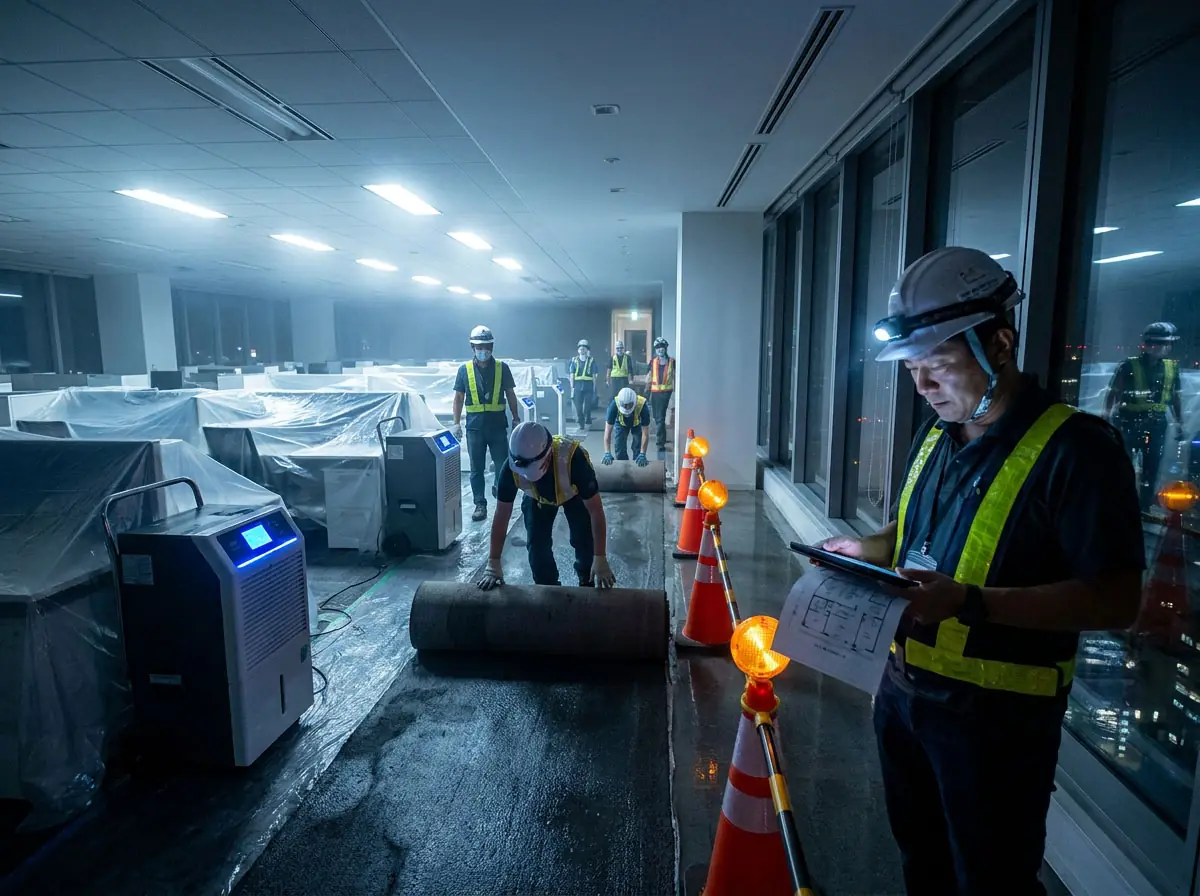
Last month, we received a frantic call from a family living near the Sunrise Civic Center. A mainline blockage had forced raw sewage back into their entire ground floor, soaking their hardwood flooring and ruining irreplaceable family heirlooms.
When our team arrived, the homeowners were understandably panicked. We immediately quarantined the affected area to prevent cross-contamination and deployed industrial-grade air scrubbers to neutralize the airborne pathogens.
Key Actions Taken During the Cleanup
- We extracted over 200 gallons of standing liquid waste using specialized vacuum trucks.
- The entire subfloor was treated with medical-grade antimicrobial agents to kill bacteria.
- Every piece of drywall was cut back two feet above the water line to prevent future mold growth.
- Personal items were assessed; porous materials that could not be sterilized were safely disposed of per environmental standards.
Within 48 hours, the residence was completely dry, sanitized, and safe for the family to re-enter. They didn't just get their house back; they got their peace of mind back, knowing that every microscopic threat had been handled by experts who know how to protect a home.
Navigating Insurance Claims and Documentation Requirements
Filing a claim for sewage damage in Sunrise is not just about calling your agent; it is about building a rock-solid case for your payout. Insurance companies look for any reason to deny coverage, so your primary job is to provide undeniable proof of the disaster.
Start by capturing high-quality photos and video footage of the standing water and the source of the backup before you touch anything. Documentation is your best friend during this process because adjusters rely heavily on visual evidence to determine the extent of the loss.
You must maintain a detailed log of every interaction with your insurance provider. Keep a binder or digital folder that holds these specific items:
- Clear photos of all affected rooms and personal items.
- A detailed inventory list of damaged furniture, electronics, and structural materials.
- Copies of all receipts for emergency services, hotel stays, or equipment rentals.
- Written estimates from our licensed technicians detailing the scope of the contamination.
Do not throw away any damaged belongings until the adjuster has inspected them or given you explicit permission in writing. Even if an item looks like trash, it is vital to keep it until the claim is processed so you can prove the actual cash value of your lost property.
Be prepared for the adjuster to question whether the backup was caused by a city-side pipe issue or a failure within your home's private plumbing. Be specific in your reports. If you can show that a blocked municipal sewer line forced raw waste into your home, your chances of a successful claim increase significantly.
Final Words
When raw sewage invades your Sunrise property, you are playing against the clock. Every hour the water sits, the repair bill grows and the biohazard risk increases for your loved ones.
Don't gamble with your home's integrity or your family's safety by trying to play hero. Professional Sewage Backup Cleanup is not an expense, it is an investment in the health and value of your asset.
Keep these critical rules in mind to maintain control of the situation:
- Never touch raw sewage with bare skin.
- Avoid using any plumbing fixtures until the blockage is cleared.
- Document everything with high-quality photos before you clean a single inch.
- Call for expert help the moment you spot the spill to prevent permanent mold growth.
Your home should be your sanctuary, not a source of illness. By taking the right steps and calling in experts who know the Sunrise infrastructure, you stop the bleeding and secure your property fast.
People Also Ask
Is sewage backup covered by standard homeowners insurance in Florida?
Most standard homeowners policies exclude damage caused by sewer backups unless you have added specific supplemental coverage. It is vital to check your policy documents immediately following an incident to understand your specific financial protections.What are the health risks of exposure to sewage water?
Sewage contains harmful bacteria, viruses, and parasites that can cause severe gastrointestinal and skin infections. According to the federal agency responsible for public health, direct contact with contaminated water poses significant illness risks that require professional protective gear for safe removal.How do I know if a sewage backup is my responsibility or the city's?
If the backup occurs in the city main line, the responsibility typically falls on the municipality to address the issue. However, if the blockage exists within your private lateral line connecting to the main, the homeowner is responsible for all cleanup and repair costs.How long does the sewage cleanup process take?
The timeline depends on the severity of the spill and the square footage of the affected area. A professional restoration team can usually complete full remediation, drying, and sanitization within three to five days.Can I clean up a sewage backup myself?
We strongly advise against DIY cleanup for sewage because of the extreme biological hazards involved. Improper sanitation can lead to lingering pathogens and mold growth that could compromise your indoor air quality and structural integrity.Need Water Damage Restoration Services?
We provide immediate emergency water extraction and structural drying to restore your property in Sunrise and surrounding communities. Our rapid response teams minimize damage to protect your home or business (33322, 33323, 33324, 33325, 33351).
Request Price Estimate