


⚡ TL;DR: This guide helps St. George homeowners understand the health risks of sewage backup cleanup, providing essential steps for safety, professional restoration, and navigating the insurance claims process effectively.
📋 What You’ll Learn
Dealing with a sewage backup in St. George is stressful and dangerous. This guide provides essential insights to help you navigate the cleanup process while keeping your family and property safe.
- Identify the severe health risks associated with black water contamination and learn why immediate action is necessary to prevent long term biological hazards within your Southern Utah home.
- Understand why common household cleaners are ineffective against dangerous pathogens and why specialized industrial equipment is required to properly sanitize your floors, walls, and personal property items.
- Follow critical immediate safety steps that minimize further contamination and protect your health before our professional restoration team arrives to begin the comprehensive site assessment and cleaning.
- Evaluate the true costs involved by comparing the high risks of a DIY cleanup attempt against the professional standards required for complete sanitization and effective moisture control.
- Navigate complex insurance claim processes with expert advice on documenting damages and working with adjusters to ensure your recovery is handled efficiently and your home is restored.
📖 Reading time: 8 min
✍️ Author expertise: St. George water damage restoration specialist with decades of field sanitation experience.
You wake up to a stench so foul it hits the back of your throat before your eyes even open. A quick trip to the bathroom reveals the nightmare: raw sewage is bubbling up through your floor drains, soaking into your flooring and turning your sanctuary into a biohazard zone.
Most homeowners in St. George make a frantic, split-second choice the moment they see this mess, and that is exactly where the biggest mistakes happen. You are standing at a crossroads where a wrong move costs you thousands in permanent damage or, worse, puts your family’s health at risk.
Before you grab a mop or call the first number you find on a magnet, you need the cold, hard facts about what is happening beneath your feet. Here is the truth about sewage cleanup that most contractors hope you never figure out.

The Hidden Dangers of Black Water Contamination in St. George Homes
When raw sewage enters your home, you are dealing with Category 3 water, also known as black water. This is not just dirty mop water; it is a toxic cocktail of human waste, pathogens, and parasitic organisms that can trigger severe illness within minutes of skin contact or inhalation.
The desert climate here in St. George might make you think the mess will simply dry out, but that is a dangerous fallacy. The heat trapped inside your home during the summer actually accelerates bacterial growth, turning your porous flooring and drywall into a breeding ground for invisible threats.
You need to understand the biological risks hiding in your subflooring:
- E. coli and Salmonella: Bacteria that cause severe gastrointestinal distress and life-threatening infections.
- Hepatitis A: A viral infection that spreads rapidly through contaminated surfaces.
- Acanthamoeba: Microscopic parasites that can cause serious eye and skin infections.
- Fungal Spores: Rapidly multiplying mold that degrades your indoor air quality and structural integrity.
Do not be fooled by clear-looking spots on your carpet or tile. Even if the liquid looks contained, harmful contaminants have already migrated into the padding, baseboards, and wall cavities. You cannot see these microscopic invaders, but they are actively colonizing your living space the moment they touch your foundation.
Why Standard Household Cleaners Fail Against Pathogenic Threats
Here is the reality check most hardware store clerks won't give you. When sewage hits your carpet or drywall, it is not just dirty water; it is a Category 3 biohazard teeming with E. coli, Salmonella, and parasites.
Your typical kitchen spray or bleach is designed for surface-level grime on sealed countertops. Against the porous, organic material found in your floors and walls, these products are nothing more than a placebo.
Trying to disinfect a sewage-soaked subfloor with a mop is like trying to put out a forest fire with a squirt gun. You might clear the smell for an hour, but the invisible microbial threat remains locked deep inside the fibers.
The Invisible Danger Zones
Standard household chemicals lack the surfactants and industrial-grade enzymes required to neutralize biological waste. You are not just dealing with stains; you are dealing with a living colony of bacteria that thrives on the moisture trapped in your home.
If you rely on supermarket supplies, you are essentially burying the problem rather than solving it. These dangerous pathogens will continue to colonize your property, creating a long-term risk that can trigger respiratory issues and severe illness for anyone walking through your home.
- Household bleach loses potency quickly when it touches organic waste.
- Spray bottles cannot reach the bacteria buried deep within carpet padding.
- Water saturation often hides mold growth that begins within 24 hours.
- Surface cleaning fails to address the microscopic aerosols floating in your air vents.
Critical Steps to Take Before Professional Help Arrives
Your first instinct might be to scrub the floor or grab a towel, but stop immediately. Contact with black water exposes you to E. coli, salmonella, and hepatitis, which can permeate your skin or enter through small cuts.
Your safety is the priority, so follow these immediate actions to protect your health and your property:
- Turn off the main water supply to stop the flow of waste.
- Shut off the electrical breakers in affected areas to prevent deadly shocks.
- Avoid touching any porous items like carpet, padding, or upholstered furniture.
- Isolate the room by closing doors and using duct tape to seal gaps.
- Wear protective gear like rubber boots and gloves if you must move through the area to reach a shutoff valve.
Do not attempt to use fans or air conditioning to dry out the space. Moving contaminated air throughout your St. George home will spread invisible pathogens into your HVAC system and ductwork.
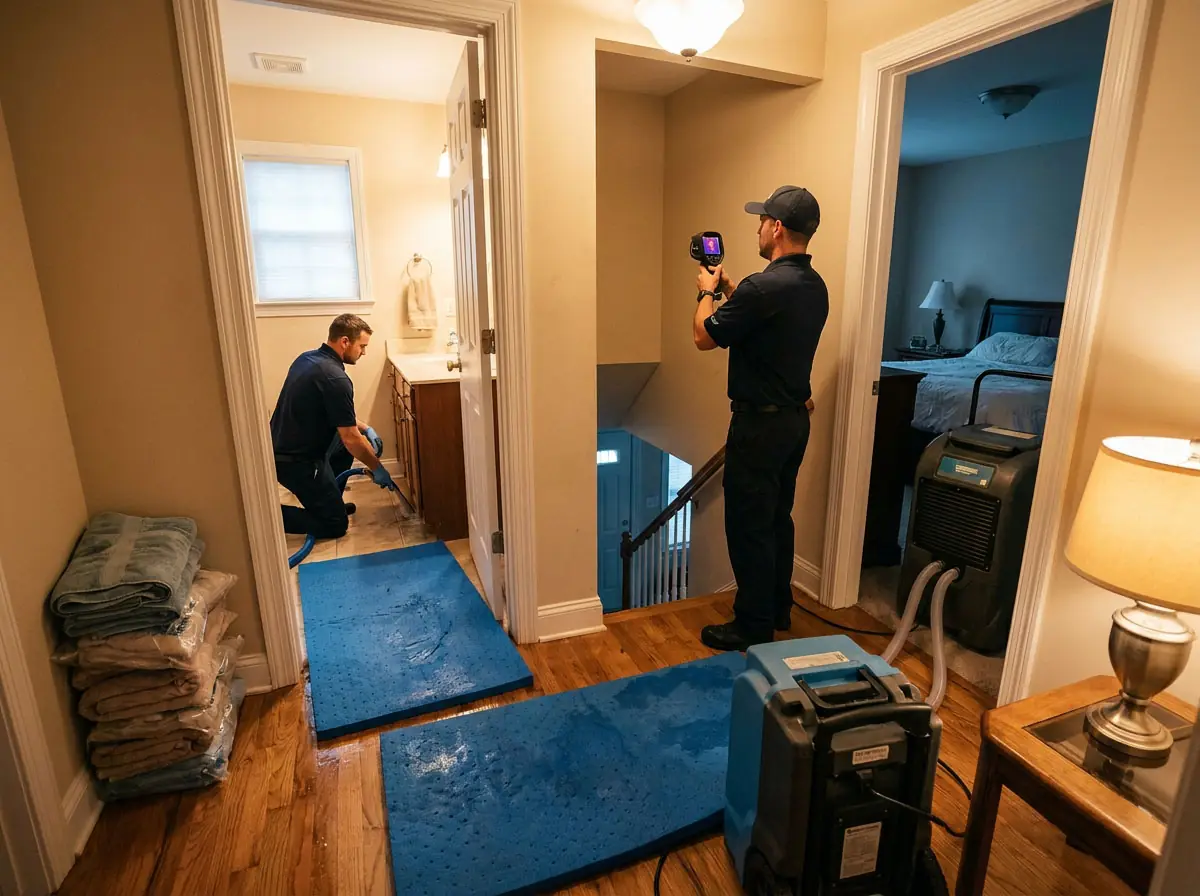
Keep everyone, especially pets and children, away from the contamination site. Leave the heavy lifting to the professionals who possess the industrial grade equipment necessary to sanitize the environment correctly.
The Cost Breakdown: DIY Risks Versus Professional Restoration
Most homeowners assume they are saving money by grabbing a mop and some bleach. In reality, you are likely tripling your future expenses by trapping moisture and bacteria inside your walls and subflooring.
| Expense Factor | DIY Approach | Professional Restoration |
|---|---|---|
| Initial Supplies | Low | Included in Service |
| Health Hazards | Severe/High Risk | Mitigated/Safe |
| Hidden Mold Growth | Guaranteed | Prevented |
| Property Value Loss | High | None |
| Total Long Term Cost | Expensive | Cost Effective |
The DIY route often hides the true damage from view. You might clean the surface, but the sewage wicks upward through the drywall and insulation, leading to structural rot that remains invisible for months.
Professional restoration companies in St. George use industrial grade air scrubbers and thermal imaging to find every drop of contaminated liquid. When you consider the cost of future mold remediation and emergency room visits, the math clearly favors bringing in the pros immediately.
The Real Financial Breakdown
- Biohazard disposal fees: Handling raw waste requires specific permits and expensive hazardous waste containers.
- Industrial equipment rental: You cannot rent the same high grade dehumidifiers and antimicrobial misters that professionals use.
- Insurance compliance: Most carriers will deny claims if they determine your DIY attempt caused secondary damage or cross contamination.

Restoring a Historic St. George Property: A Sewer Backup Case Study
Historic homes near downtown St. George possess incredible charm, but their aging infrastructure is a ticking time bomb for sewer backups. We recently managed a project at a Victorian-era residence where terra-cotta pipes finally collapsed under years of tree root pressure. The result was not just water on the floor, but a total saturation of century-old hardwood and lath-and-plaster walls.
The owner initially thought a quick rinse would fix the problem. By the time our team arrived, the raw waste had already wicked three inches up the baseboards. We had to implement a surgical extraction process to save the original woodwork while ensuring that every hidden void behind the walls was scrubbed of harmful bacteria.
Key Lessons from the Restoration
Handling older properties requires more than standard drying equipment. It demands a deep understanding of how non-porous materials interact with toxic contaminants over time. Here are the critical factors we addressed to prevent future disasters:
- Mapping the original pipe layout to identify hidden weak points.
- Using HEPA-filtered air scrubbers to stop the spread of mold spores during the tear-out phase.
- Applying industrial-grade antimicrobial agents that are safe for porous historic materials.
- Installing backflow prevention valves to shield the property from future municipal line failures.
Every home in St. George, regardless of age, tells a different story once the floorboards come up. Professional intervention does not just clean the mess; it stops the unseen rot that threatens the structural integrity of your house. If you own a piece of local history, do not wait for the foundation to suffer the long-term effects of moisture trapped in the joists.
Insurance Claims and Documentation for Rapid Recovery
Most insurance policies treat sewage backups as a specialized claim, often buried under confusing language about sudden and accidental discharge. You cannot just call your agent and expect a check to appear on your doorstep the next day.
The secret to a smooth claim is forensic documentation. If you do not have proof of the damage before cleanup starts, the adjuster will likely undervalue your loss.
Follow these steps to protect your financial interests:
- Take high-resolution photos of the source of the backup before moving any items.
- Keep a detailed log of every conversation with your insurance adjuster, including names and times.
- Do not throw away damaged porous materials like carpet or drywall until the adjuster has inspected them.
- Obtain a certified estimate from a restoration company that specializes in biohazard mitigation rather than a general handyman.
Your insurance provider will try to limit their payout by suggesting that the damage was due to long-term neglect or a lack of maintenance. Documentation acts as your shield against these common tactics.
Ensure that your professional restoration team provides an itemized report that clearly distinguishes between sanitization costs and general repair work. When your files are organized and transparent, your adjuster has no room to dispute the legitimacy of your claim.
Ensuring Your Home Remains a Safe Sanctuary
Your home should be the one place where you can exhale, not a site of chemical and biological warfare. When a pipe ruptures, the aftermath isn't just a mess; it is a direct assault on the air you breathe and the surfaces your family touches daily.
Choosing to handle Sewage Backup Cleanup as a DIY project is a gamble no homeowner should take. You are risking long term structural rot and the growth of toxic mold that can linger long after the smell fades.
Protecting Your Family Beyond the Cleanup
True restoration requires more than just removing standing water. You need a verified plan to return your living space to a sterile, healthy environment.
- Professional moisture mapping to find water hidden behind baseboards or inside walls.
- The use of hospital grade disinfectants that reach where bleach simply cannot.
- Certified drying protocols that prevent secondary water damage from taking root.
Do not wait for the symptoms of exposure to show up before you realize the severity of the situation. Your health is not a line item you should cut corners on. Trusting the experts to sanitize your property ensures that your sanctuary remains safe, clean, and free from the invisible threats left behind by a sewer disaster.
People Also Ask
Is sewage backup in St George covered by my homeowners insurance?
Most standard homeowners insurance policies exclude damage from sewer backups unless you have added specific sewer and water line coverage to your plan. You should review your policy documents immediately or contact your agent to confirm if your current protection includes this type of event.What health risks are associated with sewage exposure?
Sewage contains harmful bacteria, viruses, and parasites that can cause severe respiratory issues and gastrointestinal illnesses. The CDC guidance emphasizes that direct contact with contaminated water poses a significant threat to your physical well-being.Can I clean up a sewage spill myself if it is only a small amount?
Cleaning up sewage involves significant risks because household products are often ineffective at sanitizing porous materials like carpet or drywall. It is safer to call professionals who use specialized equipment to safely remove hazardous pathogens and prevent long term mold growth.How long does the sewage restoration process take?
The timeline for restoration depends on the extent of the damage, the size of the affected area, and the types of materials involved. A professional team can typically stabilize a property within a few days, though structural drying and complete sanitization may require additional time.Why is professional sewage cleanup necessary?
Professional remediation is essential because sewage is classified as Category 3 black water that requires industrial grade biocides and extraction tools. Experts ensure that every contaminated surface is properly disinfected to keep your home safe and compliant with health regulations.Need Water Damage Restoration Services?
We provide rapid water damage restoration across St. George and surrounding communities to restore your property immediately. Our team delivers professional mitigation services to secure your home or business quickly (84770, 84780, 84790, 84765).
Request Price Estimate