
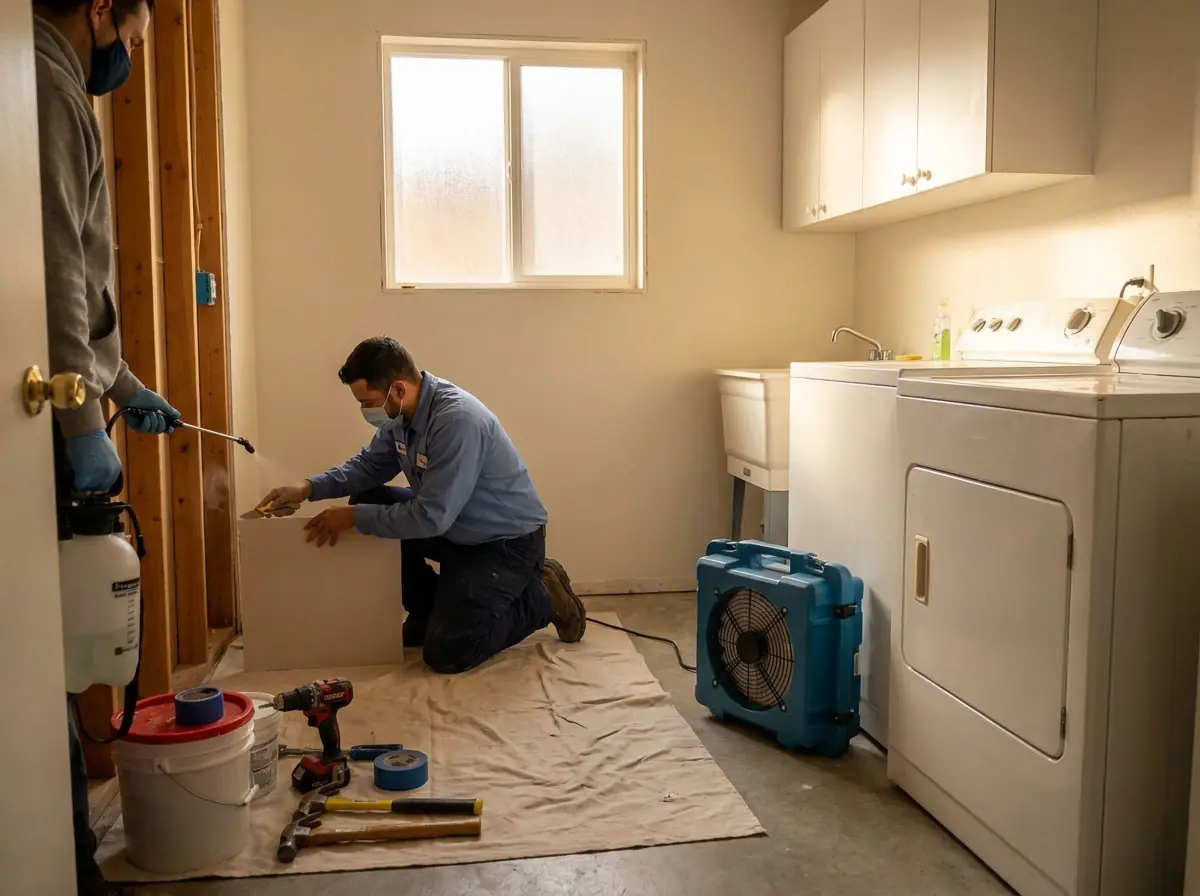


⚡ TL;DR: This informative guide helps Scottsdale homeowners navigate hardwood floor water damage by explaining effective drying methods, repair strategies, and essential prevention tips to protect their valuable interior investments.
📋 What You’ll Learn
Discover how to protect your Scottsdale home from the unique challenges of hardwood floor water damage. We provide expert strategies to mitigate moisture issues and preserve your beautiful, high-end flooring.
- Identify early warning signs quickly so you can distinguish between minor surface moisture and structural issues like cupping or buckling before they cause permanent damage to your expensive wood floors.
- Master immediate mitigation techniques today by learning the correct steps to halt liquid intrusion after a pipe burst or appliance leak to stop the wood from absorbing excess humidity.
- Evaluate professional drying versus DIY to understand why industrial dehumidification and specialized moisture mapping are essential for saving hardwood boards compared to ineffective household fans or simple surface wiping.
- Understand long-term restoration costs accurately by reviewing our detailed breakdowns that cover everything from minor site repairs to full floor replacements following major water damage incidents in Arizona homes.
📖 Reading time: 7 min
✍️ Author expertise: Certified Scottsdale water damage restoration expert with fifteen years of local field experience.
You wake up to the sound of a slow drip in your kitchen, only to step onto a floor that feels like a soggy sponge under your feet. That beautiful, expensive hardwood you invested in is now buckling, cupping, and holding onto water like a trap.
In the dry heat of Scottsdale, you might assume moisture issues aren't your problem, but one broken pipe or leaky supply line can turn your luxury flooring into a total loss in a matter of hours. The clock is ticking, and the wood fibers underneath are already beginning to warp beyond repair.
Ignoring those dark stains or the slight rising of your planks is a recipe for a massive repair bill and hidden mold growth behind your baseboards. Before you grab a hair dryer or try to fan it out yourself, learn the exact steps required to stop the damage and salvage what remains of your floors.

Immediate Actions: How to Halt Rapid Floor Deterioration
When water hits hardwood, it starts a race against time. You have mere hours before the wood begins to absorb moisture and expand, leading to irreversible structural changes.
Your first move is simple but critical: stop the source. If a pipe burst, shut off the main water valve immediately. Do not wait for a plumber to arrive before you cut the supply.
Once the water is off, grab every towel, mop, and shop vac you can find. Your goal is to clear all surface water before it has the chance to seep through the seams of your planks.
Critical steps for the first hour:
- Mop up all standing water from the surface using absorbent towels.
- Use a wet/dry vacuum to extract moisture from the cracks between boards.
- Remove any area rugs or furniture touching the wet wood to prevent trapped moisture.
- Set up industrial fans or dehumidifiers if you have them, but keep the airflow away from the floor surface initially to prevent uneven drying.
Do not be tempted to blast the room with heat. Many homeowners mistakenly use heaters or hair dryers to speed up the process, but this is a huge mistake. Rapid, uneven drying causes the wood to snap, split, and warp much faster than if you just let it be.
Keep your home cool. In our Scottsdale climate, run the air conditioning to help lower the humidity levels throughout the house. A controlled, dry environment is your greatest ally in preventing the spread of moisture into the subfloor.
Assessing the Damage: Identifying Cupping, Crowning, and Buckling
When moisture hits your hardwood, the wood cells absorb water and expand rapidly. This expansion creates internal pressure that leads to three distinct physical distortions you need to watch for in your Scottsdale home.
Think of these signs as your floor shouting for help. If you catch them early, you might save your investment from the trash heap.
- Cupping: The edges of your floorboards rise higher than the center, creating a concave, u-shaped look. This usually happens when the bottom of the board is wetter than the top.
- Crowning: This is the opposite of cupping; the center of the plank rises above the edges, making the floor look slightly rounded. It often occurs if you try to sand down cupped boards before they are fully dried.
- Buckling: The most severe stage of damage where the wood actually pulls away from your subfloor. Your boards may lift several inches, creating trip hazards across your living room.
Do not wait for these signs to worsen on their own. Once you see the wood movement, moisture has already migrated into the subfloor or the space beneath your baseboards.
Check the areas surrounding your plumbing or exterior doors first. If you notice a musty odor or a dull sound when walking on specific spots, those planks are likely already compromised.

Professional Drying Techniques vs. Common DIY Myths
There is a dangerous misconception that cranking up your AC or pointing a few household fans at the floor will dry out deep moisture. In reality, surface evaporation does nothing to touch the water trapped underneath the planks or in the subfloor.
Homeowners often try these methods, but they usually fail because they trap humidity beneath the seal of the wood. This creates a perfect, dark environment for black mold to colonize while the wood continues to rot from the inside out.
The Danger of DIY Drying
- Using heat lamps or hair dryers causes wood to crack and splinter from sudden, uneven shrinking.
- Box fans often blow dust and spores into the damp wood grain, locking contaminants inside.
- Vacuuming the surface cannot pull moisture out of the dense cellular structure of oak or maple.
True restoration requires industrial grade equipment that most homeowners simply do not have access to. We utilize high-pressure drying panels that inject warm, dry air directly into the floor system while simultaneously extracting moisture vapor.
This process is precise. It lowers the moisture content in the wood to equilibrium levels, which is the only way to prevent permanent warping or the need for a total floor replacement.
Restoring Luxury Oak Floors After a Pipe Burst
Last winter, a homeowner in a gated North Scottsdale community dealt with a catastrophic pipe burst directly above their custom, wide-plank white oak flooring. The water had saturated the subfloor, causing the planks to swell and lift within just four hours of the initial break.
By the time we arrived on the scene, the humidity levels in the room had spiked to dangerous levels, threatening the structural integrity of the nearby cabinetry. We didn't just wipe the surface dry; we deployed industrial dehumidifiers and injectidry systems to pull moisture directly from the subfloor and the base of the boards.
Here is how we turned a potential total tear-out into a successful save:
- We immediately established a moisture barrier to stop the spread.
- The team used non-invasive moisture meters to map the saturation points.
- We performed a controlled drying cycle to prevent the oak from splitting due to rapid moisture loss.
- Finally, we sanded and refinished only the affected sections to match the existing luxury stain.
The secret to saving these floors wasn't luck. It was our aggressive moisture extraction process that prevented the wood from hitting the point of permanent cellular collapse. Because we treated the environment as a closed system, the oak was able to return to its original shape without leaving gaps or permanent cupping.

Restoration Cost and Timeline Breakdown: An Informative Table
When your floors get soaked, the financial hit depends entirely on your speed. Waiting even twenty four hours can be the difference between a simple drying process and a full floor replacement.
We see homeowners lose thousands because they wait for the wood to dry on its own. In our desert climate, the top might feel dry, but the subfloor remains trapped with moisture that rots your home from the inside out.
| Service Stage | Estimated Timeline | Cost Impact |
|---|---|---|
| Emergency Extraction | 2 to 6 Hours | Low |
| Industrial Drying | 3 to 5 Days | Moderate |
| Sanding and Refinishing | 4 to 7 Days | High |
| Total Subfloor Replacement | 1 to 2 Weeks | Very High |
These numbers assume you call us the moment you spot the water. If we have to pull up planks to treat the subfloor or address mold growth that has already started to colonize, the costs climb rapidly.
Think of this as an investment in your home value. Paying for a professional setup now saves you from the massive burden of replacing high end hardwood planks that are no longer in production.
Factors That Influence Your Final Bill
Not every water intrusion is the same. Several variables dictate how much you will pay and how long your living room will be out of commission:
- The type of wood species involved.
- Total square footage affected by standing water.
- The duration the moisture sat before discovery.
- Whether the water source was clean, grey, or black.
Restoration is almost always more affordable than a total floor replacement. Do not gamble with your equity by ignoring the signs of moisture.
Preventing Future Water Intrusions in Arizona Homes
Living in the desert doesn't mean your home is immune to water damage. Most Scottsdale homeowners focus on cooling systems, yet they completely ignore the hidden plumbing threats lurking behind their baseboards.
To protect your investment, you need to stay ahead of the curve. Prevention is significantly cheaper than a full floor replacement.
Essential Water Defense Strategies
Start by inspecting the high risk zones in your property. These are the areas where water meets wood, and they require your full attention:
- Check your refrigerator ice maker supply line for brittle plastic hoses that often crack.
- Inspect the shut off valves under every bathroom sink to ensure they are not seized or leaking.
- Install moisture sensors near your dishwasher and washing machine to catch leaks before they reach the living room.
- Maintain your HVAC condensation drain line, as a clogged pipe will often back up and spill water directly onto your expensive flooring.
You should also cultivate the habit of checking your home for silent leaks at least once every quarter. A tiny drip behind a wall can remain invisible for weeks while it rots your subfloor from the inside out.
If you see a sudden spike in your monthly water bill, call a plumber immediately. That high cost is rarely a mistake; it is usually a clear sign that water is escaping somewhere inside your property, slowly eating away at your home frame and finish.
Final Words
Your hardwood floors are a major investment, not just a design choice. When disaster strikes, the speed of your reaction defines whether you save the wood or toss it in the dumpster.
If you suspect moisture is trapped beneath your planks, don't wait for the floor to finish buckling. Professional intervention is the only way to ensure the subfloor is dry and the mold risk is neutralized.
We see the aftermath of failed DIY attempts every single week in Scottsdale. Save yourself the headache by relying on industrial grade extraction rather than household fans or hair dryers.
Protecting Your Investment
Should you face another emergency, remember these core principles to minimize long term loss:
- Turn off the main water supply immediately to stop the flow.
- Call a certified restoration team before the wood fibers hit the point of no return.
- Check our Hardwood Floor Water Damage resource page for more granular details on drying processes.
Every minute your floors sit in standing water, the repair costs climb. Take control, act fast, and keep your Scottsdale home free from permanent damage.
People Also Ask
Can hardwood floors be saved after water damage?
Hardwood floors can often be saved if the moisture is addressed quickly by professionals. The success of the restoration depends on the duration of exposure and the type of wood involved in the flooring.What are the signs of water damaged hardwood floors?
Common signs include cupping, which is when the edges of boards rise, or crowning, where the center of the board elevates. You may also notice dark stains, mold growth, or a warped surface that feels uneven underfoot.How do I dry out wet hardwood floors properly?
Professional restoration teams use specialized industrial dehumidifiers and floor drying mats to pull moisture from deep within the wood fibers. According to the EPA, controlling indoor humidity levels is essential to prevent long term structural damage and mold development.Does insurance cover hardwood floor water damage in Scottsdale?
Most homeowners insurance policies cover water damage caused by sudden and accidental events like a pipe burst. However, coverage for gradual leaks or flood damage often requires separate policies or endorsements.How long does the water damage restoration process take?
The timeline for drying hardwood floors typically ranges from three to seven days depending on the level of saturation. Once the moisture levels are verified as safe, final repairs or floor refinishing can begin to restore the aesthetic appeal of your home.Need Water Damage Restoration Services?
We provide rapid emergency water extraction and structural drying throughout Scottsdale and surrounding communities to restore your property quickly. Our teams are available for immediate deployment to mitigate damage and return your home to a pre-loss condition (85250, 85251, 85255, 85258, 85260).
Request Price Estimate