


⚡ TL;DR: This comprehensive guide helps Salem homeowners manage hardwood floor water damage by outlining effective mitigation steps, professional drying techniques, and the insurance documentation process to protect your investment.
📋 What You’ll Learn
Discover how to protect your beautiful hardwood floors from Salem’s unpredictable moisture issues. This guide provides actionable steps to mitigate water damage and preserve your home investment for years to come.
- Stop the damage immediately by following our expert-tested emergency mitigation steps that prevent moisture from spreading throughout your beautiful hardwood surfaces after a pipe burst or leak.
- Detect hidden structural moisture early by learning how to spot subtle warning signs in your subflooring before these issues turn into costly rot or permanent structural instability.
- Evaluate drying methods effectively to determine when professional dehumidification is required versus when minor DIY efforts are sufficient for minor surface spills or high humidity events.
- Navigate insurance claims confidently using our step-by-step documentation guide designed to help Salem homeowners secure fair coverage for their expensive flooring restoration and repair project costs.
📖 Reading time: 7 min
✍️ Author expertise: Salem restoration specialist with fifteen years of experience mitigating residential water damage crises.
You wake up to the unmistakable, stomach-turning sound of a leaking pipe dripping onto your prized hardwood floors. That rich, polished wood you spent a fortune on is suddenly cupping, buckling, and warping right before your eyes.
Panic is a natural reaction, but it is also the quickest way to ruin your chances of a full recovery. If you act fast and follow the right steps, you can stop the rot and prevent a total floor replacement.
Let's look at exactly what you need to do the moment water touches your floor to protect your biggest home investment from permanent destruction.
Immediate Mitigation Steps to Stop the Spread of Moisture
The first few hours after a water leak are the most critical for your flooring. You are fighting against time, because wood acts like a sponge, soaking up moisture until the fibers swell and warp beyond recognition.
Start by shutting off the water source immediately. If a pipe burst, find your main shut-off valve and turn it clockwise until it stops.
Next, extract as much standing water as you can. Do not just let it sit there while you wait for a crew to arrive.
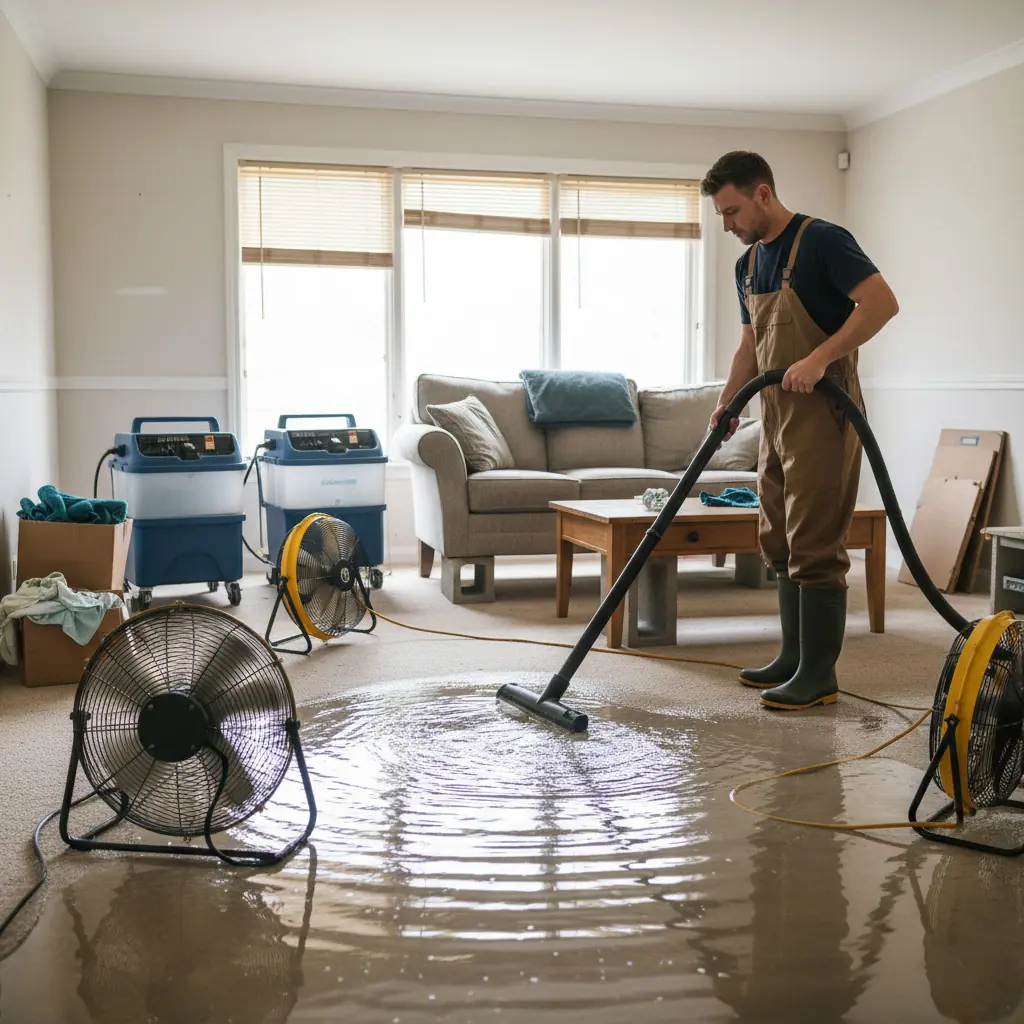
- Use a wet/dry vac to suck up surface water.
- Grab every towel you own to mop up puddles.
- Remove any rugs or furniture that are currently sitting on the damp area.
Do not try to force dry the floor with heat. Many homeowners make the mistake of cranking up the furnace or using hair dryers. This creates a trap; the surface dries and seals, while the moisture remains locked inside the wood, causing it to crack and split later.
Instead, move air through the room naturally. Open windows if the weather in Salem is dry, and set up oscillating fans to encourage evaporation without adding direct heat. This keeps the environment stable while you call in the professionals to handle the deep extraction.
Identifying the Hidden Signs of Subfloor and Structural Saturation
Most homeowners in Salem stop their inspection at the surface, but water is a master of disguise. Once it breaches the finish of your hardwood, it travels downward into the subfloor and joists, creating a ticking time bomb of mold and rot underneath your feet.
If you ignore the foundation, you are simply putting a bandage on a broken bone. You need to look for these silent red flags that indicate the damage has moved deeper than the boards:
- A lingering, musty smell that refuses to go away even after the surface is dry.
- Soft spots on the floor that feel slightly spongy when you walk over them.
- Dark, irregular staining along the edges of the floorboards or near baseboards.
- A sudden increase in indoor humidity levels or persistent condensation on windows in that room.
- Squeaking sounds that were never there before, signaling that the fasteners are pulling loose from a saturated subfloor.
Do not wait for a visual catastrophe to call for help. When structural saturation occurs, the moisture can compromise your home framing, turning a simple floor repair into an expensive structural reconstruction project. If you notice any of these signs, pull back a piece of baseboard or check your crawl space immediately to see if the moisture has started its migration downward.

The Drying Process: Professional Dehumidification vs. DIY Efforts
Most homeowners assume that aiming a box fan at their wet floor will solve the problem. Unfortunately, that is a costly mistake.
Wood is a hygroscopic material; it breathes and absorbs moisture from the air and subfloor like a sponge. Simply blowing air across the surface ignores the trapped humidity underneath the planks, which leads to mold growth and permanent rot.
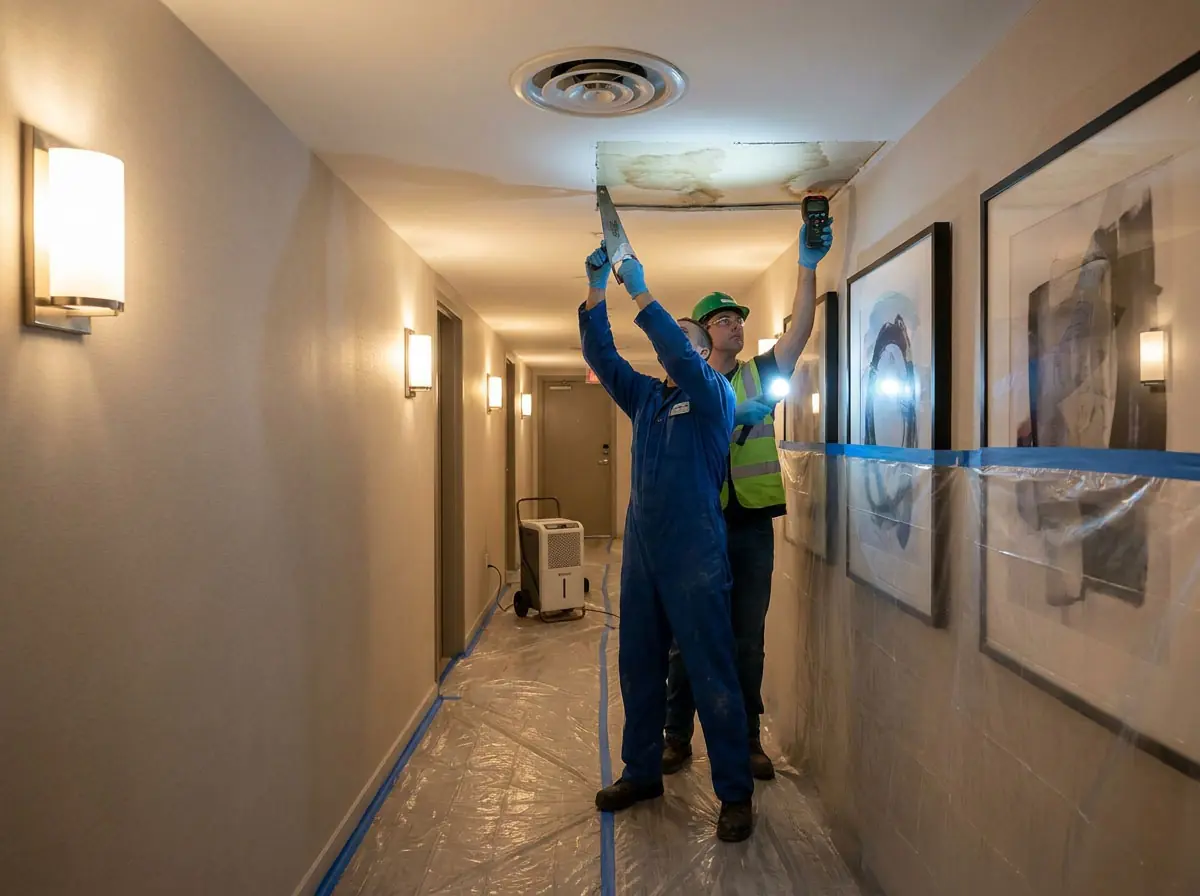
Professional restoration teams in Salem use industrial-grade equipment designed to force moisture out of deep, dense fibers. We do not just dry the surface; we create a controlled climate that draws water out of the subfloor while maintaining the structural integrity of your hardwood.
Why Rental Equipment Fails
Home improvement stores rent out standard dehumidifiers, but these are toys compared to the LGR (Low Grain Refrigerant) machines we bring to the site. These machines pull moisture out of the air even when your home environment is already dry.
Consider the difference between these two approaches:
- DIY Methods: Rely on household fans and room temperature, often forcing moisture further into the joists and subfloor.
- Professional Dehumidification: Uses balanced airflow and dehumidification chambers to safely extract water without causing the wood to crack from rapid, uneven drying.
If you force wood to dry too fast, it will splinter and split. Our technicians monitor the moisture content daily using specialized moisture meters to ensure the boards reach their target equilibrium without losing their original shape.
Hardwood Species Resilience and Restoration Costs
Not every floor is built the same. When a pipe bursts in your Salem home, the wood species plays a massive role in how much punishment it can take before the damage becomes irreversible.
Some dense hardwoods hold their ground against moisture, while softer varieties act like a sponge. Understanding where your flooring stands can mean the difference between a quick dry out and a complete tear out.
| Wood Species | Water Resilience | Relative Restoration Cost |
|---|---|---|
| White Oak | High | Moderate |
| Red Oak | Moderate | Moderate |
| Pine | Low | High |
| Maple | Moderate | High |
| Exotic Teak | Very High | Low |
Soft woods like pine soak up moisture with aggressive speed. Once that grain is saturated, the cells expand rapidly and often refuse to shrink back to their original shape.
Dense woods like White Oak offer a tighter cellular structure. This gives you a much wider window to call a professional team before the boards permanently cup or split.
Factors That Influence Your Final Bill
The cost to save your floor is rarely just about the species. It is about the level of saturation in the subfloor and the time spent on specialized drying equipment.
- Deep water penetration often requires sanding and refinishing, which adds labor hours.
- Warping boards might need to be replaced individually, matching the stain to existing wood.
- Total floor failure happens if the subfloor rots, forcing a complete replacement of the entire system.
If you see your boards starting to crown or buckle, do not wait for them to dry on their own. The longer those fibers stay swollen, the more likely you are to pay for a full replacement instead of a simple refinish.

Rescuing Historic Oak Flooring After a Salem Kitchen Pipe Burst
Last winter, a century-old home in the historic district of Salem faced a catastrophe when a kitchen supply line failed overnight. The homeowners woke up to find over 300 square feet of original white oak flooring submerged in an inch of standing water.
Most contractors advised a total demolition. However, our team understood that once these historic planks are pulled up, they are often impossible to match in grain or patina.
We immediately established a containment zone to stabilize the environment. Instead of ripping out the wood, we utilized specialized weighted drying systems to pull moisture directly through the boards without causing further splitting.
The results were clear after only 72 hours of intensive monitoring:
- The cupping receded by 90 percent.
- Structural integrity of the subfloor remained intact.
- The original finish was salvaged, saving the owner thousands in refinishing costs.
This success highlights why immediate professional intervention beats a quick teardown every time. When you have high-quality hardwood, you should never assume it is a total loss until an expert measures the moisture content deep within the wood grain.
Navigating Insurance Claims and Documentation for Water Damage
Insurance companies are not in the business of handing out checks; they are in the business of minimizing payouts. If you want your claim approved for your Salem home, you must treat your floor restoration like a courtroom case.
Documentation is your primary weapon. Before you move a single board, grab your smartphone and capture high quality evidence of the damage.
Essential Steps for Your Claim
- Take wide angle photos showing the full extent of the water intrusion.
- Record close up videos of the specific buckling or warping patterns.
- Save receipts for any immediate mitigation supplies you purchased, such as fans or dehumidifiers.
- Keep a detailed log of every phone call made to your adjuster, including names and times.
Do not throw away damaged wood samples or wet underlayment until the adjuster has inspected them. Sometimes, they need physical proof of the saturation levels to justify a full replacement rather than a simple repair.
If you fail to provide a clear paper trail, you might end up paying out of pocket for damage that should have been covered. Always request a written scope of work from your restoration contractor, as this serves as a critical third party verification for your insurance carrier.
Final Words
Time is not your friend when liquid hits your timber. Every hour you spend debating your next move is an hour the wood drinks deeper, swelling and distorting your boards beyond the point of no return.
You have invested thousands into the aesthetic and value of your home. Protecting that asset requires a calm head and professional-grade equipment.
If you have seen signs of standing water or moisture beneath your planks, do not wait for the floor to begin rotting. You can find more professional guidance on our main page for Hardwood Floor Water Damage to see how we handle these emergencies.
Three Golden Rules for Your Floors
- Shut off the source. If you cannot stop the flow, you cannot stop the damage.
- Document everything. Take high-quality photos before moving any furniture or starting clean-up efforts.
- Call in the pros. Surface drying often hides moisture trapped in the subfloor, which will inevitably lead to mold and rot later.
Restoring a water-logged floor is a specialized trade. It is not just about drying the surface, but ensuring the structural integrity of your home remains rock-solid for years to come.
Make the smart choice today. Secure your property, save your finish, and stop the hidden decay before it claims your investment.
People Also Ask
Can hardwood floors be saved after water damage?
Yes, hardwood floors can often be saved if professional drying begins within 24 to 48 hours. Quick action prevents warping, cupping, and permanent structural damage to the wood fibers.How do I know if my subfloor is wet under the wood?
You may notice a musty odor, soft spots when walking, or darkening of the floorboards. Experts use specialized moisture meters to detect saturation beneath the surface that is not visible to the naked eye.What is the professional process for drying hardwood floors?
Professionals use high-capacity dehumidifiers and specialized floor drying mats that force air directly into the wood. According to the EPA guidelines, controlling moisture is essential to preventing mold growth in your home.Does homeowners insurance cover water damage to hardwood floors?
Most standard homeowners insurance policies cover water damage if it results from a sudden or accidental occurrence, such as a burst pipe. However, damage caused by long term neglect or flooding usually requires a separate policy.Should I use a dehumidifier for wet floors in Salem?
While a household dehumidifier helps, it is typically insufficient for deep water saturation in hardwood. Professional industrial equipment is necessary to pull moisture from the subfloor to prevent long term warping and wood rot.Need Water Damage Restoration Services?
We provide rapid water damage restoration and structural drying services to restore your property in Salem and surrounding areas. Our team acts immediately to mitigate loss and return your home or business to a safe condition (97301, 97302, 97303, 97304, 97306).
Request A Quote