
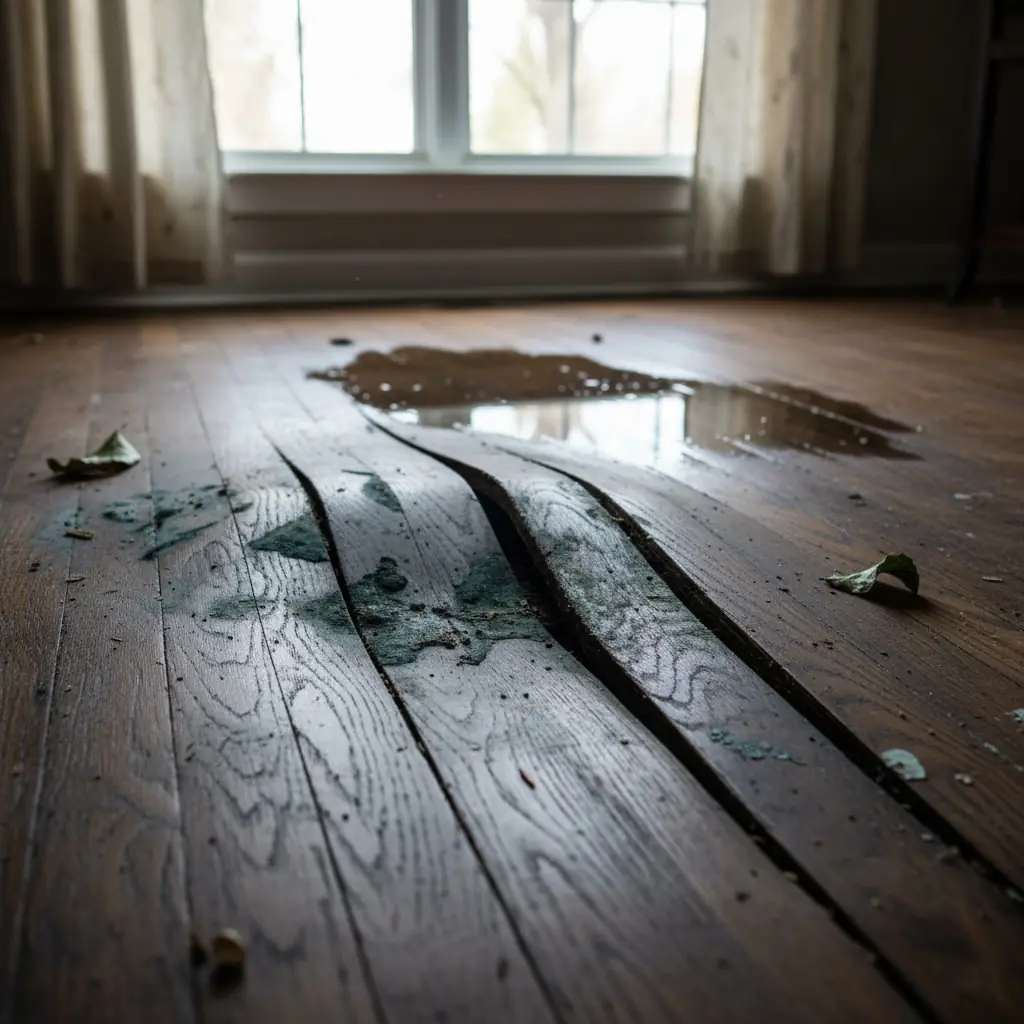


⚡ TL;DR: When dealing with a sewage backup cleanup in Rochester, you should avoid common DIY errors and prioritize professional assistance to ensure your home remains safe and healthy.
📋 What You’ll Learn
Navigating a sewage backup in Rochester is a daunting experience. This article provides essential guidance to ensure your home recovery remains safe, effective, and compliant with local environmental health standards.
- Identify hidden health hazards found in Rochester sewer water so you can protect your family from pathogens, bacteria, and toxic contaminants that linger after a basement flood.
- Avoid common cleaning mistakes by learning why standard household supplies are ineffective and dangerous when managing a Category 3 loss caused by broken sewer lines or drains.
- Contain the contamination effectively using our expert step by step protocol designed to stop the spread of hazardous waste throughout your property during an active emergency situation.
- Evaluate DIY versus professional restoration with our detailed comparison table to help you decide when your specific backup situation requires the specialized tools of certified industry technicians.
- Address the root cause of your backup to ensure that your home remains protected against future sewage emergencies after the initial cleanup process has been successfully completed.
📖 Reading time: 7 min
✍️ Author expertise: Rochester water damage restoration specialist with decades of field experience mitigating sewage disasters.
You wake up to a sound you never want to hear, a sickening gurgle coming from your basement floor drain. Within minutes, raw sewage is creeping across your floor, turning your home into a hazardous waste zone that smells like pure disaster.
Most homeowners in Rochester react with pure panic, grabbing a mop or a shop vac to stop the tide. This is the exact moment they make the biggest, most expensive mistake of their lives.
Handling a sewer backup requires more than just soap and water. If you want to protect your family from toxic pathogens and save your property from a complete teardown, you need to stop what you are doing and read these critical warnings first.

Why Your Household Cleaning Supplies Are Dangerous in a Category 3 Loss
Most homeowners grab a bottle of bleach or a kitchen degreaser the moment they see sewage on their basement floor. They think they are killing germs, but they are actually triggering a chemical reaction that makes the situation worse.
Standard household products are not formulated to neutralize the biological load found in Category 3 black water. When you mix common cleaners with the ammonia present in raw sewage, you risk creating toxic gases that are far more dangerous to breathe than the waste itself.
Your grocery store supplies are simply insufficient for the task. They fail because they cannot penetrate porous surfaces like concrete or wood to stop bacterial growth at the source.
The Hidden Hazards of DIY Sanitization
Using a standard mop or a shop vacuum is the fastest way to spread microscopic pathogens across your entire home. Here is why your cleaning closet is failing you during a sewer backup:
- Shop vacuums are not airtight. They exhaust contaminated air into your home, essentially acting as a distribution system for fecal matter and dangerous mold spores.
- Bleach is a surface agent. It sits on top of porous materials like basement subfloors and drywall, leaving the harmful bacteria to multiply undisturbed beneath the surface.
- Cross contamination is inevitable. Once your mop head touches that black water, it becomes a biological weapon. Every time you dip it back into your bucket, you are creating a concentrated sludge of pathogens.
Stop trying to scrub the area yourself. You are not just cleaning; you are unknowingly aerosolizing toxic waste. Every time you wipe or spray, you kick particles into the air, which then settle on your furniture, your HVAC vents, and your clothing.
The Critical Health Risks Lurking in Rochester Sewer Water
When raw sewage invades your Rochester home, you are not just dealing with a mess; you are facing a biological hazard zone. This liquid waste contains high concentrations of bacteria, viruses, and parasites that thrive in waste. These pathogens can enter your body through simple contact or by breathing in the microscopic droplets released into the air.
Exposure to this environment can lead to severe illnesses that develop rapidly. The most common threats include:
- E. coli and Salmonella which cause intense gastrointestinal distress.
- Hepatitis A, which can be transmitted through contact with fecal matter.
- Giardia and Cryptosporidium, which are resistant parasites that cause persistent sickness.
- Tetanus, especially if you suffer a small cut or scrape while moving items near the water.
You might think your immune system can handle it, but raw sewage carries a toxic load that the average household environment simply cannot neutralize. If you suffer from underlying health conditions or have young children in the house, even short term exposure to the fumes or direct contact with the moisture can lead to serious respiratory issues or skin infections. Do not gamble with your family's health by trying to handle the cleanup without proper medical grade protective gear and professional biocides.

Step-by-Step Emergency Actions to Contain the Contamination
When sewage floods your basement, your primary objective is to isolate the threat. Do not attempt to scrub the area; you are only spreading microscopic pathogens deeper into your home’s porous materials.
Instead, follow these immediate containment steps to stop the situation from escalating into a total structural disaster:
- Turn off the main water supply to your home immediately. This stops the flow if the backup is caused by internal plumbing failures.
- Avoid using any toilets, showers, or sinks until a plumber clears the blockage. Anything you flush or drain will likely end up back on your basement floor.
- Seal off the affected area by closing doors. Use duct tape and plastic sheeting to cover vents or gaps under doors to prevent contaminated air from circulating through your HVAC system.
- Turn off your furnace or air conditioner. A running fan will act as a distribution system for airborne mold spores and bacteria.
Once you have physically secured the perimeter, stay out of the contaminated zone entirely. If you have been walking through the mess, remove your shoes and contaminated clothing in a safe area, then wash your skin thoroughly with hot water and anti-bacterial soap.
Your goal is to prevent cross-contamination. Every step you take outside the affected area spreads waste further, turning a basement issue into a whole-house health crisis that requires professional remediation.
Comparing DIY Cleanup vs. Professional Restoration: A Side-by-Side Table
Many homeowners think they can save a few bucks by tackling a sewage backup with a mop and a bucket. This is a dangerous gamble that ignores the toxic reality of Category 3 water.
When you handle raw waste, you are exposing yourself to viruses, bacteria, and parasites that can cause long term health issues. Professionals use specialized gear and industrial sanitizers to ensure the basement is actually safe to inhabit again.
| Feature | DIY Cleanup | Professional Restoration |
|---|---|---|
| Safety Equipment | Basic gloves and masks | Full PPE and respirators |
| Cleanup Tools | Household mop and shop vac | Industrial pumps and HEPA scrubbers |
| Pathogen Control | Ineffective surface wiping | Hospital grade antimicrobial treatment |
| Property Value | Risk of lingering mold and odor | Certified structural decontamination |
Why Professionals Outperform the Bucket Method
Cleaning up sewage is not just about moving liquid from point A to point B. It is about extraction, sanitization, and drying to prevent the hidden growth of mold behind your walls.
If you miss even a small pocket of moisture, you are inviting structural rot. Here is what you lose when you skip the experts:
- Deep Decontamination: Professionals use biocides that kill bacteria on contact, something basic store bought bleach cannot do.
- Moisture Detection: Experts use thermal imaging to find water trapped inside flooring and insulation.
- Insurance Documentation: Professional reports are essential for filing accurate claims with your homeowners policy.
Attempting this yourself often results in cross contamination throughout your home. You might think the basement is clean, but your shoes have already tracked microscopic pathogens into the living room and kitchen.
Do not let a temporary mess turn into a permanent health hazard for your family. A professional team brings the right tools to finish the job in hours, not weeks.

Lessons from a Basement Sewage Recovery in Rochester
Last winter, we handled a call from a homeowner in the Highland Park area whose basement turned into a biohazard zone after a main line clog. He initially tried to bail out the standing water with a bucket and a household shop vacuum, thinking he could save a few bucks by doing it himself.
He failed to realize that Category 3 water is not just dirty; it is a cocktail of bacteria, viruses, and parasites. By the time we arrived, he had tracked sewage residue throughout his first floor and unknowingly aerosolized toxic particles into the HVAC system.
The Real Costs of DIY Exposure
We had to strip the walls four feet high, remove all carpeting, and perform an intensive microbial cleanup that cost three times more than if he had called us the second the floor drain gurgled. The lesson here is simple: what you cannot see will hurt you.
- His DIY cleanup spread contamination to the living room carpet.
- The shop vac he used became a contaminated piece of equipment that had to be disposed of.
- He spent two days in bed with a fever shortly after the exposure.
Our team spent a week using industrial grade dehumidifiers and antimicrobial agents to make the home safe for his family to inhabit again. Professional restoration is about more than just drying the floor; it is about guaranteeing your home is actually sanitary again.
Identifying and Addressing the Root Cause of Your Sewer Backup
Cleaning the mess is only half the battle. If you do not find out why the sewage backed up in the first place, you are simply setting yourself up for a repeat disaster next month.
Most backups in the Rochester area stem from aging infrastructure or external blockages that you cannot fix with a bottle of drain cleaner. You need to identify the culprit before you consider your home safe again.
Common Culprits Behind Rochester Sewer Failures
- Tree Root Intrusion: Roots seek out moisture and will crush or crack older clay sewer lines.
- Main Line Blockage: A buildup of grease, hair, or non-flushable items in the city main.
- Structural Collapse: Rochester winters and shifting soil can cause pipes to sag or break underground.
- Combined Sewer Systems: Heavy rainfall can overwhelm local capacity, pushing waste back into your floor drains.
Once the property is sanitized, we highly recommend a professional video camera inspection of your sewer lateral. This allows us to see exactly what is happening inside your pipes without tearing up your yard.
If the pipe is cracked or obstructed, simply clearing the drain is a temporary fix. You must address the structural integrity of your line to ensure you are not dealing with raw sewage in your basement every time it rains.
Final Words
When raw sewage invades your home, your window for saving your property is shockingly small. Every hour you spend debating your next move allows bacteria and fungi to dig deeper into your drywall, floorboards, and insulation.
If you take nothing else away from this guide, remember that sewage backup cleanup is not a home improvement project. It is a biological hazard mitigation process that requires industrial-grade sanitization.
Your goal is to stop the spread and secure the area, then step back and bring in the specialists. Professionals have the specialized drying equipment and chemical agents required to render a home safe for human habitation again.
Three Golden Rules for Survival
- Never touch, step in, or attempt to clean sewage without professional-grade personal protective equipment.
- Shut off your electricity to the basement immediately if there is standing water near outlets or appliances.
- Contact our team at the first sign of a backup to prevent secondary damage and mold growth.
Do not gamble with the health of your family or the structural integrity of your Rochester home. Trying to save a few dollars by doing it yourself will often lead to thousands of dollars in hidden repair costs later.
Leave the heavy lifting to the pros who handle this every single day. A dry, clean, and healthy home is worth far more than the temporary relief of a quick DIY fix.
People Also Ask
Is sewage backup covered by standard homeowners insurance in Rochester?
Most standard homeowners insurance policies in Rochester do not cover sewer backups unless you have added a specific endorsement for water and sewer backup coverage. It is critical to contact your insurance agent immediately to verify your policy limits before you begin any cleanup efforts.How do I know if the sewage backup is a category 3 water loss?
A category 3 loss, also known as black water, involves water that is highly contaminated with pathogens, bacteria, and fecal matter. According to the EPA guidelines, this type of water poses a severe health risk to anyone who comes into contact with it.Why should I avoid cleaning up a basement sewer backup myself?
Attempting to clean a sewage backup without professional equipment exposes you to dangerous pathogens and toxic fumes. Professionals use industrial grade sanitizers and containment strategies to ensure the environment is safe and that mold does not develop in the porous materials of your home.How long does it take for mold to grow after a sewage backup?
Mold can begin to grow on wet surfaces and organic materials within 24 to 48 hours following a sewage backup. Because sewage contains high levels of nutrients, mold colonization can happen much faster than with clean water damage.Can a sewage backup be caused by the city sewer line?
While many backups are caused by private blockages within your home plumbing, some are caused by issues in the main city sewer line. If you suspect a municipal issue, contact the local water department to report the problem and determine who is responsible for the blockage.Need Water Damage Restoration Services?
We provide rapid water damage restoration across Rochester and surrounding communities to return your property to a safe, dry condition. Our team delivers immediate emergency response to mitigate structural damage and prevent secondary issues (14607, 14618, 14620, 14623, 14625).
Request Price Estimate