
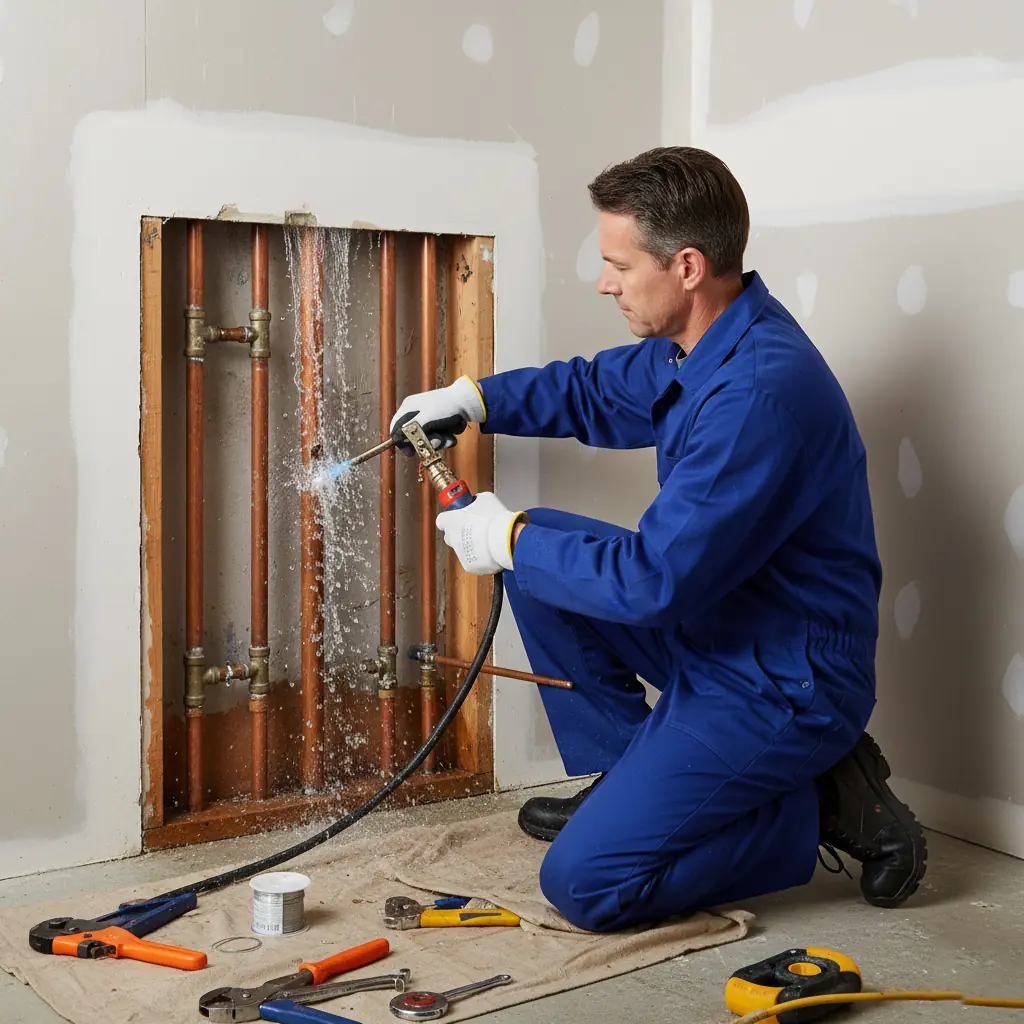


⚡ TL;DR: This comprehensive guide explains how Rochester residents can effectively manage burst pipe cleanup by taking immediate action, working with restoration experts, and navigating the complex insurance claims process.
📋 What You’ll Learn
Dealing with a burst pipe during a Rochester winter is stressful, but this guide provides essential steps to mitigate property damage and effectively navigate the restoration process like a pro.
- Stop the water flow immediately by locating your main shutoff valve and understanding exactly how to drain your pipes to prevent further flooding and foundation damage to your property.
- Detect hidden moisture traps inside your walls and subfloors that can lead to hazardous mold growth if they are not professionally addressed during the critical drying phase of restoration.
- Compare DIY versus professional restoration to understand why professional industrial-grade equipment is often required to fully extract water from Rochester homes compared to standard household tools and shop vacuums.
- Navigate insurance claims successfully by documenting your property damage accurately and communicating effectively with adjusters to ensure you receive the full coverage you deserve for your necessary repair work.
📖 Reading time: 7 min
✍️ Author expertise: Rochester water damage restoration specialist with decades of real field experience in winter repairs.
The temperature in Rochester drops, your pipes groan, and suddenly your basement becomes an indoor swimming pool. It is the kind of nightmare that turns a quiet Tuesday night into a scramble for buckets and towels while your hardwood floors warp in real-time.
Most homeowners panic, grab a mop, and hope for the best. But the people who have lived through a Rochester winter know that water is a destructive force that hides behind your drywall, waiting to rot your home from the inside out.
You do not have to be another victim of a surprise indoor flood if you know exactly how to stop the damage before it gets worse. Here is the step-by-step game plan smart locals follow to save their property when the plumbing gives way.
Immediate Actions: How to Shut Down the Flow and Protect Your Home
The moment you hear that rushing sound or see water pooling near your floorboards, you need to act. Seconds count when high-pressure water is involved, and every minute of delay adds hundreds of dollars to your repair bill.
First, find the main water shut-off valve and kill the supply immediately. In most Rochester homes, this is located in the basement, near the front foundation wall, or right next to your water meter.
Do not wait to see where the pipe is broken. Turning the water off at the main source is the only way to stop the bleeding.
Once the water is off, follow these critical steps to stop further spread:
- Cut the power to the affected area at the breaker panel if water is near electrical outlets or appliances. Safety is your number one priority, and water and electricity are a deadly mix.
- Open all windows or turn on high-powered fans if it is safe to do so. Ventilation is the cheapest tool you have to slow down the initial saturation of your walls.
- Move your valuables, electronics, and area rugs to a dry location. If the water is rising quickly, focus on items that are not bolted to the floor.
Do not try to mop up a massive flood with kitchen towels. You are fighting a losing battle against porous materials that absorb water deep into their fibers.
Instead, focus on draining standing water once the source is locked out. A wet-dry vacuum can handle smaller puddles, but stay clear of the area if you suspect the water has reached live wiring.
Beyond the Surface: Identifying Hidden Moisture Traps in Walls and Floors
Most folks think a burst pipe is only a problem where the water is visible. That is a dangerous mistake. Water acts like a sneaky intruder in your home, seeking out the darkest, most porous spots to settle in and start a slow, destructive process of decay.
Even after you mop up the puddles, moisture often remains trapped behind drywall, under vinyl flooring, and inside your insulation. If you leave these areas damp, mold will begin to colonize your walls in as little as forty eight hours.
Common Trouble Spots for Hidden Water
To stop rot before it starts, you need to inspect areas where water tends to collect and linger. Use your eyes and your nose to find these hidden traps:
- Wall Cavities: Water seeps behind baseboards and saturates the bottom plate of your wall studs.
- Subfloor Saturation: Moisture wicks into the wood underneath your hardwood or carpet, leading to permanent warping.
- Insulation Sponges: Fiberglass insulation acts like a giant sponge, holding water long after the surface feels dry to the touch.
- Ceiling Pockets: If the pipe burst on an upper floor, check the ceiling of the room below for sagging spots or discoloration.
Do not wait for a musty smell to tell you there is a problem. A moisture meter is the best tool for this job. By pressing the prongs against your drywall or flooring, you can detect if the humidity levels inside your building materials are high enough to support mold growth. If the numbers are climbing, you have a deep moisture issue that needs professional-grade drying equipment to fix.

The Hidden Cost of DIY: A Service Options Comparison Table
Many Rochester homeowners think a couple of fans and a shop vac will solve a burst pipe disaster. They assume they are saving cash by doing it themselves. In reality, they are often just masking the symptoms while mold begins to colonize behind the baseboards.
| Service Feature | DIY Cleanup | Professional Restoration |
|---|---|---|
| Water Extraction | Basic shop vac | Industrial grade pumps |
| Moisture Detection | Visual check | Thermal imaging |
| Structural Drying | Open windows | Dehumidification units |
| Mold Prevention | Surface spray | Antimicrobial treatment |
| Time Investment | Days of labor | Rapid response |
When you handle the drying process alone, you miss the water that wicks into your subfloor and wall cavities. This trapped moisture does not simply evaporate. It creates a breeding ground for toxic mold spores that can impact your air quality for months.
Think about the long term value of your property. Professional restoration provides documented proof that the site was treated correctly. This is crucial if you ever decide to sell your home or file an insurance claim.
Why Precision Matters
- Standard fans just move wet air around the room.
- Professional dehumidifiers physically pull moisture from materials.
- Improper drying often leads to expensive structural rot.
Hiring experts is not just about cleaning up the mess today. It is about protecting your foundation and framing from permanent damage. Spending a little on the front end saves you thousands in repairs later on.
Professional Restoration: The Science of Drying Rochester Homes
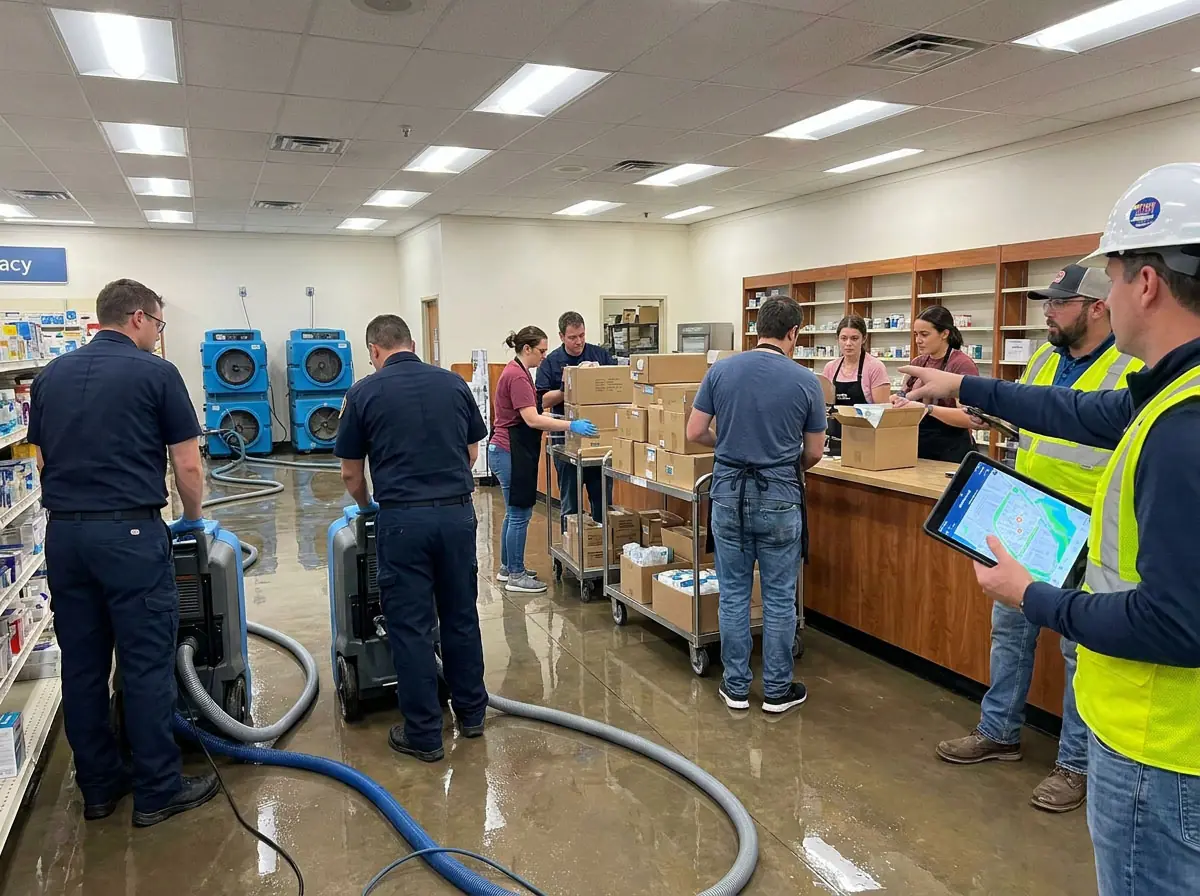
When water strikes, the clock starts ticking immediately. You might be able to mop up the surface, but industrial-grade drying is about moving moisture out of the materials you cannot see. Professional restoration relies on a calculated mix of physics and specialized gear to pull water vapor out of your structure before it triggers a mold bloom.
Our process focuses on three core pillars that exceed what any shop vacuum can handle:
- Dehumidification: We place high-capacity units that act like industrial sponges, pulling moisture from the air to force evaporation in your walls and floors.
- Air Movers: These machines create a targeted airflow pattern to speed up evaporation. It is not just about blowing air; it is about directing it to where the water is trapped.
- Moisture Mapping: Using thermal imaging and moisture sensors, we track exactly where the water is hiding behind your baseboards or under your flooring.
Stopping the rot requires an exact balance of temperature and airflow. If the drying process is too fast, you risk cracking wood flooring or warping drywall. If it is too slow, you are just inviting fungus to take root in your insulation. Scientific restoration ensures the humidity levels return to a safe baseline, protecting your family and your property value from the long-term effects of a burst pipe.

Preventing the Freeze: Lessons from a Rochester Basement Recovery Case Study
I recall a client in the Irondequoit area who learned this lesson the hard way last February. They left a garden hose attached to an outdoor spigot, thinking a small cap would protect the interior pipes from our brutal local freeze. Within twenty-four hours, the pressure backed up into the foundation wall, cracked a supply line, and flooded their finished basement with two inches of standing water.
The mistake wasn't just the hose; it was the lack of insulation around vulnerable basement utility lines. Smart Rochester homeowners treat their pipes like living things that need warmth, wrapping exposed lines in foam sleeves and keeping cabinet doors open during extreme sub-zero snaps to ensure household heat reaches the plumbing.
Critical Freeze Protection Tactics
Stop the next disaster before it starts by following these proven tactics:
- Seal off drafty vents or foundation cracks near your basement pipes with expandable foam or weather stripping.
- Install a smart leak detection system that alerts your smartphone the second it senses moisture near the floor.
- Keep your thermostat set to at least 55 degrees, even if you are heading south for a winter getaway.
- Disconnect and drain all outdoor garden hoses before the first hard frost of November hits the region.
Even if you do everything right, sometimes a pipe fails due to the sheer age of your home's infrastructure. When that happens, immediate action determines whether you suffer a minor inconvenience or a total gut renovation. Speed matters, and having a local expert on standby is the ultimate form of home insurance.
Navigating Insurance Claims Without Leaving Money on the Table
Filing a claim after a burst pipe feels like fighting a giant with a toothpick. Most Rochester homeowners make the mistake of calling their insurance agent before they have documented the actual damage.
Your insurer wants to settle quickly, often for the lowest possible amount. To keep your payout fair, you must treat your water damage claim like a professional audit.
Follow these steps to protect your financial interests:
- Take high resolution photos of everything before you move a single box.
- Save physical samples of damaged carpet or padding for the adjuster.
- Keep a detailed log of every person you speak with at the insurance company.
- Get a written estimate from a certified restoration company rather than relying solely on the adjuster's assessment.
Many homeowners also forget that local policies often cover the secondary costs of a flood. If your kitchen is unusable or the air quality is unsafe, you might be entitled to coverage for temporary housing or storage fees.
Do not sign any "full and final" settlement checks until you are 100% sure your home is fully dried out. Once the check is cashed, finding mold six months later becomes your problem, not theirs.
Final Words
When the pipes burst, time is your worst enemy. Every hour you wait allows moisture to seep deeper into your joists and insulation, turning a simple repair into a structural disaster.
If you find yourself staring at standing water in your Rochester home, stop guessing and start acting. Our team specializes in Burst Pipe Cleanup, and we know exactly where the hidden pockets of moisture are hiding.
You have worked hard to build a home here in Western New York. Don't let a faulty pipe ruin your investment because you tried to save a few bucks with a shop vac and a prayer.
What to do right now
- Call a professional restoration team to inspect the damage before mold sets in.
- Document every single inch of destruction for your insurance adjuster.
- Turn off the main water supply immediately to prevent further flooding.
Taking action now is the difference between a minor inconvenience and a massive insurance nightmare. Keep our contact information handy, because in Rochester, it is not a matter of if the weather will attack your home, but when.
People Also Ask
How quickly should I begin burst pipe cleanup in Rochester?
You should start the cleanup process immediately to prevent secondary damage like mold growth and structural decay. Acting within the first 24 to 48 hours is critical to salvaging your property and belongings.Will my insurance policy cover water damage from a burst pipe?
Most standard homeowners insurance policies cover sudden and accidental water damage caused by burst pipes. However, coverage often excludes issues resulting from lack of maintenance, so check your policy details carefully. According to guidelines from the Federal Agency, documentation of the incident is vital for a successful claim.Why is professional moisture detection necessary after a pipe bursts?
Water often travels behind walls, under floorboards, and inside insulation where it remains hidden from the naked eye. Professionals use industrial grade sensors to locate these pockets of moisture and prevent long term issues like rot or wood warping.How do I prevent pipes from freezing during Rochester winters?
To protect your home, keep your thermostat set to at least 55 degrees during cold snaps and open cabinet doors to allow warm air to reach pipes under sinks. You should also disconnect garden hoses and insulate any exposed plumbing located in unheated areas like basements or garages.Is it safe to clean up a burst pipe myself?
Small spills can sometimes be managed with a shop vacuum and fans, but significant flooding requires professional water extraction equipment. Attempting a DIY cleanup often leads to trapped moisture, which poses a serious risk of toxic mold development in your home.Need Water Damage Restoration Services?
We provide rapid water damage restoration across Rochester and surrounding communities to return your property to a safe, dry condition. Our team delivers immediate emergency response to mitigate structural damage and prevent secondary issues (14607, 14618, 14620, 14623, 14625).
Request Price Estimate