
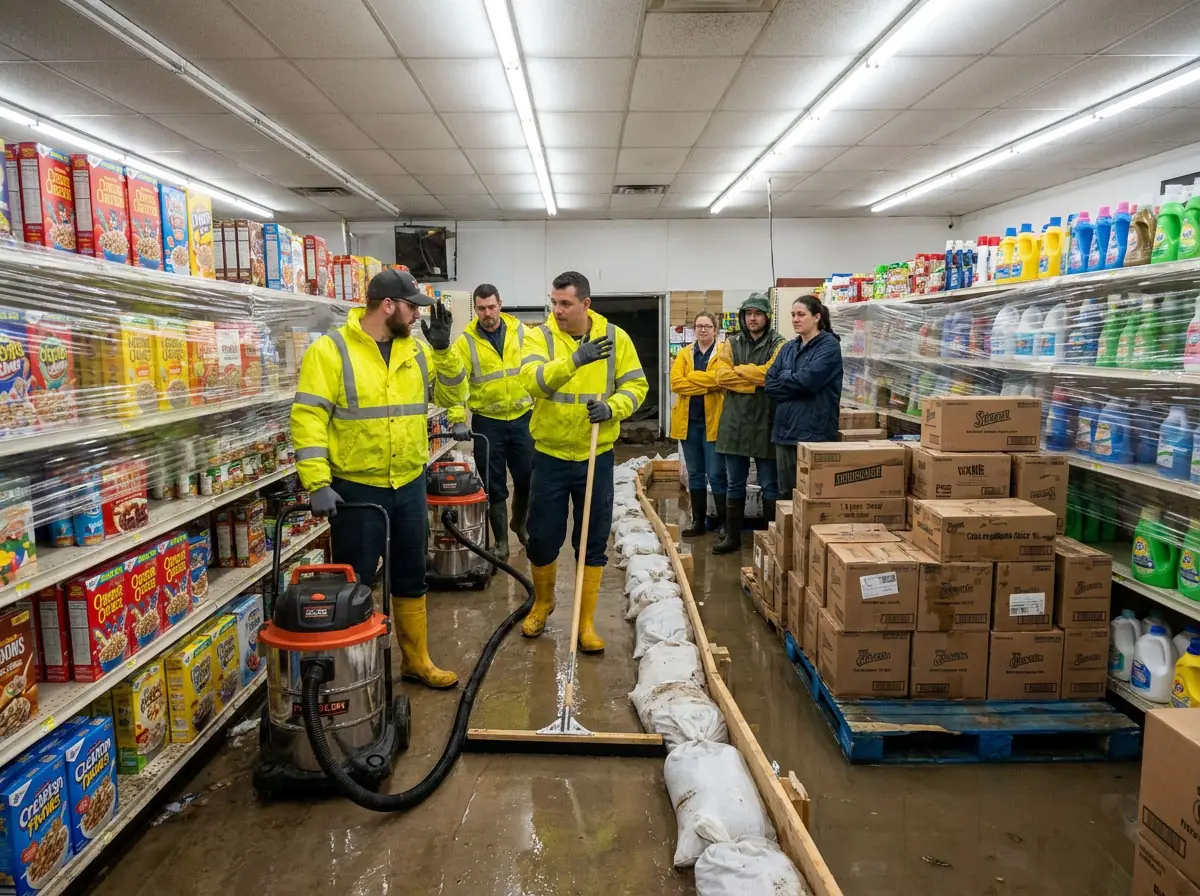


⚡ TL;DR: This guide explains how to identify moisture issues and perform effective crawl space water removal in Orlando to protect your home structure from local high water table challenges.
📋 What You’ll Learn
Crawl space flooding is a common challenge for Orlando homeowners due to our unique climate. This guide provides actionable steps to identify moisture issues, extract water, and protect your home foundation.
- Identify early moisture warning signs by learning how Florida’s high water table impacts your home and spotting common red flags before they cause structural damage or expensive mold growth.
- Follow professional extraction procedures that outline the systematic steps required to safely remove standing water from your crawl space while ensuring the area is completely dried and sanitized.
- Analyze real water mitigation cases through a detailed study of an Orlando property to understand how professional restoration services effectively address flooding and improve overall crawl space safety.
- Implement long term prevention strategies such as professional drainage and encapsulation techniques that protect your foundation from future flooding and maintain a healthy, dry environment beneath your home.
📖 Reading time: 7 min
✍️ Author expertise: Orlando water damage restoration expert with over a decade of local field experience.
You wake up to that unmistakable, heavy scent of mold clinging to your floorboards, and deep down, you know exactly where the rot is hiding. The humid Orlando air is punishing enough, but when your crawl space turns into a private swamp, your entire home is essentially sitting on a ticking time bomb of structural decay.
Most homeowners ignore what happens beneath their feet until the walls start cracking or the air inside the house becomes toxic to breathe. You don't need a degree in engineering to spot the signs, but you do need to act before your foundation investment literally washes away.
Here is exactly what you need to look for right now to catch the damage before it drains your bank account.
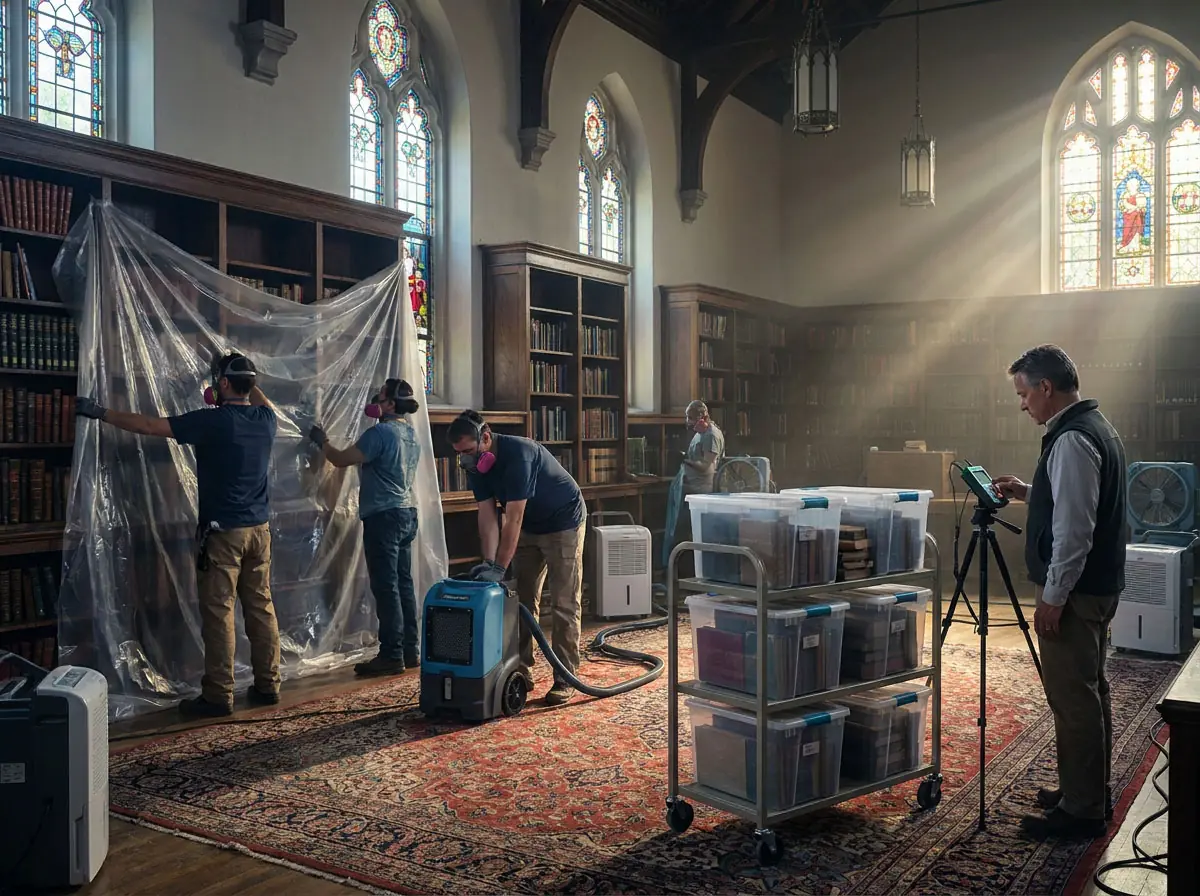
The Impact of Florida’s High Water Table on Crawl Space Integrity
Living in Orlando means dealing with a geology that is constantly working against your home. Because our region sits on a shallow water table, the ground is often saturated; this puts immense pressure on your home's substructure every time a heavy storm rolls through.
When the soil around your foundation hits capacity, gravity forces that water to go somewhere. Unfortunately, your crawl space becomes the path of least resistance, leading to hydrostatic pressure that pushes moisture through your concrete blocks and floor joists.
Ignoring this reality leads to a rapid decline in your home's stability. Consider what this persistent moisture does to your property:
- Wood rot: Floor joists lose their structural grip, causing sagging floors and uneven doorways.
- Pest attraction: Damp wood and dark spaces act like a magnet for termites and carpenter ants.
- Compromised insulation: Wet fiberglass batting sags and loses its ability to regulate temperature, spiking your energy bills.
- Foundation shifts: Constant saturation of the soil underneath your footers can lead to cracks and settlement issues.
It is not just a damp floor. It is a structural threat that compromises the safety of everyone living above it. By the time you notice visible cracks in your drywall, the damage underneath has often been festering for months.
Red Flags: Identifying Early Warning Signs of Moisture Accumulation
You do not need to crawl into the dark to know something is rotting beneath you. Often, the house itself begins to whisper that it is drowning long before the floorboards actually buckle.
Keep your eyes peeled for these common indicators that your crawl space has become a breeding ground for water damage:
- Musty odors rising through your floor vents or rising up near baseboards.
- Unexplained increases in your monthly cooling bills due to excess humidity forcing your AC to work overtime.
- Soft or bouncy spots in your hardwood or laminate flooring.
- Visible condensation on exposed pipes or ductwork in the crawl area.
- Peeling wallpaper or cracks appearing in the drywall near the floor level.
If you suspect trouble, grab a flashlight and peek through the access door. You are looking for standing water, muddy soil, or white, fuzzy growth on the floor joists. If the wood feels damp or spongy when poked with a screwdriver, the rot has already started its destruction. Do not wait for the floor to give way under your feet before you pick up the phone.

Crawl Space Water Extraction Procedures
Professional water removal is not about tossing a few towels down or running a cheap fan. We follow a precise, industrial-grade protocol to ensure every drop of moisture is accounted for before mold takes root in your subfloor.
First, our team conducts a full perimeter assessment to identify standing water pockets. We then deploy heavy-duty submersible pumps to push the bulk of the water out of the space safely.
Once the standing water is gone, the real work of deep drying begins. We rely on commercial dehumidifiers and air movers to reach the hidden moisture trapped in joists and insulation.
The Extraction Process at a Glance
- Phase 1: Initial pump-out of standing water using high-capacity gear.
- Phase 2: Manual removal of water-logged debris, ruined insulation, and saturated vapor barriers.
- Phase 3: Application of professional-grade antimicrobial agents to stop mold spores in their tracks.
- Phase 4: Structural drying using high-volume air movers to drop crawl space humidity to healthy levels.
We do not guess when the space is dry enough; we use moisture mapping technology to confirm that wood framing and masonry surfaces have reached safe saturation levels. If the wood moisture content stays too high, the rot continues to spread, so we stay until the numbers show the crawl space is bone dry.
Remediation Results: A Case Study of Water Mitigation in an Orlando Property
Last month, we stepped into a mid-century home in the Milk District that had become a total nightmare for the owners. The crawl space was essentially a shallow pool, with standing water damaging the floor joists and fueling a massive mold colony that had spread into the HVAC ducts.
Our team didn't just pump the water out. We executed a systematic approach to save the structural integrity of the home:
- Removed two inches of standing groundwater.
- Treated the subfloor with an industrial-grade antimicrobial solution to kill dormant spores.
- Installed a high-capacity sump pump to manage future heavy rainfall.
- Sealed foundation vents to stop the humid Florida air from condensing under the house.
The results were immediate and drastic. Within 48 hours, the humidity levels under the house dropped from 98 percent to a dry, stable 45 percent. The homeowners noticed that the musty odor throughout the living room vanished almost entirely, and their energy bills even began to stabilize since the AC unit wasn't fighting against damp, heavy air anymore.
Before we finished, we verified the moisture content in the wood framing to ensure it hit the safe zone. This property was seconds away from a major structural failure, but by hitting the reset button on that crawl space, we added years of life back to the foundation.
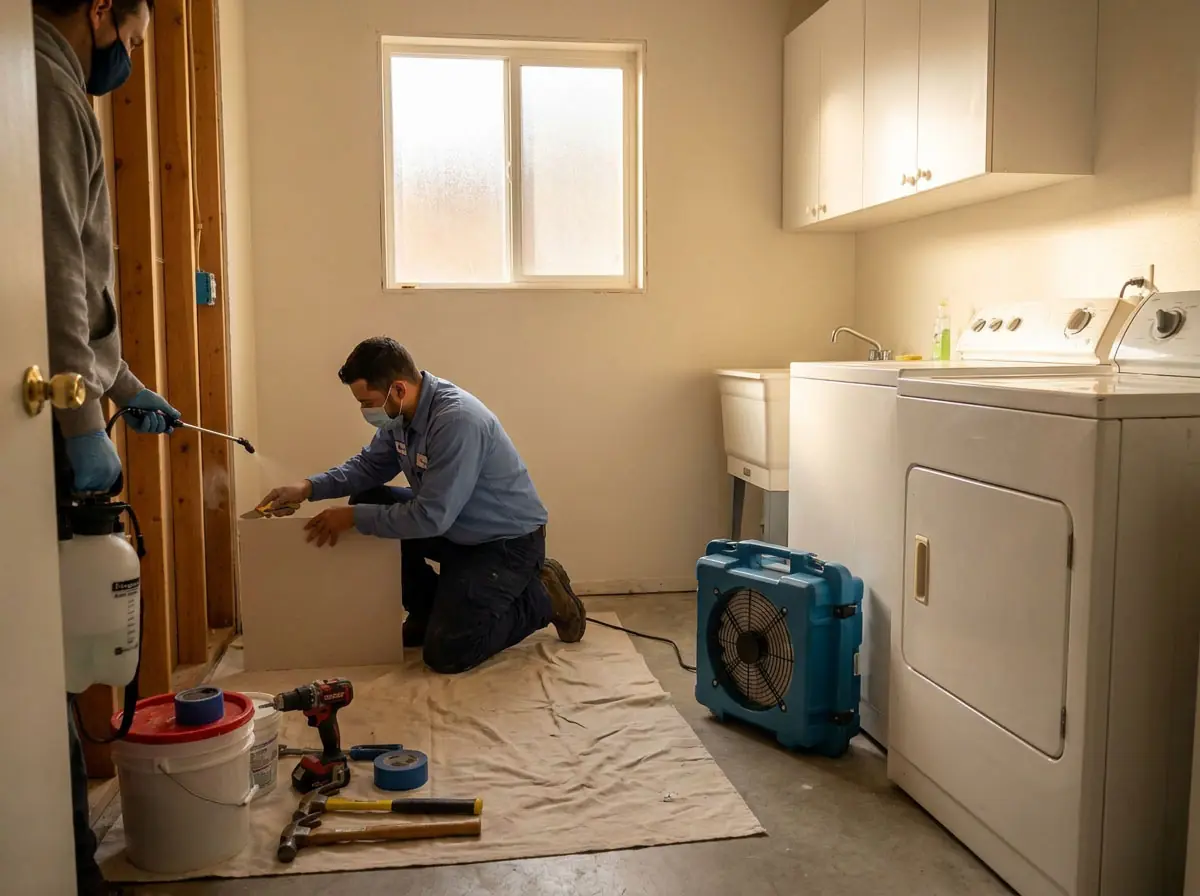
Estimated Service Costs and Timeline Breakdown Table
Pricing for water mitigation in Orlando varies based on the severity of the saturation and the size of your crawl space. You are essentially paying for the labor, the industrial grade equipment, and the safe disposal of contaminated debris.
| Service Phase | Estimated Cost | Typical Duration |
|---|---|---|
| Initial Inspection | $150 - $300 | 1 - 2 Hours |
| Water Extraction | $500 - $1,500 | 4 - 8 Hours |
| Dehumidification | $600 - $2,000 | 3 - 5 Days |
| Mold Remediation | $1,000 - $5,000+ | 2 - 7 Days |
Most jobs fall into specific categories depending on whether you caught the leak early or if it has been festering for months. Minor standing water is a quick fix, while a space that has already begun to grow mold requires a much more intensive process to keep your air quality safe.
Here is what typically drives the cost up or down during our onsite assessment:
- Access points: Tight or obstructed entryways increase labor time.
- Contamination levels: Category 3 water, or sewage, requires specialized cleanup gear.
- Square footage: Larger homes require more high powered air movers and dehumidifiers.
- Structural damage: Rotting wooden joists require carpentry intervention, which adds to the bottom line.
Remember that the cost of ignoring these symptoms is almost always higher than the cost of immediate intervention. A few hundred dollars spent on professional extraction today will prevent thousands of dollars in structural repairs down the road.
Preventing Future Flooding Through Drainage and Encapsulation
Stopping water from entering your crawl space is the only way to protect your home from long term rot and pest infestations. If you rely on a simple pump to remove water, you are only treating the symptom instead of the source. You need a permanent defensive line that stops moisture from ever taking root in your subfloor.
The most effective strategy involves a combination of drainage systems and complete encapsulation. This creates a moisture barrier that keeps the air in your crawl space as dry as the air in your living room.
Here are the specific tools we install to keep your home bone-dry:
- Interior French Drains: These pipes collect water seeping through the footing and guide it toward a sump pump before it can pool.
- Sump Pump Systems: A high capacity pump acts as a mechanical heart, ejecting collected water well away from your foundation.
- Vapor Barriers: Heavy duty polyethylene sheeting covers the dirt floor, acting as a shield against rising ground moisture.
- Dehumidifiers: Professional grade units maintain specific humidity levels to prevent mold growth even during the heaviest Florida rainstorms.
Once you seal the space, you transform a swampy liability into a clean, controlled environment. This prevents the wood in your floor joists from warping and stops the musty odors from drifting up into your bedrooms. Investing in these systems now will save you thousands of dollars in emergency mitigation costs down the road.
Final Words
Waiting for the water to dry on its own is a gamble you will lose every single time. In the Florida heat, standing water underneath your home turns into a breeding ground for toxic mold in less than 48 hours.
Professional Crawl Space Water Removal is not an expense, it is a strategic defense against total structural failure. If you ignore the signs, you are essentially paying for a full foundation replacement down the road.
Take control of your home today by focusing on these immediate priorities:
- Inspect the perimeter for standing water or soggy soil after heavy afternoon thunderstorms.
- Check your HVAC vents for any signs of condensation or musty odors drifting up from the floor.
- Install a high quality sump pump if your crawl space shows any history of recurring dampness.
Your home is likely your biggest asset, so stop letting it rot from the bottom up. A quick inspection today costs nothing, but a ignored flood ruins your property value and your family’s health.
People Also Ask
How can I tell if my crawl space has water damage?
Look for signs like musty odors, visible mold growth, or sagging floorboards in your home. You may also notice condensation on pipes or high humidity levels inside your living space.Is crawl space encapsulation necessary in Orlando?
Given the high humidity and heavy rainfall in Florida, encapsulation is highly recommended to protect your foundation. It helps control moisture levels and prevents long term structural damage to your property.How much does professional water extraction cost?
Costs vary based on the extent of the flooding and the specific cleanup requirements for your property. You can review the environmental guidelines to understand how moisture control impacts your home health and project scope.Does homeowners insurance cover crawl space flooding?
Coverage depends on whether the water intrusion is caused by sudden plumbing failures or external surface flooding. Most standard policies exclude groundwater seepage, so it is important to review your specific plan details.What are the risks of leaving standing water in a crawl space?
Leaving water under your home can lead to wood rot, compromised insulation, and toxic mold infestations. These conditions also attract pests and may negatively affect the indoor air quality of your residence.Need Water Damage Restoration Services?
We provide rapid water damage restoration across Orlando and surrounding areas to dry your property and prevent further structural damage. Our emergency response teams stabilize your home or business quickly to restore a safe environment (32801, 32803, 32804, 32806, 32812).
Request Project Estimate