


⚡ TL;DR: Effective attic mold removal in Miami Gardens requires avoiding risky DIY methods and utilizing professional services to ensure proper remediation while maintaining long term humidity control for safety.
📋 What You’ll Learn
Dealing with attic mold in the humid Miami Gardens climate requires precision. This guide outlines how to avoid costly errors and safely restore your attic to ensure long-term structural health.
- Avoid common cleaning pitfalls by understanding why using store-bought bleach on porous attic surfaces often fuels deeper mold growth rather than eliminating the root of the infestation.
- Protect your HVAC system efficiency by learning how to contain toxic fungal spores that spread through ductwork during improper remediation attempts, which could compromise your indoor air quality.
- Evaluate professional remediation methods through a comparative analysis that helps you determine whether a DIY approach or expert intervention provides the best value for your specific home.
- Implement lasting humidity solutions tailored specifically for South Florida weather patterns to prevent recurring mold growth and keep your attic dry and safe throughout the entire year.
📖 Reading time: 7 min
✍️ Author expertise: Certified water damage restoration expert with years of hands-on experience in Miami Gardens.
You climb into your Miami Gardens attic to grab a storage bin, only to be hit with that unmistakable, musty smell of damp earth. Before you panic or reach for a bottle of store-bought bleach, you need to understand that your attic is likely hiding a toxic secret that standard cleaning won't fix.
Most homeowners make expensive blunders that actually fuel fungal growth instead of stopping it. One wrong move can turn a localized problem into a dangerous health hazard that spreads through your entire air conditioning system.
If you want to protect your property value and your family's health, you must stop doing these three things immediately. Read on to see the common traps you need to dodge to get your home clean and safe again.

Why Store-Bought Bleach Often Fuels Attic Mold Growth
The biggest myth in home maintenance is that a spray bottle of bleach will kill attic mold. You might see the dark stains fade away, but you are actually doing the exact opposite of what the situation requires.
Bleach is mostly water. When you spray it onto porous surfaces like wood framing or attic insulation, the water soaks deep into the material.
Because mold roots thrive on moisture, you are essentially feeding the colony the exact fuel it needs to come back stronger than ever. The surface might look clean for a few days, but the underlying fungal network is still alive and ticking.
Why Bleach Fails on Porous Surfaces
- Bleach does not have the chemical structure to penetrate deep into wood fibers.
- The water content acts as a liquid fertilizer for latent spores trapped in the structure.
- You end up with a surface that appears clear, but stays biologically active underneath.
Using bleach in an attic is a classic amateur mistake that wastes your time and puts your home at risk. You are not killing the mold; you are just hydrating it and pushing it deeper into your home's bones.
Stop reaching for the household cleaner and start looking at the root of the humidity. Professional remediation requires specialized antifungal agents that penetrate the wood without adding unnecessary water weight to your Miami Gardens property.
Hidden Dangers of DIY Attic Mold Remediation
Most homeowners assume that a mask and a spray bottle are enough to handle attic mold. This is a dangerous gamble that usually ends in disaster. When you scrub mold in a confined, poorly ventilated space, you release millions of dormant spores into the air.
These spores don't just stay in the attic. They get sucked into your ventilation system or settle into your insulation. Suddenly, a small corner of mold becomes a home-wide contamination issue that costs three times as much to fix.
Why DIY Often Fails
If you don't use industrial-grade equipment, you are just moving the problem around. Here is why do-it-yourself attempts backfire:
- Surface treatment only: Mold roots grow deep into porous wood surfaces. Spraying the top layer does nothing to kill the mycelium underneath.
- Lack of negative air pressure: Without specialized scrubbers, your attic airflow pushes microscopic spores into your living room and bedrooms.
- Cross-contamination: Improperly disposed materials spread spores to every hallway and closet you pass through on your way to the trash.
You might save a few bucks today, but you are setting yourself up for long-term structural damage. Professionals use HEPA vacuums and containment barriers to keep your family safe. Trying to save money here is like trying to fix a leaky boat with a band-aid; it just isn't built to handle the pressure of the South Florida humidity.

Critical HVAC Risks When Disturbing Attic Fungal Spores
Your air conditioning system is essentially the lungs of your Miami Gardens home. When you start poking around an attic covered in mold, you are not just disturbing dust; you are launching a biological weapon directly into your ventilation ducts.
Most attic systems use a return air intake that sits dangerously close to your insulation and trusses. If you disturb mold spores without professional containment, the HVAC system acts like a high speed fan, sucking those spores in and blasting them into every room of your house.
The Chain Reaction of HVAC Contamination
Once those spores hit your HVAC coils and blower motor, they find the perfect moist environment to colonize. This creates several immediate problems for your home:
- System Damage: Mold buildup on cooling coils restricts airflow, forcing the motor to work twice as hard. This often leads to premature system failure during our brutal South Florida summers.
- Air Quality Drop: Your AC is now a distribution hub for allergens, leading to persistent sinus issues, headaches, and respiratory irritation for everyone inside.
- Cross Contamination: Spores travel through ductwork and settle in dark, damp corners of your walls or under your floors, starting new colonies far away from the original source.
If you suspect mold, keep the AC turned off until a professional can seal the area. Running the system while the attic is being agitated is the fastest way to turn a contained attic issue into a total home remediation emergency. You should treat the attic and the HVAC system as a single connected organ; infect one, and you effectively compromise the other.
The Cost vs. Effectiveness: A Comparative Table of Remediation Methods
Most homeowners in Miami Gardens think they can save a few bucks by scrubbing the rafters with household supplies. In reality, you are often paying for a temporary fix that leads to a massive, expensive nightmare six months down the line.
| Method | Initial Cost | Long-Term Effectiveness | Risk Level |
|---|---|---|---|
| DIY Bleach Scrub | Low | Poor | High |
| Home Fogging Kits | Moderate | Low | Medium |
| Professional Remediation | High | Excellent | Low |
| Full Attic Restoration | Highest | Permanent | Very Low |
When you use store-bought chemicals, you are merely treating the surface. Attic mold often has deep root systems that dig into the porous wood of your roof deck.
If you don't kill the mold at the root, it stays dormant until the next humid Miami heat wave triggers a massive growth spurt. You aren't just wasting your weekend; you are paying twice: once for the failed DIY attempt and again for the professional cleanup when the spores inevitably return.
Professional restoration changes the equation entirely. We don't just spray; we use specialized HEPA-filtered vacuums and antimicrobial encapsulation to seal the wood. Consider these factors before you buy that next bottle of cleaner:
- Labor intensity compared to your personal time.
- The cost of replacing insulation that has absorbed spores.
- The price of potential health issues caused by lingering toxins.
- The necessity of specialized gear like respirators and protective suits.
Spending money on proper equipment and expert assessment pays for itself by preventing structural decay. Think of it as an insurance policy for your home's integrity.
Professional Intervention: A Miami Gardens Attic Restoration Case Study
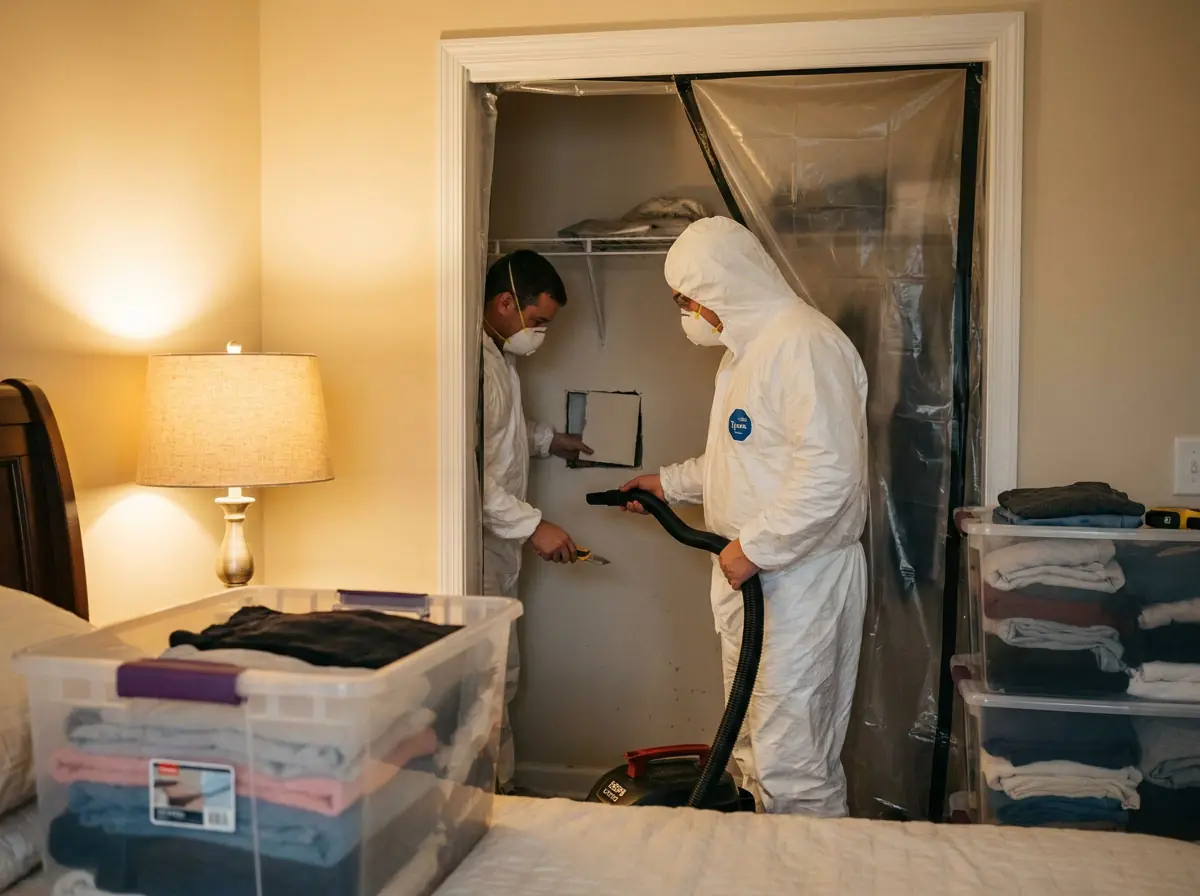
We recently handled a project for a homeowner in Miami Gardens who thought a quick spray of a household cleaner would solve their attic issues. Within a week, the moisture-laden surface turned into a breeding ground for toxic Aspergillus spores. The mold had already hitched a ride on the attic’s insulation, effectively turning the entire crawl space into a contaminated zone that circulated through the home’s vents.
By the time our team arrived, the spores were already colonizing the ductwork. We had to perform a full-scale containment process to stop the cross-contamination. Here is a breakdown of the steps we took to reverse the damage caused by the initial DIY attempt:
- Negative Air Containment: We sealed the attic hatch to ensure no spores escaped into the living area.
- HEPA Filtration: We ran industrial scrubbers to pull microscopic contaminants out of the air.
- Media Blasting: Instead of scrubbing, we used specialized tools to strip away mold roots from the roof decking without destroying the wood structure.
- Antimicrobial Sealing: We applied a professional-grade coating to prevent moisture from ever taking hold on those rafters again.
The difference between a amateur patch-job and professional remediation comes down to the specialized equipment. Our experts identified moisture pockets inside the wall cavities that were completely invisible to the human eye. We stopped the mold at the source, saving the homeowner thousands in potential structural repairs and long-term health bills.
Implementing Long-Term Humidity Control for South Florida Homes
Miami Gardens is a tropical furnace. If your attic stays humid, mold will return the moment our technicians leave your property.
You cannot win a war against fungi without managing the moisture levels in your home. It is not just about fixing leaks; it is about controlling the dew point inside your crawl spaces and attic areas.
Essential Humidity Tactics for Florida Residents
Start by addressing these critical areas to keep your home bone dry:
- Ensure your attic soffit vents remain clear of insulation debris to allow for natural cross ventilation.
- Install a smart hygrometer to track moisture levels in real-time.
- Consider a professional-grade dehumidification system if your attic lacks proper passive airflow.
- Seal air leaks around light fixtures and plumbing stacks to prevent warm, moist air from migrating into the attic.
Think of humidity control as an insurance policy for your roof structure. When you keep the relative humidity consistently below 60 percent, mold spores lose their ability to attach and colonize your wood rafters.
Do not wait for a musty scent to return. A proactive approach to moisture management keeps your air quality clean and your home's structure rock solid for years to come.
Final Words
Your attic is the command center for your home environment. When mold takes hold, it compromises your structural integrity and drags down your indoor air quality.
Do not let a small colony morph into a full-scale property crisis. Taking the right action today saves you from gut-wrenching repair bills tomorrow.
If you suspect an issue, our team is ready to provide a rigorous assessment. Explore our full range of Attic Mold Removal solutions to see how we neutralize spores at the source.
Checklist for a Healthier Attic
- Inspect your roof flashing and soffit vents for moisture leaks every three months.
- Ensure your bathroom and kitchen exhaust fans vent to the outside, not into the attic.
- Maintain consistent insulation levels to prevent condensation on rafters.
Ignoring moisture signals is a gamble you cannot afford to take. Protect your investment by choosing precision over guesswork every single time.
People Also Ask
Is bleach effective for attic mold removal?
Bleach is generally ineffective for porous surfaces like attic wood because it only kills surface mold while the roots remain deep inside the material. Using bleach can actually add moisture to the area, which often accelerates future mold growth.Why should I hire professionals for attic mold remediation in Miami Gardens?
Attics in South Florida often contain hidden hazards like electrical wiring and dangerous fungal spores that require specialized containment. Professionals utilize HEPA filtration and professional grade equipment to ensure the mold is safely removed without spreading contamination throughout your home.What are the health risks of having mold in my attic?
Exposure to mold spores can trigger allergic reactions, asthma attacks, and respiratory issues for occupants. According to the federal government, prolonged exposure to indoor mold can lead to chronic health symptoms if not remediated properly.How does the Miami Gardens climate affect attic mold growth?
Our high humidity and frequent rainfall create an ideal environment for mold to thrive in poorly ventilated attics. Consistent moisture allows fungal colonies to expand rapidly on rafters and insulation, making professional humidity control essential.How can I prevent mold from returning to my attic?
You can prevent mold by improving attic ventilation and installing a dehumidifier to keep relative humidity levels below sixty percent. Regular inspections of your roof for leaks are also vital to ensure the environment stays dry and inhospitable to mold.Need Water Damage Restoration Services?
We provide rapid water damage restoration to stabilize your property and prevent further structural issues in Miami Gardens and surrounding areas (33054, 33055, 33056, 33169). Our team arrives quickly to extract water and initiate immediate drying to restore your home or business.
Request Price Estimate