


⚡ TL;DR: This guide details how professional structural drying services help Mesa residents restore their properties efficiently by utilizing advanced moisture control techniques to prevent long term water damage issues.
📋 What You’ll Learn
Master the essential techniques for effective water damage recovery in Mesa. This guide breaks down professional structural drying protocols to help you save your property from long-term moisture and mold damage.
- Understand the unique Mesa climate impact by learning how high desert heat and specialized industrial equipment work together to accelerate the drying process for saturated residential building materials.
- Follow the professional drying workflow as we detail every phase of the restoration process, from initial water extraction to moisture monitoring and final humidity control in your home.
- Identify hidden moisture warning signs through our comprehensive comparison table that helps you spot unseen dampness behind walls or flooring before it causes significant structural or health issues.
- Avoid ineffective DIY drying methods by discovering why professional-grade dehumidification is vastly superior to simple box fans when preventing secondary damage and preserving the value of your property.
📖 Reading time: 7 min
✍️ Author expertise: Mesa water damage restoration specialist with decades of real field experience mitigating floods.
You wake up in your Mesa home to the sickening sound of dripping water or the sight of a soggy, buckled floor. Most people freeze, hoping the damage stops on its own, but waiting even a few hours is a direct invitation for toxic mold and permanent rot to take over your property.
The desert heat is not your friend when it comes to trapped moisture inside your walls. While you might be tempted to just run a box fan and call it a day, structural drying is a precise science that requires industrial gear to stop the decay before it ruins your investment.
Professional structural drying is the difference between a simple cleanup and a catastrophic tear-out that leaves you displaced for months. Keep reading to discover exactly how we stop the clock on water damage and restore your home to its original, solid state.
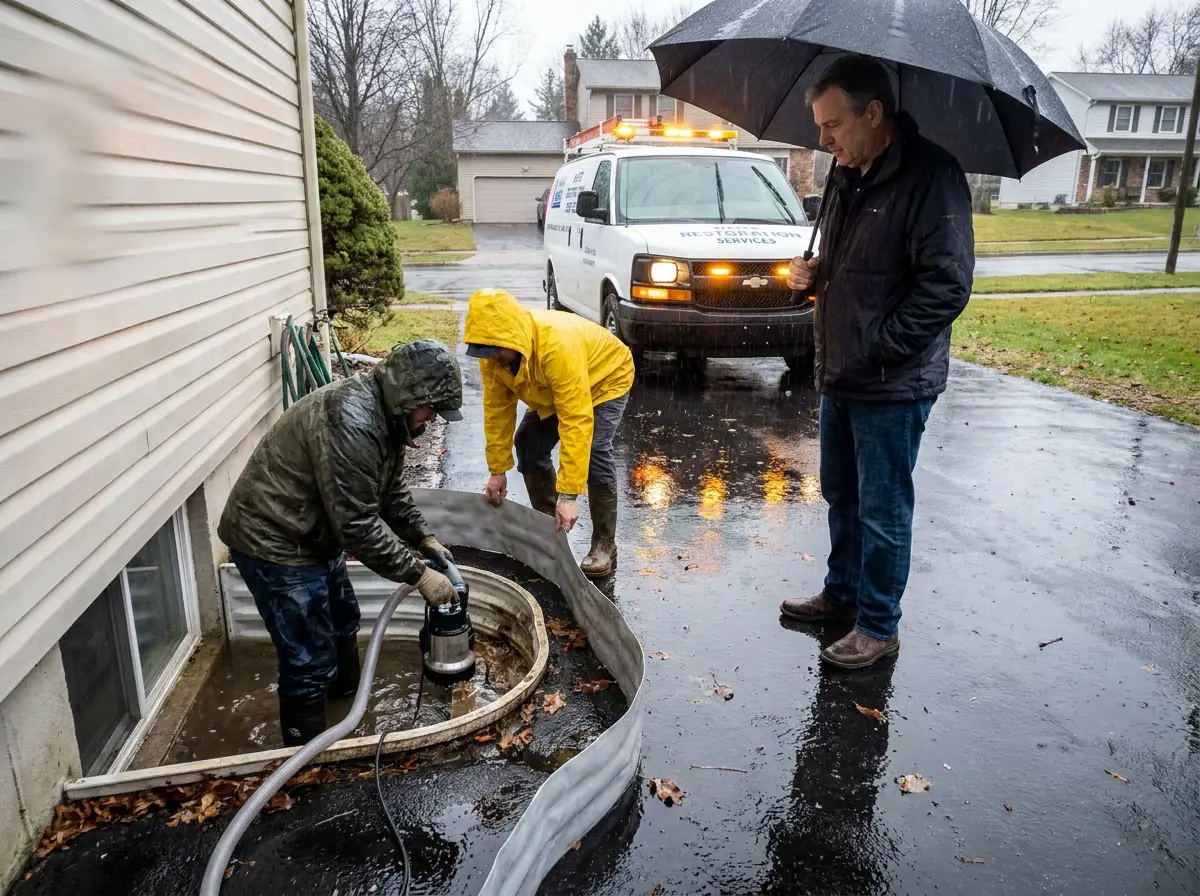
The Science of Evaporation: Why Mesa’s Climate Demands Specialized Equipment
Most Mesa homeowners assume our dry desert air acts as a natural dehumidifier. They think opening a window is enough to dry out a water-logged carpet or a soaked baseboard.
That is a dangerous myth that leads to hidden rot. While our low humidity is great for skin, it does absolutely nothing to move trapped water out of the studs and insulation buried behind your drywall.
To dry a structure, you need more than just air movement. You need psychrometry—the precise control of temperature and relative humidity to force moisture into the air so it can be physically removed from your home.
Why Standard Airflow Falls Short
In the Mesa heat, evaporation happens differently than in humid regions. If you just blow air around without removing the moisture, you create a localized hotbox of humidity.
This trapped moisture creates a breeding ground for mold that can take root in less than 48 hours. Here is why specialized gear is non-negotiable for true structural drying:
- Low Grain Refrigerant Dehumidifiers: These pull moisture directly out of the air and the materials, even in dry climates.
- High-Velocity Air Movers: We use these to break the surface tension of water, pulling it out of porous surfaces like wood and drywall.
- Moisture Mapping Tools: Infrared cameras and moisture sensors allow us to track exactly where the water is hiding behind your walls.
Without this equipment, you are just masking the problem. You might dry the surface, but the hidden structural components remain damp, setting the stage for long-term health hazards and expensive demolition costs.
Phase-by-Phase: The Professional Structural Drying Workflow
Professional restoration is not just about mopping up puddles. It is a calculated, systematic process designed to draw moisture out of building materials before rot sets in.
Our workflow follows a strict, proven sequence to ensure no hidden pockets of water remain:
- Inspection and scoping: We use moisture sensors and thermal imaging to map exactly where water has migrated behind your baseboards and inside your drywall.
- Water extraction: High pressure pumps remove bulk water from carpets, pads, and floor surfaces immediately.
- Installation of drying systems: We place specialized air movers to create a specific airflow pattern, forcing trapped moisture into the air.
- Dehumidification: Commercial grade dehumidifiers pull that moisture out of the air, keeping the humidity levels low enough to prevent mold growth.
- Monitoring: We visit your property daily to check moisture readings and adjust equipment settings until materials return to their dry standard.
Most homeowners mistakenly believe the job is done once the floors feel dry to the touch. In reality, water hides deep inside structural framing and insulation where it can fester for weeks.
Our technicians focus on the interior environment of your wall cavities. By manipulating the dew point and controlling the vapor pressure, we convince the water to evaporate out of your walls and into our machines. This prevents the need for expensive demolition and keeps your home intact.

Critical Warning Signs: A Comparison Table for Detecting Hidden Moisture
Most Mesa homeowners assume if the carpet feels dry to the touch, the job is done. Unfortunately, moisture loves to play hide and seek behind baseboards and inside drywall voids.
If you ignore these subtle clues, you are essentially paying for a mold colony to grow inside your walls. Check this quick reference guide to see if your property is secretly holding onto water.
| Indicator | Visible Symptom | Hidden Threat |
|---|---|---|
| Musty Odor | Slight damp smell | Active mold growth |
| Baseboard Gaps | Wood pulling away | Swollen wall studs |
| Floor Bumps | Rippled laminate | Subfloor saturation |
| Paint Flaking | Bubbling texture | Wall cavity rot |
| Sticky Air | High humidity | Trapped moisture |
Your senses are your first line of defense against structural decay. A faint, earthy smell in your hallway is rarely just a localized issue; it usually points to moisture trapped deep within the insulation or studs.
Watch for these specific red flags in your home:
- Discoloration or yellow staining creeping up the drywall.
- Floorboards that creak or feel spongy under your feet.
- Hardware or metal fixtures showing unexpected signs of oxidation.
- Doors and windows that suddenly stick or fail to latch correctly.
If you spot more than one of these items, do not wait for the sun to dry it out. Internal moisture does not evaporate through finished walls in our climate, and it will continue to degrade your home from the inside out until a professional intervenes.
Industrial Dehumidification vs. Box Fans: Why Surface Drying Fails
Most Mesa homeowners assume that moving air is enough to dry out a water damaged room. You might set up a few box fans, open a window, and hope for the best. This is a massive mistake.
Surface drying only touches the top layer of your materials. While the air might feel dry to you, the water has already soaked into your drywall, baseboards, and subflooring. Box fans simply push moisture into deeper, hidden cavities.
Instead of removing water, you are just moving it around. This creates a perfect breeding ground for mold behind your walls where you cannot see it. Professional drying focuses on dehumidification, which is the process of pulling water vapor directly out of the building materials.
The Problem With Household Tools
- Box fans spread bacteria and mold spores across your entire home.
- Standard AC units in Arizona are designed for cooling, not for sucking humidity out of saturated building materials.
- DIY drying leaves the structural studs wet, which eventually leads to wood rot and thousands of dollars in hidden repair bills.
To truly save your home, you need low grain refrigerant dehumidifiers. These machines are engineered to force moisture out of your porous materials and convert it into liquid, which is then pumped away from your property. This process creates a controlled environment that mimics a vacuum, drawing water out of the deepest layers of your structure. Unless you are using industrial-grade equipment, you are only delaying the inevitable decay of your house.

From Saturated to Restored: A Mesa Residential Flood Case Study
Consider a recent job we handled in a Mesa subdivision near Superstition Springs. A dishwasher supply line burst while the homeowners were at work, flooding the kitchen and soaking the subfloor beneath the hardwood.
By the time we arrived, the hardwood had begun to cup and the drywall behind the cabinets showed signs of moisture migration. The homeowners had already tried placing several household fans in the area, but the moisture levels in the wall studs were still rising rapidly.
Here is how our crew executed the professional drying process to save the kitchen cabinetry and flooring:
- First, we performed a thorough moisture mapping using thermal imaging to locate water pockets hidden behind the baseboards.
- Next, we removed the non-salvageable toe kicks and installed industrial air movers to create a high-velocity airflow pattern across the wet surfaces.
- We then deployed a commercial-grade dehumidifier to pull moisture directly from the air, effectively creating a desert-like dryness that forced water out of the wood.
- Finally, we monitored the daily drying logs to ensure the structure reached "equilibrium moisture content" before we packed up our gear.
The result was a complete success. Because we intervened before the rot set in, the homeowners avoided a total kitchen demolition. They kept their original cabinets and the floor returned to its flat, natural state once the trapped water vanished.
Protecting Your Property Value Through Timely Remediation
Think of your Mesa home as your biggest financial asset. When water strikes, it acts like a silent termite that eats away at your equity the moment it seeps into your studs and subfloors.
If you delay professional intervention, the cost of repairs does not stay linear. It compounds rapidly as hidden moisture transforms into secondary damage that insurance adjusters often flag as neglect.
The Real Cost of Procrastination
Your property value relies on a clean, mold-free certification and sound structural integrity. Once rot takes hold, you are no longer dealing with a cleanup; you are facing a permanent loss of home value.
- Resale Value: Disclosures about past water damage can tank your home price.
- Structural Integrity: Wet wood loses its load-bearing strength over time.
- Air Quality: Mold spores hidden in walls lower your home health score.
- Insurance Claims: Quick action proves you acted to mitigate loss, which keeps your premiums from spiking.
By bringing in a crew for immediate structural drying, you are effectively buying insurance for your home equity. We stop the decay before it spreads to your drywall, trim, and hardwood flooring.
Professional restoration is not just about drying things out. It is about protecting your bank account from the massive, preventable costs of a full-scale reconstruction project down the road.
Final Words
Water damage doesn't follow a clock, and it certainly doesn't wait for your convenience. Every minute you spend debating your next move allows moisture to penetrate deeper into your drywall, studs, and subfloors.
Choosing professional Structural Drying Services is the only way to ensure your Mesa home remains a solid, safe asset. You are not just paying for equipment; you are paying to stop a silent, destructive process that destroys property values.
The Real Cost of Hesitation
Think about the long-term impact on your investment. Ignoring minor moisture leads to staggering repair bills that could have been avoided with immediate, professional intervention.
- Mold colonies can start growing in as little as 24 to 48 hours.
- Structural integrity degrades rapidly once wood fiber reaches a certain moisture content.
- Hidden water travels through floor joists, creating rot you cannot see until it is too late.
Take charge of your home's recovery before the damage becomes permanent. Call a licensed expert, verify their moisture mapping protocols, and get the industrial gear running immediately. Your home is your biggest investment, so treat it with the urgency it deserves.
People Also Ask
How long does the structural drying process usually take in Mesa?
Most structural drying projects in Mesa take between three to five days depending on the severity of the saturation. Factors such as building materials and humidity levels influence the timeline required for complete moisture extraction.Why is professional equipment better than using household fans?
Industrial dehumidifiers remove moisture from the air to maintain an optimal drying environment that prevents secondary damage. According to the EPA guidelines, high capacity equipment is essential to effectively dry porous materials before mold growth begins.What happens if structural moisture is not removed correctly?
Leftover moisture often leads to dangerous mold growth, wood rot, and a significant decrease in indoor air quality. If the structural integrity is compromised, property owners may face expensive repairs or health risks over time.Can I dry out a water damaged home on my own?
Using store bought fans often pushes moisture deeper into walls and flooring rather than removing it. Professionals utilize specialized sensors to verify that materials are dry beneath the surface to prevent hidden water damage from persisting.How do I know if my Mesa property has hidden water damage?
Look for signs like peeling paint, warped baseboards, or a persistent musty odor in areas that were exposed to water. If you suspect moisture is trapped, a professional inspection can confirm the presence of dampness before it causes long term structural failure.Need Water Damage Restoration Services?
We provide rapid water damage restoration services to stop property damage and restore your home in Mesa and surrounding areas (85201, 85202, 85203, 85204, 85205). Our team arrives quickly to extract water and dry your structure to prevent further loss.
Request Custom Estimate