


⚡ TL;DR: This article explains why professional mold remediation is essential for Mesa residents, detailing how to identify hidden growth and why standard DIY cleaning methods often fail here.
📋 What You’ll Learn
Discover how Mesa residents effectively handle fungal issues by understanding our unique desert climate and implementing professional strategies that go far beyond standard DIY cleaning methods to ensure total property safety.
- Understand the unique Mesa microclimate to identify why our specific desert humidity and heat cycle create the perfect hidden environment for mold colonies to thrive within your local home.
- Master rapid detection techniques by utilizing our strategic homeowner checklist to spot potential outbreaks early before they spread through your HVAC system and impact your indoor air quality.
- Avoid dangerous DIY remediation pitfalls as we explain exactly why common household bleach fails to kill roots on porous surfaces and often triggers spores to release into the air.
- Implement professional containment protocols used by industry experts to prevent cross contamination during the cleanup process and ensure your living space remains secure during the entire decontamination stage.
📖 Reading time: 7 min
✍️ Author expertise: Certified Mesa restoration expert with fifteen years of experience mitigating local mold outbreaks.
You wake up to that unmistakable, musty stench clinging to your curtains, and suddenly you realize your Mesa home has become a secret breeding ground for something toxic. Ignoring it won't make it vanish, and those cheap store-bought sprays are nothing more than a band-aid on a bullet wound.
Most homeowners here make the mistake of waiting until the walls start looking fuzzy before they call for help. Smart locals know exactly how to spot the early warning signs and shut down a mold outbreak before it ruins their property value.
If you want to protect your family and stop the spread for good, here is how the pros actually handle mold remediation in the desert.
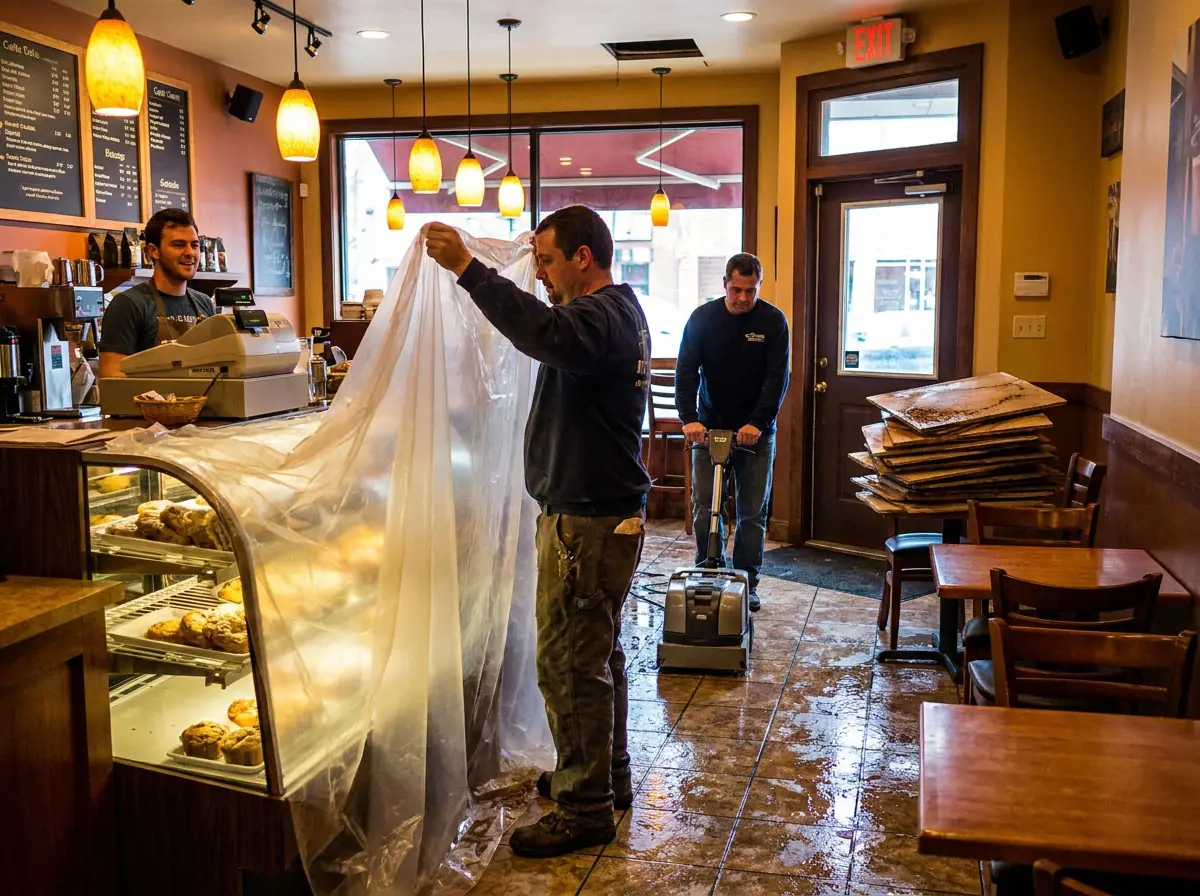
The Mesa Microclimate: Why Our Dry Heat Actually Fuels Mold Growth
Most folks living in Arizona assume that our scorching heat is a natural disinfectant. They think the bone-dry air acts like a giant oven that kills off any moisture-loving invaders before they can take root.
That is a dangerous misconception. In reality, the Mesa climate creates a perfect storm for indoor mold because we rely so heavily on aggressive climate control and irrigation.
Here is why your home is more vulnerable than you think:
- The HVAC Trap: When your air conditioner cycles, it creates heavy condensation inside your ducts. If your system is not serviced regularly, that moisture drips into hidden insulation and drywall.
- Irrigation Overspray: Many homes have sprinklers pointed directly at the siding or foundation. This creates a localized swamp against your structure, allowing moisture to seep through cracks in the stucco.
- Sealant Failure: Mesa homes are built to be airtight to save on utility bills. Unfortunately, this traps humidity inside, turning your laundry room or bathroom into a pressurized greenhouse.
Think of your home as a sealed envelope. If you have a small leak near a window or a pipe, the desert heat on the outside creates a dramatic pressure difference compared to your cooled indoor air.
This force pushes that tiny bit of moisture deep into your wall cavities. Once the spores find that hidden dampness, they do not just survive; they thrive in the stable, climate-controlled conditions you provide.
Rapid Detection: A Strategic Checklist and Identification Table for Arizona Homeowners
Most Mesa residents think mold only happens in rainy states, but our constant use of evaporative coolers and AC condensation creates the perfect moist traps inside your walls. You need to stop looking for the fuzzy green spots and start looking for the subtle indicators that reveal an active colony.
| Indicator | What to Look For | Likely Location |
|---|---|---|
| Musty Odor | Stale, damp smell that lingers | Closets or bathrooms |
| Discoloration | Dark circles or yellowing paint | Ceilings or baseboards |
| Physical Reaction | Unexplained sneezing or headaches | Near air vents |
| Peeling Wallpaper | Bubbling or lifting edges | Exterior facing walls |
Smart homeowners keep a keen eye on high-risk zones where hidden leaks thrive. If your HVAC system is leaking, the moisture often travels behind the drywall before it ever leaves a visible stain on the surface.
Use this quick inspection checklist to stay ahead of the game:
- Check under every sink for dampness or soft cabinetry floors.
- Inspect the seals around your windows for condensation after a monsoon storm.
- Look for irregular texture changes on paint that indicate moisture trapped behind the sheetrock.
- Test for soft spots on the floor around your toilet or water heater.
When you spot these signs, treat them as an emergency notification. Immediate action stops the colony from releasing thousands of spores into your ventilation system, which will turn a small repair into a home-wide nightmare.
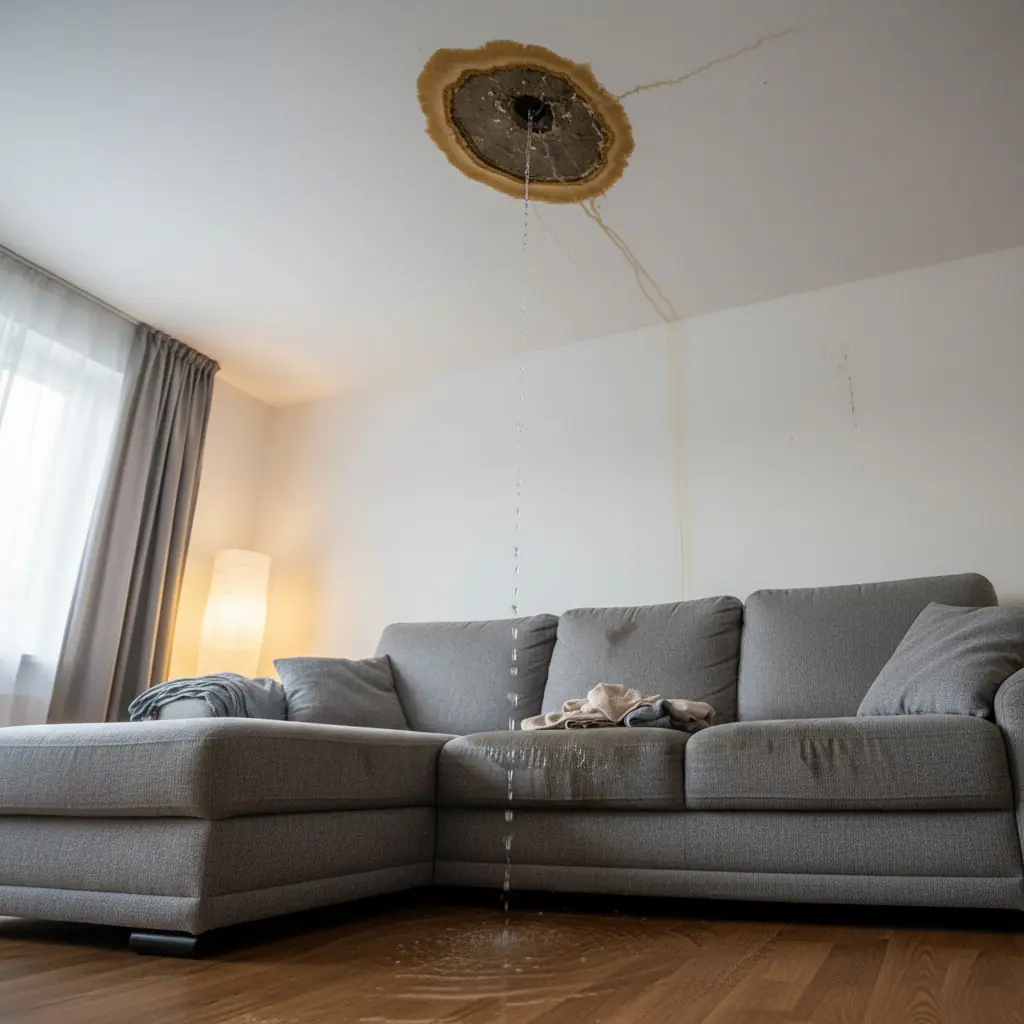
Beyond Bleach: Why DIY Remediation Often Fails in Our Climate
Here is the hard truth about the bottle of bleach under your sink: it is a surface cleaner, not a mold killer. In our harsh Mesa climate, using bleach on porous materials like drywall or wood is a recipe for disaster. The chlorine in the bleach stays on the surface while the water content actually seeps deep into the material, effectively feeding the mold colonies you are trying to destroy.
When you scrub a moldy wall with chemicals from the hardware store, you are usually just spreading the spores into the air. This creates a cross contamination problem that turns a small patch of fuzz into an entire house infestation. You aren't winning; you are just moving the battlefield.
Smart locals understand that surface treatment is a total waste of time because it misses the root of the problem. If you want to stop the growth, you have to cut off the supply chain.
The Real Danger of DIY Methods
- Bleach does not kill roots hidden inside porous drywall or wood studs.
- Scrubbing mold releases millions of microscopic spores into your indoor air.
- Ignoring the moisture source guarantees the mold will return within days.
- Most household products fail to meet the industrial standards for true decontamination.
Real remediation requires identifying the exact moisture source that created the environment in the first place. Whether it is a slow pinhole leak behind your cabinets or condensation building up inside your HVAC ducts, the moisture must be stopped. Once the water source is cut, professional equipment like high speed air movers and HEPA filtered vacuums take over to extract the spores at a molecular level.
Case Study: Eliminating a Hidden Kitchen Outbreak in a Mesa Heights Home
A family in Mesa Heights recently reached out to us after noticing a faint, persistent damp smell near their kitchen island. They assumed it was just old plumbing, but behind the elegant backsplash, a slow leak from the dishwasher had created a massive, unseen black mold colony.
When moisture hits dark, enclosed spaces like cabinets, the damage spreads faster than you can imagine. By the time the homeowners saw physical staining, the drywall was already compromised and the spores were circulating through their HVAC system.
Our team performed an emergency extraction to save the structural integrity of the kitchen. Here is how the timeline of this hidden disaster played out:
- Day 1: Thermal imaging revealed a thermal bridge behind the sink.
- Day 2: Containment barriers were erected to stop cross contamination.
- Day 3: Controlled demolition removed the rot without releasing more spores.
- Day 4: Hepa filtration cleared the air quality to safe living standards.
- Day 5: Final moisture readings confirmed the environment was dry and secure.
The lesson here is simple: never ignore a persistent scent just because you cannot see the source. Hidden leaks provide the perfect hydration for mold to thrive, turning a simple appliance fix into a major home reconstruction project.
If you suspect a leak, do not wait for the mold to bloom. Taking immediate, decisive action is the only way to prevent a minor moisture issue from becoming a massive health and financial burden for your Mesa property.
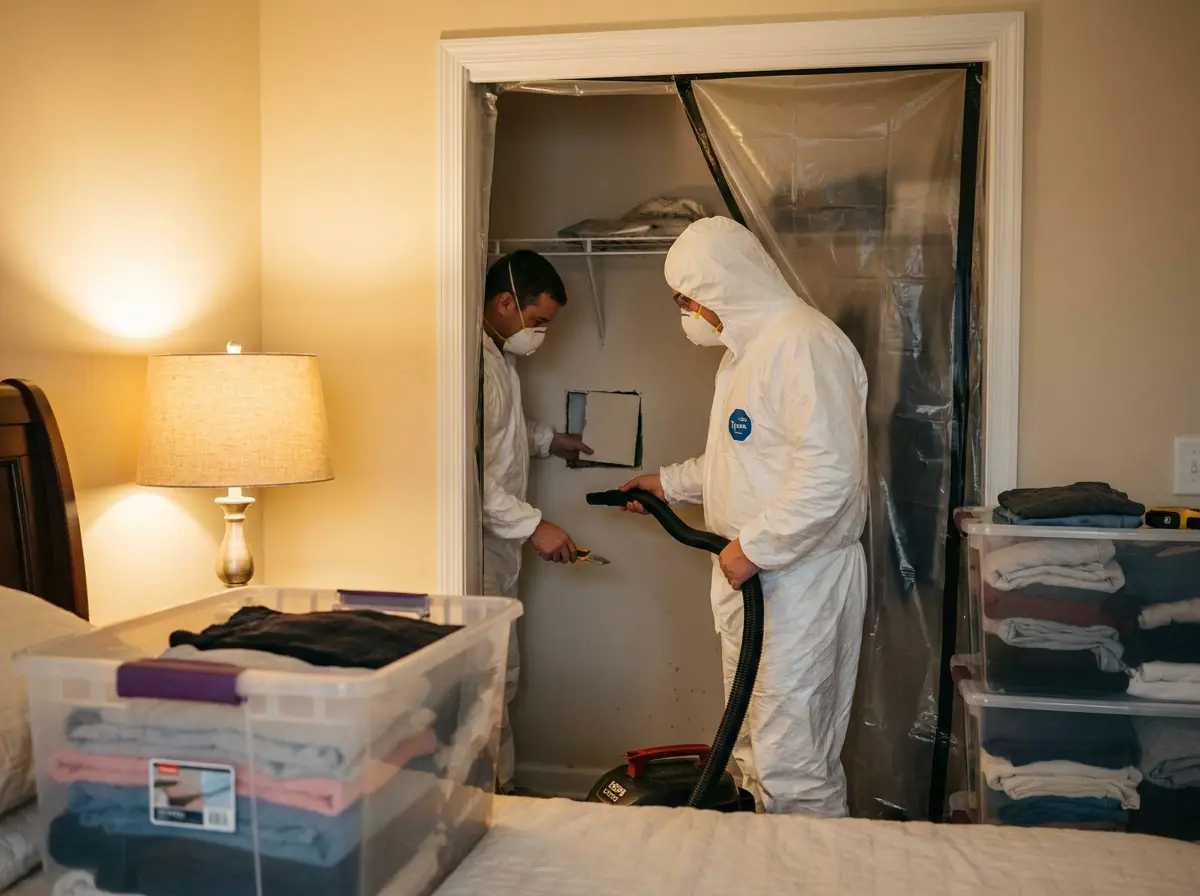
Professional Containment Protocols: How Pros Stop Spores from Traveling
The biggest amateur mistake is scrubbing a moldy wall without sealing off the area first. The moment you disturb a patch of mold, you launch millions of invisible spores into your home's air supply. Once they hit your HVAC system, they will colonize your vents and infect every room in your Mesa residence within hours.
Professional remediation is not just about cleaning; it is about quarantine. We treat your home like a surgical ward to ensure the contamination stays exactly where it started.
The Core Containment Strategy
To stop the spread, we implement strict barriers that prevent cross contamination. These measures are non negotiable for anyone who cares about their indoor air quality.
- Negative Air Pressure: We set up industrial machines that pull air out of the affected room and vent it safely outside. This keeps the spores trapped inside the containment zone.
- Polyethylene Barriers: We seal off doorways and vents with thick, reinforced plastic sheeting. This creates an airtight physical lock on the outbreak.
- Decontamination Chambers: Our technicians use airlocks to enter and exit the space. This ensures no spores hitch a ride on our clothing into the rest of your house.
Once the perimeter is locked down, we use high capacity HEPA filtered air scrubbers to literally vacuum the spores out of the air. We don't just hope the mold stops spreading; we force the environment to stabilize. By maintaining this negative pressure, we ensure that every single particle is filtered rather than redistributed, keeping your family safe while we perform the heavy lifting.
Structural Restoration: Ensuring Your Mesa Property Is Fully Decontaminated
Removing the visible mold is only the opening act. If you leave behind porous building materials that have been soaked in moisture, you are simply rolling out the red carpet for a second infestation. True restoration requires stripping away damaged drywall, baseboards, and insulation that have lost their integrity.
Our team treats your home like a surgical site. We verify that the underlying wood framing is dried to a specific moisture content before any reconstruction begins. If the studs remain damp, they will grow new mold as soon as the fresh drywall is installed.
Key Priorities for Rebuilding
When we piece your home back together, we focus on long term resistance against the unique Mesa climate. Here is what we prioritize during the build back phase:
- Antimicrobial sealants: Applying industrial grade coatings that lock down any remaining microscopic roots on wooden framing.
- High grade materials: Using moisture resistant drywall or board in vulnerable areas like kitchens and bathrooms.
- Ventilation checks: Ensuring exhaust fans actually vent outside rather than dumping humid air into your attic space.
Ignoring these structural steps is why so many Mesa homeowners find themselves fighting the same battle every single year. You need to seal the perimeter properly to ensure that the environment is no longer hospitable to spores. By focusing on the infrastructure, we turn your property back into a fortress rather than a petri dish.
Final Words
Mold is not just a nuisance; it is a direct assault on the structural integrity of your home and the health of your family. Smart Mesa homeowners understand that reactive maintenance is a losing game.
Waiting for visible signs means the colony has already established a deep root system inside your drywall or insulation. By the time you smell the musty air, you are already dealing with a sophisticated biological intrusion that demands a professional Mold Remediation approach.
The Winning Strategy for Arizona Homes
If you want to keep your property value high and your air quality clean, adopt these three habits immediately:
- Inspect your HVAC drip pans every time you change your air filters.
- Check the seals on your kitchen and bathroom sinks for pinhole leaks that provide the moisture mold craves.
- Install a digital hygrometer to keep indoor humidity below sixty percent, even during the monsoon season.
Do not gamble with the health of your home by relying on hearsay or ineffective DIY sprays. Aggressive, early intervention is the only way to stop a small problem from morphing into a major renovation project. Keep your desert home dry, watch for the subtle changes, and call in the heavy hitters the moment you suspect an issue.
People Also Ask
Does homeowners insurance cover mold remediation in Mesa?
Coverage depends entirely on your specific policy and the original source of the moisture. Most insurers only pay for mold removal if it results from a sudden, accidental water event like a burst pipe.How do I know if I have a hidden mold problem in my home?
You should look for persistent musty odors, visible dark spots on walls, or unexplained allergy symptoms among family members. Smart Mesa homeowners often use moisture meters to detect high humidity levels inside wall cavities before mold becomes visible.Is it safe to clean mold using household bleach?
Cleaning with bleach often fails because it cannot penetrate porous surfaces like drywall to kill deep root systems. According to the federal agency, applying bleach to porous materials can actually feed the mold rather than eliminate it.Why does mold grow in the Arizona desert?
While the climate is dry, indoor mold thrives in the desert due to plumbing leaks, condensation from high efficiency air conditioning units, and poor ventilation. These moisture sources create the exact humid environment mold requires to grow despite the arid weather outside.How long does the professional mold removal process take?
The timeline depends on the size of the contamination and how deep the spores have penetrated your structural materials. Most residential projects in Mesa take between three and five days to complete, including the necessary containment and air scrubbing phases.Need Water Damage Restoration Services?
We provide rapid water damage restoration services to stop property damage and restore your home in Mesa and surrounding areas (85201, 85202, 85203, 85204, 85205). Our team arrives quickly to extract water and dry your structure to prevent further loss.
Request Custom Estimate