


⚡ TL;DR: This guide helps Melbourne homeowners address hardwood floor water damage by outlining effective drying techniques, comparing repair costs, and providing advice on selecting qualified professionals for your restoration.
📋 What You’ll Learn
Dealing with hardwood floor water damage in Melbourne requires swift action to prevent permanent warping. This guide explores essential steps, local cost factors, and expert restoration techniques for your home.
- Identify immediate mitigation steps to prevent deep moisture saturation in your hardwood floors, which helps preserve the structural integrity of your boards while waiting for professional help.
- Assess regional humidity impact on your wood flooring, explaining how Melbourne’s specific coastal climate accelerates decay and why specialized drying equipment is vital for long-term floor health.
- Compare repair versus replacement costs through a detailed analysis that helps you determine whether your damaged flooring can be salvaged or requires a full professional site installation.
- Evaluate professional drying methods against common DIY approaches to understand why industrial dehumidifiers and moisture meters are required to guarantee that subfloors remain free from hidden mold.
📖 Reading time: 7 min
✍️ Author expertise: Certified water damage restoration specialist with decades of field experience across Melbourne, Florida.
You wake up to the unmistakable, stomach-turning sound of a dishwasher leak pooling across your beautiful hardwood floors. Panic sets in as you watch the wood buckle and swell, realizing your home investment is being destroyed by the minute.
Here in Melbourne, our humid climate doesn't give wet wood a chance to dry out on its own. That warped flooring isn't just an eyesore; it is a ticking time bomb for mold growth and structural decay.
Most homeowners lose thousands of dollars because they wait too long to call for help or pick the wrong repair strategy. Let's break down exactly what you need to know about your repair options and what you should expect to pay to save your floors.
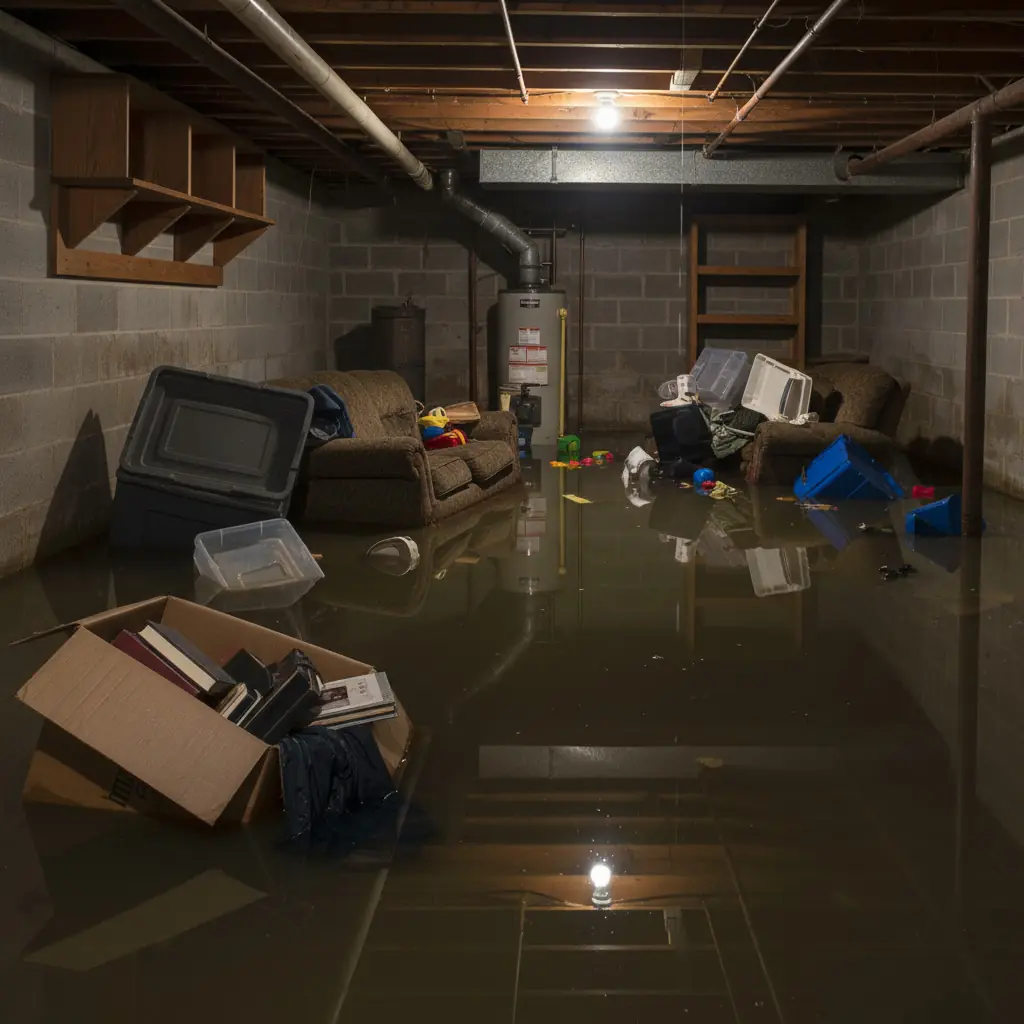
Immediate First Steps to Minimize Moisture Absorption
Time is your greatest enemy when water hits hardwood. Wood is porous, meaning it acts like a sponge, soaking up every drop of liquid until the fibers swell, warp, and crack.
Your goal is to stop the spread before the damage reaches the subfloor. Follow these steps immediately to protect your equity:
- Stop the source. Shut off the water supply valve to the leaking appliance or pipe instantly.
- Remove standing water. Use a wet-dry vacuum or towels to soak up all surface moisture. Never let water sit on your floors for more than a few hours.
- Clear the area. Move furniture, rugs, and decor off the damp boards to prevent trapped moisture and secondary staining.
Do not be tempted to blast your air conditioning or space heaters at the floor. Rapid, uneven drying causes wood to shrink too quickly, which leads to permanent splitting and unsightly gaps between planks.
Keep your home environment stable, but prioritize physical water extraction. If you have a dehumidifier, run it at full power to pull moisture out of the air near the affected zone. You want to lower the indoor humidity immediately to give the wood a chance to stabilize.
How Melbourne’s High Humidity Accelerates Flooring Decay
Living on the Space Coast means dealing with constant moisture in the air. When your hardwood floors get wet, they act like a sponge, drawing in the surrounding humidity instead of drying out.
In a dryer climate, a small spill might evaporate before causing permanent damage. Here in Melbourne, that moisture stays trapped in the wood grain, fueling rapid swelling and providing the perfect environment for microbial growth.
The science is simple but brutal. Once the wood absorbs water, the following problems start almost immediately:
- The floorboards begin to cup or crown, creating permanent surface ridges.
- The finish loses its seal, allowing black mold to take root underneath the planks.
- The subfloor starts to rot, which creates a soft, spongy feeling under your feet when you walk.
Ignoring these signs because the floor looks mostly dry is a massive mistake. High humidity acts as a catalyst, keeping the wood fibers saturated for weeks after the initial leak occurred. If you do not pull the moisture out with industrial-grade equipment, the damage will continue to spread beneath the surface long after the visible water is gone.

Repair Versus Replacement: A Comparative Cost Analysis Table
Deciding between a patch job and a full floor replacement is the most critical financial decision you will make after water damage hits. Minor cupping often responds well to professional drying, but once the finish is compromised or the wood has deeply warped, the repair costs can quickly eclipse the value of the boards themselves.
| Scenario | Estimated Cost (per sq. ft.) | Expected Outcome |
|---|---|---|
| Professional Drying | $2 to $5 | Restores existing boards |
| Board Patching | $10 to $20 | Fixes isolated sections |
| Sand and Refinish | $4 to $8 | Removes surface stains |
| Full Replacement | $15 to $30 | New floor installation |
When you look at these numbers, remember that hidden damage often lurks beneath the surface. If moisture has reached the subfloor, simply replacing the top layer is a massive mistake. You might save cash today only to face a black mold infestation within six months.
Consider these factors before you write the check:
- The age and rarity of your current hardwood species.
- Whether the water source was clean, grey, or black sewage.
- The depth of the structural saturation in the joists.
If your floors show signs of deep checking or splintering, replacement is usually the smarter long term play. Attempting to restore severely decayed wood in the Melbourne climate is like trying to fix a rusted car frame; it rarely holds up to the intense humidity cycles we face every summer.
Professional Drying Techniques Versus DIY Methods
Many homeowners try to salvage their hardwood with a shop vacuum and a box fan. While this might dry the surface, it rarely reaches the moisture trapped deep within the grain or beneath the subfloor.
Standard household equipment cannot pull water out of dense hardwood fibers once it has settled. Without specialized extraction, you are simply leaving a damp environment for mold to thrive inside your home.
Professional restoration teams deploy industrial-grade dehumidifiers and moisture meters to ensure every single board is truly dry. We use tenting techniques to force airflow into the floorboards, pulling out trapped humidity that a simple fan could never touch.
Why Professionals Outperform DIY Efforts
- Targeted Moisture Removal: Professionals use injectidry systems to push warm air through the gaps in your floorboards.
- Structural Monitoring: We track the moisture content of the wood and the surrounding studs to prevent hidden rot.
- Mold Prevention: Commercial drying equipment drops the humidity level in your room significantly faster than residential units.
- Documentation: Our moisture logs provide the proof you need for insurance claims, ensuring you don't pay out of pocket for damage that should be covered.
Ignoring these deeper moisture pockets leads to permanent warping and cupping of the wood. If you do not dry the subfloor completely, the finish will fail, and you will eventually face a total floor replacement down the line.

Restoring a Historic Melbourne Bungalow: A Water Damage Case Study
Last year, we took on a challenging project involving a 1920s bungalow in the Eau Gallie district. The homeowner returned from vacation to find a failed supply line had soaked original heart pine flooring, leading to significant cupping and dark staining.
Because the wood was old growth, it possessed a density that modern timber lacks. Saving this history required a surgical approach rather than a standard tear-out. We avoided the common mistake of aggressive sanding, which would have compromised the structural integrity of the rare boards.
Instead, we relied on a multi-stage approach to salvage the original character:
- Controlled moisture extraction to prevent splitting the dry, century-old grain.
- Application of specialized antimicrobial treatments to stop mold hidden beneath the tongue and groove.
- Custom board matching to fill voids where water damage had rendered the wood unsalvageable.
This project proved that even when the situation looks grim, historic materials often have a higher recovery threshold than modern engineered flooring. The key is acting fast enough to prevent the moisture from reaching the subfloor, which in these older homes is usually comprised of seasoned, thirsty pine.
Selecting the Right Restoration Contractor for Your Home
Not all contractors are created equal, especially when it comes to the specialized art of moisture mitigation. Many general handymen lack the industrial grade equipment required to draw water out of deep wood grain, which is non-negotiable for long term success.
When you interview a restoration team, demand transparency and verify their credentials before they touch your property. You need a partner who understands the specific environmental pressures of Melbourne, Florida, and who prioritizes saving your floors over just ripping them out for an easy payday.
Look for these markers of a high-caliber professional:
- IICRC certification in Water Damage Restoration and Applied Structural Drying.
- Proven experience handling high humidity environments near the Space Coast.
- Availability of moisture mapping reports that verify when the wood is actually dry.
- A transparent pricing model that explains every dollar spent on equipment and labor.
Do not settle for a contractor who shows up with nothing but a shop vacuum and a fan. True restoration requires sophisticated thermal imaging and specialized dehumidification units designed to force moisture out of the hardwood without causing further splintering or warping. If they cannot explain their drying strategy, do not hand them the keys to your home.
Final Words
Time is your worst enemy when dealing with moisture saturation in your living room or kitchen. Every hour you wait allows the wood fibers to swell further, permanently compromising the structural integrity of your planks.
Do not wait for the floor to cup or crown before you act. Getting a professional assessment immediately is the difference between a simple sand and refinish job and a total floor replacement that costs five times as much.
If you suspect moisture has seeped beneath the surface, it is time to check out our expert resources on Hardwood Floor Water Damage. Taking control of the situation right now prevents the spread of toxic mold and keeps your property value intact.
Remember that the humid Florida air will trap moisture inside your home if you do not use professional industrial drying equipment. Standard fans or open windows will simply cause the wood to rot from the inside out while the surface looks deceptively dry.
Key Actions to Protect Your Investment
- Shut off the water main or the specific appliance causing the leak immediately.
- Remove standing water with a wet vac before it migrates to the subfloor.
- Contact a restoration team that specializes in deep moisture extraction.
- Document all damage with high resolution photos for your insurance claim.
You have worked hard for your home, so do not let a minor leak turn into a massive renovation project. Professional intervention ensures that your beautiful hardwood remains a centerpiece of your home rather than a liability.
People Also Ask
How much does it cost to repair water damaged hardwood floors in Melbourne?
The cost of hardwood floor restoration varies depending on the square footage, the type of wood, and the severity of the moisture exposure. Most homeowners can expect to pay between $1,500 and $5,000 for professional drying, sanding, and refinishing services.Can you save hardwood floors after a flood?
Yes, it is often possible to save hardwood floors if you begin professional drying techniques within the first 24 to 48 hours. Quick intervention prevents permanent warping, cupping, and the growth of toxic mold behind or beneath the planks.Does humidity in Florida damage hardwood floors?
Melbourne’s high humidity levels can cause wood to absorb moisture constantly, leading to expansion and structural instability. Consistent indoor climate control and the use of a dehumidifier are essential to maintaining the integrity of your flooring in this climate.Should I replace or repair my water damaged floors?
If the damage is limited to superficial staining or slight cupping, professional refinishing is usually the more cost effective option. However, if the subfloor is compromised or the planks have suffered deep rot, complete replacement is necessary to ensure long term structural safety.How long does it take for hardwood floors to dry after water damage?
With professional industrial grade air movers and dehumidification equipment, most hardwood floors take three to seven days to reach moisture equilibrium. DIY methods rarely achieve these results and often leave trapped moisture that leads to secondary damage.Need Water Damage Restoration Services?
We provide rapid water damage restoration to restore your property in Melbourne and the surrounding Space Coast communities (32901, 32904, 32935, 32940). Our team stops moisture damage immediately to secure your home or business and prevent further loss.
Request Service Estimate