


⚡ TL;DR: This informative guide helps homeowners in Manchester understand the complexities of fire damage restoration, emphasizing why professional intervention is vital for safety, insurance success, and property recovery.
📋 What You’ll Learn
Navigating fire damage in Manchester can be overwhelming for any homeowner. This guide provides the essential knowledge you need to manage remediation effectively, protect your property, and ensure a safe recovery.
- Identify hidden smoke and soot hazards by learning why these microscopic particles penetrate deep into porous materials and require specialized industrial cleaning equipment rather than basic household soaps.
- Evaluate DIY versus professional mitigation by reviewing our comparison table that highlights why handling structural cleaning alone often leads to long term air quality issues and potential insurance denials.
- Navigate the local insurance claims process with confidence by understanding how to document damages accurately and communicate with adjusters to secure fair coverage for your Manchester property repairs.
- Assess your home for hidden moisture to ensure that the water used by fire crews does not lead to secondary mold growth or permanent structural rot inside your walls.
📖 Reading time: 8 min
✍️ Author expertise: Manchester restoration professional with fifteen years of hands on fire and water recovery.
The smoke clears, the sirens stop, and you are left standing in the ruins of your own living room. Most homeowners make their first big mistake within the first hour of a fire by assuming the blackened walls are the only problem they need to solve.
You might think a quick wipe down or a coat of paint will cover the damage. If you take that shortcut, you are inviting toxic soot and hidden structural rot to settle permanently into your property.
Restoring a home after a fire is not a DIY project. It is a calculated process that determines whether your house stays standing or becomes a liability.
Before you pick up a broom or sign a contract with the first crew that knocks on your door, you need to understand exactly what is happening beneath the surface of your walls. Here is what you must consider before you make a move that could cost you your home.

The Invisible Hazards: Why Soot and Smoke Go Beyond Surface Stains
Most people look at a fire scene and see dirt. They assume that if they scrub hard enough with bleach or soap, they can simply wash away the remnants of the disaster.
That is a dangerous misconception. Fire damage is not just about what you see; it is about the chemical reactions that happen the moment smoke touches your belongings.
Smoke is acidic. When synthetic materials in your furniture, carpet, or electronics burn, they release a corrosive cocktail of chemicals that begins eating through your home’s surfaces within minutes.
If you wait to act, these particles settle deep into porous materials. Once they bond with your drywall, hardwood floors, or clothing, they become nearly impossible to remove without specialized industrial equipment.
The Hidden Dangers of Acidic Soot
Soot is not just gray dust. It is a sticky, volatile residue that clings to every surface it touches. Consider these facts before you grab a household cleaner:
- Corrosion: The acids in soot will permanently pit metal, ruin finishings on cabinets, and destroy the inner workings of your home appliances.
- Toxic Air: Even after the visible stains are gone, the microscopic particles left in your HVAC system will circulate toxins every time your furnace kicks on.
- Persistent Odor: Smoke molecules are small enough to penetrate paint and sealers. They will haunt your home for years unless properly neutralized by professional ozone or thermal fogging treatments.
You might wipe away a smudge on the wall, but you are leaving behind millions of microscopic particles. This residue doesn't just look bad; it creates a toxic environment that ruins your indoor air quality and degrades your property value every single day you leave it untreated.
Professional Mitigation vs. DIY Cleanup: A Comparison Table for Homeowners
Most folks think a vacuum and a bottle of heavy-duty cleaner will turn back the clock on fire damage. The harsh reality is that soot is acidic; it eats into paint, metal, and upholstery the second it touches them.
If you choose to do this yourself, you are often just scrubbing the toxins deeper into the porous surfaces of your home. A professional crew uses specialized equipment like HEPA vacuums and dry sponges to lift contaminants without spreading them.
| Action | DIY Approach | Professional Restoration |
|---|---|---|
| Soot Removal | Surface wiping spreads toxins | Chemical sponges and HEPA extraction |
| Odor Control | Store-bought sprays mask scents | Thermal fogging and ozone treatment |
| Safety | Risks of lung and skin damage | PPE and environmental monitoring |
| Insurance Claims | Often denied due to improper handling | Detailed reports and photo documentation |
Beyond the surface cleanup, you have to consider the long-term health of your family. Smoke particles are microscopic, meaning they settle inside your ventilation ducts and wall cavities.
If you miss these hidden pockets, you will be breathing toxic residue for years to come.
Why Professional Equipment Wins
- Industrial Air Scrubbers: These machines filter out dangerous smoke particles that standard house vacuums simply recirculate into the air.
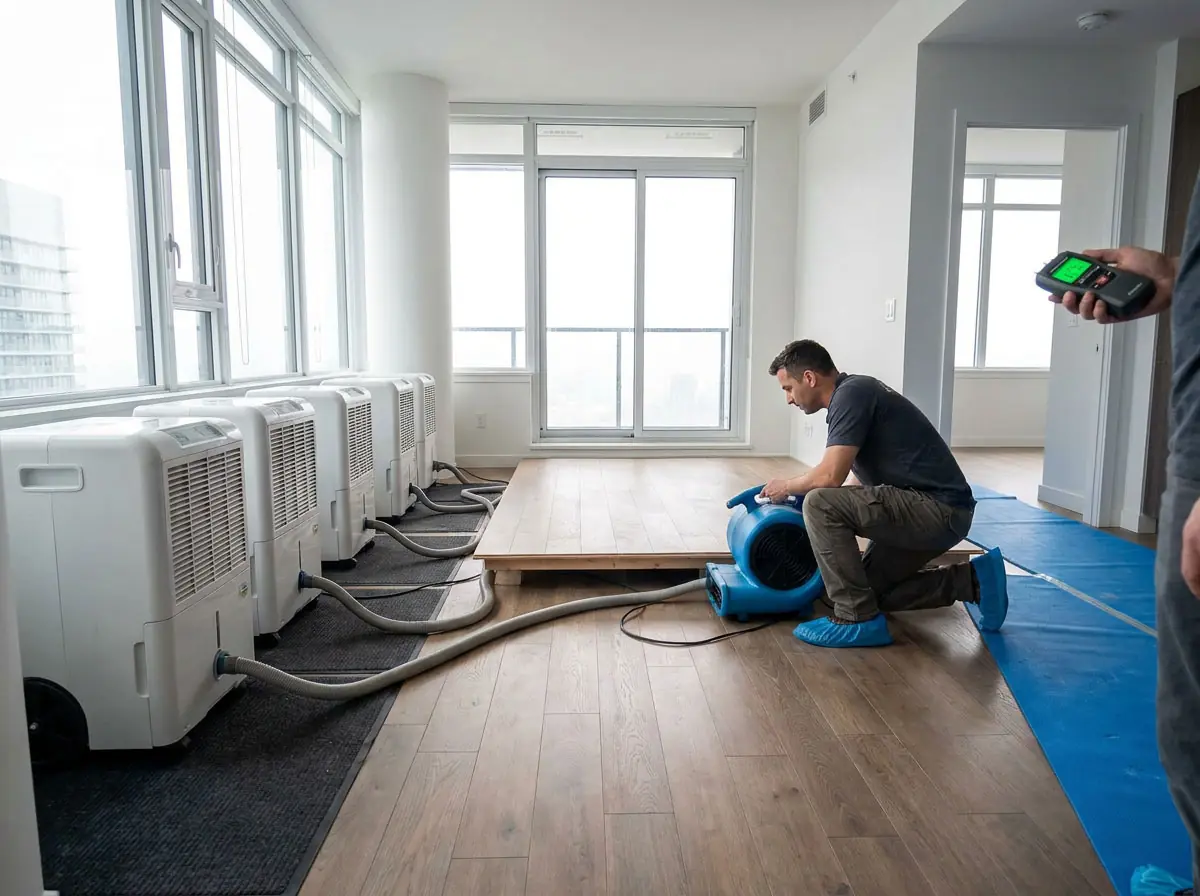
- Moisture Meters: Firefighters use thousands of gallons of water to douse flames, and pros have the sensors to track where that water is now rotting your floor joists.
- Chemical Neutralizers: Professional grade solvents break the molecular bond of smoke odors rather than just hiding them under floral scents.
Hiring a restoration team is about more than just convenience. It is about protecting your investment and ensuring your property remains a safe place to live.
Navigating the Insurance Claims Process in Manchester
Your insurance company is not your friend, and they are not your enemy; they are a business looking to minimize their payout. When you face fire damage in Manchester, NH, the adjuster is looking for ways to limit your claim based on their specific interpretation of your policy.
Before you sign anything, document every square inch of the damage yourself. Do not rely on the insurance company to provide the only record of what was lost.
Critical Steps for Your Claim
- Take high resolution photos of everything before you move or clean a single item.
- Obtain a certified copy of your policy and identify your coverage limits for additional living expenses.
- Keep a detailed log of every conversation with your adjuster, including dates, names, and what was promised.
- Hire your own restoration team to perform an independent assessment of the damage.
Many homeowners make the mistake of accepting the first settlement offer because they just want the stress to end. That is a financial trap. If you accept a lowball offer, you will be the one stuck paying out of pocket when the restoration crew finds mold or structural failure hidden behind the drywall months later.
Always demand an itemized estimate from your chosen restoration professional. Present this document to your insurance company as the baseline for your claim. If the numbers do not match, push back with facts and expert data.
Structural Integrity and The Dangers of Hidden Moisture
Most homeowners assume that if the structure is still standing, the frame is safe. They forget that firefighters used thousands of gallons of water to douse the flames.
That water does not just vanish once the smoke clears. It seeps deep into wall cavities, subfloors, and insulation, creating a perfect breeding ground for mold and dry rot.
If you seal your walls back up before this moisture is professionally extracted, you are trapping a ticking time bomb inside your home.
Hidden moisture leads to significant problems that often go unnoticed for months:
- Wood swelling: Damp studs can warp, causing doors to stick and floors to buckle.
- Mold colonization: Fungi can begin to sprout behind drywall within 48 hours of saturation.
- Electrical risks: Trapped water near wiring increases the risk of short circuits or future electrical fires.
- Structural decay: Prolonged exposure weakens the load-bearing integrity of your wooden frame.
You cannot rely on a simple dehumidifier to dry out your home after a fire. Professional restoration requires specialized tools like moisture mapping sensors and high-capacity industrial air movers.
We use thermal imaging to peer through your walls and identify hidden pockets of water. If you skip this critical step, the damage will persist until your walls literally begin to crumble from the inside out.

Restoring a Manchester Historic Home: A Case Study in Smoke Remediation
Manchester is filled with beautiful, century-old homes featuring porous plaster, original woodwork, and tight crawlspaces. When fire strikes these structures, the smoke does not just sit on the surface; it aggressively migrates into decades-old lath and wall cavities.
We recently managed a restoration for a historic Victorian in the North End after a kitchen electrical fire. While the kitchen looked ruined, the real danger was the smoke particles that had traveled through the floorboards to settle in the antique trim three rooms away.
The Challenges of Heritage Materials
Standard household cleaners are actually harmful to these delicate surfaces. We had to use specialized dry chemical sponges and negative air pressure machines to pull soot out of the pores of the wood without damaging the original finish.
If you own an older home, keep these specific risks in mind:
- Plaster walls act like giant sponges that soak up acidic smoke odors.
- Original hardwood floors often have gaps where soot hides and continues to off-gas.
- Varnish and antique finishes can react chemically with soot, leading to permanent etching.
You cannot simply paint over historic soot. The moisture from standard latex paint will reactivate the resins in the smoke, causing the smell to bleed through the new coat within weeks. Professional remediation requires a sealing process that traps the odor at the molecular level before any restoration work begins.
Critical Safety Protocols for Post-Fire Property Entry
Your first instinct might be to rush inside to salvage family heirlooms or take photos for your records. Do not do it. A fire weakened structure is a death trap that shows no mercy, and the air quality inside is often toxic enough to cause immediate respiratory distress.
Before you step foot across that threshold, you must prioritize your physical well-being. The property is unstable, and the invisible threats are lethal.
Mandatory Gear and Rules for Entry
- Wear a certified N95 or P100 respirator to prevent inhaling carcinogenic soot particles.
- Avoid wearing synthetic clothing, which can melt against your skin if you encounter hot spots or smoldering debris.
- Use heavy duty boots with thick, puncture resistant soles to protect against hidden nails, glass, and loose floorboards.
- Never enter the building alone; always keep a clear line of sight to an exit.
Watch for sagging ceilings and charred floor joists that have lost their load bearing capacity. Even if the fire was contained to a single room, the heat can travel through wall cavities and compromise the entire structural skeleton of the house. If you see signs of charring on structural beams or if the floors feel spongy underfoot, get out immediately.
Furthermore, turn off the main power and water lines before walking through the site. Electricity and water are a disastrous combination in a damaged home. If you are not certain that the main breakers are cut or if the local utility company has not yet cleared the connection, do not risk your life for a salvage operation.
Final Words
Your home is more than just a collection of wood and drywall. It is your sanctuary, and when fire strikes, every decision you make in the hours that follow will dictate the safety and air quality of that space for years to come.
Rushing the cleanup process or relying on untrained hands is a gamble you cannot afford to take. You need a team that understands the chemical composition of smoke and the hidden risks lurking inside your walls.
If you are ready to stop guessing and start restoring, our team at Fire Damage Restoration is standing by to provide a transparent, expert assessment. We handle the technical side of the recovery so you can focus on getting your life back to normal.
Three Golden Rules for Fire Recovery:
- Never enter the structure until local authorities officially declare it safe and stable.
- Do not attempt to wash soot-covered surfaces with water, as it often smears toxic chemicals deeper into materials.
- Always verify that your restoration partner is licensed and experienced in local Manchester building codes.
Time is the enemy of any fire-damaged property. Acidic soot begins to etch into fine metals and porous surfaces almost immediately, making professional intervention critical within the first 48 hours.
Let us handle the heavy lifting. Pick up the phone, get the experts on-site, and ensure your property remains a safe place for your family to live.
People Also Ask
How soon should fire damage restoration begin after a fire?
You should begin the restoration process within 24 to 48 hours to prevent permanent damage. Rapid response is critical because soot and smoke particles become more acidic over time, causing irreversible etching on surfaces and lingering odors throughout your home.Is it safe to stay in my home after a fire?
It is generally not safe to remain in a home after a fire until it has been inspected by professionals. According to the FEMA guidelines, you must avoid the property until local authorities confirm the structure is stable and the air quality is safe for breathing.What is the biggest risk of DIY fire cleanup?
The primary risk of DIY cleanup is the potential for respiratory issues caused by inhaling toxic soot and chemical residue. Without industrial grade equipment, you may also miss hidden moisture behind walls, which often leads to dangerous mold growth later on.How do insurance companies handle fire damage claims in Manchester?
Most insurance providers require a detailed inventory of damaged items and a professional assessment of the property loss. It is essential to document everything with photos before starting any cleanup, as this helps your adjuster accurately evaluate the scope of the claim.Why is specialized equipment necessary for smoke remediation?
Standard household cleaners are ineffective at neutralizing the microscopic particles embedded deep within porous materials like drywall and carpeting. Professional restoration teams use air scrubbers, thermal foggers, and ozone generators to fully eradicate odors rather than just masking them.Need Water Damage Restoration Services?
We provide rapid water damage restoration for homes and businesses in Manchester and surrounding communities to prevent further structural decay. Our team arrives quickly to extract water and restore your property to its pre-loss condition (03101, 03102, 03103, 03104, 03109).
Request Price Estimate