
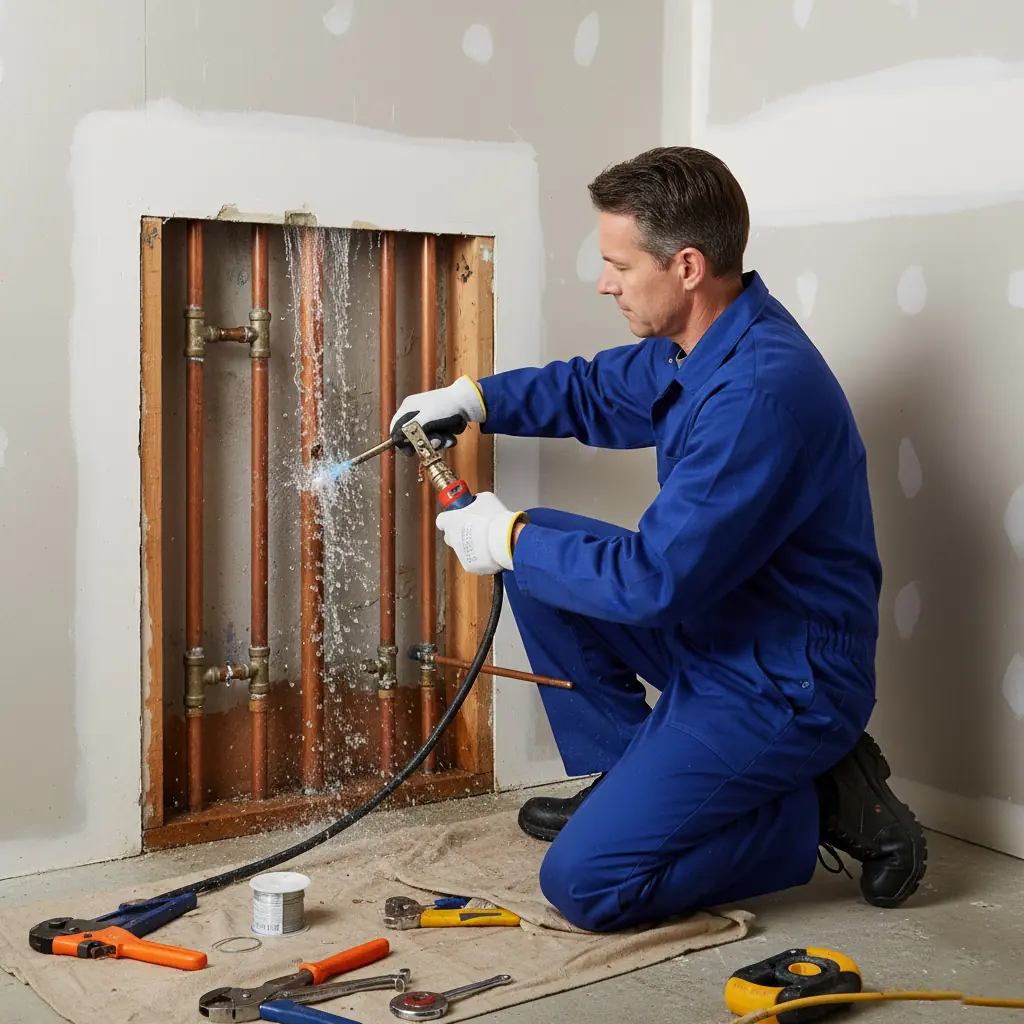


⚡ TL;DR: This guide helps Manchester homeowners understand effective flood damage restoration by outlining essential immediate actions, insurance claim tips, and long term strategies for protecting property near the river.
📋 What You’ll Learn
Navigating flood recovery in Manchester requires precision and speed to protect your investment. This guide provides actionable steps to minimize water damage and restore your property after severe New Hampshire storms.
- Take immediate protective measures to secure your property during flash floods by identifying high-risk areas in your home and learning exactly how to mitigate ongoing water intrusion effectively.
- Understand the 48-hour restoration window to prevent irreversible structural decay and dangerous mold growth that often develops in humid basement environments found throughout the Manchester residential real estate market.
- Master the insurance documentation process required by providers in New Hampshire so you can successfully navigate complex claims and ensure your restoration costs are covered with minimal stress.
- Implement long-term flood prevention strategies specifically designed for homes located within the Merrimack River basin to safeguard your living space against future seasonal weather events and heavy rain.
📖 Reading time: 8 min
✍️ Author expertise: Manchester water damage restoration specialist with ten years of hands-on local field experience.
You wake up to the sound of water sloshing against your basement floorboards and realize the Merrimack River isn't just a scenic view anymore. It is a direct threat to your equity, your possessions, and your family's safety.
Most Manchester homeowners waste precious hours panicking or waiting for a callback that never comes while the structural rot sets in. That hesitation costs thousands, but it does not have to be your story.
Here is exactly how to stop the destruction before it ruins your home, starting with the immediate moves you need to make right now.

Immediate Steps: Protecting Your Property During a Manchester Flash Flood
Your first move when water enters your home is safety, not salvage. Shut off the main electrical breaker if you can access it without standing in water, because electricity and flooding are a lethal mix.
If the water is rising fast, grab your family and pets and head to higher ground immediately. Do not attempt to walk through moving water, as even six inches can knock an adult off their feet.
Once you are physically safe, focus on these tactical moves to stop the bleeding:
- Move valuable electronics, photos, and heirlooms to the upper levels of the house.
- Punch small holes in your drywall near the floor to drain trapped water from behind the walls.
- Lift upholstered furniture off the floor using plastic blocks or aluminum foil under the legs to prevent permanent staining and wicking.
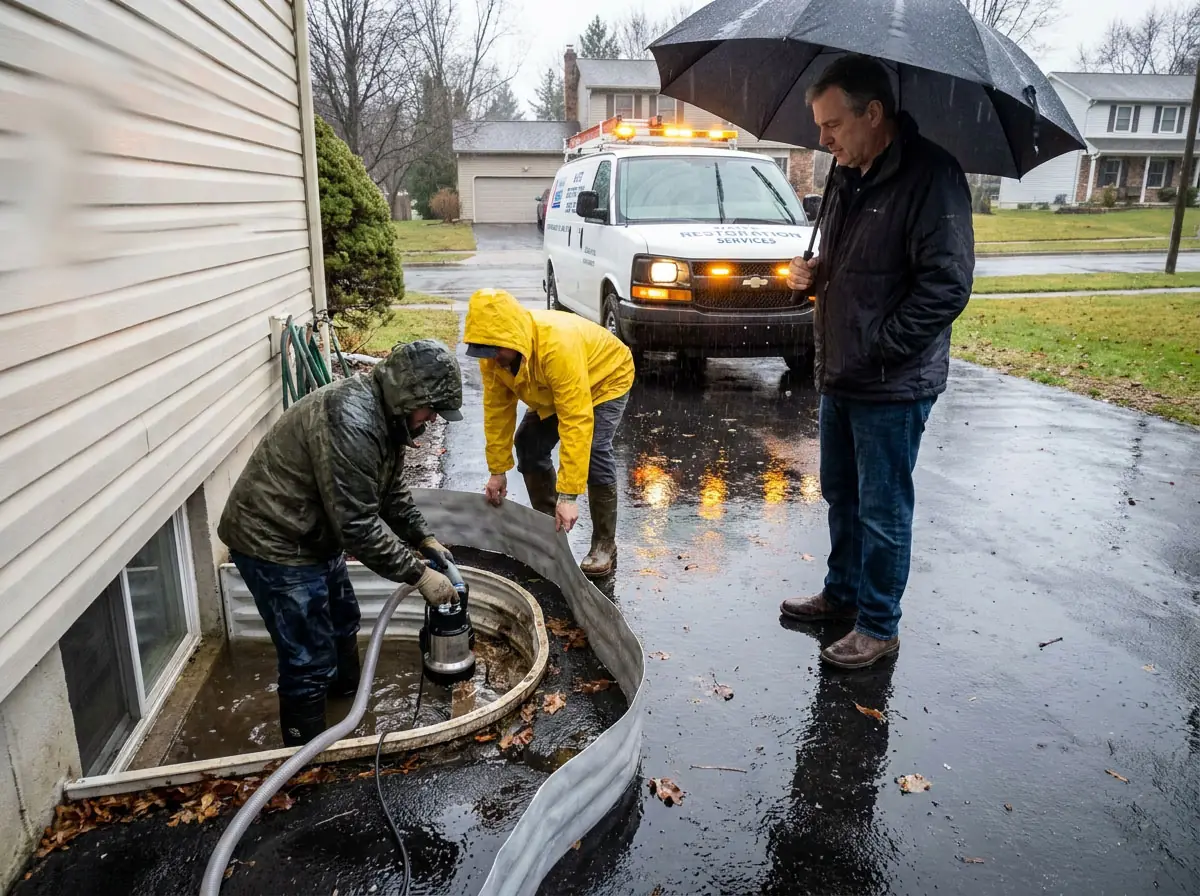
- Deploy a submersible pump if the water level allows, but only if the area is confirmed safe from electrical hazards.
Do not wait for the storm to stop before calling for help. The goal is to remove standing water before it wicks into your studs and subfloors.
Time is your greatest enemy during a Manchester deluge. The longer that water sits, the higher the restoration bill will climb by morning.
The Critical Timeline: Why Manchester Properties Deteriorate Within 48 Hours
When water breaches your foundation in New Hampshire, you are not just dealing with a mess; you are in a race against biological growth. The clock starts the second the water touches your drywall, and by the 48-hour mark, the situation shifts from a simple cleanup to a full-scale structural disaster.
Microscopic mold spores thrive in the dark, damp environments created by floods. Once they find a host—like your carpet pad or wooden studs—they colonize rapidly, turning a dry Manchester basement into a health hazard that could trigger respiratory issues for your family.
Here is how the damage unfolds if you wait too long:
- 0-24 Hours: Water seeps into porous materials, causing carpets and padding to swell and subfloors to absorb moisture.
- 24-48 Hours: Drywall begins to wick moisture upward, warping begins on wooden baseboards, and the musty smell of mold begins to permeate the air.
- 48+ Hours: Rapid mold growth occurs, structural integrity of flooring diminishes, and bacterial contamination from grey water becomes a major safety threat.
If you delay action, you are essentially feeding the rot. Professional restoration specialists understand that the first two days determine whether your home requires a light dehumidification or a complete demolition of the affected area. Every hour you spend waiting for the water to drain on its own is an hour where the replacement cost of your building materials jumps higher.

Navigating Insurance Claims and Documentation for NH Homeowners
Dealing with a flooded basement in New Hampshire is stressful enough without the added headache of a denied insurance claim. Most homeowners make the mistake of cleaning up everything before the adjuster arrives, which effectively destroys the evidence you need to prove your financial loss.
Think of your property damage like a crime scene; you need to document every single detail before you start scrubbing floors. Start by taking high resolution photos and video footage of the standing water, the saturation levels on your drywall, and any damaged personal belongings before moving a single item.
Essential Documentation Checklist
Your insurance provider will demand proof of loss to process your request. Keep a dedicated folder or digital drive for the following items to speed up your payout:
- Detailed photos of the water source and affected areas.
- A master list of damaged items, including their approximate age and original purchase price.
- Copies of all receipts for emergency repairs or temporary lodging.
- The official report from your restoration professional detailing the scope of structural damage.
Contact your agent immediately to clarify if your policy covers sewer backup or groundwater intrusion, as these are often separate riders. Do not take the first answer as final if you feel your policy provides coverage. If you hit a wall with the initial adjuster, keep a paper trail of every phone call and email correspondence you have regarding the claim. Persistence and precise documentation are the only things standing between you and a fair settlement.
Restoration in Action: A Case Study of a Downtown Manchester Basement Recovery
Last winter, a historic brick property near Elm Street suffered a catastrophic pipe burst during a deep freeze. The basement acted like a swimming pool, soaking into original floor joists and antique electrical fixtures.
The homeowner called us at 3:00 AM, desperate to save the structure. By the time our team arrived, the air was already heavy with the distinct, musty scent of active moisture.
The Recovery Execution
We didn't just pump out the water and walk away. We followed a strict protocol to save the foundation from permanent damage:
- Extraction: We removed three inches of standing water using industrial vacuum systems to prevent subfloor saturation.
- Dehumidification: We placed commercial-grade air movers and dehumidifiers to pull moisture out of the brick and mortar.
- Sanitization: We treated all affected surfaces with antimicrobial agents to kill mold spores before they could take root.
The results were clear. Because the owner acted within the first six hours, we avoided the need for a full wall demolition. We saved the original downtown character of the basement while ensuring the environment was certified safe for his family to inhabit again.
Comparative Cost Breakdown Table for Water Extraction vs. Professional Remediation
Most homeowners mistakenly assume that a shop vac and a few fans are enough to handle a basement flood. This cheap approach is a recipe for disaster. While DIY extraction seems affordable today, it often hides underlying moisture that triggers black mold growth and structural decay by next month.
| Service Feature | DIY Extraction | Professional Remediation |
|---|---|---|
| Equipment Used | Rental Shop Vac | Industrial Dehumidifiers/HEPA Scrubbers |
| Moisture Detection | Visual Check | Infrared Thermal Imaging |
| Structural Integrity | Risk of Rot | Sanitization and Structural Dry-out |
| Insurance Compliance | None | Certified Documentation Provided |
| Long Term Outcome | Mold Recurrence | Permanent Resolution |
Professional remediation is an investment in your property value. You aren't just paying for the water removal; you are paying for the science of drying your home to industry standards. Without the right equipment, you leave behind high humidity levels that literally feed mold spores.
Why The Hidden Costs Matter
When you look at the price tag, consider the hidden costs of failure. A DIY job leaves moisture in the subfloor or drywall, eventually requiring expensive demolition and professional mold abatement later. Professional teams focus on:
- Mapping moisture deep inside wall cavities.
- Applying antimicrobial treatments to prevent microbial growth.
- Ensuring the home is dry enough to pass professional inspections.
Choosing professional service stops the clock on expensive secondary damage. It keeps your Manchester property safe and, more importantly, it makes sure you don't get hit with a massive restoration bill when the mold takes over.
Long-Term Prevention Strategies for Merrimack River Basin Residents
Living near the Merrimack River means you have to respect the water. When the thaw hits or heavy rains roll in, your home needs to be ready to fight back.
The smartest play is to stop the water from ever touching your foundation. If you wait until the storm starts, you have already lost the battle.
Hardening Your Manchester Home
Start by auditing your perimeter. You want to redirect water away from your walls, not let it pool against them.
- Extend your downspouts at least ten feet away from your foundation.
- Install a high-capacity sump pump with a reliable battery backup system.
- Grade your soil so it slopes away from the house at a minimum of six inches over ten feet.
- Seal basement cracks with high-grade hydraulic cement.
Don't ignore the small gaps around your utility lines or window wells. Water is relentless; it will find the smallest opening to enter your living space.
Installing window well covers is a cheap insurance policy for your basement. Keep your gutters clear of leaves and debris throughout the fall, as clogged systems will dump gallons of water right next to your footings.
Check your foundation vents and ensure they are ready for seasonal shifts. A little proactive maintenance now saves you a small fortune in restoration costs later.
Final Words
When the Merrimack River rises or a heavy storm hits, you are in a race against the clock. Every minute you wait allows mold spores to germinate and structural timber to weaken.
Do not wait for your property value to dissolve into the basement concrete. If your home has been compromised, get in touch with our team for professional Flood Damage Restoration immediately.
Preparation beats repair every single time. Here is your final checklist for peace of mind:
- Check your sump pump battery backup monthly.
- Clear your gutters so roof runoff does not pool near your foundation.
- Keep your insurance policy numbers and our emergency contact saved on your phone.
You have worked too hard for your home to let a little water take it away. Take control, act fast, and keep your Manchester property dry.
People Also Ask
What should I do immediately after my home floods in Manchester?
Prioritize your safety by turning off the electricity and avoiding contact with standing water. Once it is safe to enter, contact a professional restoration team and document the damage with clear photos for your records.How quickly does mold grow after water damage?
Mold can begin to colonize within 24 to 48 hours after exposure to moisture. It is essential to start the drying process immediately to prevent long term structural damage and potential health risks.Does homeowners insurance cover flood damage in New Hampshire?
Standard homeowners insurance policies typically do not cover damage caused by rising surface water or external flooding. You can learn more about your specific coverage needs by visiting the FEMA website to check if you reside in a high risk flood zone.Why is professional water extraction better than DIY?
Professional services use industrial grade dehumidifiers and moisture meters to ensure water is removed from hidden cavities. DIY methods often leave residual moisture behind, which can lead to severe structural rot and recurring mold growth.Are Manchester basements at higher risk for water damage?
Many basements in the Merrimack River basin are prone to seepage during heavy rainfall or snowmelt due to high water tables. Installing a sump pump and maintaining proper exterior drainage are effective ways to mitigate this ongoing risk.Need Water Damage Restoration Services?
We provide rapid water damage restoration for homes and businesses in Manchester and surrounding communities to prevent further structural decay. Our team arrives quickly to extract water and restore your property to its pre-loss condition (03101, 03102, 03103, 03104, 03109).
Request Price Estimate