


⚡ TL;DR: This guide helps Manchester homeowners identify the causes of moisture and outlines professional methods for crawl space water removal to protect the structural integrity of your property.
📋 What You’ll Learn
Managing crawl space moisture is vital for homes across Manchester, New Hampshire. This guide provides actionable steps to remove standing water, protect your foundation, and prevent costly long-term structural damage.
- Identify hidden moisture sources by recognizing common drainage issues and groundwater patterns specific to local Manchester properties that contribute to dangerous standing water and persistent basement dampness.
- Evaluate urgent structural risks through a breakdown of how moisture degrades wooden joists and insulation while creating a toxic environment for mold growth beneath your primary living space.
- Follow professional extraction steps using our proven mitigation sequence designed to safely remove water, dry out porous materials, and restore a healthy moisture balance in your home.
- Implement long-term prevention tactics by selecting the best sump pump systems, vapor barriers, and encapsulation methods that keep your crawl space dry throughout the harsh New Hampshire winters.
📖 Reading time: 8 min
✍️ Author expertise: Certified Manchester water damage expert with fifteen years of local foundation restoration experience.
You wake up to a strange, musty scent creeping up through your floorboards and realize your Manchester home is hiding a wet, rotting secret underneath. That crawl space isn't just a dusty storage area anymore; it is a ticking time bomb for your foundation and your family's health.
Standing water down there acts like a magnet for mold, pests, and expensive structural decay that hits your wallet hard. Ignoring the dampness today is a direct invitation for a massive repair bill tomorrow.
You need to stop the damage before the rot spreads to your main living quarters. Here is exactly how to identify the source of the flood and clear it out for good.
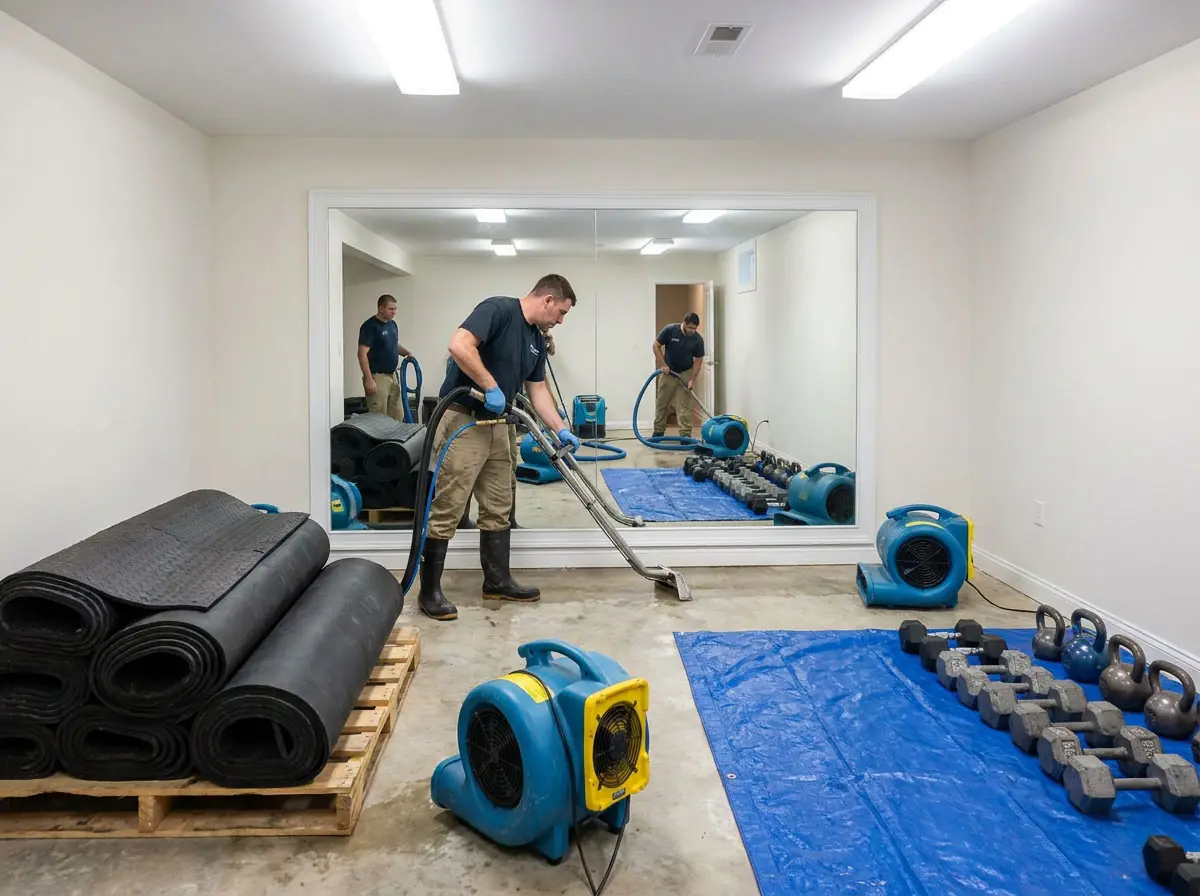
Pinpointing the Source: Common Causes of Crawl Space Flooding in Manchester
Manchester homes face a unique set of challenges thanks to our intense New England weather. When the spring thaw hits or a heavy storm rolls off the Merrimack River, your home often pays the price in the basement or crawl space.
The most common culprits for water intrusion usually involve failed drainage systems or poor site grading. If your soil slopes toward your foundation instead of away from it, gravity pulls rainwater straight into your crawl space.
Beyond simple drainage issues, consider these frequent triggers for local flooding:
- Broken or clogged gutter downspouts that dump roof runoff inches from your foundation walls.
- High water tables that saturate the ground and push moisture upward through the soil.
- Plumbing leaks hidden behind insulation or floor joists that rot wood from the inside out.
- Cracked foundation masonry that allows groundwater to seep in during sustained wet spells.
Identifying the exact source requires more than just a quick look with a flashlight. You need to verify if the moisture is rising from the earth or if it is entering through the sides of your home.
If you find white mineral deposits on your foundation walls, that is a sure sign of consistent water seepage. Dry out the area, watch where the moisture reappears during a storm, and you will have your smoking gun.
Immediate Risks: How Dampness Compromises Your New Hampshire Home’s Integrity
Most Manchester homeowners view their crawl space as an "out of sight, out of mind" area. This mistake allows moisture to quietly dismantle your property from the ground up.
When standing water lingers beneath your floorboards, it begins a chain reaction of destruction. Structural integrity is the first casualty as wooden joists, subflooring, and support beams absorb that moisture like a sponge.
Once the wood fibers soften, you are looking at more than just a little sag in your living room floor. You are facing a significant loss in property value and potential safety hazards for your entire family.
The Hidden Dangers Lurking Below
Beyond the structural decay, damp crawl spaces act as a breeding ground for biological threats. These issues can migrate upward into the air you breathe every single day:
- Toxic Mold Growth: Airborne spores spread quickly, causing respiratory issues and allergic reactions for your loved ones.
- Pest Infestations: Standing water attracts termites, carpenter ants, and rodents that thrive in humid, dark environments.
- Insulation Failure: Soggy fiberglass insulation loses its R-value, forcing your HVAC system to work overtime and driving your energy bills through the roof.
- Compromised Air Quality: The stack effect pulls crawl space air up into your home, meaning you end up breathing the damp, musty atmosphere trapped below.
Ignoring this moisture is essentially gambling with the long-term health of your investment. Whether it is rot eating away at your foundation or poor air quality affecting your daily comfort, the price of inaction will always be higher than the cost of a professional assessment.
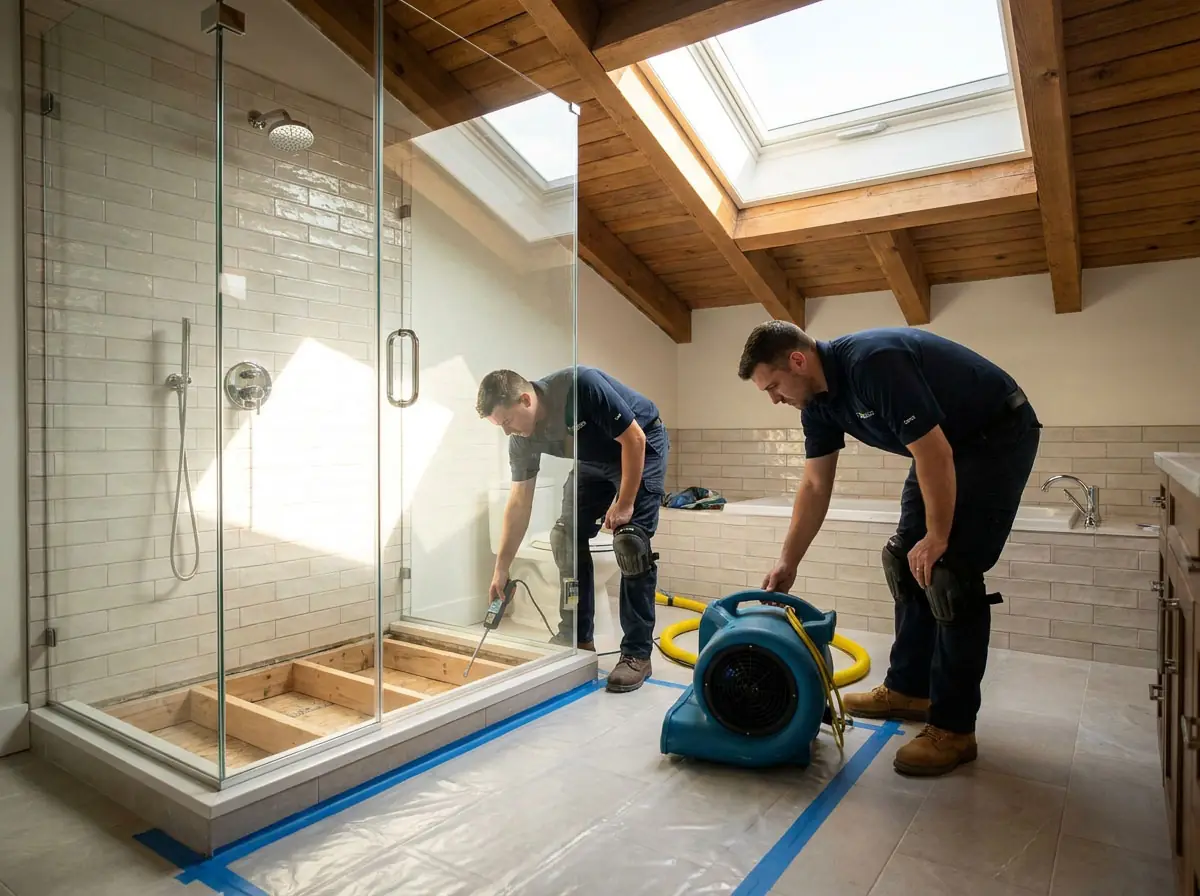
Step-by-Step Mitigation: The Professional Approach to Water Extraction
When water infiltrates your Manchester crawl space, speed is your only ally. Professionals do not just pump out the liquid; we follow a rigid protocol to stop the rot before it migrates into your subflooring and framing.
The first step is a full-site assessment to isolate the water source and secure the area for our crew. We then deploy industrial-grade pumps to evacuate standing water while simultaneously installing high-capacity dehumidifiers to pull moisture from the wooden joists.
The Extraction Process
- Site Containment: We block off vents and access doors to keep moisture from migrating into your living area.
- Extraction: Using high-volume pumps, we clear the standing water in hours, not days.
- Sanitization: We apply hospital-grade antimicrobial treatments to kill mold spores on contact.
- Drying Cycle: We install commercial air movers to target the studs, floor joists, and concrete piers.
Once the space is dry, we do not just walk away. We monitor the moisture content in your wood framing with calibrated sensors to ensure the materials are below the threshold for fungal growth. If the wood remains damp, the mold will return within weeks, which is why we verify the environment is bone-dry before we call the job finished.
A Comparative Table of Moisture Control Methods and Solutions
When you discover standing water under your Manchester property, you have to move fast. Not every solution fits every basement or crawl space configuration, so understanding your options is the difference between a dry home and a total loss.
| Method | Best For | Impact Level |
|---|---|---|
| Sump Pump Installation | Active Flooding | High |
| Vapor Barrier | Ground Moisture | Moderate |
| Dehumidification | Humidity Control | Ongoing |
| Foundation Sealing | Leak Prevention | Structural |
A sump pump is your first line of defense if you have high water tables or consistent flooding. It acts like a drain for your entire foundation, moving water away from the structure before it pools.
If your crawl space stays damp but does not flood, a heavy-duty vapor barrier is often the smartest play. This thick plastic liner cuts off moisture rising from the soil, effectively turning your crawl space into a protected, dry zone.
Beyond these physical barriers, consider these additional tactics to keep your air quality high:
- Installing high-capacity commercial dehumidifiers to dry out the air.
- Sealing cracks in foundation walls with industrial grade epoxy.
- Improving exterior grading so rainwater flows away from your home instead of toward it.
Never underestimate the power of a dry crawl space. It stops rot in its tracks and keeps your indoor air smelling like a home instead of a swamp.
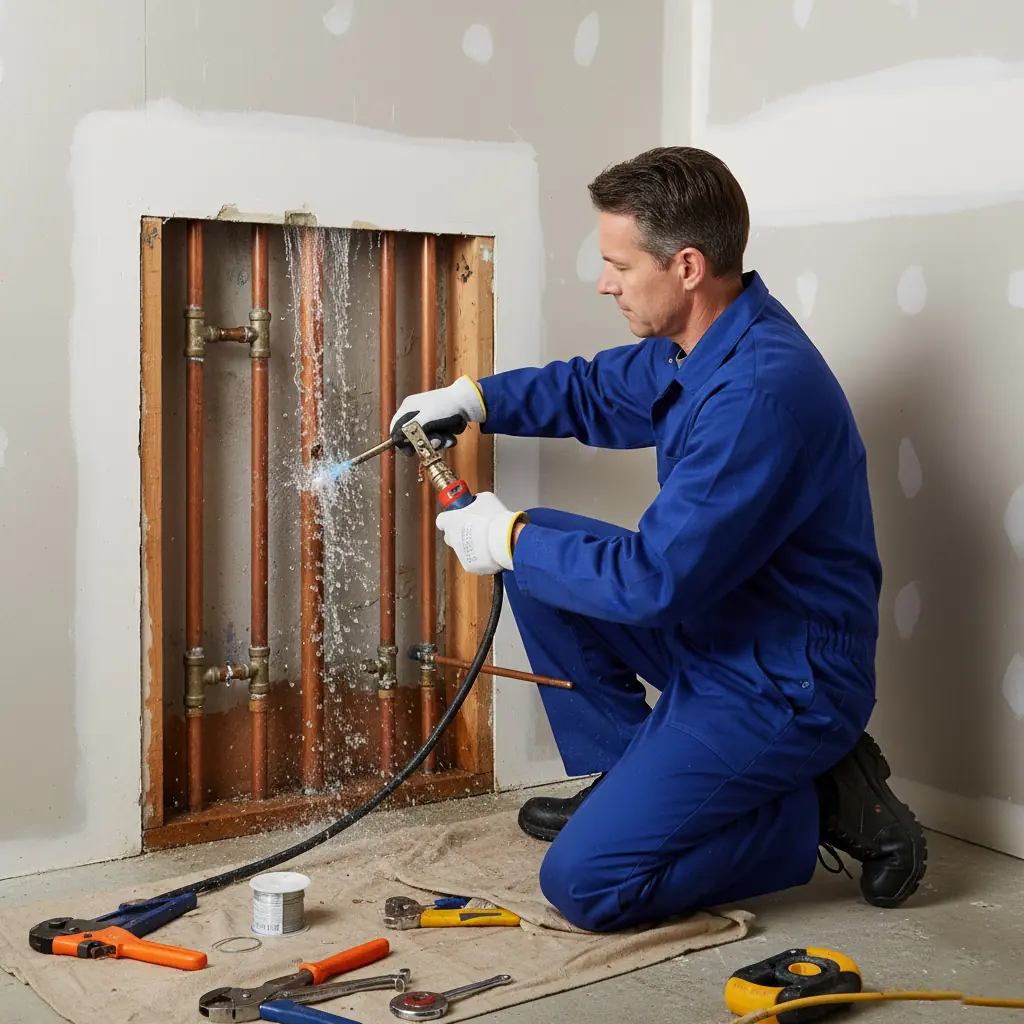
Restoring Safety: A Case Study of a West Side Foundation Recovery
We recently handled a distress call from a homeowner on the West Side of Manchester whose crawl space had become a swamp after a heavy spring melt. The moisture levels were off the charts, and the wooden joists were already showing signs of soft rot.
The situation was dire because the humidity was leaching into the living room, causing the hardwood floors to buckle. Here is how we turned a potential foundation collapse into a dry, stable environment:
- First, we pumped out nearly 500 gallons of standing water that had trapped itself in low-lying depressions.
- Next, we performed a deep microbial cleaning to kill off mold colonies before they could travel through the HVAC ducts.
- Finally, we installed a commercial-grade vapor barrier to seal the soil from the rest of the home structure.
The transformation was night and day. By treating the crawl space as a vital part of the home system rather than a dark hole, we saved the client tens of thousands of dollars in major foundation work. That West Side home is now bone-dry, and the musty odors are completely gone.
Essential Preventative Measures for Long-Term Crawl Space Health
Stopping the water once is only half the battle; you have to seal the fortress to keep it dry for the long haul. Most Manchester homeowners fall into the trap of cleaning up the mess without addressing why it happened in the first place.
You need to be proactive about your home's defensive perimeter. If you ignore these basics, you are essentially paying for the same repair over and over again.
Critical Maintenance Steps
- Extend your downspouts: Ensure water is dumping at least six feet away from your foundation wall.
- Install a vapor barrier: A high-quality, heavy-duty plastic liner keeps ground moisture from turning into vapor that rots your floor joists.
- Seal the vents: During humid New Hampshire summers, open vents pull warm, damp air into your crawl space where it condenses on cool surfaces.
- Grade the soil: The dirt around your home should slope away from the building to prevent pooling near the concrete.
Consider installing a smart dehumidifier specifically rated for crawl space conditions. Unlike standard household units, these machines are built to run continuously in harsh environments and will automatically trigger when moisture levels climb too high.
Keep a close eye on your sump pump as well. Test the battery backup every few months because a power outage during a heavy New England rainstorm is the fastest way to see your progress washed away.
Final Words
Your crawl space is the hidden engine of your Manchester home, and it demands respect. When you let moisture fester under your feet, you are essentially paying for the privilege of watching your equity rot away.
Taking control of your property means acting before the signs become undeniable. If you notice a damp smell or standing water, don't wait for the foundation to shift or the mold to migrate into your walls.
Whether you need a quick inspection or a comprehensive Crawl Space Water Removal plan, the time to act is now. Consider these simple rules for keeping your space dry:
- Check your gutter downspouts during every heavy New Hampshire rainstorm.
- Install a high quality dehumidifier if your space shows even slight signs of humidity.
- Seal your foundation vents during the humid summer months to prevent condensation buildup.
Ignoring the problem is a bet you will eventually lose. Protect your investment, safeguard your indoor air quality, and keep your Manchester home solid from the ground up.
People Also Ask
Is crawl space water removal covered by home insurance in New Hampshire?
Coverage depends heavily on your specific policy and the cause of the flooding. Generally, damage from sudden pipe bursts may be covered, while issues related to gradual seepage or ground water are often excluded.How do I know if my Manchester crawl space has a moisture problem?
Look for signs like a musty odor in your home, visible mold growth, or warped floorboards above the area. High humidity levels can also be confirmed by placing a hygrometer inside the space to monitor moisture content.Why is it dangerous to ignore standing water in a crawl space?
Standing water creates a breeding ground for mold and pests that can negatively impact your indoor air quality. According to the Environmental Protection agency, uncontrolled moisture also leads to structural decay and foundation damage over time.What is the typical cost of professional crawl space restoration in Manchester?
Costs vary based on the volume of water, the source of the leak, and the extent of any mold remediation required. A professional inspection is necessary to provide an accurate estimate based on the specific condition of your home.How can I prevent future water buildup under my house?
Ensure your gutters are clear and downspouts direct water at least six feet away from your foundation. Installing a sump pump or a professional grade vapor barrier is also highly effective for long term moisture control.Need Water Damage Restoration Services?
We provide rapid water damage restoration for homes and businesses in Manchester and surrounding communities to prevent further structural decay. Our team arrives quickly to extract water and restore your property to its pre-loss condition (03101, 03102, 03103, 03104, 03109).
Request Price Estimate