


⚡ TL;DR: This guide helps residents of Concord understand why professional soot removal is necessary for restoring smoke damaged property while ensuring air quality remains safe for your entire household.
📋 What You’ll Learn
Discover effective strategies for handling smoke damage in your home. This guide provides actionable advice on safely cleaning soot, protecting air quality, and preserving the unique character of Concord properties.
- Identify the serious health risks associated with lingering soot particles and learn why immediate action is necessary to ensure your family remains safe in a clean environment.
- Avoid common DIY cleanup mistakes that often spread harmful toxins further throughout your home, causing secondary damage that becomes significantly more expensive to repair later on today.
- Utilize professional restoration techniques that effectively neutralize stubborn smoke odors and safely remove microscopic soot residues from delicate surfaces without damaging your home's original finish or structural materials.
- Protect your HVAC system efficiency by following our expert steps to clean your ventilation, ensuring that trapped soot does not compromise your indoor air quality moving forward.
📖 Reading time: 7 min
✍️ Author expertise: Local water and fire restoration specialist serving Concord homeowners with decade-long field experience.
The fire might be out, but the silent killer in your home is just getting started. That black, greasy film coating your walls and cabinets isn't just an eyesore; it’s a toxic reminder of a disaster that needs to be scrubbed away before it ruins your property for good.
Most homeowners in Concord grab a spray bottle and a rag, thinking they can wipe the problem away in an afternoon. In reality, they are usually just grinding microscopic carbon particles deeper into their paint, carpets, and ventilation systems.
If you want to save your belongings instead of tossing them into a dumpster, you need to stop scrubbing and start thinking strategically. Let’s break down exactly how to handle soot removal the right way so you don't end up with a permanent smoky smell in your living room.
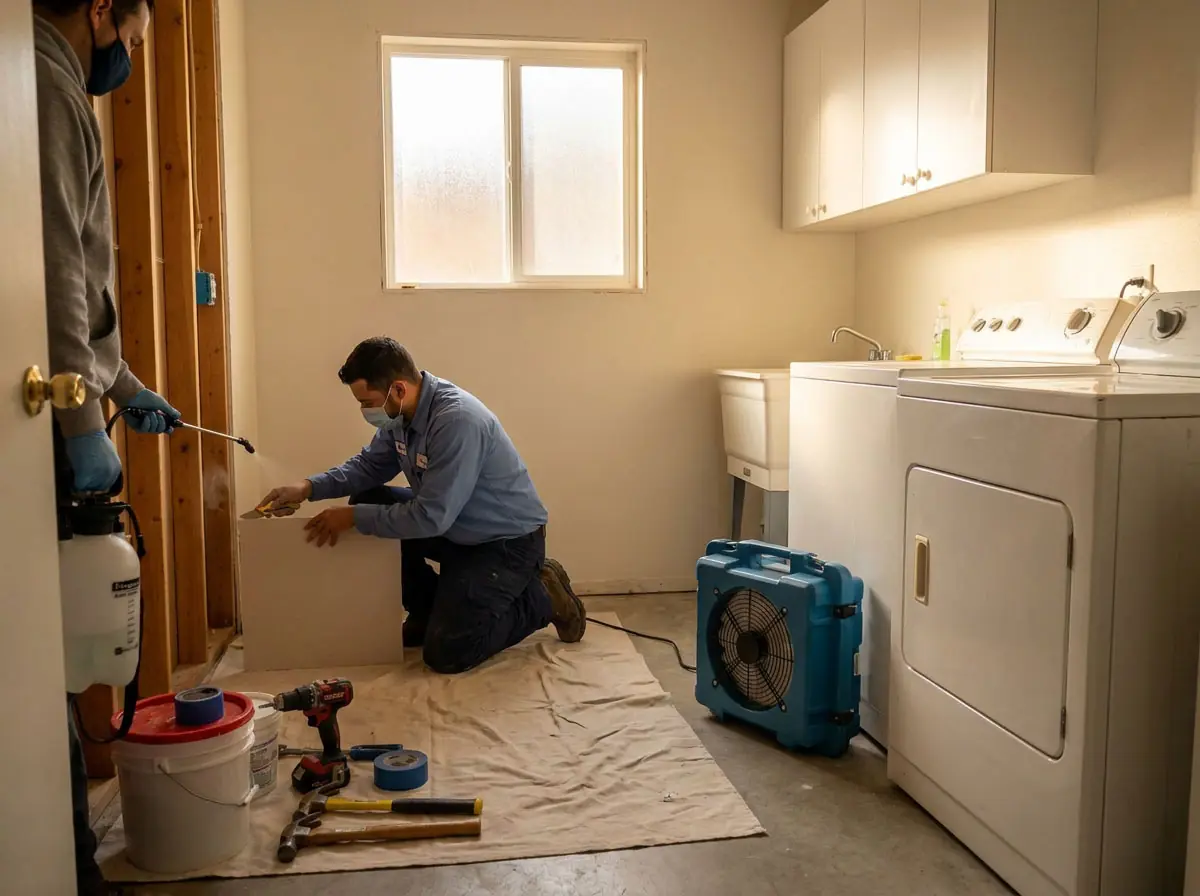
The Hidden Dangers of Lingering Soot Particles
Soot is not just dirt; it is a complex chemical cocktail of burnt plastics, synthetic fibers, and wood resins. When these particles settle, they become acidic and corrosive, eating into your drywall, metal fixtures, and even your furniture finishes.
You might think a quick wipe with soap and water does the trick, but you are wrong. If left untreated, soot particles bond to surfaces, causing permanent yellowing and deep staining that will require a complete renovation to fix.
The health risks are even more concerning than the property damage. Because soot is microscopic, it bypasses your body's natural defenses, leading to severe respiratory issues. Consider the physical consequences of ignoring these leftovers:
- Chronic coughing or lung irritation.
- Dermatitis from contact with acidic residue.
- Aggravated asthma or persistent sinus inflammation.
- Long term exposure to carcinogenic toxins trapped in your upholstery.
Your home is currently acting like a filter for these hazardous particles. Every time you turn on a fan or walk across a carpet, you kick these toxins back into the air. Do not let your family breathe this in for another night; the longer it sits, the more it permeates your belongings.
Why DIY Cleaning Methods Often Make Damage Worse
Most homeowners assume a bucket of soapy water and a sponge will fix soot damage. That is a dangerous mistake. Soot is not just regular dirt; it is a complex, acidic substance that acts like a stain-inducing grease.
When you apply household cleaners, you often trigger a chemical reaction that sets the soot into porous materials. You aren't cleaning; you are actually tattooing the smoke residue into your walls and upholstery.
Consider these common DIY blunders that turn a manageable cleanup into a total loss:
- Scrubbing soot without using a HEPA vacuum first spreads microscopic particles into your furniture.
- Using ammonia or bleach on smoke-damaged surfaces can cause permanent discoloration or toxic fumes.
- Wiping with a wet cloth forces acidic soot deeper into the fibers of carpets and curtains.
- Improper drying techniques frequently lead to hidden mold growth behind the drywall.
If you don't use professional-grade sealants and specialized solvents, you will never get rid of the odor. The smell will linger for months because you only cleaned the surface, leaving the core particles embedded deep within your home structure.

Essential Soot Cleaning Tools and Safety Gear
Attempting to tackle soot without the correct arsenal is a recipe for disaster. You are not just dealing with dust; you are handling toxic chemical residue that requires specific chemistry to break down.
| Item | Purpose |
|---|---|
| HEPA Vacuum | Captures microscopic carbon particles |
| Dry Chemical Sponges | Lifts soot without smearing |
| N95 Respirator | Prevents inhalation of smoke toxins |
| Nitrile Gloves | Protects skin from oily residue |
| Degreasing Solvent | Breaks down greasy smoke film |
Before you even touch a wall, you must prioritize your personal safety. Standard household masks do not stop fine soot particles from entering your lungs, and touching the grime with bare hands can cause skin irritation or chemical burns.
Here is what you need to keep on hand for a professional approach:
- N95 or P100 rated respirators to block dangerous inhalation.
- Dry cleaning sponges, specifically made for soot, which act like magnets for debris.
- Industrial grade degreasers that neutralize the acidic nature of smoke residue.
- Protective coveralls to keep toxic particles off your clothing and skin.
Always move from the top of the room down to the floor. If you scrub horizontally across a surface, you will likely grind the soot into the porous materials of your home. Consistency is your best friend when dealing with smoke damage.
Professional Techniques for Restoring Smoke-Damaged Surfaces
When professional restoration crews arrive at a Concord home, we do not simply start wiping. The first step involves dry chemical sponging to lift loose soot before it can be smeared into porous materials.
Applying moisture too early is the biggest mistake amateurs make. Water acts like a carrier, pushing fine carbon particles deeper into drywall and fabric fibers.
Instead, we rely on a systematic, dry extraction process. Here is how the pros approach the recovery phase:
- High-Efficiency Particulate Air (HEPA) vacuuming: We pull microscopic soot from deep within carpet piles and upholstery, ensuring particles are trapped rather than kicked into the air.
- Dry cleaning sponges: These vulcanized rubber sponges act like giant erasers. They pull soot from surfaces without the need for liquid cleaners.
- Thermal fogging: This process neutralizes odor molecules at a molecular level. It penetrates the same small cracks and crevices that smoke traveled through during the fire.
- Ultrasonic cleaning: For delicate items like blinds, figurines, or fine china, we submerge them in sound-wave-activated water tanks to strip off hidden grime.
We finish with specialized solvent-based cleaning agents that dissolve greasy soot films. These formulas are designed to lift the stain while preserving the integrity of the paint or finish underneath.
Trying to mirror these results with household bleach or generic multi-purpose cleaners usually leads to permanent staining. Smoke damage is acidic, and professional agents are pH-balanced to neutralize that acidity, stopping the corrosion process on your fixtures and surfaces.
Restoring a Concord Historic Home: A Soot Removal Case Study
Historic homes in Concord carry a unique charm, but that age works against you when fire strikes. In a recent project, we took on a local 1920s bungalow where the plaster walls had become a magnet for heavy soot. Because older building materials are porous, the smoke had traveled deep into the lath and plaster structure.
Most standard cleaning products would have simply stained the historic woodwork or caused the wallpaper to peel instantly. We had to move away from liquid-based cleaners entirely. Instead, we relied on dry chemical sponges and specialized HEPA filtration to pull the toxins out without liquefying the soot and dragging it deeper into the vintage grain.
Key Challenges in Historic Restoration
- Fragile surfaces: Original paint and wallpaper from the early 20th century cannot withstand high-pressure washing.
- Hidden cavities: Smoke migrates into spaces behind walls where basic air scrubbing cannot reach.
- Porosity: Antique wood finishes absorb smoke oils faster than modern synthetic surfaces.
We successfully preserved the original architecture by carefully documenting every surface before cleaning began. By controlling the humidity inside the home, we prevented the soot from becoming acidic and etching the historic hardware. This methodical approach proves that you do not have to gut a home to get rid of the smoke; you just need the patience to treat the building with the respect it deserves.
Protecting Your HVAC System and Air Quality Post-Fire
Your HVAC system is essentially the lungs of your Concord home. After a fire, those ducts become a trap for acidic soot and dangerous particulate matter.
Every time your thermostat clicks on, your furnace or air conditioner acts like a high-speed fan, blowing microscopic toxins into every room. If you ignore the ducts, you are essentially recirculating fire debris through your air supply until it settles deep into your furniture and curtains.
You must take immediate action to stop this cycle. Here is how you can mitigate the damage before a professional arrives:
- Switch the system to the Off position immediately to stop air circulation.
- Do not try to turn on the fan or use the A/C to clear the smell.
- Change your furnace filters right away, though this only catches a fraction of the soot.
- Seal off the supply vents with plastic sheeting and heavy duty tape to prevent cross-contamination.
Professional cleaning is the only way to ensure your indoor air is actually safe to breathe again. We use high powered vacuums and specialized scrub brushes to dislodge soot from the interior walls of your ductwork.
Without this specialized equipment, soot stays trapped in the bends and joints of your vents. It stays there for years, turning your home into a persistent health hazard that triggers asthma and respiratory issues long after the fire department has left the scene.
Restoring Your Peace of Mind
Fire aftermath is chaotic, but you do not have to fight this battle alone. Attempting to manage soot removal without specialized industrial equipment is a gamble that usually ends with permanent property damage and health risks for your family.
When you hire professionals, you aren't just paying for elbow grease. You are paying for the correct chemical agents that lift carbon without smearing it, and the high-grade filtration systems that capture particles before they drift into your lungs.
Why Speed Matters
Soot is acidic. If you wait even a few days, that chemical reaction eats into:
- Porcelain and tile finishes
- Furniture upholstery
- Electronic circuit boards
- Metal fixtures
Professional intervention stops this corrosive clock immediately. We stabilize the environment, neutralize the acidic residue, and perform deep cleaning cycles that a standard household vacuum or chemical spray simply cannot touch.
Protecting your home in Concord requires a calculated approach. Don't let a temporary disaster turn into a long-term financial burden because of a DIY mistake. Contact a team that understands the local climate and the specific structural needs of our historic community.
People Also Ask
Is soot dangerous to breathe in after a fire?
Yes, soot contains fine particles and toxins that can cause severe respiratory issues and long term health problems. You should avoid entering a fire damaged area until it has been properly assessed and cleaned by professionals.Can I clean soot damage myself?
DIY cleaning often smears soot deep into porous surfaces, making professional restoration much more difficult and expensive. Improper cleaning techniques can also release harmful particles into the air, creating a significant health risk for your household.How do professional restoration companies remove soot?
Experts use specialized equipment like high efficiency particulate air vacuums and chemical sponges to lift soot without damaging underlying materials. These technicians follow environmental guidelines to ensure all toxins are removed safely and effectively from your property.Does soot damage the HVAC system in my Concord home?
Soot particles circulate through your ductwork and settle inside your heating and cooling equipment, which can lead to permanent damage or recurring odors. A professional inspection is necessary to clean the ducts and ensure your indoor air quality is restored to safe levels.How long does soot removal usually take?
The timeframe for restoration depends on the extent of the damage, the size of the property, and the specific materials affected. A professional team will provide a customized plan to clean your home as quickly as possible while ensuring that no hidden residue remains.Need Water Damage Restoration Services?
We provide rapid water damage restoration services to stabilize your property and prevent further structural issues in Concord and surrounding areas (28025, 28027, 28107, 28083). Our team acts immediately to extract water and dry your home to restore a safe environment.
Request Project Estimate