



⚡ TL;DR: This guide helps Concord homeowners understand the causes of basement moisture, providing essential steps for effective crawl space water removal and long term strategies to keep foundations dry.
📋 What You’ll Learn
Dealing with standing water under your home can feel overwhelming, but this roadmap provides actionable strategies to protect your Concord property from the unique moisture challenges facing our local residential foundations.
- Identify common moisture intrusion sources so you can pinpoint exactly where water is entering your crawl space, whether it comes from high groundwater tables or poor exterior drainage patterns.
- Implement immediate mitigation steps to prevent structural rot and dangerous mold colonies from spreading through your floor joists, saving you from expensive repairs and protecting your family’s air quality.
- Explore professional drying methods that utilize industrial dehumidifiers and commercial fans to safely extract moisture, ensuring your subfloor returns to a healthy, dry state after a severe storm event.
- Apply long-term prevention strategies such as installing specialized vapor barriers or sump pumps to keep your foundation bone-dry year round despite the humid North Carolina climate and heavy rains.
📖 Reading time: 8 min
✍️ Author expertise: Concord water damage specialist with a decade of field experience drying local foundations.
You crawl under your Concord home to grab a holiday bin and suddenly find yourself splashing in a shallow, murky pond. That damp, musty smell you noticed in the living room wasn't just old carpet, it was the sound of your foundation slowly rotting away.
Most homeowners ignore what happens beneath their floorboards until the drywall starts cracking or the power bill spikes. By then, the damage is already costing you a small fortune in repairs and health risks.
If you want to stop the rot and reclaim your home from the rising tide beneath your feet, here is the exact roadmap to dry out your crawl space for good.

Identifying the Primary Sources of Moisture Intrusion in Concord Homes
Concord’s unique climate brings heavy humidity and sporadic, intense rainfall. When this moisture meets the specific soil composition of Cabarrus County, your crawl space often becomes the primary collection point for unwanted water.
Most homeowners mistakenly blame a single pipe leak, but the culprit is usually a combination of environmental factors. If you want to stop the damage, you must first pinpoint exactly how the water is getting inside.
Common Culprits of Foundation Moisture
- Groundwater Seepage: High water tables in local neighborhoods force moisture upward through porous soil during heavy rain.
- Improper Grading: If the dirt around your perimeter slopes toward the house instead of away, rain will pool against your foundation walls.
- Faulty Gutter Systems: Downspouts that dump water right next to your foundation provide a direct pipeline for liquid to enter your crawl space.
- Vapor Transmission: Even without a direct flood, unprotected dirt floors act like sponges, pulling moisture from the earth and releasing it as vapor into your floor joists.
Ignoring these entry points is the fastest way to invite wood-decay fungi. Once the humidity rises above 60 percent, the environment becomes a breeding ground for mold spores that travel through your vents and into the air your family breathes.
Look for signs of condensation on HVAC ducts or rust on metal fixtures near the ground. These are your early warning signals that the moisture level has already surpassed what your home can safely handle.
Immediate Steps to Mitigate Structural Damage and Mold Growth
When you discover standing water, time is your greatest enemy. Every hour that moisture sits under your Concord home, mold spores find a new foothold on your floor joists and insulation.
Your first move must be to cut off the source of the water if possible. Turn off the main water supply if you suspect a burst pipe, or clear away debris blocking your exterior foundation vents.
Once the water stops flowing, you need to stabilize the environment to prevent a full scale bacterial outbreak. Follow these immediate tactical steps to protect your property:
- Remove any soaked cardboard boxes or stored items that act as sponges for mold.
- Use a wet-dry shop vacuum to extract visible standing water from low spots.
- Set up high velocity floor fans to improve air circulation immediately.
- Avoid using standard household heaters, as these can trigger rapid mold growth through excessive warmth.
Mold thrives in dark, humid environments, and your crawl space is the perfect petri dish. Do not ignore the smell. If you see fuzzy growth on the wood or notice sagging insulation, you are already looking at a potential structural failure.
Wear protective gear, including a respirator and gloves, if you decide to go back in. Exposure to toxic mold colonies can trigger severe respiratory issues, so treat the area as a hazardous zone until it is properly disinfected and dried.

Professional Water Removal Techniques and Industrial Drying Methods
When you have standing water under your Concord property, household wet-vacs and box fans simply will not cut it. We move in with industrial grade submersible pumps to extract the bulk of the water immediately. Once the standing water is gone, we switch to high velocity air movers that pull moisture directly out of your floor joists and subflooring.
Dehumidification is the secret weapon that separates a quick fix from a permanent solution. We use commercial grade refrigerant dehumidifiers designed to pull gallons of water vapor from the air every single day. This prevents mold spores from colonizing your wooden supports while the structure resets to its proper moisture content.
The Drying Arsenal We Use
- Submersible sump pumps to handle deep flooding.
- Heavy duty air scrubbers to trap mold spores and protect your indoor air quality.
- Industrial moisture meters to track hidden water deep inside your wood beams.
- High performance air movers to force circulation in tight, dark spaces.
We do not just leave the fans running and walk away. Our technicians monitor the structural dryness daily until your crawl space meets the industry standard for wood moisture content. This stops the rotting process cold and secures the structural integrity of your home for years to come.
A Comprehensive Cost Breakdown and Service Options Table for Crawl Space Repair
Fixing a flooded crawl space is rarely a one size fits all situation. Costs fluctuate based on how deep the water is, how long it has been sitting, and how much structural wood has soaked up the moisture.
You need to know exactly where your money is going before you sign a contract. Below is a realistic price guide for common services performed in Concord homes.
| Service Option | Estimated Cost Range |
|---|---|
| Water Extraction & Pumping | $500 - $1,500 |
| Industrial Dehumidification | $300 - $800 |
| Mold Remediation Treatment | $1,500 - $4,000 |
| Vapor Barrier Installation | $2,000 - $5,000 |
| Sump Pump System Setup | $1,200 - $3,000 |
Beyond the raw labor costs, you should prepare for hidden variables that can change your quote. These include the size of your footprint, the accessibility of the area, and whether we need to remove contaminated insulation.
Think of this investment as an insurance policy for your home value. If you ignore the damage, you are essentially letting your biggest financial asset rot from the ground up.
Key Factors Influencing Your Final Bill
- Standing Water Depth: More water requires heavier pumps and longer drying times.
- Contamination Levels: Raw sewage or black water incurs higher safety and disposal fees.
- Structural Integrity: If floor joists are compromised, you will need professional carpentry repairs alongside drying services.
- Access Constraints: If our team cannot move equipment easily, labor time increases.
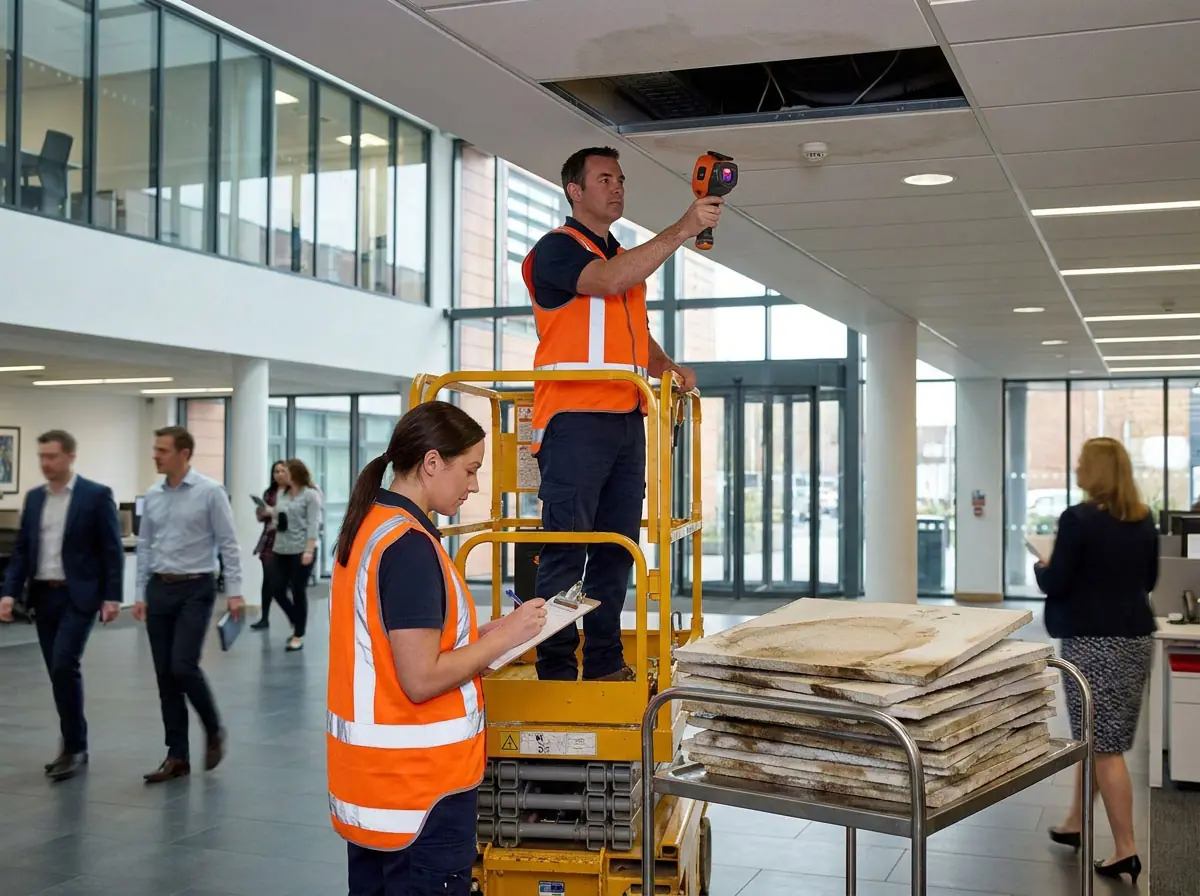
Transforming a Flooded Subfloor: A Local Concord Case Study
Last spring, a homeowner in the Historic District reached out after finding three inches of standing water beneath their pier and beam foundation. The soil was saturated, the floor joists were showing signs of dark staining, and the insulation was hanging like wet laundry.
We treated this property using a systematic three-phase recovery plan. Our team focused on extracting the bulk water first, followed by a professional-grade sanitation process to stop the mold colonies in their tracks.
The Recovery Execution
- Phase 1: Extraction of standing water via high-capacity sump pumps.
- Phase 2: Application of professional-grade biocides to prevent fungal regrowth.
- Phase 3: Installation of an industrial-strength dehumidification system to pull moisture from the wooden structural members.
The transformation was night and day. Within 72 hours, the moisture content in the floor joists dropped from a dangerous 28% down to a structurally safe 12%. By sealing the perimeter and installing a new vapor barrier, we ensured this Concord home was protected against the next heavy North Carolina downpour.
Long-Term Prevention Strategies for a Permanently Dry Foundation
Stopping water today is only half the battle. If you do not seal off the source, your crawl space will become a swamp again the next time we get a heavy Carolina rainstorm.
To keep your foundation bone-dry, you must treat your crawl space like a controlled environment rather than a dirt hole. You want to stop outside humidity from ever touching your joists again.
Key Defense Systems for Concord Homes
Start by installing a heavy-duty vapor barrier that covers every inch of the soil. This thick plastic liner acts as a shield against ground moisture rising into your home.
- Ensure all seams are overlapped and taped tight to prevent leaks.
- Install a high-capacity dehumidifier designed specifically for crawl spaces.
- Redirect your gutter downspouts at least ten feet away from your home foundation.
- Seal any foundation vents to stop hot, humid Concord air from condensing on your cool floor joists.
Think of your crawl space as an extension of your living room. When you create a sealed system, you stop mold at the door and protect your subfloor from rotting away.
Check your sump pump and perimeter drains twice a year, especially before the spring rain season hits. A little bit of consistent maintenance today beats a five-figure foundation repair bill tomorrow.
Final Words
Your crawl space is the lungs of your home; when it gets sick, the rest of the house suffers. Ignoring a wet subfloor is essentially rolling the dice with your biggest financial investment.
If you suspect moisture is winning the war beneath your floorboards, take action before the wood starts to sag. You do not have to battle rising water alone, especially when expert help is just a phone call away.
Our team specializes in Crawl Space Water Removal for the Concord area. We have the industrial-grade gear and local experience to fix these problems for good.
Three rules to keep your home healthy:
- Inspect your foundation vents and seals twice a year.
- Ensure your gutters direct water at least ten feet away from the structure.
- Call a professional the moment you smell musty mildew or see standing water.
Do not wait for a structural emergency to force your hand. A dry crawl space means a healthier home, lower energy bills, and peace of mind for you and your family.
People Also Ask
Is standing water in my Concord crawl space dangerous?
Yes, standing water creates a high risk for structural wood rot and electrical hazards under your home. It also fosters rapid mold growth that can compromise your indoor air quality and general well-being.How much does crawl space water removal cost in North Carolina?
Costs vary based on the volume of water, the source of the leak, and the extent of required structural repairs. Most professional remediation includes water extraction, debris cleanup, and long-term moisture control systems to protect your investment.Why does my crawl space have water after heavy rain?
Excessive moisture often stems from poor exterior drainage, such as clogged gutters or grading that directs water toward the foundation. You can learn more about how to manage these issues by reviewing the EPA guidelines on indoor air quality and moisture control.How do I prevent mold after a crawl space flood?
The most effective way to prevent mold is to achieve complete structural drying within 24 to 48 hours using industrial dehumidifiers. Once the area is dry, installing a vapor barrier or an encapsulated system will keep future moisture levels at a minimum.Does my homeowners insurance cover crawl space water damage?
Coverage depends on whether the water intrusion is classified as sudden plumbing failure or gradual seepage, which is often excluded. We recommend reviewing your specific policy or contacting your agent to understand your local coverage limitations in Cabarrus County.Need Water Damage Restoration Services?
We provide rapid water damage restoration services to stabilize your property and prevent further structural issues in Concord and surrounding areas (28025, 28027, 28107, 28083). Our team acts immediately to extract water and dry your home to restore a safe environment.
Request Project Estimate