


⚡ TL;DR: This guide outlines essential fire damage restoration steps for Clovis residents, helping you navigate professional cleanup, protect your valuables, and manage insurance claims after a residential fire event.
📋 What You’ll Learn
Recovering from a fire in Clovis is a complex task requiring precision and care. This guide outlines the essential steps to safely restore your property while navigating insurance and structural repairs.
- Identify immediate safety hazards so you can avoid dangerous soot inhalation or structural collapses before professional assessment begins, ensuring your family stays secure throughout the entire recovery process.
- Protect your valuable electronic items by understanding how smoke particles cause rapid chemical corrosion, allowing you to take swift action to save high-value property from permanent fire damage.
- Follow our chronological restoration table to organize the cleanup stages, from emergency board-up services to final reconstruction, helping you manage the recovery timeline with clarity and minimal stress.
- Navigate complex insurance claim requirements by learning how to document soot migration and hidden structural damage, ensuring you receive the maximum coverage needed for a full home restoration.
📖 Reading time: 8 min
✍️ Author expertise: Clovis restoration expert with ten years of experience managing local fire recovery projects.
The acrid scent of smoke clinging to your walls is a brutal reminder that your home is no longer the sanctuary it was an hour ago. You are staring at charred memories and a structure that feels like it might cave in, and the instinct to scrub every surface immediately is powerful.
Do not touch a thing. You are likely making mistakes right now that will cost you thousands in repairs and permanently trap toxic soot inside your drywall and furniture.
Fire damage restoration in Clovis is not about how hard you scrub; it is about knowing exactly what materials react poorly to oxygen and which chemicals cause irreversible corrosion on your electronics. If you want to salvage your property instead of gutting it, you need to understand the brutal science behind the cleanup.
Here is how you protect what remains and stop the damage from spreading further before the professionals arrive.

The Immediate Hazards: Why Professional Assessment Must Precede Cleaning
Your gut tells you to grab a bucket, some soap, and start wiping away the grime. This is the fastest way to turn a manageable cleanup into a permanent nightmare.
Soot is not just dirt; it is a complex, acidic compound created by burning plastics, synthetic fabrics, and household chemicals. When you wipe it with water or common cleaning agents, you often smear the oily residue deeper into the porous surfaces of your walls, carpets, and wood furniture.
Before you lift a sponge, recognize that fire damage hides beneath the surface. Experts categorize these hazards into three specific danger zones:
- Structural Instability: Heat-warped joists and weakened drywall can fail without warning.
- Toxic Particulates: Invisible smoke particles linger in the air, posing severe respiratory risks if disturbed without industrial-grade filtration.
- Electrical Compromise: Fire-damaged wiring can create hidden hot spots or live fire hazards long after the flames are extinguished.
Professional assessment teams in Clovis use thermal imaging and moisture detection tools to map exactly where the damage has migrated. They determine which materials are salvageable and which have absorbed enough toxic soot to require immediate removal.
Attempting to clean before this diagnostic phase is like painting over a termite infestation. You might cover the stain, but the decay continues underneath.
Chemical Reactions and Corrosion: Protecting Your Electronics and Valuables
Most homeowners assume that soot is just dusty ash, but it is actually a highly corrosive chemical soup. When synthetic materials like plastics and foams burn, they release acidic gases that bond to your electronics and metal surfaces instantly.
The moment oxygen hits these surfaces, the acid starts eating away at delicate circuit boards and metal finishes. If you wait, you are literally watching your expensive home theater system or kitchen appliances dissolve from the inside out.
To prevent total loss, keep these reactive items away from the fire zone:
- Sensitive computer components and motherboards.
- Unsealed metal jewelry or silver heirlooms.
- Kitchen appliances with exposed cooling vents.
- LCD screens that can trap acidic vapors behind the glass.
Your goal is to stop the accelerated oxidation process. While you wait for professional help, move any salvageable electronics into a clean air environment immediately. If you cannot move them, at least avoid turning them on, as the heat generated by power flow will speed up the acidic corrosion process inside the internal components.

Clovis Fire Restoration Protocols: A Chronological Service Table
Time is your worst enemy after a fire. Chemical residues settle into porous surfaces like sponges, and the air quality in your Clovis home drops by the minute as soot particles permeate your HVAC system.
Professional crews follow a strict timeline to halt this degradation. We operate in phases designed to lock out further damage before we begin the heavy lifting of reconstruction.
| Phase | Timeline | Primary Objective |
|---|---|---|
| Emergency Stabilization | 0 to 24 Hours | Board-up and water removal |
| Containment & Ventilation | 24 to 48 Hours | Stopping soot migration |
| Cleaning & Deodorization | 2 to 7 Days | Neutralizing acidic residues |
| Full Reconstruction | 1 Week + | Restoring structural integrity |
The first 48 hours are the most critical for your belongings. We use industrial-grade air scrubbers and HEPA filtration to pull toxic particulates out of the air before they bond permanently with your walls and carpets.
We do not just wipe down surfaces; we apply specialized chemical agents that counteract the pH balance of the soot. This prevents the acidic corrosion that typically ruins metal finishes and electronic components within days of the incident.
What to expect during the initial visit:
- Immediate sealing of broken windows or roof gaps to stop wind from spreading soot.
- Setting up drying equipment if fire hoses caused secondary water damage.
- Testing surfaces to determine if dry cleaning or wet cleaning methods are required.
- Inventory documentation for your insurance adjuster to ensure no loss goes unclaimed.
Structural Integrity Risks: Identifying Hidden Soot Migration
Most homeowners assume that if a wall looks clean, the fire damage is gone. That is a dangerous assumption.
Soot is not just gray dust; it is a microscopic, acidic byproduct that behaves like a gas. Once the heat of the fire forces air pressure against your walls, it pushes soot particles deep into the porous structure of your drywall, insulation, and even through electrical outlets.
If you seal or paint over these areas before professional cleaning, you are effectively trapping the stench and the acidic corrosion inside your home's skeleton. This creates a ticking time bomb for your indoor air quality and structural stability.
Common Pathays for Hidden Soot
The damage often hides where you cannot see it. Smoke seeks out the path of least resistance, traveling through systems designed to keep your home comfortable.
- HVAC Ductwork: Soot coats the interior of your vents, recirculating toxic particles every time your heater kicks on.
- Wall Cavities: Smoke enters through gaps around baseboards and outlets, settling on the wooden studs behind your drywall.
- Attic Insulation: Heat rises, carrying soot upward into your ceiling voids and contaminating insulation blankets.
- Wiring Runs: Soot can compromise the casing on electrical wires, potentially leading to shorts long after the flames are out.
You must treat the home as a holistic system rather than a collection of surfaces. Skilled technicians use specialized tools to detect these migratory soot patterns before they cause permanent decay to your home's foundation and interior framing.
From Charred to Restored: A Clovis Residential Recovery Case Study
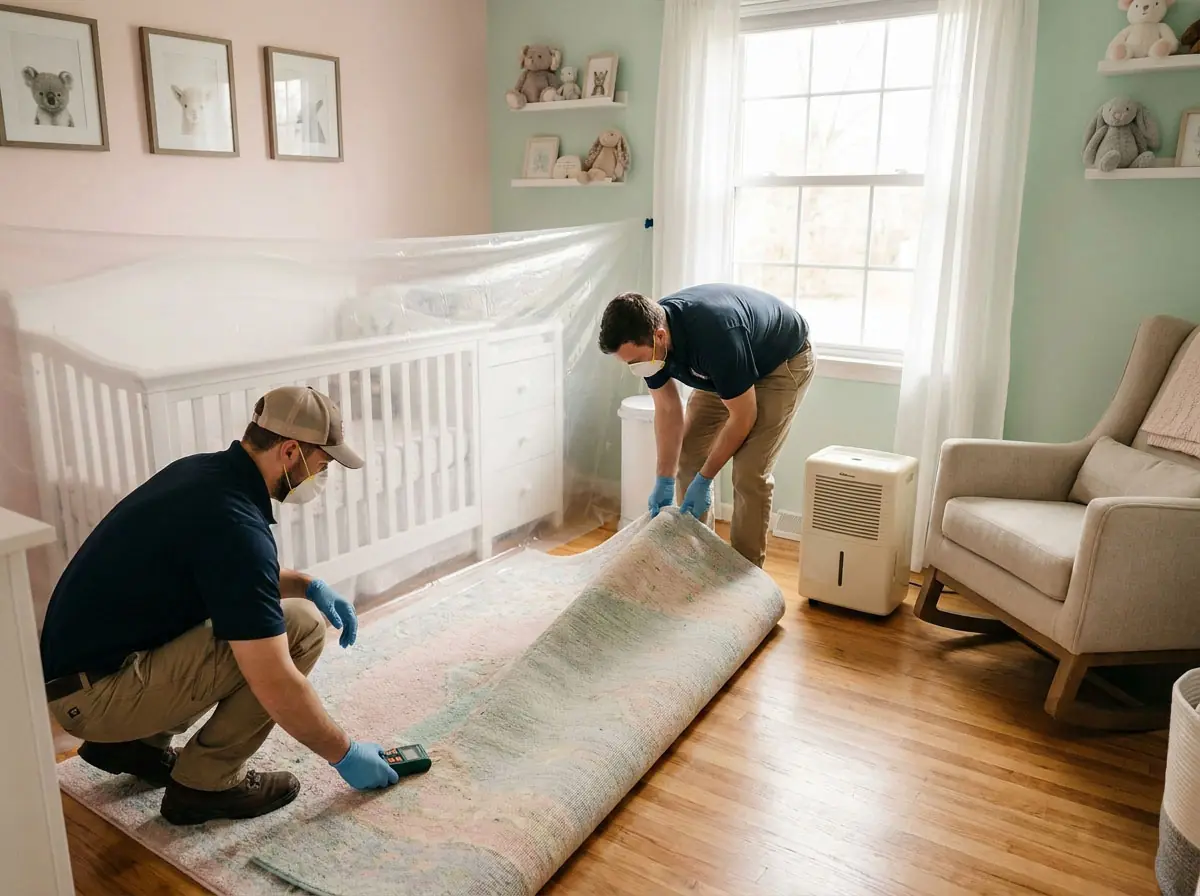
Last year, we took on a residential job in a Clovis neighborhood where a kitchen fire had sent thick, acidic soot through the entire ventilation system. The homeowners had already started wiping down their cabinets with water and soap, which was the worst possible move. This moisture actually activated the soot, turning it into a caustic paste that began etching deep, permanent pits into the finished wood.
When our team arrived, we treated the site like an active crime scene. We stopped the DIY cleaning immediately and deployed specialized HEPA air scrubbers to trap airborne particulates before they settled into the carpets and upholstery.
The Restoration Playbook
- Stabilization: We boarded up windows and doors to prevent humidity spikes that trigger rapid corrosion.
- Chemical Neutralization: We applied dry sponges and professional-grade solvents to lift dry soot before it bonded to surfaces.
- Odor Removal: Thermal fogging was used to penetrate porous materials and kill the smoke scent at a molecular level.
- Content Cleaning: We cataloged every single item, moving salvable goods to our climate-controlled facility for sonic cleaning.
The results were night and day. By treating the soot as a chemical threat rather than just dirt, we saved heirloom furniture that the insurance adjuster initially marked for total loss. That home is now back to its original condition, and the lingering smoke smell is completely gone; it proves that the right technical intervention saves more than just money, it saves your peace of mind.
Navigating Insurance Claims and Documentation for Maximum Coverage
Insurance adjusters are not your friends. They are business people tasked with minimizing the payout on your claim, often by finding reasons to deny coverage or undervalue your losses. Before you toss a single charred item into a dumpster, you must create a comprehensive paper trail to ensure you get every dollar you are owed for your Clovis fire damage claim.
Start by treating your home like a crime scene. Do not clean, do not toss, and do not move anything until you have captured it on high resolution video.
The Essential Documentation Checklist
- Take clear, close up photos of all damaged structural areas, including ceilings, vents, and wall studs.
- Record video walkthroughs narrating the condition of high value items like electronics, appliances, and furniture.
- Keep a dedicated binder for every receipt related to temporary housing, cleaning supplies, and emergency repairs.
- Obtain a certified copy of the Clovis fire report as soon as it becomes available.
If you fail to document the extent of the soot migration, your insurer will likely categorize the damage as minor surface dust rather than toxic contamination. This distinction is the difference between a simple wipedown and a full property restoration involving professional HEPA filtration and duct cleaning. If the insurance adjuster tries to rush the process, politely insist on a secondary, independent assessment. Your financial recovery depends entirely on how well you prove the damage to those who sign the checks.
Final Words
The aftermath of a fire is a race against time, but speed without strategy is a recipe for disaster. Relying on professional Fire Damage Restoration experts in Clovis ensures that the hidden, acidic residues causing secondary damage are neutralized before they permanently etch your belongings.
Your property is likely one of the biggest investments you will ever make. Do not let amateur mistakes or improper cleaning techniques turn a restorable home into a total loss.
Take these steps to secure your position while the professionals handle the heavy lifting:
- Document everything with high-resolution photos before moving a single item.
- Avoid using household cleaners that can permanently set soot into porous surfaces.
- Keep a detailed log of all conversations with your insurance adjuster and restoration team.
- Prioritize safety by staying out of the structure until air quality tests prove it is safe.
Recovery is entirely possible when you stop the cycle of destruction early. Stay smart, stay patient, and let the specialized equipment and chemical expertise of a qualified team bring your Clovis home back to its original state.
People Also Ask
Is it safe to stay in my home after a fire?
It is rarely safe to remain in a home after a fire due to toxic smoke particles, airborne soot, and compromised structural elements. You should wait for a professional assessment to ensure your environment is free of respiratory hazards.Why is professional fire damage cleanup better than DIY?
Professional teams utilize industrial grade equipment and specialized chemicals to neutralize acidic soot that causes irreversible corrosion. Attempting to clean these surfaces yourself can often smear soot deeper into porous materials like drywall or upholstery.How do I handle insurance claims for fire damage in Clovis?
Start by documenting all damaged belongings with detailed photos and keeping a comprehensive log of every repair communication. Proper documentation helps ensure you receive the maximum coverage allowed by your policy during the recovery process.How long does the fire restoration process take?
The timeline depends on the severity of the damage, but most residential restorations involve an initial inspection, board up, soot removal, and final structural reconstruction. A certified team will provide a specific timeline once they assess the unique conditions of your property.What is the biggest risk from fire damage that most people ignore?
Many homeowners overlook hidden soot migration, which travels through HVAC systems and settles inside wall cavities or attic insulation. This invisible contamination continues to degrade your air quality and metal fixtures long after the flames are extinguished.Need Water Damage Restoration Services?
We provide rapid water damage restoration and structural drying services to restore your property in Clovis and the surrounding areas (93611, 93612, 93613, 93619). Our team arrives quickly to mitigate damage and return your home or business to a safe, pre-loss condition.
Request Price Estimate