

⚡ TL;DR: This guide provides Buffalo homeowners with essential steps for managing fire damage restoration, from securing your property to navigating insurance claims and ensuring long term structural integrity.
📋 What You’ll Learn
Navigating the aftermath of a house fire in Western New York can feel overwhelming. This guide provides essential steps for securing your Buffalo property and restoring your home with professional efficiency.
- Identify immediate safety hazards quickly by learning how to secure your property from intruders and structural threats, ensuring your family remains protected while you navigate the restoration process.
- Understand the dangers of lingering soot so you can grasp why professional intervention is critical for removing microscopic smoke particles that compromise indoor air quality and structural integrity.
- Follow a clear restoration timeline by using our comprehensive service checklist designed to help Buffalo homeowners anticipate each phase of recovery from initial debris removal to final cleaning.
- Navigate complex insurance claim requirements to ensure you properly document losses, communicate effectively with adjusters, and receive the fair compensation needed for high quality home repairs in Buffalo.
- Protect your historic property value by discovering specialized remediation techniques that save original architectural features from irreversible smoke damage while maintaining the charm of your traditional Buffalo home.
📖 Reading time: 8 min
✍️ Author expertise: Buffalo restoration expert with fifteen years of hands on fire recovery and remediation experience.
The smell of smoke is the first thing you notice, but the real nightmare is what happens when the sirens fade and the fire trucks leave your Buffalo driveway.
You are standing in the middle of a home that was fine this morning, and now every wall, piece of furniture, and precious memory is covered in a layer of toxic soot. It is a gut-wrenching feeling that makes you want to crawl under a rock, but the clock starts ticking the second the fire is extinguished.
Time is the enemy here, and waiting even a few hours can turn a repairable situation into a permanent disaster. If you want to stop the corrosion, mold, and permanent odors from taking hold of your property, you need to understand exactly what to do next.
Keep reading to discover the critical steps you must take right now to save what remains of your home and get your life back on track.
Immediate Safety Hazards and Securing Your Buffalo Property
Your first instinct might be to rush inside and start grabbing photo albums, but stop right there. Even after the Buffalo Fire Department gives the all-clear, the structure remains a ticking time bomb of hidden dangers.
Burning materials release toxic chemical cocktails that linger in the air. Beyond the air quality, the structural integrity of your floors and ceilings is often compromised by the intense heat and the weight of the water used to extinguish the flames.
Protecting Your Home from Further Exposure
You need to prevent looters and the elements from turning a bad situation into a total loss. Quick action to board up windows and tarp holes in the roof keeps wind and rain from causing secondary destruction.
Here is your immediate checklist for site security:
- Do not enter the home until authorities confirm it is structurally sound.
- Disconnect the main power and gas lines to prevent electrical shorts or leaks.
- Contact a local restoration team to install board-up services on broken windows and doors.
- Avoid walking on charred flooring, as it may be significantly weaker than it looks.
- Take photos of every room before moving or touching any debris for your insurance claim records.
If you see sagging drywall or charred beams, stay back. Your safety is worth far more than any personal item left behind, and a professional can stabilize these areas before you attempt to salvage your belongings.
Why Soot and Smoke Damage Demands Professional Intervention
Most people think a fire ends when the flames go out, but the chemical reality is much worse. The smoke residues left behind are not just dusty; they are highly acidic and toxic.
As the air cools inside your house, these microscopic particles bond to your walls, carpets, and appliances. If you try to wipe them off with standard household cleaners, you will likely smudge the soot deeper into the porous surface, making it nearly impossible to remove later.
Professional remediation is nonnegotiable for several reasons:
- Corrosion control: Soot contains acidic compounds that begin eating away at metal fixtures and electronics within hours.
- Health safety: Breathing in residual smoke particles causes severe respiratory irritation and long-term lung issues.
- Hidden odors: Smoke molecules penetrate drywall and insulation, requiring specialized thermal fogging or ozone treatment to neutralize the smell permanently.
When you handle this yourself, you are often fighting a chemical reaction you cannot see. Our crews use industrial-grade HEPA vacuums and specialized chemical sponges designed to lift soot without staining. We stop the clock on the chemical decay before your property value—and your air quality—permanently drops.

The Fire Damage Restoration Timeline and Service Checklist
When your home has been hit by fire, you do not have the luxury of sitting around and waiting for things to dry out on their own. Restoration is a high-stakes race against chemical reactions; soot is acidic, and it will eat through your finishes, electronics, and metals within mere hours if left untreated.
| Phase | Timeframe | Primary Goal |
|---|---|---|
| Emergency Response | 0-24 Hours | Board up and water extraction. |
| Content Assessment | 1-3 Days | Identify salvageable heirlooms. |
| Soot Cleaning | 3-7 Days | Decontaminate walls and surfaces. |
| Deodorization | 7-14 Days | Neutralize smoke odors at the source. |
| Reconstruction | 2+ Weeks | Full structural repair. |
The restoration timeline varies based on the size of the fire and the volume of water used to extinguish the flames. Professional teams move in stages to ensure that one phase of the cleanup does not contaminate the next.
Key Service Checklist for Homeowners
You need to ensure your service provider checks off these specific boxes to prevent future headaches. Cutting corners during the early stages is a recipe for lingering smoke smells that never truly go away.
- Immediate boarding of windows and roof tarps to prevent weather intrusion.
- Professional extraction of firefighting water to stop mold growth.
- Specialized cleaning of HVAC ducts to clear out trapped soot particles.
- Application of industrial grade sealants to trapped smoke odors within wall cavities.
- Detailed inventory and cleaning of personal property and electronics.
If your contractor is skipping these steps, you are paying for a cosmetic fix while the structural rot continues beneath the surface. Demand a clear, written plan that prioritizes the long term integrity of your Buffalo home above all else.
Navigating Insurance Claims and Documentation for Western New York Homeowners
Filing an insurance claim after a fire in Buffalo feels like a second battle. You are already exhausted, yet the insurance company expects a meticulous inventory of everything you own and lose.
Start your documentation process the moment you get back on-site. Do not toss a single charred item until an adjuster has physically inspected it or given you clear written permission to discard it.
Essential Documentation Checklist
- Take high resolution photographs and videos of every room before cleaning crews arrive.
- Keep a detailed log of every conversation you have with your insurance agent, including dates and names.
- Save all receipts for emergency expenses like temporary housing, laundry services, or food.
- Create a comprehensive list of damaged belongings, noting the age and approximate cost of each item.
Many Buffalo residents make the mistake of trusting the insurance company to assess their total loss automatically. You are your own best advocate here; provide as much evidence as possible to ensure your payout covers the full scope of the restoration.
Be skeptical of quick, low-ball settlements offered in the early days. If the offer does not cover the cost of professional remediation or structural repairs required for your specific property type, push back and seek a second opinion from a local restoration expert.

Restoring a Historic Buffalo Home: A Case Study in Smoke Remediation
Buffalo is defined by its beautiful, historic architecture, from the classic Victorians in the West Side to the stately brick homes near Delaware Park. When a fire strikes these properties, the stakes are much higher because original lath and plaster walls, antique woodwork, and ornate crown moldings require a delicate touch that standard contractors simply do not possess.
We recently worked on a century-old home in the Elmwood Village where a kitchen fire sent smoke racing through hidden wall cavities and up into the second-story attic. Because these older homes have multiple layers of renovations hidden behind the walls, soot often settles in places that modern building codes never touch.
The Unique Challenges of Historic Restoration
You cannot treat an 1890s build like a suburban house from 2010. If you use aggressive cleaning agents on century-old wallpaper or soak original hardwoods with water, you will do more damage than the fire itself.
- Material Sensitivity: Original wood trim and plaster are porous and trap odor particles deep inside their fibers.
- Hidden Voids: Smoke travels through original ventilation shafts and historic electrical conduits, spreading damage far beyond the fire origin.
- Lead and Asbestos Concerns: Disturbing original materials can trigger dangerous particles, requiring specialized HEPA filtration protocols.
Our team utilized dry-ice blasting and specialized organic sponges to pull soot from porous materials without causing water damage or stripping antique finishes. By focusing on non-invasive cleaning methods, we were able to save the original mahogany staircase that the owner feared was a total loss. Preserving the history of your home while removing the toxic residue of a fire is a surgical process, not a demolition job.
Avoiding Secondary Damage: How Proper Mitigation Protects Your Structural Integrity
Most homeowners assume the damage ends when the flames go out, but that is a dangerous mistake. The reality is that the true destruction often happens in the days following the fire through a process called secondary damage.
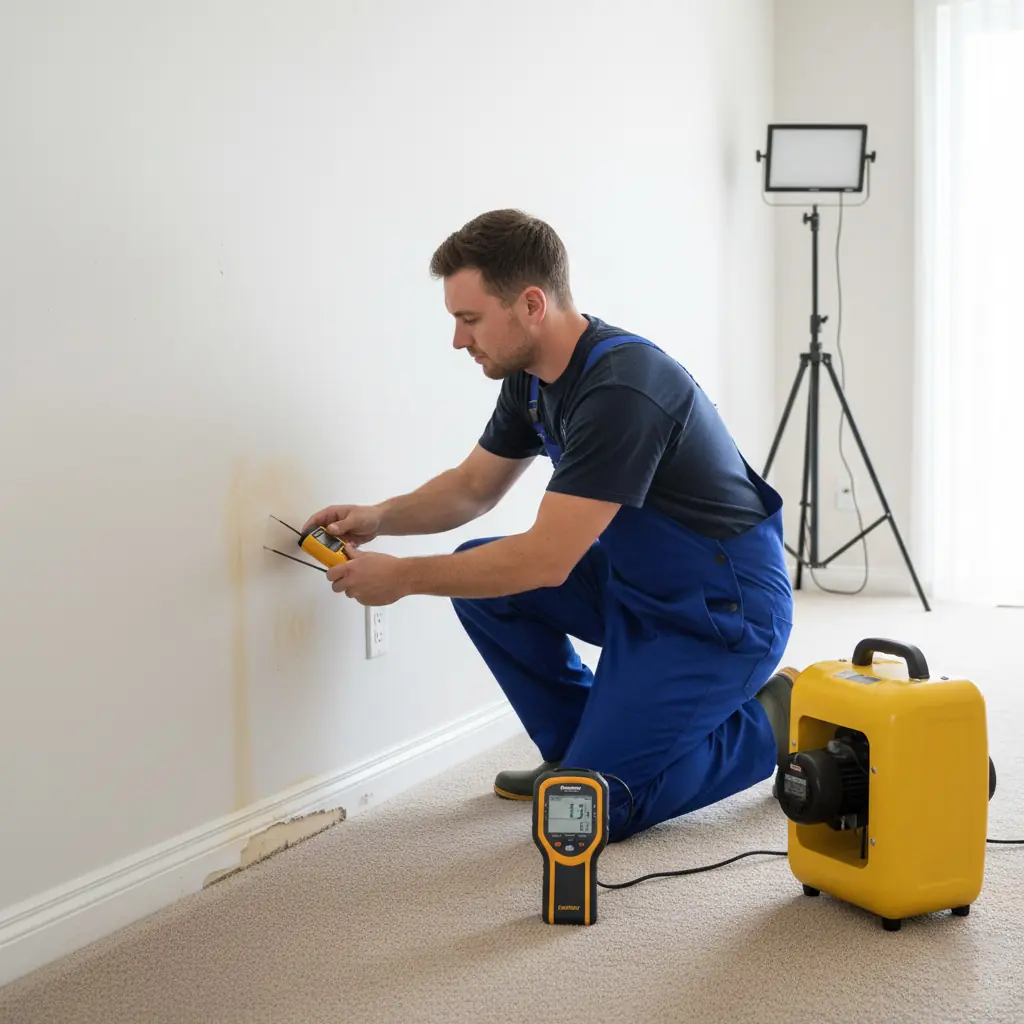
Left untreated, soot particles become acidic. They settle into your walls, floors, and ductwork, effectively eating away at your home's structure while you wait for the insurance adjuster to show up. Moisture from firefighting efforts further complicates things, creating a breeding ground for mold that can ruin your indoor air quality in less than 48 hours.
Protecting Your Home Structure
You have to stop the clock on these hidden threats immediately. Here are the most common ways secondary damage destroys a Buffalo property:
- Corrosion: Acidic soot settles on metal surfaces like door hinges, light fixtures, and appliances, causing permanent etching and rust.
- Structural Rot: Water trapped behind drywall or under subfloors leads to warping, swelling, and severe mold outbreaks.
- Persistent Odor: Smoke particles are microscopic. If they aren't professionally neutralized, they settle deep into porous surfaces, making your home feel like an ash tray forever.
Professional intervention is not just about cleaning up the mess you see. It is about stopping the chemical reactions that are actively breaking down your home behind the scenes. Acting fast means the difference between a simple cleanup and a full-scale structural reconstruction that costs five times as much.
Final Words
Fire recovery is not just about cleaning up ashes; it is about reclaiming your peace of mind. The path back to a normal life starts with making the right decisions in the first forty-eight hours.
If you are currently facing the aftermath of a blaze, do not attempt to play hero. Professional Fire Damage Restoration is the only way to ensure your property remains a safe place for your family to live.
Here are the core rules to keep in your back pocket during this process:
- Document everything before you touch a single item.
- Leave deep cleaning to the experts who have industrial grade equipment.
- Keep your insurance adjuster in the loop at every single turn.
- Prioritize structural integrity over cosmetic quick fixes.
Buffalo winters and humidity are brutal on fire-damaged materials. If you leave soot untreated, you are essentially inviting hidden corrosion and rot into your walls.
You have already survived the fire itself. Now, it is time to move with purpose to save your equity and your sanity.
People Also Ask
How soon after a fire should I start restoration in Buffalo?
You should begin the restoration process as soon as local fire officials clear your property for entry. Immediate action is critical to prevent soot from settling deeper into porous materials and to stop mold growth caused by firefighting water.Does homeowners insurance cover smoke damage to my house?
Most standard homeowners insurance policies in New York cover fire and smoke damage, but coverage limits vary by provider. You should document all visible damage thoroughly and review your specific policy details with your agent to understand your insurance benefits.Why is DIY cleaning after a fire dangerous?
Attempting to clean fire damage yourself can release toxic soot particles into the air, creating severe respiratory risks. Professional restoration teams use industrial grade equipment and specialized chemicals to safely neutralize hazardous chemicals that standard household cleaners cannot remove.What is the biggest risk of waiting to repair fire damage?
Delaying repairs often leads to secondary damage, such as structural instability and permanent acidic corrosion on metal surfaces. Moisture trapped in walls from fire hoses can also lead to rapid mold colonization if professional drying services are not initiated within the first 48 hours.How do I protect my belongings from smoke odors?
To minimize smoke damage to personal items, increase ventilation in unaffected areas and avoid touching surfaces covered in soot to prevent staining. Specialized cleaning services are required to properly deodorize textiles, electronics, and furniture that have been exposed to airborne smoke particulates.Need Water Damage Restoration Services?
We provide rapid water damage restoration across Buffalo and surrounding areas to dry your property and prevent further structural damage. Our team arrives quickly to extract water and restore your home to its pre-loss condition (14201, 14202, 14203, 14207, 14210).
Request Your Estimate