


⚡ TL;DR: This guide helps Buffalo residents manage burst pipe cleanup effectively by providing actionable steps to minimize water damage, document insurance claims properly, and hire reliable restoration professional services.
📋 What You’ll Learn
Facing a burst pipe in the Buffalo winter can be overwhelming and costly. This guide provides actionable steps to stabilize your home, manage insurance claims, and navigate essential repairs effectively.
- Execute immediate mitigation strategies to stop water flow and protect your Buffalo home from extensive structural saturation, which prevents escalating repair costs before our expert restoration team arrives.
- Navigate complex insurance claims by learning how to meticulously document your loss and communicate with adjusters, ensuring you receive the maximum payout required for your comprehensive property restoration.
- Compare professional restoration costs through our detailed analysis of current market pricing, helping you budget wisely while avoiding predatory price-gouging tactics common after freezing weather events in WNY.
- Detect hidden secondary damage such as mold or trapped moisture behind your walls, which often goes unnoticed but can triple your total renovation expenses if left completely untreated.
- Select reliable local contractors by utilizing our proven checklist for vetting Buffalo restoration companies, ensuring you choose a partner committed to honest pricing and high-quality craftsmanship today.
📖 Reading time: 8 min
✍️ Author expertise: Buffalo-based restoration specialist with over a decade of hands-on water damage recovery experience.
You wake up in the middle of a sub-zero Buffalo night to the sound of rushing water, only to find your basement turning into an indoor swimming pool. That sickening feeling in your gut isn't just about the mess; it is the sudden, terrifying realization that your bank account is about to get drained by a massive repair bill.
Most homeowners assume a burst pipe means handing over a blank check to a restoration crew, but that is a dangerous myth. You can stop the bleeding and keep your hard-earned cash in your pocket if you know exactly which buttons to push the second the pipe lets go.
Here is how you handle a plumbing catastrophe without letting the situation cost you a fortune.
The Immediate Action Plan: Minimizing Water Damage Before Professionals Arrive
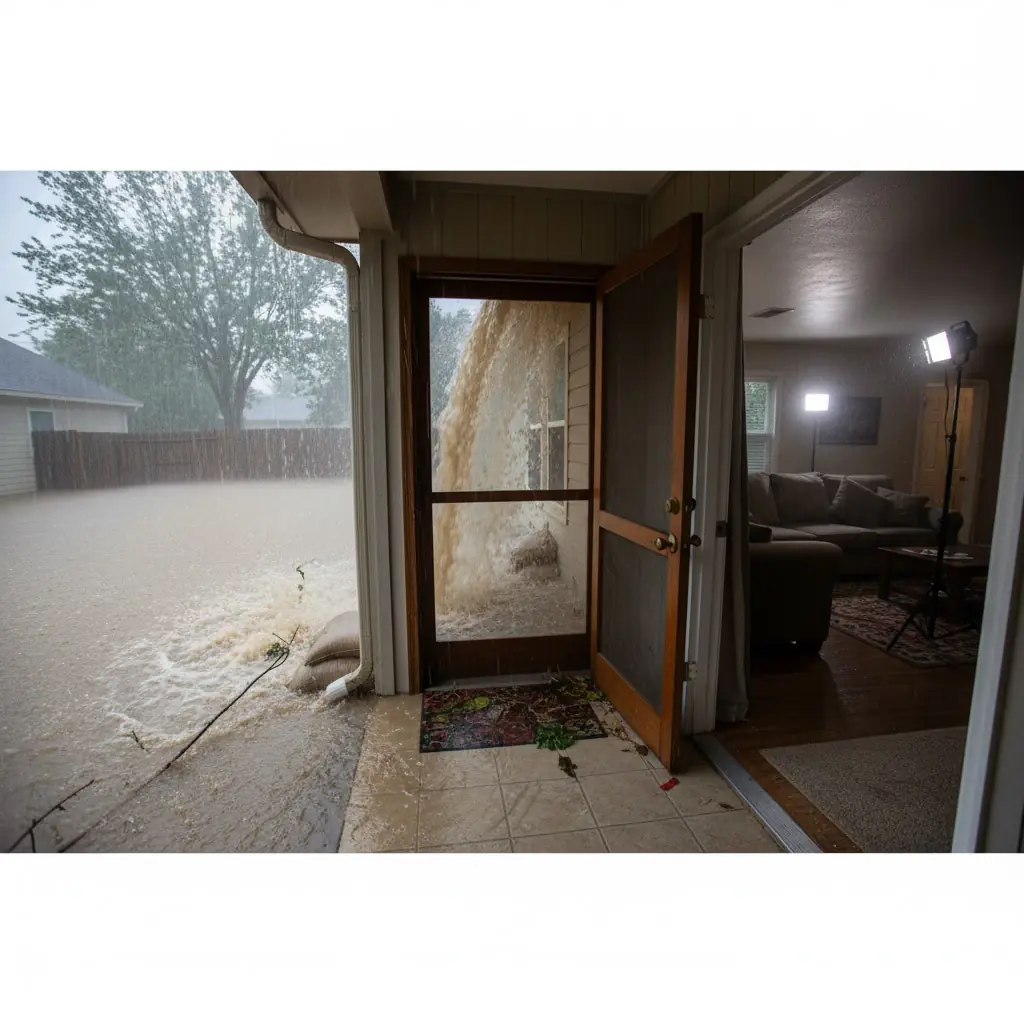
The very first thing you must do is locate your main water shutoff valve. In most Buffalo homes, this is located near the street side of your basement or in your utility closet.
Do not waste time looking for the specific leak behind a wall. Turning off the main valve stops the flow of water instantly and prevents your home from sustaining thousands of dollars in additional destruction.
Once the water is off, follow these steps to protect your property and your wallet:
- Open all the faucets in your home to drain the remaining water out of the pipes.
- Shut off your electricity at the breaker panel if the water has reached any outlets or power cords.
- Move your valuables, electronics, and important documents to a dry area on a higher floor.
- Use a wet vac or towels to pull up standing water before it soaks into the subfloor or drywall.
Time is your greatest enemy when dealing with a burst pipe. Every minute the water sits, it begins to ruin your insulation, warp your baseboards, and soak into your flooring.
By acting fast and clearing the standing water, you are not just cleaning up a mess. You are actively preventing mold growth and saving the structural integrity of your home from being condemned or requiring a total gut job.
Strategic Insurance Navigation: How to Document Your Loss for a Maximum Payout
Insurance adjusters are paid to protect the company bottom line, not yours. If you want to get every penny you are owed, you must treat your home like a crime scene. Before you throw away a single water-logged item, start documenting everything with the cold, hard logic of a courtroom attorney.
Your goal is to build a narrative that makes it impossible for the insurance company to deny your claim. Do not rely on memory; use your smartphone to create a digital paper trail that proves exactly how the damage occurred and the extent of the destruction.
The Winning Documentation Checklist
- Record time-stamped video of the water source and every affected room.
- Take wide-angle photos of the entire basement before moving any debris.
- Capture close-ups of serial numbers on ruined appliances or electronics.
- Save physical receipts for any temporary repairs, like specialized drying equipment or plumbing shut-offs.
- Keep a detailed log of every conversation with your insurance representative, including names and claim reference numbers.
If you fail to document the damage, you are essentially betting against yourself. Most homeowners make the mistake of cleaning up too quickly, which destroys the evidence needed to justify a high-value payout. Leave the mess until you have the proof, or you will find yourself paying for the restoration out of your own pocket.

Essential Burst Pipe Recovery Costs: A Comprehensive Comparison Table
When your pipes give way, the price tag depends heavily on your response speed and the extent of the saturation. You are paying for labor, professional-grade drying equipment, and potential material replacement.
The following breakdown provides a realistic look at what you might expect to pay for professional restoration in the Buffalo area. Remember, these figures reflect current local market averages for standard residential properties.
| Service Category | Estimated Cost Range |
|---|---|
| Emergency Water Extraction | $500 – $1,500 |
| Structural Drying & Dehumidification | $800 – $2,500 |
| Mold Remediation (if ignored) | $1,500 – $5,000+ |
| Plumbing Pipe Repair | $300 – $800 |
| Total Property Restoration | $2,500 – $10,000+ |
Notice how the cost skyrockets once mold enters the equation. If you wait more than 48 hours to start the drying process, you are essentially inviting microbial growth into your walls.
Factors That Shift the Price
You can keep your invoice on the lower end by controlling a few specific variables. Restoration companies track time and complexity, so you want to work against those two factors.
- The total square footage affected by the standing water.
- The type of flooring involved, such as hardwoods that require specialized restoration versus carpet that may need removal.
- Whether or not you have already turned off the main water supply to stop the inflow.
- The presence of hazardous materials like sewage or insulation debris.
Speed is your best financial ally here. If you act immediately, you avoid the most expensive portion of the recovery: the reconstruction of ruined building materials.
Hidden Dangers: Identifying Secondary Damage That Could Triple Your Repair Bill
Most Buffalo homeowners focus on the visible water, but the real financial disaster hides where you cannot see it. Moisture quickly seeps into drywall, insulation, and floor joists, creating a breeding ground for toxic mold that can appear within 24 to 48 hours.
If you leave this moisture untreated, your minor plumbing repair will balloon into a massive structural overhaul. You are not just paying for a pipe fix anymore; you are paying for mold remediation, floor replacement, and potential air quality testing.
Watch out for these specific secondary threats that drain your bank account:
- Warped wood flooring: Trapped water underneath causes subfloors to buckle, which often requires a full room demolition.
- Electrical corrosion: Water inside walls can damage hidden wiring, leading to fire hazards and expensive electrical rewiring.
- Insulation saturation: Fiberglass and cellulose act like a sponge, losing all thermal value and becoming a heavy, rotting mass that must be hauled away.
- Structural rot: Prolonged exposure weakens the load-bearing capacity of your home framing, forcing you into complex and costly structural repairs.
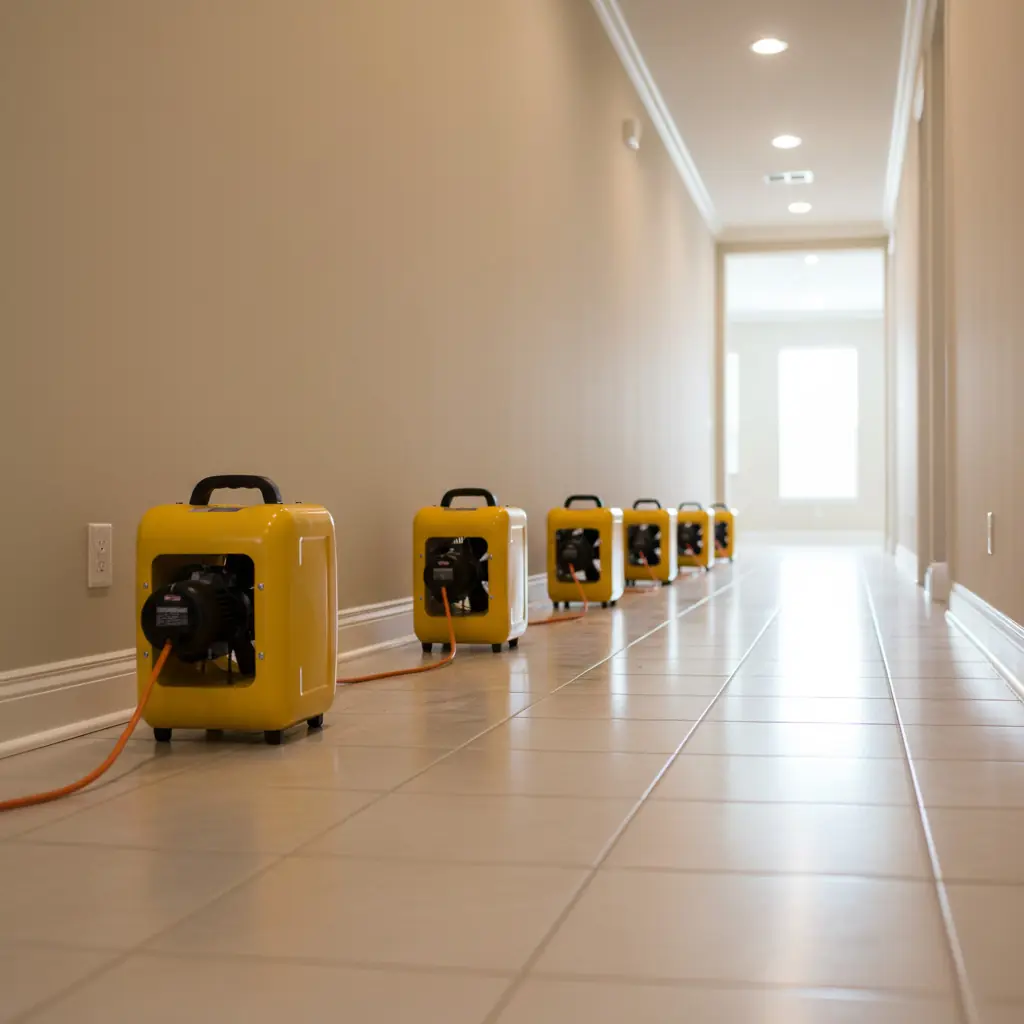
To avoid these compounding costs, you must act with aggressive drying techniques immediately. Professional-grade dehumidifiers and air movers are not luxuries; they are financial safeguards. By drawing moisture out of the building materials before it settles in, you stop the rot and save thousands in reconstruction costs.

Lessons from Buffalo Basement Restorations
Last winter, we helped a homeowner in North Buffalo whose basement pipe burst while they were away for the weekend. They came home to three inches of standing water and panicked, nearly hiring a low-cost, unlicensed handyman who promised a quick fix for a few hundred dollars.
Had they gone with the cheapest bid, they would have missed the moisture trapped behind the drywall. That moisture would have turned into a massive mold colony within two weeks, turning a simple drying job into a complete basement gutting project.
Instead, we performed a thorough moisture mapping process. By catching the saturation early, we saved them thousands in unnecessary demolition.
Key Recovery Mistakes We See
- Ignoring the studs behind the drywall.
- Leaving wet carpet padding in place.
- Failing to document water levels for insurance adjusters.
- Using household fans that only spread mold spores.
The biggest takeaway from this job was simple: speed is not just about moving water, it is about data. We provided the homeowner with digital thermal imaging scans showing exactly where the moisture had migrated.
When they handed those reports to their insurance adjuster, the claim was processed in record time. They didn't lose money because they treated the cleanup like a business transaction, not a DIY repair project.
Selecting the Right Restoration Partner Without Falling for Price-Gouging Tactics
When your pipes burst in Buffalo, you become a prime target for opportunistic operators who know you are desperate. These companies often show up in unmarked trucks, promise the moon, and then slap you with outrageous invoices once the work is half-finished. You need a partner who values their reputation more than a quick, high-ticket score.
Before you sign a single document, check for these red flags that signal a predator:
- They demand full payment upfront before moving a single piece of equipment.
- The technician lacks professional certification from the IICRC.
- They pressure you to sign an assignment of benefits form that gives them control over your insurance claim.
- They do not provide a clear, written estimate based on standard industry pricing software.
Real professionals have nothing to hide. Ask to see proof of insurance and a local physical address right here in Erie County. A trustworthy restoration firm will walk you through their process, explain their pricing structure, and provide a clear timeline for the job.
If they refuse to answer your questions or act agitated when you mention your insurance carrier, show them the door. Your home is your biggest investment, and you deserve a contractor who acts like a partner rather than a vulture picking at your financial bones.
Final Words
A frozen pipe in Buffalo does not have to be a financial death sentence. By taking decisive action the moment you hear that rushing water, you turn a potential catastrophe into a manageable project.
Most of your success depends on staying calm and moving fast. Focus on shutting off the main water supply and documenting every inch of the affected area before you move a single piece of furniture.
If you find yourself stuck, remember that professional help is available. Our team specializes in Burst Pipe Cleanup and we know how to handle the insurance side of things without bleeding your bank account dry.
Three rules to remember when the pressure drops:
- Never ignore a slow leak in the walls because it hides massive structural rot.
- Always demand a line item estimate before anyone starts ripping out drywall.
- Keep a detailed log of every phone call you have with your insurance adjuster.
Your home is likely your biggest investment, so protect it with smart choices rather than panic. Stick to the facts, verify your restoration partner, and stay on top of the drying process to prevent mold from taking root.
People Also Ask
Does homeowners insurance cover burst pipes in Buffalo?
Most standard homeowners insurance policies cover sudden and accidental burst pipes, but they often exclude damage caused by neglect or lack of heat. You should review your specific policy declarations and contact your provider immediately after securing your home.What is the first thing I should do when a pipe bursts in my house?
The most critical step is to locate your main water shutoff valve and turn it clockwise to stop the flow of water. Once the water is off, open your faucets to drain remaining pressure from the system and contact a professional restoration team.How can I prevent frozen pipes during Buffalo winters?
To protect your plumbing, keep your thermostat set to at least 55 degrees Fahrenheit and open cabinet doors to allow warm air to reach pipes under sinks. The Red Cross offers excellent guides on how to properly insulate exposed pipes located in unheated areas like basements or garages.How much does it cost to repair water damage from a burst pipe?
Costs vary significantly based on the square footage affected and the duration of water exposure, typically ranging from a few thousand dollars to tens of thousands for major structural repairs. Professional mitigation teams provide detailed estimates to ensure your insurance claim reflects the full scope of necessary restoration work.How do I identify hidden mold after a pipe burst?
Hidden mold often manifests as a persistent musty odor or discoloration on walls and ceilings long after the initial spill. If you detect dampness behind drywall or under floorboards, professional moisture detection equipment is required to prevent long term health risks and expensive structural decay.Need Water Damage Restoration Services?
We provide rapid water damage restoration across Buffalo and surrounding areas to dry your property and prevent further structural damage. Our team arrives quickly to extract water and restore your home to its pre-loss condition (14201, 14202, 14203, 14207, 14210).
Request Your Estimate