


⚡ TL;DR: This guide explores how professional restoration techniques can mitigate hardwood floor water damage in Boulder by utilizing specialized drying tools and moisture mapping to save your historic flooring.
📋 What You’ll Learn
Discover how professional restoration techniques can salvage your water-damaged hardwood floors. This guide provides expert strategies specifically designed for Boulder homeowners facing moisture issues after leaks, floods, or high humidity events.
- Identify the mechanics of damage to understand why your hardwood floors buckle or cup when exposed to moisture and how timely intervention prevents permanent, irreversible structural wood decay.
- Execute immediate crisis steps to stabilize your living environment before professional restoration crews arrive, ensuring you minimize further liquid absorption into the vulnerable subfloor and delicate joint areas.
- Utilize advanced extraction tools that our professional team employs to pull deep moisture from beneath floorboards, protecting your investment without the need for unnecessary and expensive full replacements.
- Apply data-driven moisture mapping to track the hidden drying progress throughout your Boulder home, guaranteeing that every board reaches safe humidity levels before we finalize any floor repairs.
📖 Reading time: 7 min
✍️ Author expertise: Boulder water damage restoration specialist with decades of field experience rescuing historic flooring.
You wake up to the sound of a steady drip, walk into your living room, and find your beautiful hardwood floors cupping and buckling under a growing puddle. That sinking feeling in your stomach is justified because time is the only thing standing between a minor repair and a total floor replacement.
Most homeowners make the mistake of grabbing a hair dryer or a pile of towels, thinking they can dry it out on their own. In reality, water hides deep within the subfloor and tongue-and-groove joints where basic household tools can never reach.
Professional intervention is not just a suggestion; it is the difference between saving your investment and paying for a full renovation.
Here is how the experts actually extract the moisture and bring your floors back to life before permanent damage sets in.
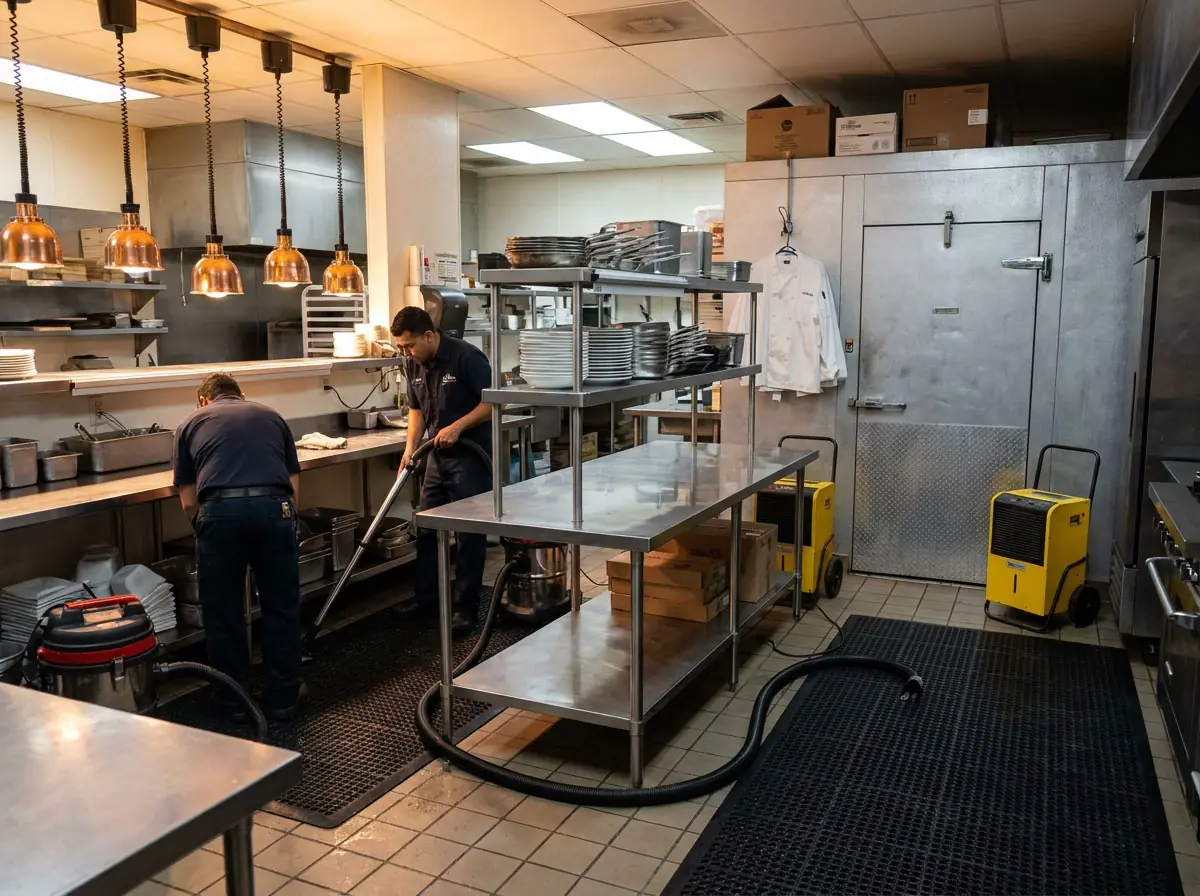
The Physics of Moisture: Why Hardwood Floors Buckle and Cup
Wood is a hygroscopic material, which means it acts like a giant sponge. It constantly pulls moisture from the air or direct contact, causing the individual planks to expand as they drink up the excess water.
Because your floor is installed in a tight, confined space, those planks run out of room to grow. When they have nowhere left to expand, the edges are forced upward. This is the science of cupping, where the sides of the board become higher than the center.
If the saturation continues, the structural integrity of the wood fails completely. This leads to buckling, where the flooring actually pulls away from the subfloor and creates arched ridges that can be a major tripping hazard.
The Variables of Decay
Several factors determine how quickly your floor will deteriorate once it hits the water. It is not just about the surface level moisture, but the depth of the penetration.
- Tongue and groove gaps: Water travels through these narrow seams and settles directly into the subfloor.
- Cellular saturation: The wood fibers swell until they lose their natural shape and tension.
- Humidity differential: The rapid change in moisture content causes the wood to warp before it has a chance to stabilize.
You cannot simply dry the surface and call it a day. The moisture trapped underneath continues to feed the mold and rot cycle, even if the top of the wood looks dry to the naked eye. If you want to stop the damage, you have to extract the liquid from the very cellular core of the timber.
Immediate Crisis Response: Steps to Take Before the Restoration Team Arrives
When water strikes your hardwood, the clock starts ticking immediately. You must act fast to stop the liquid from soaking deeper into the wood fibers, but you need to act smart to avoid making the situation worse.
Start by turning off the water source if the leak is active. If the water is coming from a broken pipe or appliance, stop the flow before you even think about the floors.
Next, focus on surface extraction. Use a wet vacuum to pull up as much standing water as possible. Do not try to scrub or push the water into the cracks, as this forces moisture into the vulnerable subfloor.
- Remove rugs, furniture, and anything else sitting on the wet floor to prevent further absorption.
- Avoid using heat sources like hair dryers or space heaters. Intense heat causes the wood to dry unevenly and will almost certainly cause the boards to crack or splinter.
- Wipe up excess surface moisture with dry towels.
- Ensure the room has adequate airflow by opening windows, provided the outdoor humidity in Boulder is low.
Do not wait for the wood to feel dry to the touch before calling a professional. Even if the surface looks fine, moisture is likely trapped underneath the boards, feeding mold growth and destroying the integrity of your floorboards from the bottom up.
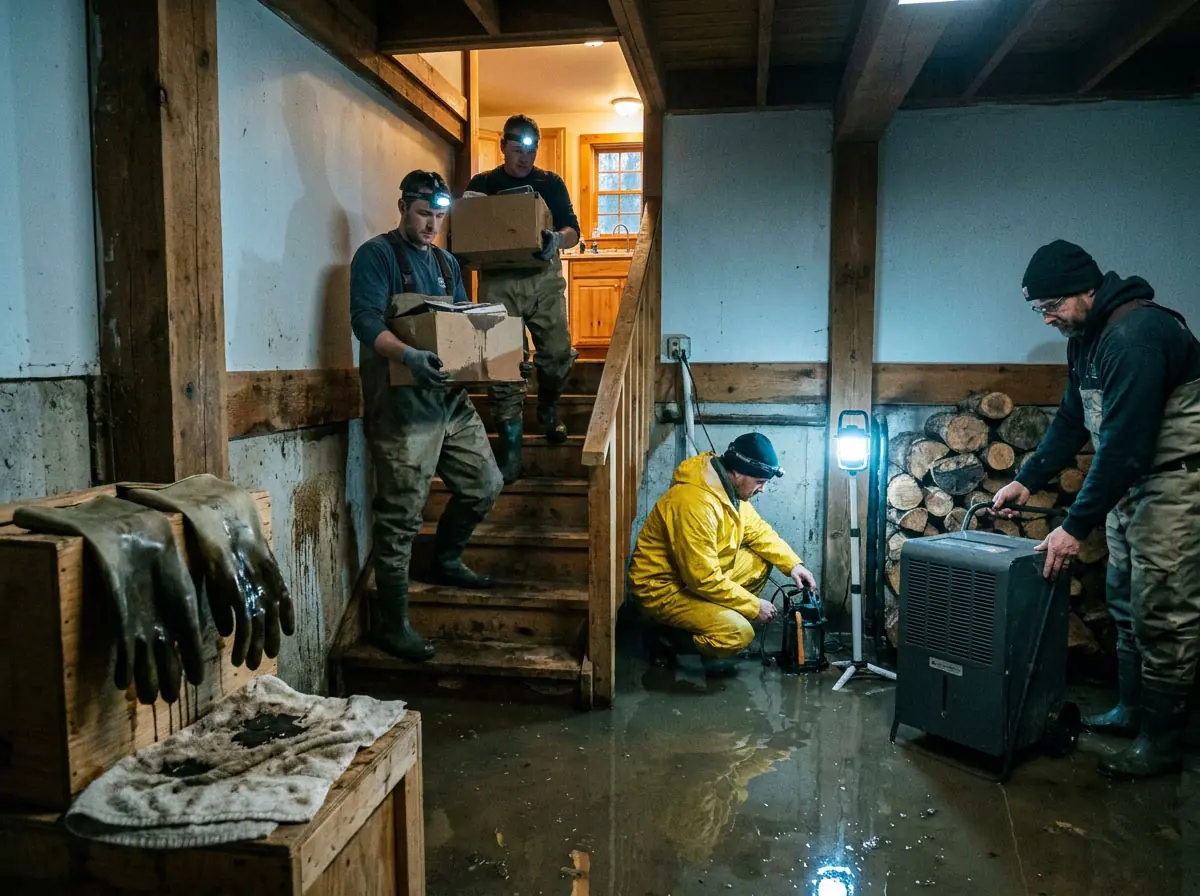
Advanced Extraction: Our Specialized Tools for Subfloor and Joint Drying
Most hardware store fans or shop vacs only touch the surface of your hardwood floors. They ignore the trapped moisture hiding in the subfloor and the tight gaps between planks. When we arrive, we stop the internal rot before it destroys your investment.
We use high-pressure injection systems specifically designed for hardwood. These tools pump warm, dry air directly through the tongue and groove joints. This forces trapped water to evaporate from the bottom up, preventing the wood from permanently warping.
The Equipment We Use to Save Your Home
- Injectidry systems: Specialized panels that pull moisture out of the subfloor assembly.
- Industrial dehumidifiers: Machines that pull gallons of water vapor from the indoor air every hour.
- High-velocity air movers: Focused fans that create a vortex to speed up evaporation.
- Moisture meters: Precision sensors that track the progress of drying until the wood is safe.
The goal is to move the water out of the material rather than just drying the air around it. By creating a controlled environment, we can draw out the deep moisture without forcing the wood to crack or splinter. This surgical approach is exactly how we prevent the need for a total floor replacement in Boulder homes.
Moisture Mapping and Humidity Control: A Data-Driven Approach
We do not guess when it comes to your home. We use professional-grade moisture meters to track exactly how deep the water has traveled into your subfloor and floor joists.
Think of this as an X-ray for your foundation. Without this data, you are just drying the surface while the wood rots from the bottom up.
Our process focuses on three critical metrics to ensure the floor is structurally sound before we finish the job:
- Equilibrium Moisture Content (EMC): Ensuring the wood has stabilized to match the local Boulder climate.
- Relative Humidity Levels: Keeping indoor air dry to prevent the wood from swelling again.
- Subfloor Penetration: Confirming that the concrete or plywood base is bone dry to prevent future warping.
Once we identify the "wet zones," we place dehumidification units that pull moisture directly out of the air. We force the wood to release its trapped water slowly; this prevents the boards from cracking or splitting due to heat stress.
By keeping a constant watch on the dew point and temperature, we make sure the drying process is perfectly controlled. It is science, not magic, that saves your floors from becoming scrap wood.

Boulder Home Restoration: A Case Study in Salvaging Historic Oak Flooring
Last winter, a homeowner in the Mapleton Hill district discovered a leaking pipe beneath their kitchen island that had been slowly soaking their 1920s original oak planks for days. The floor was severely cupped and had begun to pull away from the joists, creating significant gaps that threatened the integrity of the entire room.
Most contractors in Boulder would have immediately demanded a full rip-out and replacement, but our team knew the historical value of those boards was irreplaceable. We implemented a multi-stage drying system that forced heated air beneath the floorboards while simultaneously drawing moisture out of the subfloor using heavy-duty vacuum panels.
Why Precision Drying Beats Replacement
- It preserves the original character and patina of historic wood.
- The process costs a fraction of the price of custom hardwood installation.
- We avoid the mess of sanding, dust, and long construction timelines.
Within five days, the moisture content had returned to normal equilibrium, and the boards had flattened back into their original position. We then performed a light screening and refinishing process to seal the grain, leaving the floor looking exactly as it did before the pipe burst, without sacrificing its century-old history.
Restoration vs. Replacement: A Decision-Making Table for Damaged Hardwood
When your floors suffer water damage, the clock is ticking. You are likely staring at a massive repair bill and wondering if the boards are salvageable or if it is time to tear everything out.
To help you weigh your options, we look at the specific indicators that separate a floor we can save from one that belongs in a dumpster. Use this guide to assess the reality of your situation.
| Damage Indicator | Likely Outcome |
|---|---|
| Cupping (Edges raised) | Usually Restorable |
| Crown (Center raised) | Often Restorable |
| Black Staining | Requires Replacement |
| Loose Boards | Case Dependent |
| Delamination (Plywood) | Requires Replacement |
If you see black staining around the joints, that is usually a sign of mold growth or rot deep within the wood fibers. Once the integrity of the wood is compromised by fungal decay, no amount of professional drying will bring the structural strength back.
On the other hand, cupping is often just a symptom of uneven moisture content. With our industrial dehumidification systems and specialized mat drying tools, we can draw the moisture out slowly to flatten the wood. This method is almost always cheaper than a total floor replacement.
Keep these factors in mind when making your final call:
- The age and species of your hardwood flooring.
- The duration of the water exposure.
- Whether the subfloor has also started to show signs of instability.
- The presence of high-end finishes that would be difficult to match today.
Never rush into a replacement. Many homeowners rip out perfectly good historic oak because they panic at the sight of a few warped planks. Our team tests the moisture saturation levels throughout the room to provide you with an honest assessment based on actual data rather than guesswork.
Final Words
When moisture hits your home, you are in a race against the clock. Every hour that passes allows water to seep deeper into the wood fibers, leading to irreversible warping or mold growth.
If you suspect water damage, don't wait for the floor to visibly move. Taking action now is the most effective way to avoid the headache of a total floor tear-out.
For more specific advice on protecting your home investment, check out our resource center on Hardwood Floor Water Damage. Early detection is the single best way to ensure your floors stay flat and beautiful for years to come.
What To Remember
- Standing water is a ticking time bomb for your subfloor.
- Professional moisture extraction prevents cupping before it becomes permanent.
- Data-driven drying is safer and faster than relying on fans alone.
At the end of the day, your home is a major asset. Treating a water leak like a minor inconvenience is how people end up paying for a complete flooring installation instead of a simple dry-out.
Stay observant, act decisively, and call in the experts the moment you see signs of moisture. Your floors will thank you for it.
People Also Ask
Can hardwood floors be saved after water damage?
Yes, hardwood floors can often be salvaged if professional restoration begins within the first 48 hours. Quick intervention prevents permanent structural warping and the onset of mold growth.How much does it cost to repair water damaged floors in Boulder?
Costs vary based on the extent of the saturation, the wood species, and the square footage involved. You should consult local professionals for an assessment to determine if restoration is more cost effective than a full floor replacement.Why do my hardwood floors cup after a leak?
Cupping occurs when the moisture content of the wood increases, causing the boards to expand and push against one another. The EPA guidelines provide detailed information on how managing indoor moisture prevents long term damage to building materials.What should I do immediately after a floor water spill?
Remove as much standing water as possible using a wet vac or towels before contacting a restoration service. Avoid using heat sources like hair dryers, as rapid drying can cause the wood to split or crack.Does homeowners insurance cover hardwood floor water damage?
Many policies cover sudden and accidental water damage, but coverage often depends on the source of the leak. You should review your specific policy details and document the damage thoroughly before starting any repairs.Need Water Damage Restoration Services?
We provide rapid water damage restoration and structural drying for homes and businesses throughout Boulder and the surrounding communities. Our team arrives quickly to stop moisture intrusion and restore your property to a safe, pre-loss condition (80301, 80302, 80303, 80304).
Request Project Estimate