


⚡ TL;DR: Boulder homeowners can effectively manage basement water damage by addressing local geological risks, performing rapid initial mitigation, and installing advanced drainage systems to protect their structural foundation integrity.
📋 What You’ll Learn
Living in Boulder requires a unique approach to home maintenance, especially regarding your foundation. This guide outlines how locals detect, mitigate, and prevent costly basement water damage throughout our mountain seasons.
- Identify specific local hazards by learning how high water tables and spring runoff patterns unique to Boulder terrain can suddenly threaten your home foundation and lower living levels.
- Execute rapid mitigation tactics that help you take control during the critical first twenty-four hours after a flood event to minimize structural damage and prevent secondary moisture issues.
- Implement professional mold prevention strategies that go far beyond basic drying techniques to ensure your basement stays healthy, structurally sound, and free from long term air quality concerns.
- Upgrade your proactive defenses by choosing the right sump pump systems and exterior drainage solutions that experienced Boulder residents use to protect their property from future water intrusion.
📖 Reading time: 8 min
✍️ Author expertise: Boulder water damage restoration specialist with two decades of field experience repairing local homes.
You wake up to the unmistakable, heavy scent of damp carpet and realize your basement has turned into an unintended indoor pool. It is the kind of nightmare that hits Boulder homeowners right in the wallet when the spring runoff hits or a pipe decides to snap at three in the morning.
Most people panic, grab a few towels, and pray the walls don't start growing fuzz. Smart locals, however, have a different playbook for handling water intrusion before it destroys their property value.
If you want to protect your home from the silent rot that follows a flood, here is exactly how the pros keep their basements dry and secure.
Identifying the Unique Boulder Basement Hazards: Spring Runoff and High Water Tables
Boulder sits at the foot of the Flatirons, which sounds beautiful until the spring thaw begins. As the snow melts in the high country, that massive volume of water flows down toward our homes, often saturating the soil until your basement walls become a target.
This is not just about a leaky window. It is about hydrostatic pressure. When the ground around your foundation stays soaked for days, the weight of that water pushes against your concrete, seeking the path of least resistance right into your lower level.
The geography of our city introduces two specific threats that every smart homeowner must watch:
- Spring Runoff: Rapid temperature shifts lead to sudden melting, which can overwhelm local drainage systems in a matter of hours.
- High Water Tables: Many Boulder neighborhoods sit on soil types that retain moisture long after the rain stops, meaning your foundation is sitting in a permanent, saturated sponge.
Ignoring these realities is a quick way to lose thousands of dollars in equity. You do not need to wait for a disaster to understand if your property is vulnerable. If your basement shows signs of efflorescence, which looks like chalky white salt deposits on the walls, moisture is already moving through your foundation.
Immediate Mitigation Tactics: The First 24 Hours of Water Damage Control
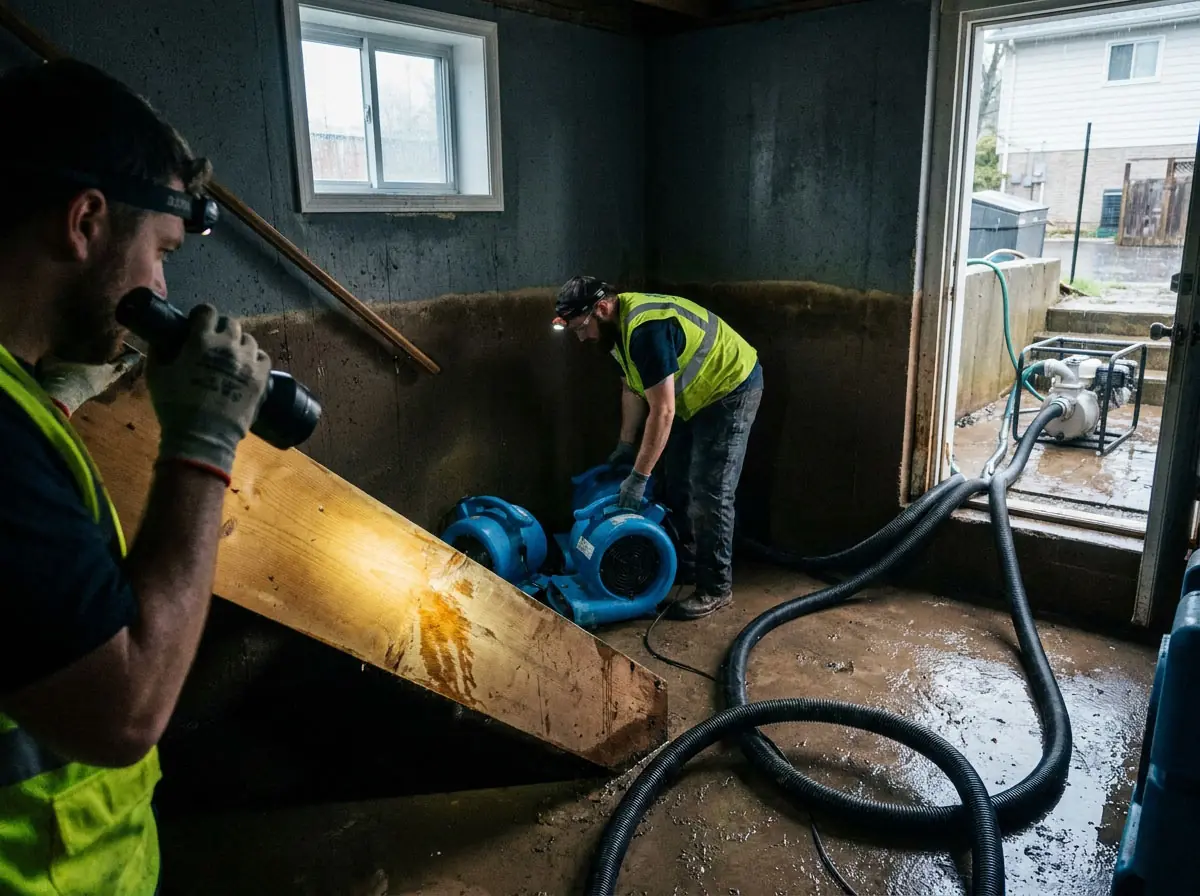
The first 24 hours determine whether you face a minor cleanup or a catastrophic structural loss. When the basement floods, your primary goal is to stop the spread of moisture before it migrates into your drywall, studs, and flooring materials.
First, kill the power. Do not walk into standing water if your circuit breaker is in the basement or if you suspect electrical outlets have been compromised; always prioritize your personal safety above your belongings.
Once you are certain the area is safe, follow these rapid response steps:
- Shut off the main water valve if the leak is from a burst pipe.
- Move porous items like cardboard boxes, rugs, and upholstered furniture to a dry area immediately.
- Use a wet/dry shop vacuum to remove as much standing water as possible to prevent saturation.
- Open windows and set up fans to encourage airflow if the outside humidity is lower than the indoor level.
Time is not on your side because mold growth starts within 24 to 48 hours in a moist environment. If you leave carpet padding and drywall soaked, you are essentially inviting microbial life to take over your foundation.
Do not rely on space heaters to dry the room. High heat can actually cause mold to grow faster in the hidden crevices behind your walls. Instead, you need industrial grade dehumidifiers that physically strip moisture from the air and the materials themselves. If the water came in through the foundation due to high runoff, contact a professional restoration team immediately to begin the extraction and drying process before the damage becomes permanent.
Structural Integrity and Mold Prevention: Beyond the Surface Dry-Out
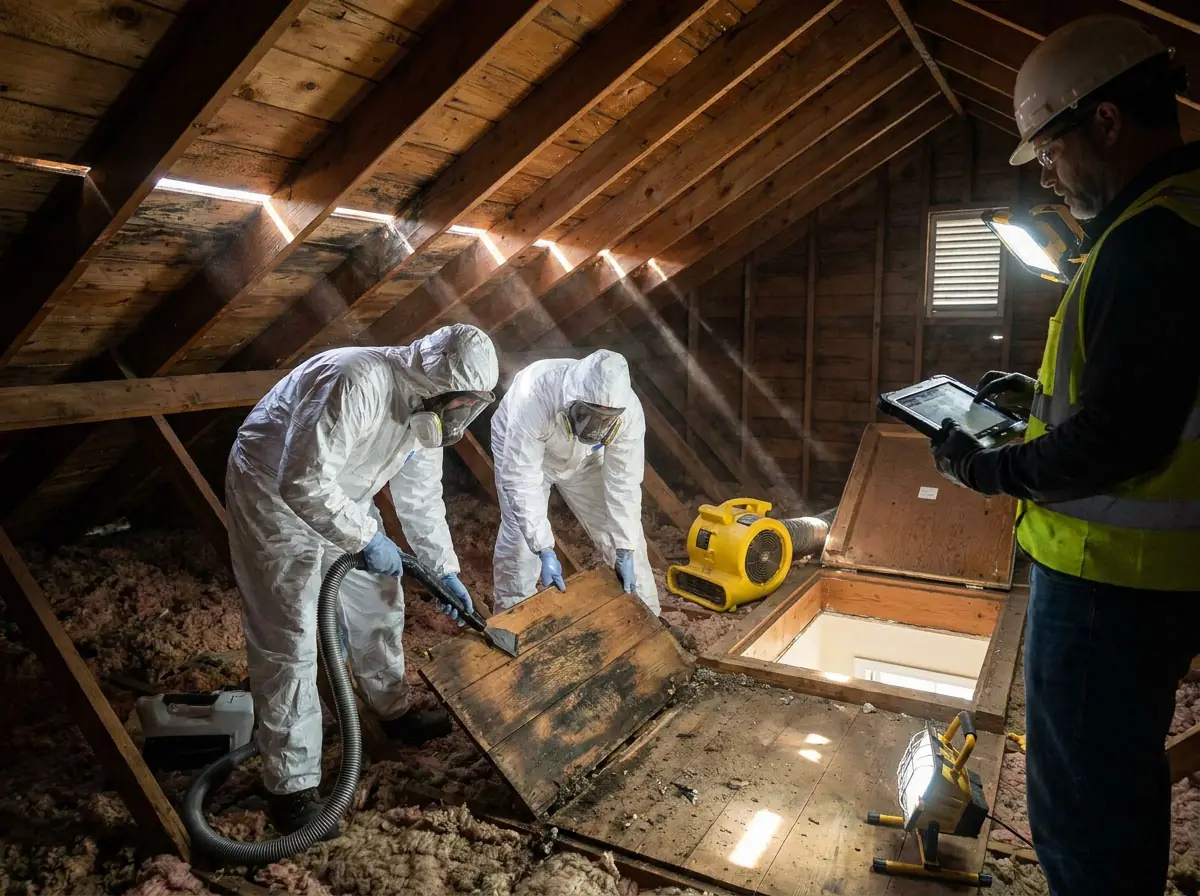
Most homeowners make the mistake of thinking a basement is dry just because the carpet feels slightly damp rather than soaked. Moisture hides behind baseboards and inside wall cavities, creating a hidden breeding ground for toxic mold.
You need to look past what you see. If you ignore the moisture trapped in your insulation or drywall, you are just waiting for a massive repair bill in the near future.
The Hidden Dangers of Post-Flood Humidity
Mold spores thrive in the stagnant air of a Boulder basement. Once they take root in your studs or flooring, they spread to the rest of the house through your HVAC system.
Follow these steps to stop the rot before it starts:
- Remove water-damaged drywall at least 12 inches above the high water line to ensure the wall cavity clears out.
- Use commercial-grade dehumidifiers to pull moisture from the studs and joists.
- Apply antimicrobial treatments to all affected wood framing to kill microscopic spores.
- Inspect foundation cracks for signs of hydrostatic pressure; these gaps often allow water to seep back in even after the floor is dry.
Structural integrity depends on your quick action after a leak. If you leave moisture in the wood, it loses its strength and can lead to costly foundation failure later on.
Don't trust a standard box fan to solve the problem. High-velocity air movers are the only way to force moisture out of heavy concrete and lumber before permanent damage sets in.
Restoring a Historic Boulder Home After a Foundation Breach
Consider the classic Boulder bungalow nestled near the base of the Flatirons. These homes have character, but their aging stone foundations often suffer from hydrostatic pressure during heavy snowmelt.
We recently handled a project where a century-old basement wall suffered a partial breach. Water didn't just seep in; it poured through decades-old mortar gaps, threatening the load-bearing integrity of the entire structure.
Our approach went beyond simple extraction. We had to focus on structural stabilization while managing the delicate balance of historic material preservation.
The Restoration Roadmap
- Site Assessment: We mapped moisture pathways behind the stone walls using infrared cameras.
- Stabilization: Injecting high-grade epoxy to seal the foundation cracks without compromising the aesthetic.
- Drying Protocol: Running industrial low-grain refrigerant dehumidifiers to pull moisture from the masonry without causing the stone to flake.
- Preventative Drainage: Installing a perimeter interior drain tile system to intercept water before it reaches the basement floor again.
Fixing a historic home is not just about stopping the leak. It is about preserving the value of your investment by ensuring the foundation can breathe and drain properly in our unpredictable climate.
If you own an older property, do not wait for a catastrophic breach to act. A proactive inspection today can save you from a major structural crisis when the next big thaw arrives.

Essential Remediation Equipment and Service Options Table
When your basement floods, time is your worst enemy. Professionals rely on high-grade hardware to stop moisture from soaking into your foundation, framing, and drywall.
| Equipment/Service | Primary Function | Estimated Impact |
|---|---|---|
| Industrial Dehumidifiers | Extracts moisture from air | Prevents secondary mold |
| HEPA Air Scrubbers | Filters microscopic spores | Improves air quality |
| Submersible Pumps | Rapid water extraction | Limits structural saturation |
| Moisture Meters | Detects hidden dampness | Ensures full dry out |
| Professional Sanitization | Eliminates bacteria | Restores home safety |
You cannot fight a basement flood with a shop-vac and a dream. You need heavy-duty gear to catch the water that hides behind your baseboards and inside your insulation.
If you fail to dry the structure completely, you are just waiting for a toxic mold colony to move in. Here is the toolkit the experts use to secure your space:
- Industrial-grade air movers to create high-velocity airflow across wet surfaces.
- High-capacity dehumidifiers that pull gallons of water directly out of the concrete.
- Thermal imaging cameras to find water trapped inside your wall cavities.
- Antimicrobial treatments to stop rot before it starts to smell.
Relying on residential equipment often leads to incomplete drying. When in doubt, call for professional remediation to ensure your home stays dry for the long haul.
Proactive Defense Systems: Why Boulder Homeowners Are Upgrading Sump Pumps and Drainage
In Boulder, relying on a builder grade sump pump is like bringing a squirt gun to a forest fire. Smart homeowners know that our high water table means the ground is often saturated long before the rain starts.
Upgrading to a heavy duty, cast iron primary pump is the first move. Then, they install a battery backup system that kicks in when the power grid flickers during a mountain storm.
Without a secondary line of defense, a single power outage turns your basement into a subterranean pond. It happens faster than you think.
The Smart Homeowner's Hardware Checklist
Beyond the pumps, the secret is managing water before it ever touches your foundation. Professionals look at the entire perimeter of the home to ensure the earth is working for them, not against them.
Here is what the pros install to lock their basement down:
- French Drains: Redirecting hydrostatic pressure away from your foundation walls.
- Smart Water Sensors: Wi-Fi enabled devices that alert your phone the second they detect moisture.
- Graded Landscaping: Ensuring the soil slopes away from your home at least six inches over the first ten feet.
- Check Valves: Stopping municipal sewage from backing up into your drains during a flood event.
It is not just about having the gear; it is about testing the system twice a year. If your pump hasn't cycled in months, a bucket test in the pit could save you thousands in restoration bills later.
Final Words
Boulder isn't a place where you can just set it and forget it when it comes to your home foundation. The mountain weather is unpredictable, and that water table doesn't care about your weekend plans.
You have a choice. You can wait for a disaster to hit your bank account, or you can take control of your Basement Water Damage risks before the next storm rolls in.
If you suspect moisture is already creeping into your floor joists or walls, do not sit on it. Acting now is the only way to stop a small leak from turning into a total structural nightmare.
The Local Strategy for Peace of Mind
Smart homeowners keep a professional contact on speed dial for a reason. They know that having an expert inspection is cheaper than replacing an entire foundation.
Follow these steps to stay ahead of the curve:
- Check your sump pump battery backup every three months without fail.
- Clear your exterior downspouts to push water at least ten feet away from your walls.
- Look for hairline cracks in the concrete; they are rarely just cosmetic.
Keep your basement dry, keep your equity high, and keep your home standing strong. Boulder rewards the prepared, and it is usually pretty unforgiving to everyone else.
People Also Ask
Does homeowners insurance cover basement flooding in Boulder?
Standard homeowners insurance policies typically exclude damage caused by groundwater seepage or surface water flooding. You should check your specific policy or consider purchasing a separate policy through the National Flood program to protect your property.How quickly does mold grow after a basement flood?
Mold can begin to colonize damp surfaces within 24 to 48 hours of water exposure. It is critical to initiate professional drying services immediately to prevent spores from spreading throughout your ventilation system.What are the signs of a failing sump pump?
Common warning signs include unusual grinding noises, frequent cycling, or the pump running constantly without moving water. If your basement floor feels damp or you notice standing water near the foundation, your pump may require immediate inspection or replacement.Why are Boulder basements prone to water damage?
Many homes in Boulder are affected by high water tables and seasonal spring runoff from the nearby mountains. These geological factors increase hydrostatic pressure against basement walls, which forces moisture through foundation cracks.Need Water Damage Restoration Services?
We provide rapid water damage restoration and structural drying for homes and businesses throughout Boulder and the surrounding communities. Our team arrives quickly to stop moisture intrusion and restore your property to a safe, pre-loss condition (80301, 80302, 80303, 80304).
Request Project Estimate