
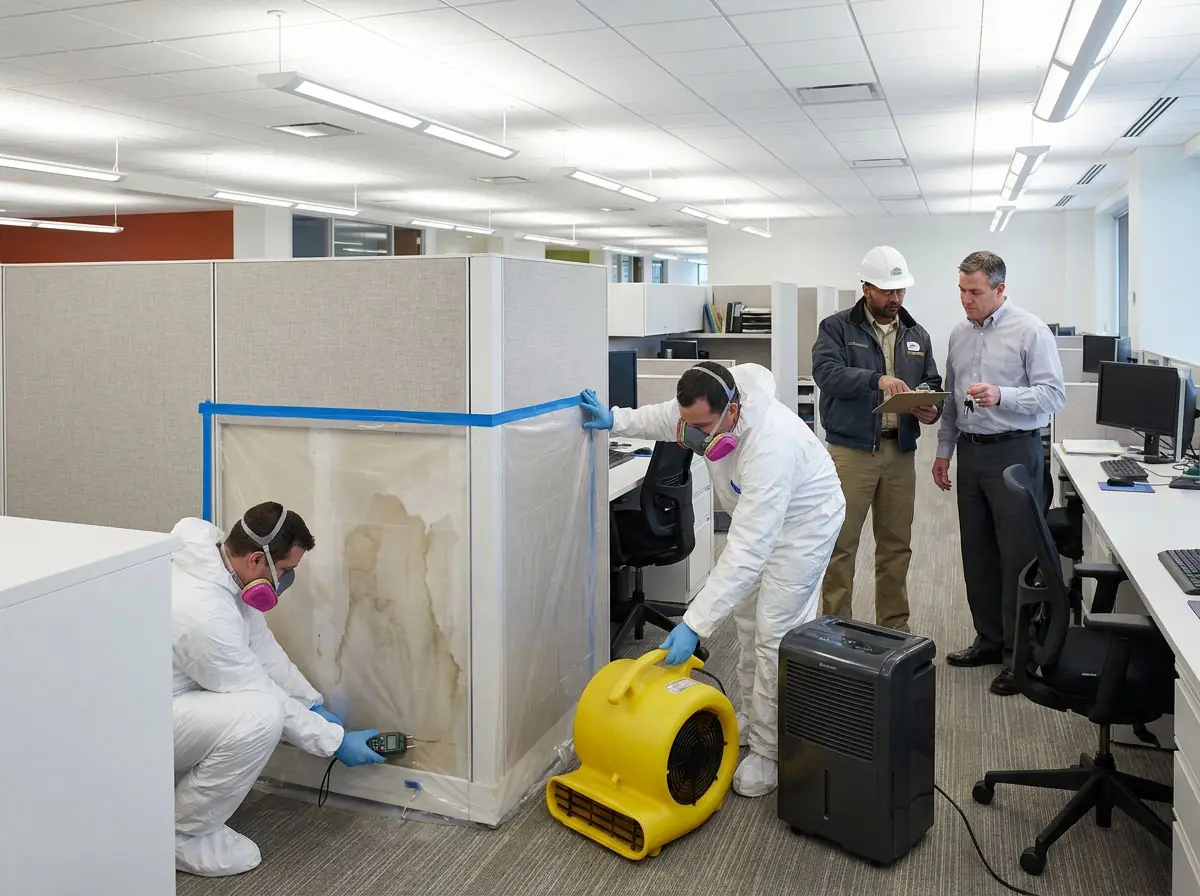


⚡ TL;DR: This guide helps Wilmington residents navigate sewage backup cleanup by outlining essential safety protocols, health risks, and professional restoration steps to protect your property after a coastal emergency.
📋 What You’ll Learn
Discover how to navigate a sewage emergency in Wilmington with confidence. This guide provides actionable steps to ensure your property remains safe, sanitized, and structurally sound after a coastal contamination event.
- Identify immediate safety hazards to protect your family from harmful pathogens and cross-contamination risks common in flooded Wilmington homes while waiting for professional restoration crews to arrive onsite.
- Understand critical health risks associated with wastewater exposure, including the specific biological threats prevalent in our local coastal environment that standard household cleaning supplies simply cannot eliminate safely.
- Follow professional containment protocols by learning why specialized industrial equipment is required to restore air quality and eliminate moisture trapped within your flooring and drywall after backups.
- Navigate complex insurance claims by documenting damage correctly and gathering the evidence needed to ensure your environmental hazard recovery is covered by your policy without unexpected out-of-pocket costs.
📖 Reading time: 8 min
✍️ Author expertise: Certified water damage restoration expert with over a decade of field experience in Wilmington.
Your morning started like any other, but a foul, unmistakable stench rising from your floor drain just turned your home into a toxic hazard zone. One minute you are brewing coffee, and the next, raw sewage is seeping across your floorboards, threatening your property and your family's health.
This is not a weekend DIY project that can wait until Monday. Wilmington humidity combined with contaminated waste creates a breeding ground for dangerous pathogens that can compromise your structure in a matter of hours.
You need to act with precision before the damage reaches deep into your subflooring and drywall. Keep reading to discover the specific steps you must take right now to protect your health and minimize the long-term cost of this disaster.
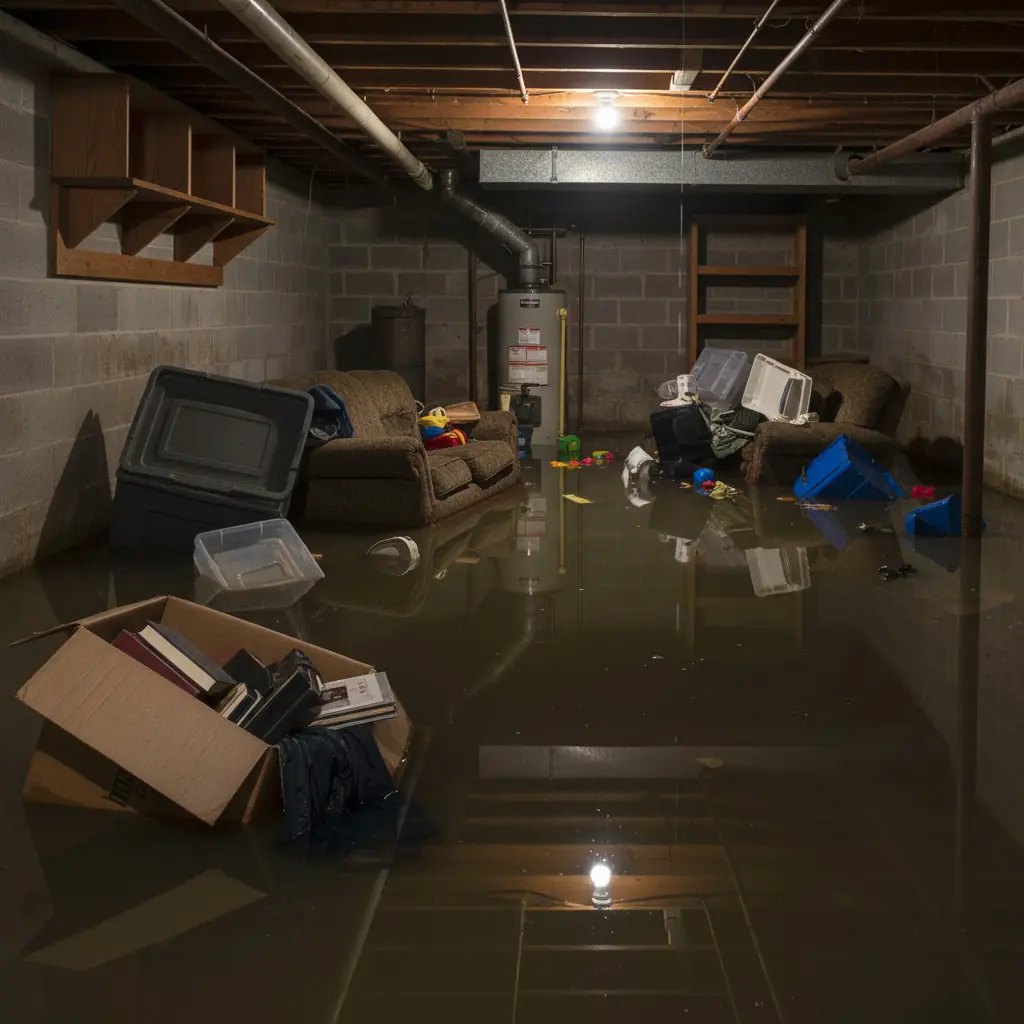
Immediate Priorities: Protecting Your Family and Preventing Cross-Contamination
When sewage backs up into your Wilmington home, your very first move must be absolute isolation. Do not walk through the affected area, and certainly do not let pets or children near the spill.
Pathogens from wastewater travel on the soles of your shoes. If you step in the spill and then walk into a clean room, you are spreading a biohazard throughout your entire house.
Follow these steps immediately to contain the risk:
- Shut off the main water supply to stop additional flow into the drains.
- Turn off the HVAC system; fans and air ducts will pull bacteria spores into every room of your property.
- Seal off the affected room by closing doors and placing wet towels at the base to block odors and moisture.
- Avoid contact with any standing water, as sewage contains parasites, viruses, and bacteria that thrive in our local climate.
You must prioritize your family’s physical safety above all else. If the backup is severe or impacting electrical outlets, leave the house and call for professional help from a safe distance.
There is no benefit to being a hero when dealing with Category 3 water contamination. Your home can be restored, but your health is not worth the risk of a viral or bacterial infection.
Health Risks Associated with Wilmington’s Coastal Sewage Emergencies
Living near the coast means our soil is often saturated, making sewage backups particularly aggressive. When raw waste breaches your home, you are not just dealing with an odor; you are hosting a biohazard event. The moist, humid Wilmington air acts like an incubator for dangerous microorganisms that thrive in dark, porous materials like your carpet padding and drywall.
Exposure to these contaminants is a serious threat to your health. These pathogens can enter your body through accidental ingestion, skin contact, or by breathing in aerosolized particles. You need to understand exactly what is lurking in that standing water.
Common Pathogens Found in Wastewater
- E. coli: Known to cause severe abdominal cramping and bloody diarrhea.
- Salmonella: Triggers fever and intense gastrointestinal distress.
- Hepatitis A: A virus that attacks the liver through contaminated surfaces.
- Parasites like Cryptosporidium: Often lead to respiratory and digestive illness.
- Fungi and Mold Spores: These begin to colonize within 24 to 48 hours.
If you have open wounds, cuts, or a compromised immune system, the risk increases exponentially. Never attempt to splash through the water without professional-grade personal protective equipment. Even a minor scratch can become a site for a staph infection when exposed to the high bacterial load present in a Category 3 sewage spill.

Critical Timeline for Assessing Damage and Restoration Benchmarks
When raw sewage breaches your Wilmington home, time is your greatest enemy. Moisture levels in our humid climate accelerate bacterial growth, turning a small leak into a structural catastrophe within 24 to 48 hours.
You cannot afford to wait and see if it dries on its own. Use this timeline to understand exactly when professional intervention is required to save your property from permanent loss.
| Time Elapsed | Damage Status | Recommended Action |
|---|---|---|
| 0 to 6 Hours | Surface contamination | Evacuate and contact pros |
| 6 to 24 Hours | Pathogen penetration | Professional extraction begins |
| 24 to 48 Hours | Mold colonization starts | Material removal required |
| 48+ Hours | Structural decay | Full decontamination mandatory |
The first few hours are focused on containment and safety. If the water has been sitting for more than a day, the porous materials in your home, such as carpet padding and drywall, are likely already compromised beyond repair.
Key Benchmarks for Property Recovery
Once professionals arrive, the cleanup process follows a specific sequence designed to stop the spread of biohazards. You should observe these critical milestones during the restoration process:
- Phase 1: Emergency Extraction - Removal of standing liquid waste to prevent further absorption into the subfloor.
- Phase 2: Material Removal - Targeted demolition of non-salvageable materials that touched the sewage.
- Phase 3: Sanitization - Application of industrial-grade disinfectants to neutralize viral and bacterial threats.
- Phase 4: Structural Drying - Using high-velocity air movers and dehumidifiers to pull trapped moisture from the wall studs.
Do not let the smell deceive you into thinking the problem is gone once the liquid is pumped out. Invisible pathogens thrive in the porous surfaces of your Wilmington home, and they will persist if not treated with proper equipment.
Professional Containment Protocols: Why Standard Cleaning Products Fail
Most homeowners mistakenly believe that a heavy dose of bleach and some elbow grease will resolve a sewage backup. This is a dangerous misconception that often leads to hidden microbial growth.
Store-bought detergents are designed for surface dirt, not for the biohazardous pathogens found in Category 3 water. Raw sewage contains bacteria, parasites, and viruses that require industrial-grade biocides and specialized containment barriers to stop them from migrating to other rooms.
If you attempt a DIY scrub-down, you are likely just pushing the contamination deeper into your floorboards. Professional restoration crews follow strict containment protocols to ensure the affected area remains isolated from the rest of your Wilmington home.
The Reality of Professional Remediation
Our teams use negative air pressure machines, known as HEPA scrubbers, to trap airborne contaminants before they settle elsewhere. We do not just clean the visible waste; we treat the structure to prevent long term degradation.
- HEPA filtration systems capture microscopic mold spores and bacteria.
- Commercial grade disinfectants penetrate porous surfaces that household cleaners cannot reach.
- Moisture mapping tools identify hidden saturation points behind your baseboards.
- Personal Protective Equipment (PPE) prevents our technicians from tracking toxins through your living space.
Without these rigorous controls, you run the risk of trapped moisture, which invites wood rot and future structural collapse. Professionals prioritize the safety of your indoor air quality by removing the source, rather than just masking the odor with temporary perfumes.

Anatomy of a Restoration: A Wilmington Property Recovery Case Study
Consider a recent job we handled in a coastal Wilmington neighborhood near the Cape Fear River. A homeowner discovered a massive basement flood caused by a main sewer line blockage that sent waste backing up through every drain in the lower level.
By the time we arrived, the saturated drywall had already started wicking moisture upward, and the porous concrete floors were absorbing liquid contaminants. Our crew didn't just mop the floor; we executed a surgical strike to prevent a total loss of the property.
We followed a rigid sequence to stop the bleeding and restore the environment to a safe state:
- Zone Isolation: We deployed heavy duty plastic barriers to stop cross contamination from moving to the upper, unaffected floors.
- Extraction Phase: Our high pressure pump systems removed the standing waste, ensuring no moisture remained in the grout lines.
- Antimicrobial Treatment: We applied medical grade disinfectants to neutralize bacteria that thrive in our local Wilmington heat.
- Structural Drying: We set up high speed dehumidifiers to pull moisture out of the wall studs before rot could take hold.
The biggest mistake property owners make is thinking a fan and some bleach will do the trick. It won't. Our case study proved that even after the smell seemed to vanish, testing showed microscopic biological residue trapped deep inside the subfloor material.
We had to remove two feet of drywall from the perimeter and treat the exposed studs with a specialized encapsulant to prevent mold growth. By treating the structure as a living system that holds onto toxins, we saved the homeowner from long term air quality issues and future structural failure.
Navigating Insurance Claims and Documentation for Environmental Hazards
Dealing with sewage damage is financially stressful, but your insurance provider requires ironclad proof to process your claim correctly. Do not touch or move contaminated items until you have captured every angle on your camera.
Your documentation must tell a clear story to the adjuster. If you fail to document the extent of the disaster, you risk losing thousands in potential reimbursement for professional cleanup and material replacement.
Essential Documentation Checklist
- Take high resolution photos of the original backup source.
- Record video footage showing the path of the sewage flow throughout your rooms.
- Keep a detailed list of every damaged item, including brand names and approximate age.
- Save all receipts for emergency supplies like protective gear or fans.
- Request a written report from your restoration team immediately after their assessment.
Most homeowner policies distinguish between sudden pipe failure and neglected maintenance. You must prove the event was an unforeseen accident, rather than a slow leak you ignored for months.
Contact your agent within the first few hours of the event. Explicitly ask if your policy includes specialized coverage for environmental hazards or mold remediation, as standard water damage riders sometimes fall short when raw waste is involved.
When to Secure Emergency Restoration Services
There is a massive difference between a simple drain clog and a full-scale biohazard event. If you see standing liquid surfacing from your toilets or drains, you are dealing with a category three black water intrusion.
You need to call for professional Sewage Backup Cleanup if the contaminated area exceeds a few square feet. If you attempt to handle this yourself, you risk pushing pathogens into your HVAC system and behind your walls.
The Red Flags That Demand Immediate Professional Intervention
Do not wait for the sun to rise if you notice these specific signs. Your home's structure is absorbing these toxins while you read this.
- The scent of sewage is spreading into multiple rooms or the attic.
- Water has made contact with electrical outlets or wiring.
- You can see porous materials like carpet, padding, or drywall wicking up the liquid.
- The overflow involves multiple bathrooms or continues to rise despite shutting off the main water valve.
Professional restoration teams bring heavy-duty industrial-grade disinfectants and air scrubbers that the average hardware store simply does not carry. We cut out the contaminated materials and perform a deep structural dry-out before mold can set in.
If you value your home's integrity, do not play the hero with a mop and a bottle of bleach. Professional intervention is the only way to ensure your property remains a safe place to sleep tonight.
People Also Ask
Is sewage backup in my home covered by homeowners insurance in Wilmington?
Most standard homeowners insurance policies exclude sewage backup unless you have added a specific water backup endorsement. It is critical to review your policy details immediately and document all damages with photos before starting any cleanup.What are the primary health dangers of raw sewage exposure?
Sewage contains harmful bacteria, viruses, and parasites that can cause severe gastrointestinal illness or skin infections. The CDC guidelines emphasize that direct contact with contaminated water poses a significant risk to human health.Can I clean up a sewage backup myself using bleach?
Standard household cleaners are generally ineffective at fully sanitizing porous materials like carpets, drywall, or insulation contaminated by sewage. Professional restoration equipment is required to properly disinfect the area and prevent long term mold growth.Why does the coastal climate in Wilmington make sewage issues more urgent?
High humidity levels and heat accelerate the growth of bacteria and mold within saturated building materials. Rapid professional intervention is necessary to prevent these environmental hazards from spreading throughout your property.How long does the sewage restoration process usually take?
The timeline depends on the severity of the spill and the extent of material saturation within the home. A certified restoration team typically requires several days to complete the drying, sanitization, and structural repair phases.Need Water Damage Restoration Services?
We provide rapid water damage restoration across Wilmington and surrounding areas to dry your property and restore it to its original condition. Our local crews respond immediately to mitigate damage and secure your home or business (28401, 28403, 28405, 28409, 28412).
Request Price Estimate