
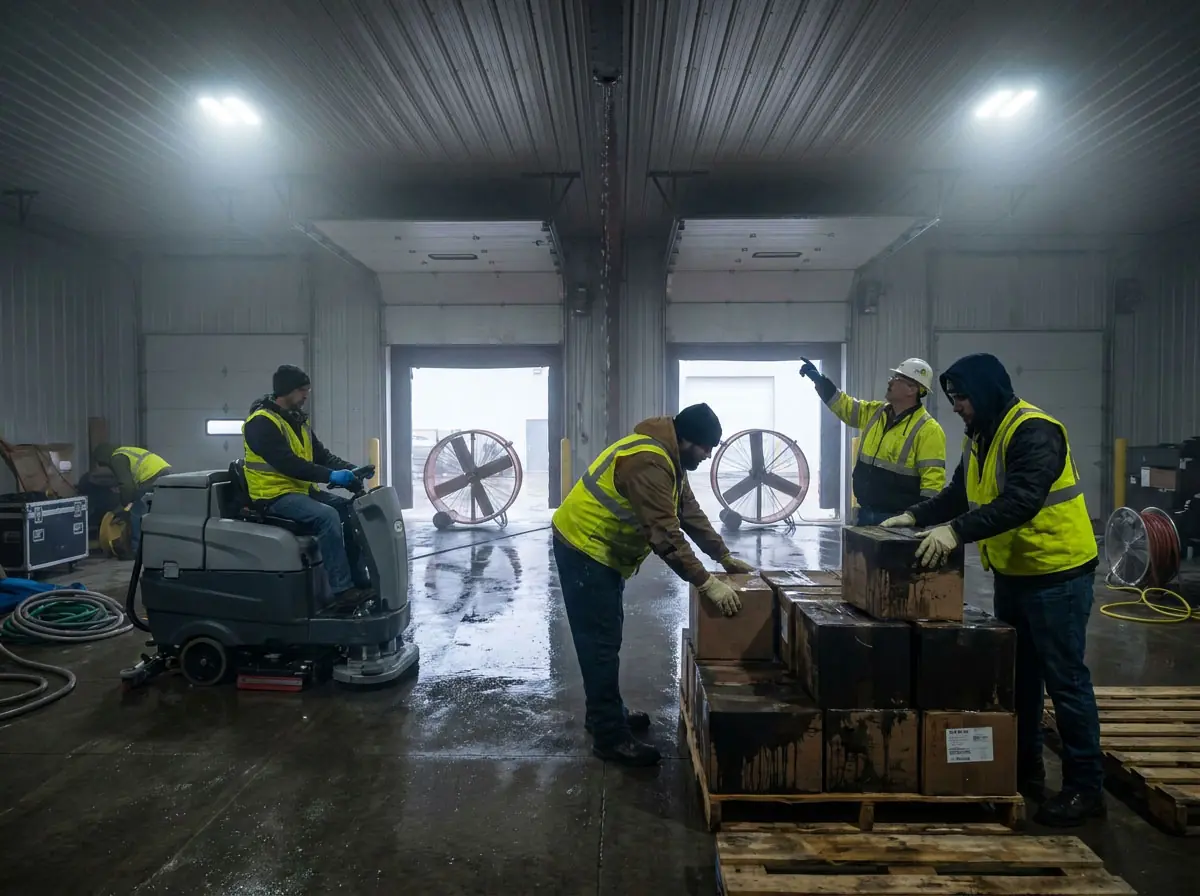


⚡ TL;DR: To protect your home during mold remediation in Wichita, avoid common cleanup errors by addressing moisture sources, following containment protocols, and verifying air quality with professional assistance instead.
📋 What You’ll Learn
Navigating mold growth in Wichita properties requires precision and local expertise. This guide helps you identify critical errors during the remediation process to ensure your home remains safe, dry, and healthy.
- Understand why bleach fails to kill mold by learning how surface-level cleaning masks deeper structural issues that lead to persistent regrowth and harmful spore circulation inside your Kansas basement.
- Locate hidden moisture sources effectively to prevent future infestations because cleaning mold without stopping the initial water leak guarantees that the fungus will return within a few weeks.
- Implement strict containment strategies today so that you stop dangerous spores from migrating to clean rooms in your home while you work on removing the affected building materials.
- Validate your post-remediation air quality by following professional testing steps that confirm your environment is truly clean rather than relying on just the visual absence of mold growth.
📖 Reading time: 7 min
✍️ Author expertise: Wichita restoration specialist with fifteen years of hands-on mold removal and mitigation experience.
You wake up, walk into your basement, and get hit with that unmistakable, musty stench that clings to the back of your throat. That smell isn't just a nuisance; it is a signal that a colony of toxic mold is quietly eating your drywall and compromising the air quality inside your Wichita home.
Most homeowners react to this discovery by grabbing a bottle of bleach and a scrub brush, thinking they can wipe the problem away in an afternoon. This is a massive, expensive mistake that often turns a small patch of mold into a full-blown biological disaster that spreads spores through your entire HVAC system.
Before you make a move that lands you in a health crisis or a massive repair bill, you need to know exactly how to handle this correctly. Here are the common errors you must dodge if you want to get your home back to a safe, healthy state.

The Danger of DIY: Why Bleach Is Your Worst Enemy
The biggest lie in the home improvement world is that bleach kills mold on porous surfaces. If you spray bleach on your drywall or wood framing, you are only bleaching the color out of the mold, leaving the root system buried deep inside the material.
That toxic colony is still alive and kicking under the surface. In fact, the water content in bleach actually feeds the mold, causing it to grow back faster and more aggressively than before.
Why Bleach Fails You
- Bleach is a surface agent that cannot penetrate porous materials like wood or drywall.
- The high water content in bleach solutions provides the moisture mold craves to spread.
- Scrubbing mold releases millions of airborne spores into your living space, putting your family at risk of respiratory distress.
When you attempt to scrub mold without professional containment, you turn your home into a spore-launching factory. Those spores settle into your carpet, upholstery, and vents, turning a localized basement issue into a whole-house contamination.
Stop reaching for the household cleaners and realize that mold remediation is a science, not a weekend chore. Attempting to DIY this process often forces homeowners to pay double for professional crews to come in and fix the mess created by a simple sponge and a bottle of chemicals.
Mapping the Moisture Source: Why Cleanup Fails Without Fixing Leaks
Think of mold like a weed in your garden. If you simply chop off the top, the roots remain buried deep in the soil, ready to sprout again at the first drop of rain.
Many homeowners in Wichita spend hours scrubbing surfaces only to find the fuzzy invaders back within a week. That happens because the actual fuel source—the moisture—is still feeding the colony from behind the wall.
Unless you identify and stop the water intrusion, you are just performing a temporary, expensive performance art piece for the mold. You must play detective to find where the water is entering before you even think about remediation.
Common Culprits of Wichita Moisture Issues
- Leaking basement foundation cracks during heavy spring rains.
- Condensation buildup from poorly ventilated HVAC ductwork.
- Slow plumbing leaks hidden behind kitchen or bathroom cabinets.
- Roof shingle damage that allows water to trickle down interior wall cavities.
- High humidity levels caused by lack of proper drainage around your home exterior.
Identifying the source usually requires more than a casual glance. We often see homeowners seal a wall, only to have water pool up inside and create a hidden reservoir of rot that compromises your floor joists.
Do not be the person who paints over a wet spot or replaces drywall without repairing the pipe or crack behind it. Stop the leak first, dry out the structure second, and remove the damaged materials third.
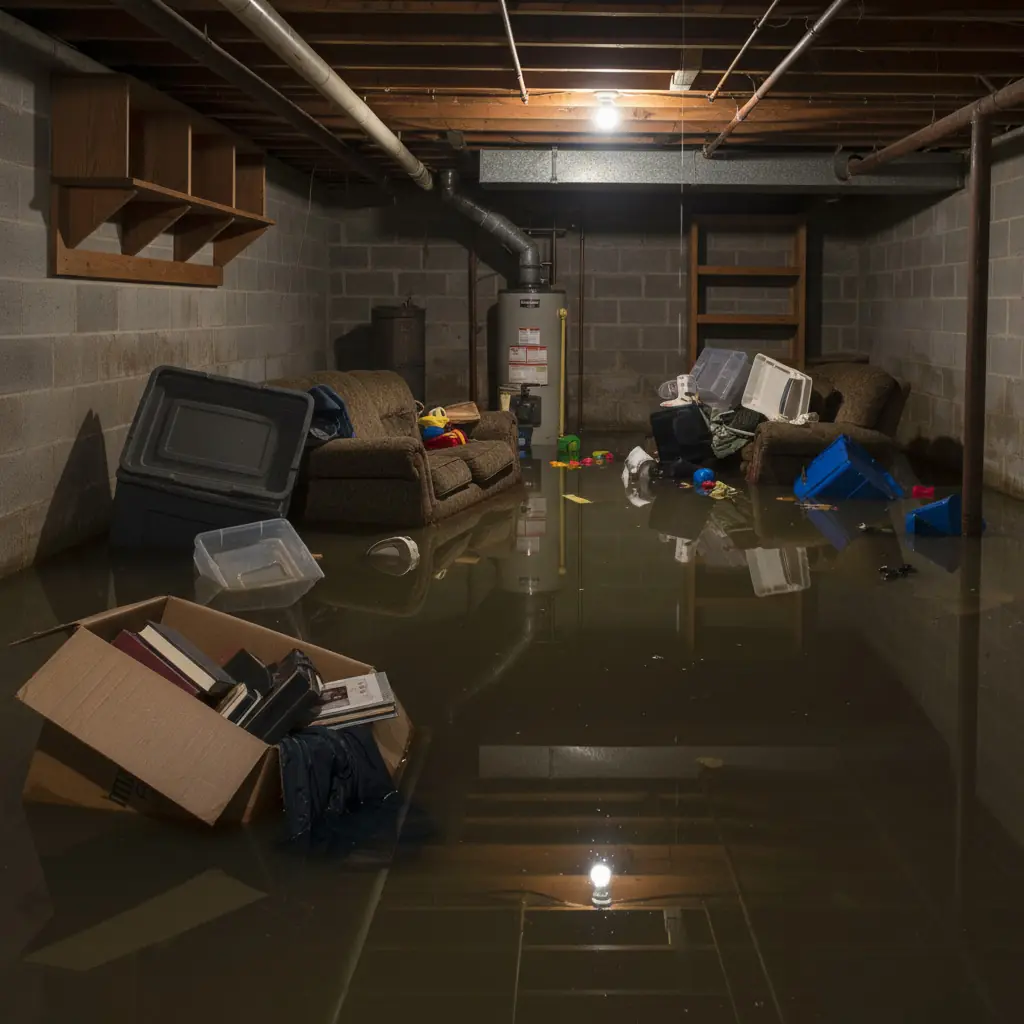
Containment Protocols: Stopping Spore Migration During Remediation
The biggest blunder you can make is scrubbing a moldy wall without setting up a proper containment zone. When you disturb an active mold colony, you release millions of microscopic spores into the air. If you do not seal the area off, these spores hitch a ride on air currents, settling into your carpets, furniture, and HVAC vents throughout your Wichita property.
Professional remediation relies on physical barriers to keep the contamination trapped. Without these, your quick cleaning job actually turns into a total house contamination event.
How to Maintain a Sterile Zone
- Seal off all doorways and openings using 6-mil polyethylene plastic sheeting.
- Tape all edges tightly with heavy-duty duct tape to ensure an airtight seal.
- Shut down your HVAC system immediately so the blower does not pull spores into the ductwork.
- Create a negative pressure environment to ensure airflow pushes away from clean areas, not toward them.
Attempting to remediate without these barriers is like trying to swat a swarm of bees with a newspaper; you will only end up with more stings. Containment is not optional. It is the primary safety line between a small, isolated issue and a home-wide health hazard that requires professional intervention to fix.
Professional Remediation vs. DIY Cleanup: A Comparative Table
When you spot mold, the clock is ticking. You might think a spray bottle and a rag will save your budget, but you are usually just peeling the paint off a rotting house. Professional remediation is not about scrubbing; it is about containment, source removal, and structural drying that DIY methods simply cannot match.
| Feature | DIY Cleanup | Professional Remediation |
|---|---|---|
| Mold Detection | Surface only | Hidden source & moisture analysis |
| Containment | None (Spreads spores) | Negative air & sealed barriers |
| Equipment | Household chemicals | HEPA vacuums & industrial dehumidifiers |
| Safety | Mask & gloves | Full PPE & air quality monitoring |
| Verification | Visual check | Post-remediation air testing |
The biggest difference lies in the science of air quality. If you use soap or bleach on a porous surface like drywall or wood studs, you are only killing the top layer of mold while leaving the roots buried deep inside the material.
Professionals approach your home like a crime scene. We use industrial-grade vacuums equipped with HEPA filters to trap spores that are smaller than a human hair. Without this specialized gear, your vacuum cleaner is just a fancy spore spreader that blows mold particles into every room of your Wichita residence.
Why Professionals Win
- We locate the root cause of moisture, such as a hidden pipe leak or foundation crack.
- Our crews use antimicrobial agents that actually penetrate porous materials to kill mold colonies.
- We provide documentation for air quality clearance, which is essential if you ever plan to sell your property.
Trying to handle a major colony on your own puts your family at risk of inhaling toxic spores. Stop gambling with your indoor air quality. Let the experts remove the hazard so you can stop worrying and start breathing clean air again.
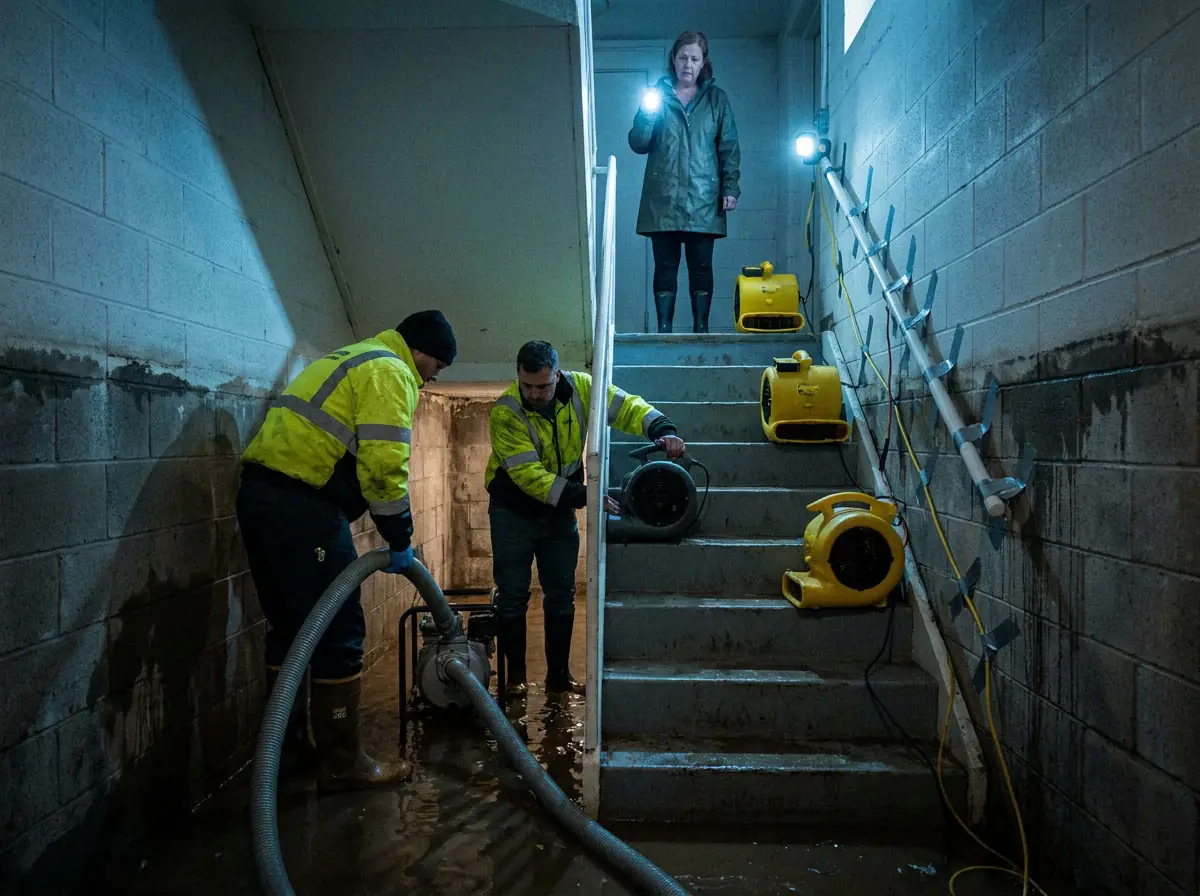
Wichita Basement Restoration: A Case Study in Success
We recently stepped into a home in the College Hill area where the owners tried to handle a basement flood with a shop vac and some optimism. By the time we arrived, the mold had migrated from the drywall into the floor joists and the insulation.
The situation was dire because the homeowners ignored the hidden moisture pockets behind their baseboards. Our team had to implement a strict three-phase cleanup process to save the structure from a total tear-out.
Here is exactly how we turned that basement around:
- Source Control: We identified a weeping crack in the foundation that was feeding the colony.
- Containment: We sealed off the work zone with heavy-duty poly sheeting to prevent spores from hitching a ride into the upstairs bedrooms.
- Dehumidification: We dropped the basement humidity to 35 percent to kill the growth cycle at the root.
After we finished, the homeowners were shocked by how much cleaner the air felt. They realized that trying to DIY the cleanup would have only masked the smell while the wood continued to rot behind the scenes.
If you see signs of water intrusion in your basement, take it seriously right away. Delayed action equals multiplied costs; professional intervention is the only way to ensure your family isn't breathing in dangerous particulates.
Essential Steps for Validating Post-Remediation Air Quality
Once the physical mold has been removed, the job isn't finished until the air is actually clean. You cannot rely on your nose to tell you if the spores are gone, because many mold particles are microscopic and odorless.
Professional restoration companies in Wichita use third-party testing to verify that your home is truly safe. This is the only way to ensure the cleanup was effective and that your indoor environment is healthy for your family.
Here is what the post-remediation verification process typically looks like:
- Air sampling to compare indoor spore counts against outdoor levels.
- Surface tape lift samples to check for remaining residue on building materials.
- Moisture mapping to ensure the structure is dry enough to prevent new growth.
- Visual inspections of hidden spaces like wall cavities or crawl spaces.
Never skip this step just to save a few dollars. If the air quality tests fail, it means your remediation team didn't finish the job, and you are still breathing in hazardous particulate matter. Don't let a contractor talk you out of independent testing, as that is the gold standard for protecting your health.
Final Words
Mold is not a weekend hobby. It is a biological threat that plays by its own rules, and playing the hero with household chemicals will almost always backfire.
If you have spotted signs of growth, do not wait for the situation to get worse. You need to take decisive action before your structure suffers permanent damage or your family develops respiratory issues.
Protecting Your Investment
The smartest move you can make is to treat the source, not just the visible surface. If you try to cut corners now, you will pay double later when the colony returns with a vengeance.
To ensure you handle the cleanup right, consider these non-negotiable standards:
- Stop the water intrusion immediately; without moisture control, your efforts are useless.
- Never rely on bleach, as it feeds mold roots on porous surfaces like wood and drywall.
- Always prioritize professional Mold Remediation services if the contamination covers a large area.
- Seal off the work zone to prevent spores from hitchhiking on your HVAC system to other rooms.
Your home in Wichita is your biggest asset. Treat it with the respect it deserves by bringing in the pros when the stakes are this high.
People Also Ask
Is mold remediation covered by homeowners insurance in Wichita?
Coverage depends entirely on your specific policy and the cause of the mold growth. Generally, insurance covers mold caused by sudden water damage, but it often excludes mold resulting from long term neglect or lack of maintenance.How do I know if I have a serious mold problem?
Common signs include a persistent musty odor, visible growth on walls or ceilings, and unexplained respiratory issues among family members. If you suspect an infestation, follow the EPA guidelines to determine if professional assessment is required.How long does the mold removal process take?
The timeline varies based on the size of the affected area and the extent of the water damage. A typical residential project can take anywhere from a few days to over a week when proper containment and drying protocols are followed.Can I stay in my home during mold remediation?
It depends on the scope of the contamination and the specific areas affected. If the remediation involves large sections of your living space, professional teams may recommend temporarily relocating to ensure your family avoids exposure to airborne spores.What makes Wichita basements so prone to mold?
Wichita homeowners often face high humidity levels combined with foundation issues that allow groundwater to seep in during heavy rains. These conditions create the perfect environment for mold to flourish, especially in unfinished or poorly ventilated basement spaces.Need Water Damage Restoration Services?
We provide rapid water damage restoration and structural drying services to restore your property in Wichita and surrounding communities (67202, 67203, 67206, 67212, 67226). Our team arrives quickly to extract water and mitigate damage, securing your home or business immediately.
Request Price Estimate