


⚡ TL;DR: This guide provides essential steps for ceiling water damage repair in West Palm Beach, helping homeowners identify leaks, mitigate secondary issues, and choose qualified professionals for effective restoration.
📋 What You’ll Learn
Discover how to navigate ceiling water damage in the unique climate of West Palm Beach. This guide provides actionable steps to protect your property and ensure effective, long-term restoration results.
- Identify hidden leak sources to stop water intrusion before it compromises your home, including roof failures, plumbing issues, or humidity-related condensation buildup common in South Florida homes.
- Implement immediate mitigation tactics to limit secondary damage such as warping, bubbling paint, or severe structural rot that occurs quickly in our high-humidity coastal environment.
- Evaluate DIY versus professional repairs by comparing the risks and costs involved, helping you decide when a simple patch is sufficient or when expert intervention is necessary.
- Detect mold and structural hazards using professional assessment techniques to ensure that your ceiling repair addresses underlying decay rather than just hiding visible damage from the surface.
📖 Reading time: 7 min
✍️ Author expertise: Certified restoration technician with fifteen years of experience managing storm damage in Florida.
You wake up to the soft pitter-patter of rain, only to realize the sound isn't coming from your window, but from a dark, spreading stain on your living room ceiling. That yellowing patch isn't just an eyesore; it is a ticking time bomb for your property value and your family's health.
Living in West Palm Beach means we deal with brutal humidity and sudden tropical deluges that push local homes to their breaking point. If you ignore that wet spot today, you are essentially inviting mold to move in and structural rot to settle deep into your rafters.
Fixing ceiling water damage requires more than just a fresh coat of paint and a prayer. Here is exactly how to stop the destruction before it costs you thousands in unnecessary repairs.
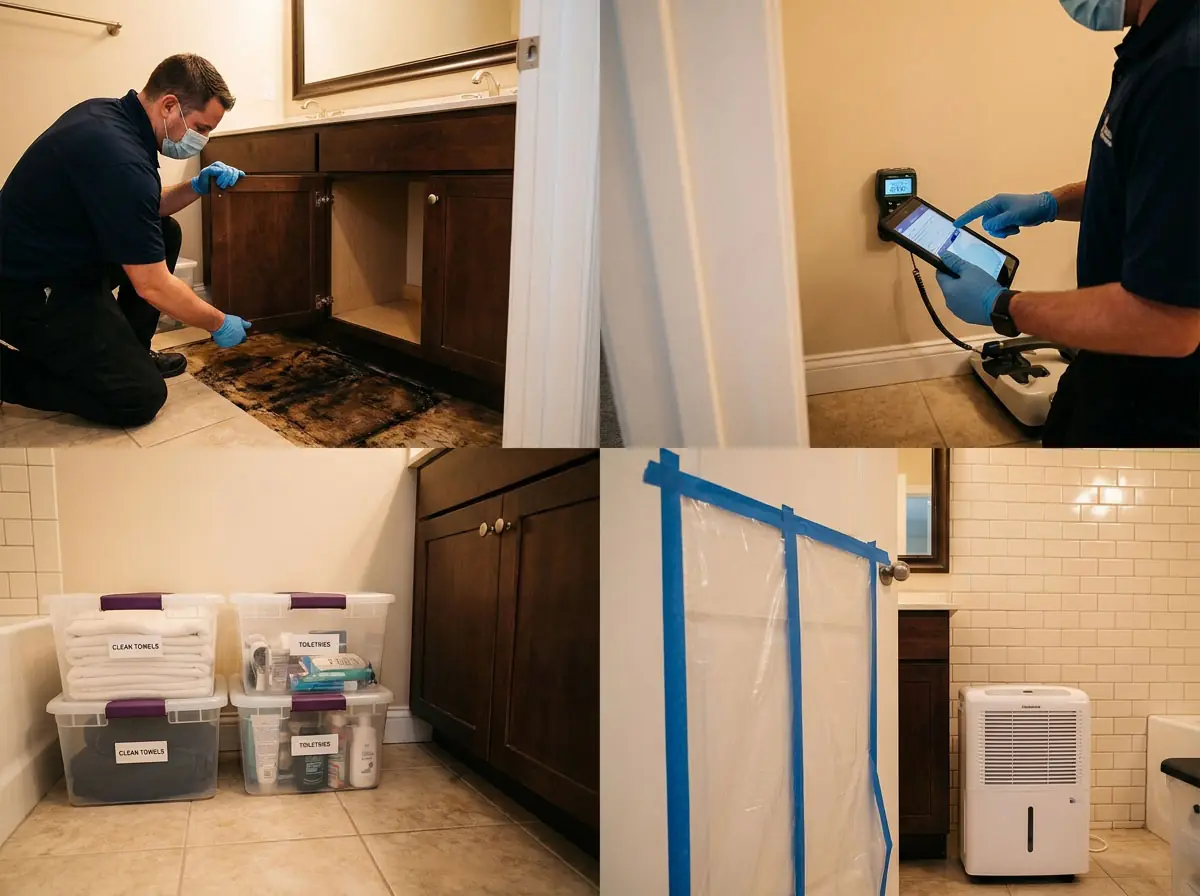
Identifying the Primary Source of Your Ceiling Leak
Before you grab a bucket or call a contractor, you must find the source of the intrusion. Water is a master of deception; it rarely drips directly beneath the entry point. Instead, it travels along rafters, electrical wiring, and plumbing pipes until it finds a low spot to pool.
You can start your investigation by checking the area directly above the stain. If you have an attic or a crawl space, head up there with a flashlight to look for signs of moisture. Watch for these common culprits:
- Damaged roof shingles or flashing that allow rain to penetrate the attic floor.
- Leaking HVAC condensation lines that have become clogged with algae or debris.
- Plumbing supply lines or drain pipes that show signs of corrosion or slow weeping.
- Seepage through windows or vents during heavy Florida rainstorms.
If you see a trail of water, follow it upward. It might be traveling several feet away from the actual damage before dripping onto your ceiling. If the ceiling feels spongy or sagging, do not poke it with your finger; you might trigger a sudden collapse of wet drywall or insulation.
Remember that in a humid climate like West Palm Beach, condensation is often mistaken for a leak. If the water only appears when your air conditioner is blasting on a hot day, you are likely dealing with an insulation issue rather than a structural breach.
Immediate Mitigation Steps to Minimize Secondary Damage
Once you spot that leak, speed is your only ally. You must stop the water from moving deeper into your drywall and flooring before the damage spreads like a wildfire.
First, grab a bucket and place it directly under the drip. If the ceiling is sagging or bulging like a water balloon, use a screwdriver to carefully poke a small hole in the center of the lowest point. This controlled release prevents the drywall from collapsing suddenly and protects your furniture underneath.
Next, you need to manage the interior environment to prevent secondary issues such as rapid mold colonization. Follow these quick tactical moves to keep the situation under control:
- Clear out all valuables, rugs, and electronics from the area immediately.
- Use a tarp or plastic sheeting to protect flooring that cannot be moved.
- Shut off the main water supply if the leak originates from internal plumbing rather than the roof.
- Turn on high-powered fans or a dehumidifier to circulate air and lower the moisture level in the room.
Never rely on a quick towel dry to fix the issue. Water in Florida heat turns into stagnant moisture within 24 hours, creating a perfect petri dish for toxic spores. Getting the area dried out professionally or through aggressive ventilation is the only way to safeguard your home health.

Comparing Repair Techniques: A Comparative Table of DIY vs. Professional Restoration
Deciding whether to grab a putty knife or call in the pros is the most important choice you will make after spotting a leak. Many homeowners assume a simple patch job will suffice, but in West Palm Beach, surface fixes often mask hidden moisture traps that lead to massive repair bills later.
| Feature | DIY Approach | Professional Restoration |
|---|---|---|
| Initial Cost | Low | Higher Investment |
| Mold Detection | Limited | Advanced Thermal Imaging |
| Safety Compliance | Risk of Injury | OSHA Certified Teams |
| Insurance Claims | Often Denied | Documented Proof Provided |
| Long Term Result | High Failure Rate | Guaranteed Durability |
When you handle the work yourself, you are limited to what you can see. Hidden fungus often grows on the backside of your drywall or inside the insulation, where a simple patch cannot reach. Pros use moisture meters and thermal cameras to map out exactly how far the water traveled, ensuring no damp pockets remain to rot your studs.
Consider the actual cost of your time and the high probability of a redo. When you hire an expert, you get more than just a repair; you get insurance-ready documentation that validates the extent of the damage. This documentation is vital for getting your claim approved quickly.
Key Risks of DIY Repairs
- Mishandling asbestos or lead paint in older homes.
- Leaving invisible moisture that fuels rapid mold growth.
- Compromising the structural strength of your joists.
- Neglecting the true source of the leak, causing immediate repeat damage.
Assessing Structural Integrity and Mold Risks in Florida Climates
In the humid climate of South Florida, water damage acts like a silent predator. When moisture gets trapped inside your ceiling, the warm air acts as a catalyst for rapid decay.
Wood rafters and drywall studs in West Palm Beach homes often suffer from hidden rot long before you notice visible sagging. If you spot a bulge or soft drywall, the weight of the water has already begun to compromise your home's load bearing capacity.
The Mold Factor
Mold spores are everywhere in Florida, but they thrive when your ceiling remains damp for more than 48 hours. Once these spores land on wet insulation or ceiling joists, they create a biological hazard that spreads through your HVAC system.
You need to check for these danger signs immediately:
- Musty, earthy odors lingering in specific rooms.
- Visible dark or fuzzy discoloration on ceiling panels.
- Increased allergy symptoms or respiratory irritation when you are at home.
- Visible warping or cracking along the drywall seams.
Do not wait for a professional to tell you that mold is present. If you suspect an active infestation, limit your time in that room and keep the air moving to dry the space as quickly as possible until help arrives.
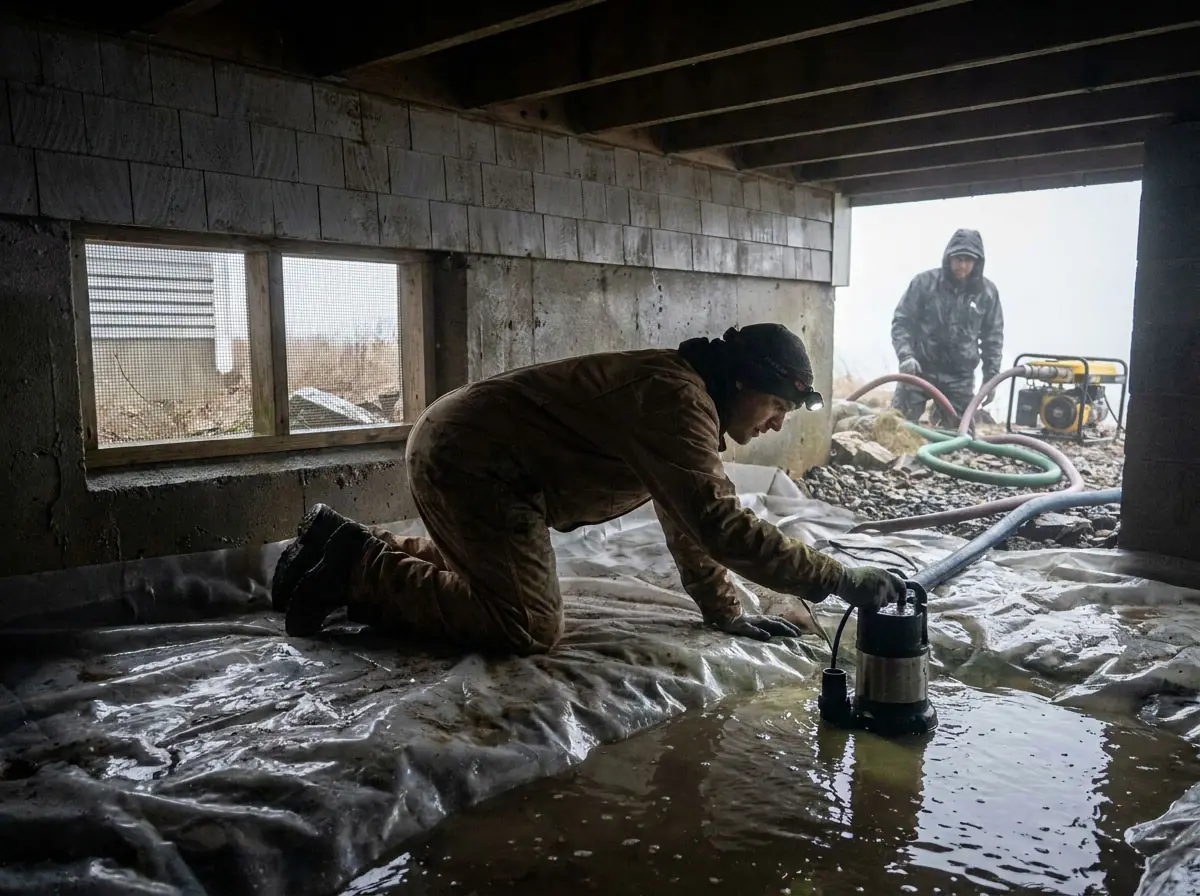
Restoring Your Home: A Case Study of a West Palm Beach Roof Breach
Consider a recent job we handled for a homeowner in the El Cid neighborhood. A heavy thunderstorm tore a section of shingles loose, allowing water to saturate the insulation and drywall of a master bedroom ceiling.
The owner initially tried to dry the area with a standard box fan. Within forty-eight hours, the ceiling sagging had worsened and a pungent, musty scent began to permeate the entire home.
We arrived to find that the water had migrated across the ceiling joists, spreading damage far beyond the visible stain. Here is the reality of what we uncovered during the restoration process:
- The insulation was completely sodden and acted as a sponge, holding moisture against the wooden beams.
- Mold spores were already colonizing the drywall paper behind the paint.
- The electrical wiring near the leak path had experienced minor corrosion, creating a significant fire risk.
By removing the damaged drywall and treating the affected lumber with antimicrobial agents, we prevented a full-scale renovation of the upstairs living space. The homeowner learned the hard way that ceiling water damage is rarely isolated to the spot you see.
Acting fast kept this repair to a single room project. If the owner had waited another week, the water would have likely traveled down the wall cavities, requiring expensive wall remediation and potential floor replacement.
Selecting the Right Restoration Partners for Your Property
When you have a ceiling leak in South Florida, you are not just looking for a handyman; you need a certified water mitigation specialist. Many contractors know how to slap on a new piece of drywall, but they lack the tools to detect moisture trapped behind your insulation. If they miss that hidden water, your ceiling will be dripping again in a month.
Before you sign a contract, demand to see their IICRC certification. This credential proves they follow professional standards for drying out a home. You also want a company that provides a clear, written estimate that breaks down the costs so you know exactly what you are paying for.
What to Look for in a Pro
- 24/7 Emergency Availability: Water damage does not wait for business hours.
- Direct Insurance Billing: Experienced pros will work with your carrier to handle the paperwork.
- Advanced Equipment: They should have industrial-grade dehumidifiers and thermal imaging cameras.
- Local Presence: A company with a physical office in West Palm Beach is far more accountable than a traveling crew.
Avoid any contractor who promises a quick fix without conducting a thorough moisture test. Legitimate professionals focus on stopping the source and drying the structure before closing the ceiling back up. If a company seems eager to paint over the stain without testing the attic, show them the door immediately.
Final Words
Your ceiling is the first line of defense against the unpredictable South Florida weather. When you spot water intrusion, acting fast is the difference between a minor patch job and a complete structural failure.
Do not wait for the stain to grow. If you are unsure about the extent of the saturation, it is time to look into professional Ceiling Water Damage Repair before the damage spreads further.
Remember, moisture does not just sit still; it feeds the mold that thrives in our humid West Palm Beach air. Protecting your investment requires being proactive, staying observant, and knowing exactly when to call in the experts.
Three Golden Rules for Property Protection
- Inspect your attic and roof line after every major tropical storm.
- Never paint over a water stain until you have confirmed the source of the leak is completely dry.
- Keep your contact list updated with a trusted local restoration crew before an emergency strikes.
Your home should be your sanctuary, not a project that keeps you up at night. Take control of your property today, stop the rot, and stop letting that yellow stain dictate the condition of your living space.
People Also Ask
How quickly should I address ceiling water damage in West Palm Beach?
You should address ceiling leaks immediately to prevent structural compromise and rapid microbial growth. Florida's high humidity levels mean that mold can begin to develop in as little as 24 to 48 hours.Is ceiling water damage covered by homeowners insurance in Florida?
Coverage depends on whether the damage resulted from a sudden pipe burst or gradual neglect like a long-term roof leak. Review your specific policy details and document all damage with photographs before starting any cleanup efforts.How do I know if my ceiling leak is a roof issue or plumbing?
A roof leak often correlates with recent storm activity, while plumbing leaks may persist regardless of the weather. You can often distinguish the source by checking for active drips in the attic or monitoring if the water flow changes when you turn off main water valves.What are the health risks of water damaged ceilings?
Water damaged ceilings frequently harbor hidden mold spores that circulate through your HVAC system. These contaminants can trigger respiratory issues or allergic reactions for your family members if left untreated.Can I repair minor ceiling water stains myself?
You can paint over small stains only after you have confirmed the source is repaired and the area is completely dry. If the drywall feels soft, sags, or shows signs of discoloration, it is safer to contact a professional for a structural assessment.Need Water Damage Restoration Services?
We provide rapid water damage restoration and structural drying services to restore your property quickly in West Palm Beach and surrounding communities (33401, 33405, 33407, 33409). Our emergency response team stops water intrusion immediately to prevent secondary damage and return your home to a safe condition.
Request Custom Estimate