


⚡ TL;DR: To protect your home from hardwood floor water damage in West Covina, act quickly to remove moisture and consult professionals to ensure your floors are dried and restored.
📋 What You’ll Learn
Discover effective strategies for managing hardwood floor water damage in your West Covina home, ensuring you can act quickly to prevent permanent buckling and save your beautiful wood surfaces today.
- Identify immediate triage steps to stop the water source and remove excess surface moisture, which are critical actions needed to prevent deep saturation into your hardwood planks.
- Understand the 48-hour deadline for professional water extraction, as timing is the most important factor in preventing irreversible floor warping, mold growth, and structural decay from occurring.
- Learn professional drying mechanics that utilize advanced dehumidification technology to restore the integrity of your floors, keeping the internal environment stable while moisture levels gradually return to normal.
- Evaluate damage versus replacement by using our specialized breakdown to determine if your specific flooring can be saved or if professional removal is necessary for your health.
📖 Reading time: 7 min
✍️ Author expertise: Local water restoration technician with years of field experience serving West Covina homes.
You walk into your living room after a storm or a burst pipe, and your heart sinks. The floorboards are cupping, the finish is turning milky, and that expensive hardwood you invested in looks like a warped disaster zone.
Most West Covina homeowners assume the worst the second they spot water on their floors, but you do not have to rip everything out just yet. Speed is the only currency that matters when moisture attacks wood, and your next few moves will determine whether you save your home or pay for a total replacement.
If you want to stop the rot and prevent permanent structural failure, here is exactly how to act fast to protect your investment.
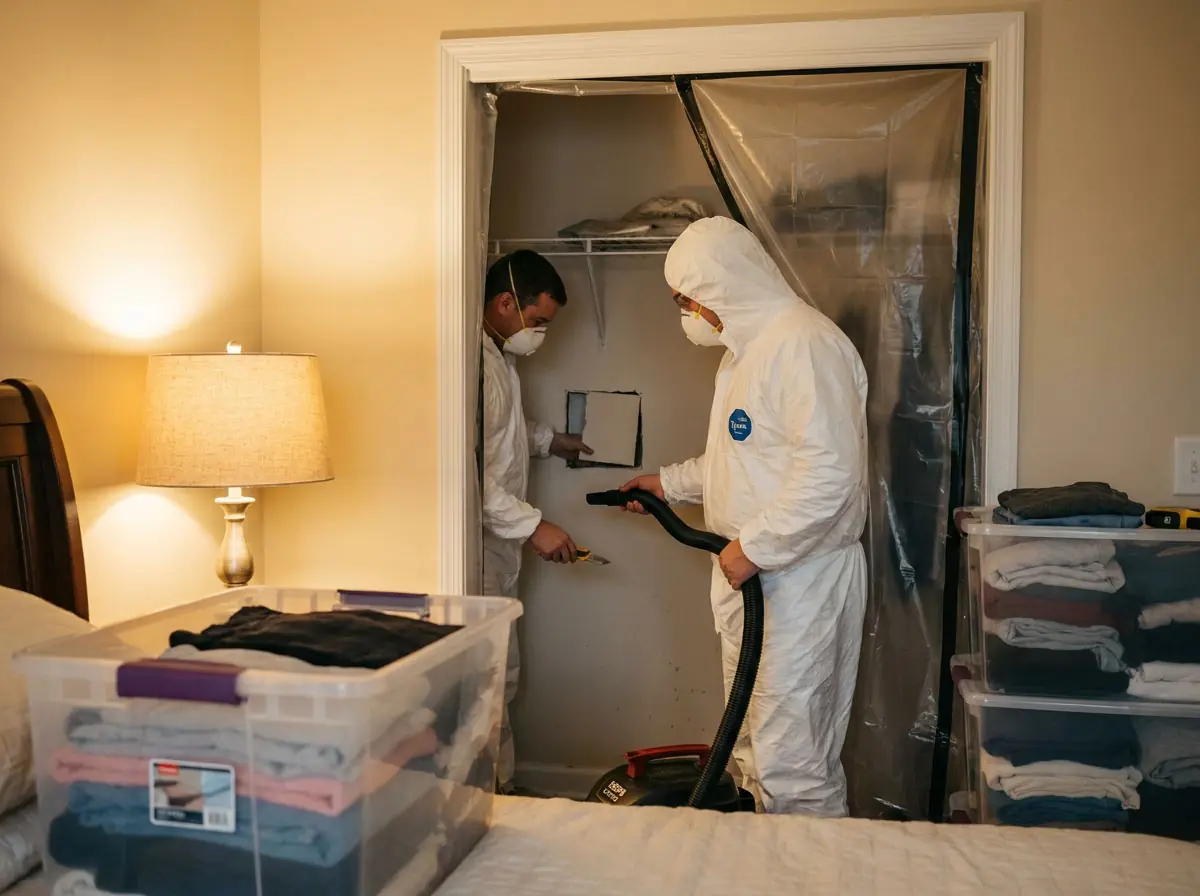
Immediate Triage: Stopping the Water Source and Removing Excess Moisture
The moment you see standing water, you are in a race against the clock. Your first job is not to save the wood, but to cut off the supply. Locate the main shut-off valve for your home or the specific fixture causing the mess and kill the flow immediately.
Once the water stops, switch your focus to the surface. You need to pull that moisture off the floor before it has the chance to soak deep into the grain. Every minute the water sits, the wood fibers expand and lock in damage that becomes irreversible.
Here is your emergency checklist for the first few minutes:
- Clear the area of furniture to expose the wet wood.
- Use a wet-dry shop vacuum to suck up every drop of standing liquid.
- Wipe down the surface with towels or microfiber cloths until no visible puddles remain.
- Do not turn on your HVAC system if the water came from a pipe leak inside the vents, as this will spread mold spores.
Avoid the temptation to blast your floor with heat. While you might want to dry it out fast, excessive heat will cause the wood to split or crack as it shrinks too rapidly. Keep the room ventilated with floor fans pointed across the surface rather than directly at the planks, and get ready for a professional extraction team to arrive.
The Critical 48-Hour Window: Why Professional Extraction Prevents Permanent Buckling
When water hits hardwood, it acts like a sponge. You have a very tight window, typically 48 hours, before the wood fibers swell beyond their breaking point. If you miss this window, the moisture migrates deep into the subfloor, leading to permanent warping, mold growth, and costly structural decay.
Professional extraction is not just about mopping up what you can see. We use industrial-grade vacuums and high-pressure extraction systems to pull moisture out from the seams where traditional tools cannot reach. This stops the wood from absorbing enough water to trigger the cupping process.
Here is what happens inside your floors during that first 48-hour stretch:
- 0-12 Hours: Surface water seeps into the finish and starts penetrating the joints.
- 12-24 Hours: Individual boards begin to expand, creating internal pressure that pushes against adjacent planks.
- 24-48 Hours: The wood reaches a saturation point, causing the tell-tale cupping or crowning effect.
- 48+ Hours: The moisture settles into the subfloor, significantly increasing the risk of mold and structural damage.
Speed is your best friend when dealing with West Covina humidity and water leaks. Relying on fans or space heaters often traps moisture inside the wood cells rather than removing it. You need specialized equipment that creates a controlled environment, forcing evaporation to occur safely and efficiently before the wood fibers warp permanently.
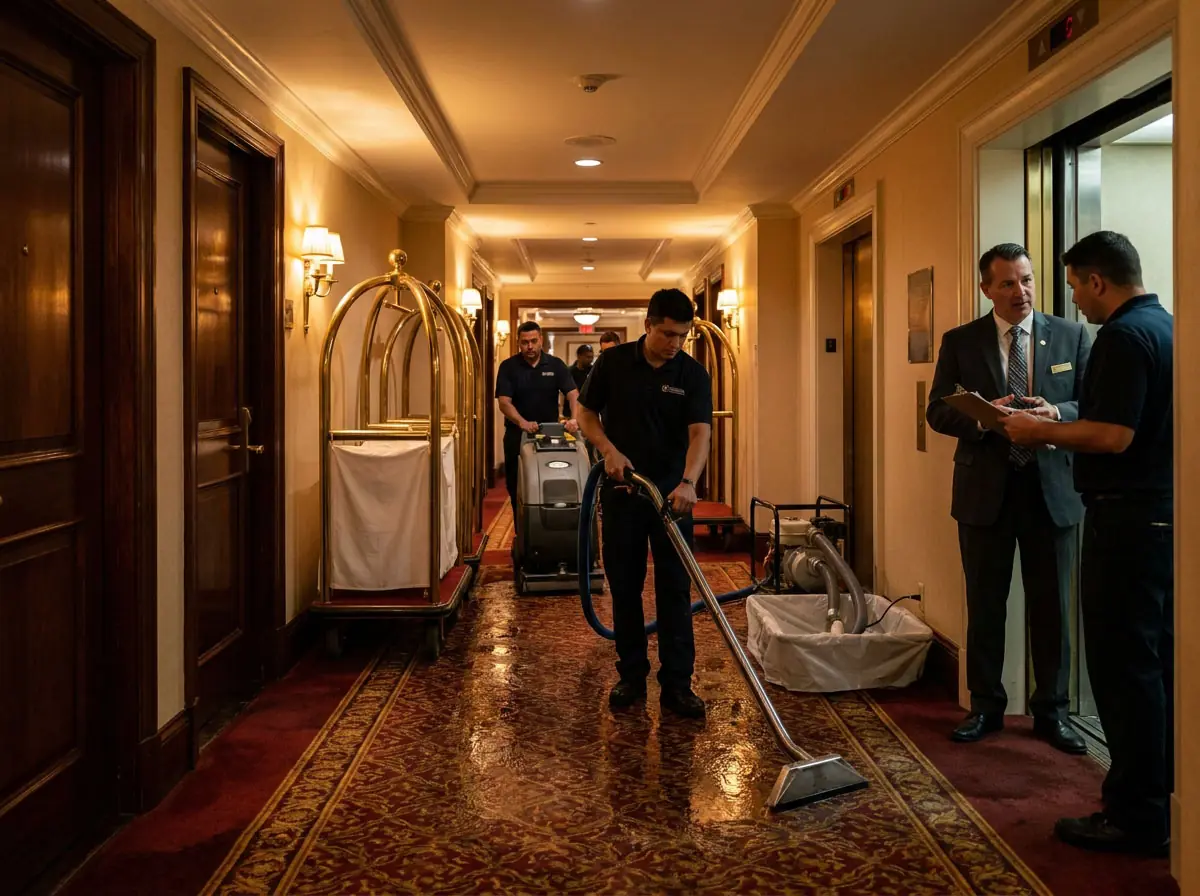
Drying Mechanics: How Professional Dehumidification Restores Structural Integrity
Most folks think a floor is dry once the surface feels tacky to the touch. That is a dangerous mistake. Wood is porous, meaning it acts like a sponge that drinks moisture deep into its cellular structure.
Professional drying goes beyond just mopping up puddles. We deploy high-grade dehumidification systems that pull moisture vapor directly out of the wood grain. This forces the boards to release trapped water before they start to warp or grow mold.
The Science of Professional Drying
You cannot just put a box fan in the corner and call it a day. If you force the wood to dry too fast, it will split. If you let it stay wet, it rots. We use a controlled environment to ensure your floor settles back into place without losing its character.
- Targeted Airflow: We use specialized air movers to create a "vortex" that lifts moisture off the surface.
- Refrigerant Dehumidifiers: These machines act like industrial-strength sponges, pulling gallons of water out of the air 24/7.
- Moisture Mapping: Our technicians use precision moisture meters to track exactly how deep the water has traveled into your subfloor.
This process is about creating a balanced environment. By lowering the humidity levels in the entire room, the wood is forced to give up its internal water content gradually. This careful restoration process is the only way to avoid the expense of tearing out your beautiful hardwood.
Assessing Damage vs. Salvage: A Table Breakdown of Floor Conditions and Restoration Outcomes
Not all water damage is a death sentence for your hardwood. We need to look at the physical state of the planks to see if we are dealing with a simple fix or a full gut job.
| Floor Condition | Severity | Likely Outcome |
|---|---|---|
| Slight surface cupping | Low | Restoration possible |
| Visible mold growth | Medium | Professional cleaning required |
| Deep board warping | High | Partial replacement needed |
| Subfloor saturation | Critical | Full replacement likely |
If you see cupping, where the edges of the boards are higher than the center, there is still hope. This often happens when the bottom of the wood absorbs moisture while the top remains dry.
However, if the wood has crowned, where the center of the board is higher than the edges, the damage is usually deep. This typically occurs when the boards were dried too quickly or installed without enough room to expand.
Key Indicators of Irreparable Damage
You should assume a replacement is necessary if you notice these specific signs:
- The wood feels soft or spongy when you walk on it.
- You detect a persistent, musty odor that persists after drying.
- Significant gaps have formed between the boards that do not close after humidity drops.
- The finish has completely delaminated or cracked across the entire floor surface.
When in doubt, get a moisture meter reading. If the moisture content is substantially higher than the surrounding environment, the wood is essentially a sponge waiting to rot.
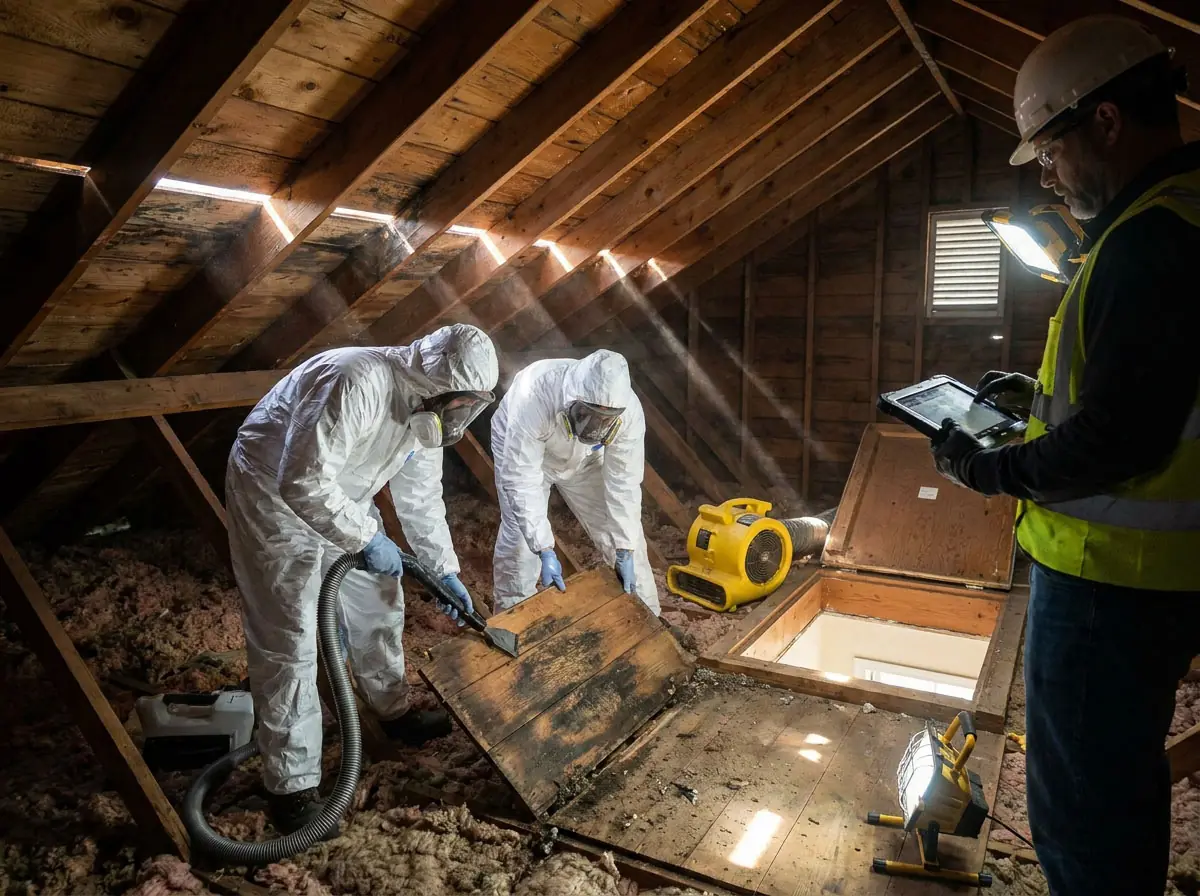
Case Study: Successfully Restoring Heritage Oak Floors in a West Covina Residence
Last year, a homeowner in a historic West Covina neighborhood faced a midnight disaster when a supply line burst in the kitchen. The water seeped across the original 1950s oak planks, causing immediate cupping and dark stains.
Most contractors would have demanded a full demolition, but our team knew the history of these floors was worth the fight. We deployed specialized drying panels and high-capacity dehumidifiers to pull moisture out of the wood grain before it could permanently distort the structure.
Here is how we turned the situation around:
- Phase 1: Immediate extraction of surface water to prevent deeper penetration.
- Phase 2: Installation of floor drying systems that force warm air beneath the boards.
- Phase 3: Constant moisture content monitoring to ensure the wood stabilized without splitting.
After four days of controlled drying, the oak planks flattened completely. We finished the process by lightly sanding and applying a custom stain that matched the original finish, saving the homeowner thousands in replacement costs while preserving the character of their home.
Preventing Future Floor Failure: Long-Term Maintenance and Moisture Control Tips
Your hardwood floor is a living material that reacts to every change in your West Covina home environment. Once the restoration is complete, you must defend your floors against the two silent killers: humidity and standing liquid.
Start by keeping your indoor humidity levels between 35% and 55% year round. Invest in a reliable hygrometer to monitor your home so you can spot spikes before they warp your boards.
Proactive Defense Strategies
Simple habits go a long way in keeping your wood floors pristine for decades. Follow these habits to stay ahead of disaster:
- Place high-quality floor mats at every exterior door to catch debris and moisture before it hits the wood.
- Use felt pads on all furniture legs to prevent deep scratches that allow water to seep into the floor finish.
- Never use a wet mop to clean your floors; only use wood-specific cleaners and a lightly dampened microfiber cloth.
- Check your plumbing supply lines and dishwasher hoses once every six months to catch pinhole leaks before they turn into indoor floods.
If you see a spill, treat it like an emergency. Wood acts like a sponge, and even a small amount of liquid trapped in a seam can cause cupping or dark staining over time.
Keep a close eye on your baseboards and shoe molding as well. If you notice signs of gap separation or soft spots in the drywall near the floor, you might have a hidden leak inside your walls that requires immediate professional inspection.
Final Words
Your hardwood floors are the heart of your home, and seeing them damaged is a stressful experience. Remember that rapid response is the difference between a simple repair and a complete renovation.
If you find yourself staring at standing water, do not wait for the wood to warp further. For more expert advice, check out our dedicated section on Hardwood Floor Water Damage to see how we handle these emergencies.
Protect Your Investment
Taking care of your floors requires consistent attention to detail. Follow these simple rules to keep your wood healthy and long lasting:
- Check your kitchen appliances and sink lines every few months for slow leaks.
- Use felt pads under heavy furniture to prevent scratches that allow water to seep into the wood grain.
- Keep your home humidity levels steady, ideally between 35 and 55 percent, to prevent the wood from expanding or contracting.
Do not let a small pipe leak turn into a structural nightmare. By staying observant and calling in professional help early, you can keep your floors beautiful for decades to come.
People Also Ask
Can hardwood floors be saved after being soaked in water?
Yes, hardwood floors can often be salvaged if the water is removed quickly and professional drying techniques are applied. The success depends largely on the duration of exposure and the type of wood species involved.How long does it take for hardwood to buckle after water exposure?
Buckling or cupping can begin as early as 48 hours after water exposure as the wood absorbs moisture and expands. Quick intervention is critical to preventing permanent structural warping that may require complete floor replacement.What should I do immediately if I discover water on my wood floors?
You should stop the water source, soak up standing liquid with towels, and contact a professional restoration service immediately. According to the EPA guidelines, moisture control is the most important factor in preventing mold growth in your home.Does homeowners insurance in West Covina cover floor water damage?
Coverage typically depends on whether the damage resulted from a sudden accident like a burst pipe or long-term neglect. You should review your specific policy documents or consult with your agent to understand your local coverage limitations.Is it necessary to remove floorboards to dry underneath them?
Professional restoration teams often use specialized moisture meters to determine if water has trapped underneath the boards. If subfloor saturation is detected, drying equipment may need to be positioned specifically to reach those hidden areas without removing every board.Need Water Damage Restoration Services?
We provide rapid water damage restoration services in West Covina and surrounding communities to restore your property immediately. (91790, 91791, 91792, 91744)
Request Price Estimate