
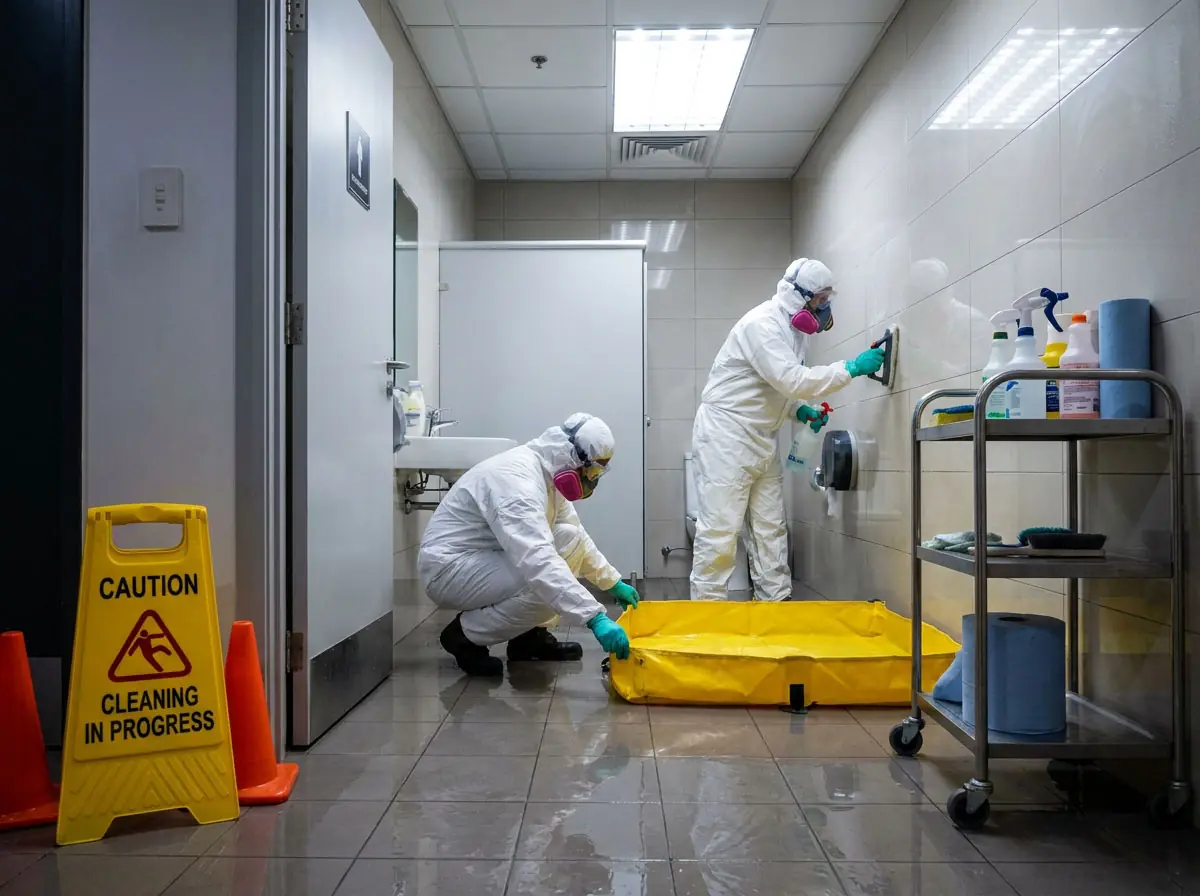


⚡ TL;DR: This informative guide helps Warner Robins residents understand the health risks of contaminated water and outlines essential steps for safe, professional sewage backup cleanup in your home.
📋 What You’ll Learn
Dealing with a sewage backup in your Warner Robins home is an overwhelming emergency. This guide provides essential safety protocols and expert insights to protect your property and your family health.
- Recognize hidden biological health risks associated with sewage exposure, helping you understand why immediate containment is necessary to prevent dangerous pathogens from settling into your home environment.
- Avoid common cleanup mistakes that frequently turn a small, contained basement leak into a massive structural disaster, costing homeowners thousands of dollars in unnecessary secondary repair expenses.
- Identify local infrastructure failure points that contribute to frequent backups across Warner Robins, empowering you to better assess your home risks and take proactive preventative maintenance steps.
- Implement professional emergency protocols to minimize property contamination effectively, ensuring your living space remains as safe as possible while you coordinate with specialized local restoration cleaning crews.
📖 Reading time: 7 min
✍️ Author expertise: Certified water damage restoration expert with fifteen years of local field cleanup experience.
You wake up to a smell that hits you like a physical wall, only to find your basement floor covered in a vile, murky soup. That is not just dirty water; it is a biohazard cocktail teeming with bacteria, viruses, and parasites that can turn your home into a danger zone overnight.
Most homeowners in Warner Robins make the fatal mistake of grabbing a mop and a bucket, thinking they can clean it up themselves. Doing that puts your family, your pets, and your long-term health at serious risk.
If you have raw sewage sitting in your living space right now, you need to understand exactly what you are up against and why waiting even an hour is a gamble you cannot afford to lose.
The Silent Pathogens: Why Sewage Exposure Triggers Immediate Health Crises
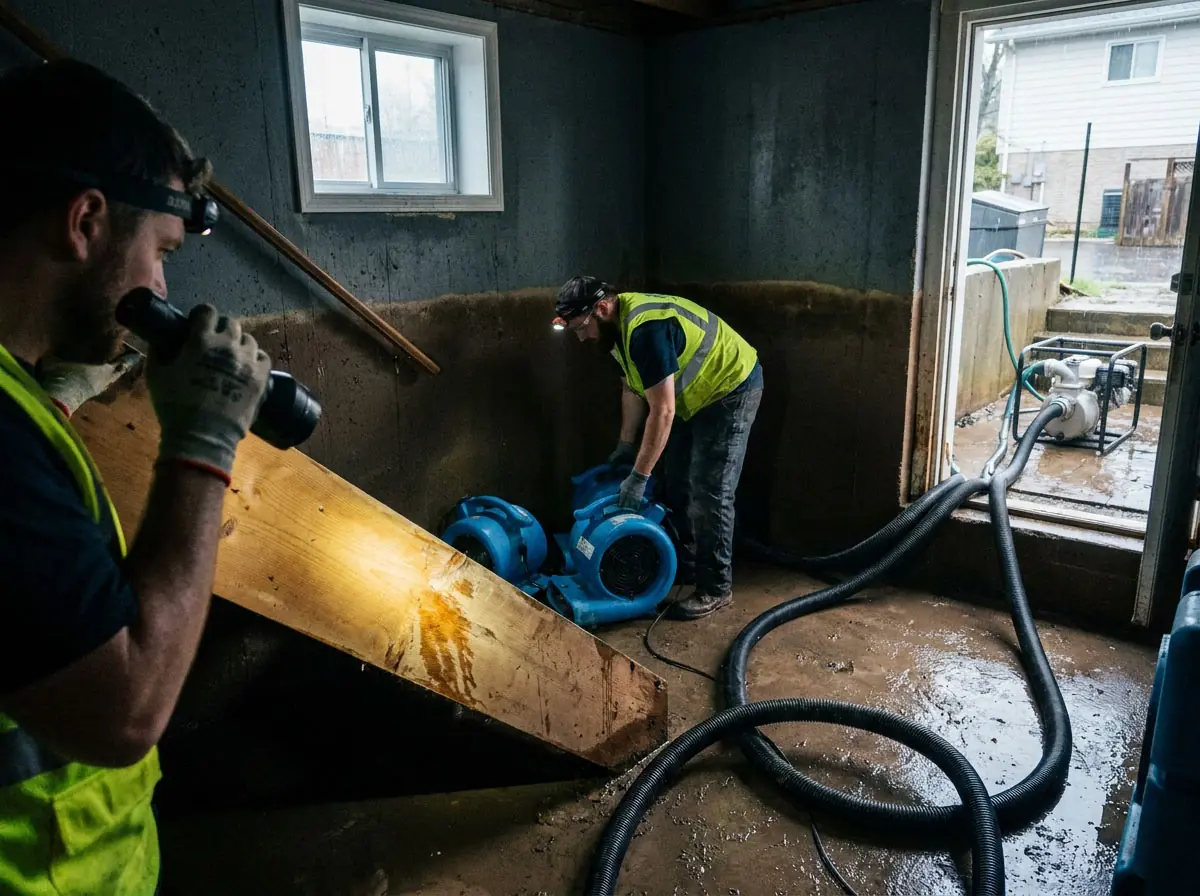
When raw sewage infiltrates your Warner Robins home, you are not just dealing with a messy floor. You are dealing with Category 3 water, the most dangerous classification in the restoration industry, which is essentially liquid filth.
This mixture contains a concentrated blend of pathogens that can infect you through simple skin contact or by breathing in the aerosolized particles. These biological threats do not wait for an invitation to compromise your immune system.
The primary health risks hiding in that murky water include:
- E. coli and Salmonella: Bacterial invaders that cause severe gastrointestinal distress and rapid dehydration.
- Hepatitis A: A viral infection that targets your liver through contaminated surfaces.
- Giardia and Cryptosporidium: Microscopic parasites that cause chronic digestive illness.
- Tetanus: A serious threat if you have any open cuts or scrapes on your feet or hands while touching contaminated items.
You might think that standard household cleaners or a quick wipe down will fix the issue. The reality is that porous materials like carpeting, drywall, and insulation act like sponges, locking these bacteria deep inside your walls and subfloor.
If you leave these materials in place, you are essentially providing a breeding ground for mold and toxic colonies. Your home needs professional sanitization, not just a surface scrub, to stop these pathogens from becoming a permanent part of your living environment.
Critical Mistakes That Turn a Minor Leak Into a Structural Disaster
Homeowners often try to play the hero when disaster strikes, but this is exactly how a manageable plumbing issue morphs into a permanent structural wreck. When you grab a household mop or a standard shop vacuum, you are not cleaning the area; you are spreading microscopic pathogens deeper into your flooring, baseboards, and drywall. These porous materials act like giant sponges, soaking up hazardous waste and locking it into the very bones of your house.
Trying to tackle this solo usually leads to these common, high-stakes errors:
- Using standard fans to dry out the area, which merely aerosolizes bacteria and launches them into your HVAC system.
- Ignoring the subfloor, which allows moisture to settle and cultivate toxic mold colonies beneath your feet.
- Failing to use industrial-grade biocides, leaving invisible contaminants behind to flourish in the damp dark.
Your property in Warner Robins is built to withstand local weather, not an indoor septic catastrophe. If you leave moisture trapped behind your walls or under your floorboards for more than 48 hours, you are practically inviting rot and structural failure to move in. Professional remediation goes beyond the visible mess; it involves drying out the hidden structural cavities that your eyes cannot even see.
Identifying the Source: Common Causes of Sewage Backups in Warner Robins Infrastructure
Living in Warner Robins means dealing with aging municipal infrastructure and specific environmental pressures that can compromise your home plumbing. When sewage backs up, it is rarely a random accident; it is usually the result of a system under stress.
Most residents face these common culprits:
- Aging sewer lines that have developed cracks or collapsed under the weight of shifting Georgia soil.
- Tree root intrusion, where thirsty roots seek out moisture inside pipes, eventually crushing or blocking the line entirely.
- Blockages from grease and debris, which accumulate over time and create a concrete-like plug in the main lateral line.
- Heavy rainfall events that overwhelm the city storm drains and force excess water backward into residential sewage systems.
The local plumbing system is only as strong as its weakest point. If you live in an older neighborhood, your pipes are likely made of clay or orangeburg, materials that simply cannot withstand modern usage or environmental shifts. Even if you maintain your drains, external pressure from municipal infrastructure failures can send raw waste into your basement without warning.
Do not wait for a major failure to act. If you notice slow drains or gurgling sounds in your toilets, the system is already signaling a blockage. Ignoring these warning signs is a direct path to a full-scale sewage disaster that requires professional intervention.
Emergency Response Protocol: Step-by-Step Actions to Minimize Property Contamination
When sewage hits your floor, you are in a race against time. Every minute that moisture sits, it soaks deeper into your drywall, floorboards, and subfloor, turning a simple cleanup into a major structural rebuild. You must act fast, but you must act safely to protect your health.
Your absolute first priority is safety. If you see water near electrical outlets or appliances, do not step into the room. Cut the power to the affected area at your main breaker box if it is in a dry location. If the breaker is already underwater, leave the house immediately and call a professional crew.
- Clear the area: Get pets and family members out of the house. Do not let children or pets near the contaminated zone.
- Stop the flow: If you know where your main water shutoff valve is, turn it off. This prevents more water from entering the sewer lines.
- Ventilate carefully: Open windows only if they are not in the contaminated space. Do not turn on central heating or air conditioning, as this will spread airborne pathogens throughout your entire duct system.
- Avoid contact: Do not try to salvage items that have absorbed the water. Porous materials like carpet, padding, and drywall are usually total losses once they meet raw sewage.
Once you have secured the area and cleared the family, call for professional restoration experts. Our team in Warner Robins uses industrial grade extractors and antimicrobial agents that you simply cannot buy at a local hardware store. Attempting to manage this with household cleaning supplies is a mistake that leaves dangerous bacteria behind, hidden deep in your home structure where it will grow mold and cause respiratory issues for years.

Case Study: Mitigating Severe Basement Contamination in a Warner Robins Residence
We recently stepped into a home near Robins Air Force Base where a mainline blockage caused raw sewage to geyser up through the basement floor drains. The homeowner had already spent four hours trying to scrub the concrete, unknowingly tracking pathogens into the living areas upstairs.
When our team arrived, the air was toxic and the porous materials in the basement were already beginning to wick the contaminated liquid into the walls. By attempting a DIY cleanup, the resident had unintentionally spread the microbial nightmare across 500 square feet of finished living space.
Our emergency response team moved fast to halt the spread of the damage. We followed a strict protocol to isolate the contamination and prevent cross-contamination into the home's ventilation system:
- Established a containment barrier using heavy-duty plastic sheeting.
- Utilized industrial-grade HEPA air scrubbers to trap airborne sewage particulates.
- Applied EPA-registered antimicrobial treatments to neutralize bacteria before removal.
- Physically removed all water-damaged drywall, baseboards, and carpet padding that could not be saved.
Without this rapid intervention, the hidden moisture behind the walls would have triggered a severe mold infestation within 48 hours. By treating the area as a biohazard zone rather than a simple mess, we successfully remediated the home and made it safe for the family to occupy again within a week.
Hazard Assessment Table: Evaluating Risk Levels and Professional Cleanup Requirements
Not all sewage intrusions are created equal. Depending on the source and the extent of the infiltration, the level of biohazard exposure varies significantly from a manageable pipe drip to a full-scale residential contamination event.
| Category | Source Description | Health Risk | Professional Action |
|---|---|---|---|
| Category 1 | Clean supply line leak | Low | Water extraction/drying |
| Category 2 | Gray water from appliances | Moderate | Sanitization required |
| Category 3 | Black water from sewer | Extreme | Full biohazard remediation |
The Category 3 black water events found in many Warner Robins basements contain pathogens that are invisible to the naked eye. Once porous materials like carpeting, drywall, or insulation touch this liquid, they become toxic sponges that cannot be saved by store-bought chemicals.
Signs You Need Immediate Professional Help
You might think a quick wipe-down is enough, but specialized remediation is non-negotiable when dealing with Category 3 events. Look for these red flags that indicate you are in way over your head:
- The smell persists even after the visible liquid is removed.
- The backup originated from a toilet or an outdoor sewer main.
- Water has wicked up into your baseboards or wall cavities.
- Visible mold growth appears within 24 to 48 hours.
Attempting to fix these issues with standard household cleaners only spreads the bacteria further across your floorboards. Professional restoration teams use industrial-grade disinfectants and HEPA-filtered air scrubbers to neutralize the air quality. Your home must be returned to a sterile state, or your family remains at risk for chronic respiratory issues and infections.
Final Words
When raw sewage invades your home, every minute you wait allows toxins to seep deeper into your flooring, drywall, and subfloor. This isn't a DIY weekend project, and it certainly isn't the time to test your grit with a household cleaner.
Professional Sewage Backup Cleanup requires industrial-grade sanitization and specialized extraction tools that the average hardware store simply doesn't carry. You are dealing with biological contaminants that can trigger chronic respiratory issues or severe infections if not handled with precision.
Here is exactly what happens when you decide to take control of the situation by calling in the pros:
- We immediately stop the cross-contamination by creating containment zones.
- We remove porous materials that have become irreversible biohazards.
- We use high-heat, EPA-registered antimicrobial treatments to kill pathogens on contact.
- We verify the structural integrity of your home to prevent future mold growth.
Do not let a temporary plumbing failure turn into a permanent health hazard for your children or pets. Contact a certified restoration team the moment you detect a foul odor or see standing wastewater in your home.
Speed is your greatest ally when it comes to property damage. Secure your environment today and let the experts handle the dirty work so you can get back to living in a clean, safe space.
People Also Ask
Is sewage backup covered by standard homeowners insurance in Georgia?
Most standard homeowners policies exclude damage caused by sewer backups unless you have added a specific endorsement to your policy. We recommend reviewing your current coverage details with your agent to ensure you are protected against unexpected insurance gaps.How quickly should I begin sewage cleanup in my home?
You should contact a professional restoration team immediately because sewage contains pathogens that can cause severe illness within hours. The faster the area is disinfected and dried, the lower the risk of permanent structural damage and mold growth.What are the primary signs of a main sewer line blockage?
Common warning signs include multiple slow drains, gurgling sounds coming from your toilets, or foul odors emanating from your basement or floor drains. If you notice these symptoms in your Warner Robins home, avoid using water and call a professional to inspect the lines before a backup occurs.Can I clean up a sewage spill by myself?
It is strongly advised against attempting to clean up sewage on your own due to the high levels of bacteria, viruses, and parasites present in the waste. Professionals use specialized personal protective equipment and industrial grade sanitizing agents to safely restore your property to a habitable state.What makes sewage contamination in Warner Robins basements particularly dangerous?
Many basements in this region are prone to high humidity, which accelerates the growth of bacteria and toxic mold once sewage enters the space. Porous materials like drywall and carpet absorb these contaminants rapidly, often requiring professional removal to ensure the home remains safe for your family.Need Water Damage Restoration Services?
We provide rapid water damage restoration to restore your property in Warner Robins and surrounding areas. Our team arrives quickly to extract water and prevent further damage to your home or business (31088, 31093, 31098, 31047).
Request Price Estimate