
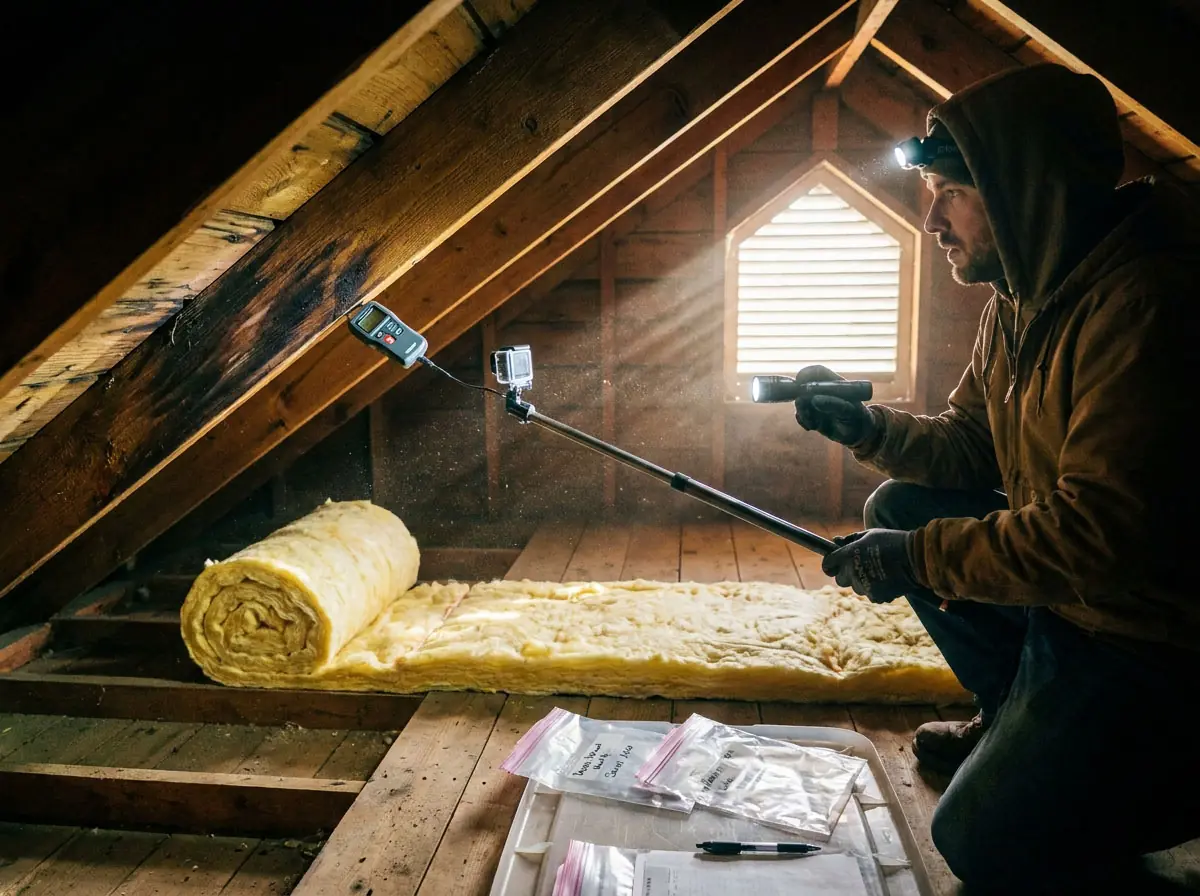


⚡ TL;DR: This guide provides Warner Robins homeowners with essential strategies to identify, mitigate, and repair hardwood floor water damage while offering practical advice for protecting your floors against humidity.
📋 What You’ll Learn
Discover how to protect your Warner Robins home from hardwood floor water damage through proactive mitigation, expert restoration techniques, and effective moisture control strategies tailored for our unique Georgia climate.
- Execute emergency response tactics to stabilize your flooring within the critical first twenty four hours, preventing permanent warping and structural decay caused by unexpected pipe bursts or floods.
- Detect hidden moisture patterns using advanced diagnostic tools that go beyond simple visual inspections to uncover trapped water lurking beneath your subfloor and finish boards.
- Implement professional restoration methods including industrial grade dehumidification and specialized sanding techniques designed to restore the natural beauty of your hardwood without requiring a total replacement.
- Prevent future humidity damage by applying proven maintenance tips specifically developed for homeowners living in the high humidity environment found throughout the central Georgia region.
📖 Reading time: 7 min
✍️ Author expertise: Local water damage specialist with years of floor restoration experience in Warner Robins.
You wake up to the sound of a slow drip in the kitchen, only to find your beautiful hardwood floors buckling and turning an ugly shade of black. In a humid climate like Warner Robins, a small leak can turn into a structural nightmare before your morning coffee is even finished.
Most homeowners assume a little moisture will just dry out on its own, but that is a dangerous gamble that usually ends in an expensive full-floor replacement. Moisture trapped beneath those planks acts like a silent wrecking ball, warping your investment and inviting toxic mold growth into your subfloor.
The difference between salvaging your floors and losing them comes down to how fast you act within the first few hours of discovery. Read on to discover the exact steps you need to take right now to stop the damage and protect your home from long-term ruin.

Immediate Emergency Mitigation: The Critical First 24 Hours
When you spot standing water on your hardwood, seconds matter. You are currently in a race against the clock because wood acts like a sponge, rapidly absorbing liquid and swelling until it permanently warps.
Your first move is to cut off the source of the water immediately. If a pipe burst or a supply line failed, locate the main shutoff valve and turn it off right now.
Do not waste time waiting for the wood to dry on its own. Instead, follow these priority steps to limit the carnage:
- Clear the area of all furniture and rugs to stop further moisture transfer.
- Use a wet-vac or towels to extract as much standing water from the surface as possible.
- Do not try to blast the room with heat, as rapid drying causes the wood to crack and split further.
- Ensure you turn on fans and circulate air, but keep the humidity levels controlled if your HVAC is operational.
Contact a professional restoration team immediately to begin industrial-grade water extraction. Professionals use moisture meters that see through the surface to measure exactly how deep the saturation has gone.
Attempting a DIY fix with simple household fans often leaves hidden pockets of water trapped under the planks. This is where mold begins to thrive, creating a health hazard that turns a simple floor repair into a total home remediation project.
Detecting Hidden Moisture: Why Visual Cues Are Only Half the Battle
You might think that if your floors look flat, they are safe. That is a dangerous assumption. Water is a master of disguise; it seeps through board gaps and hides in the dark, cool space between your hardwood and the subfloor.
By the time you see visible warping or discoloration, the wood has already absorbed enough moisture to trigger microbial growth. You are not just dealing with wet wood anymore; you are looking at a potential mold colony brewing right under your feet.
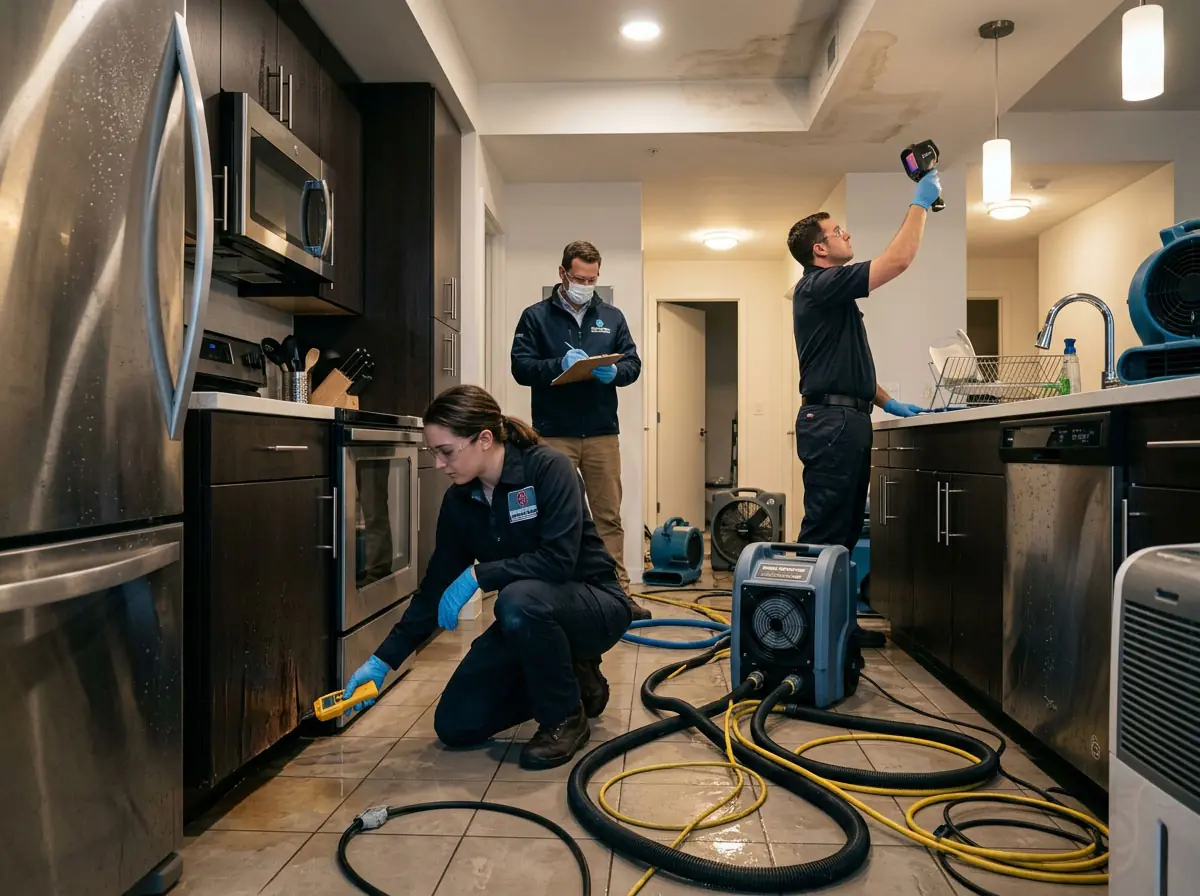
Professional restoration teams do not rely on eyes alone. We use high-end moisture meters and thermal imaging cameras to track liquid trails that you simply cannot feel or see. This allows us to map the damage with precision, ensuring we do not miss the "blind spots" where rot sets in.
Common signs of moisture you might miss:
- A musty or earthy odor lingering in the room after the surface water is gone.
- Floorboards that feel slightly spongy or soft when you walk over them.
- Increased humidity levels in one specific corner of the house.
- Peeling finish or dark, cloudy patches appearing under the varnish.
Do not wait for your floor to cup or crown before calling for help. If you have had a spill or a leak, assume the water has traveled further than you think. Getting a professional assessment immediately is the cheapest insurance policy for your home.

Professional Restoration Techniques: From Industrial Dehumidification to Sanding
When you call in pros, we do not just wipe up the mess. We use industrial-grade dehumidifiers and specialized air movers to pull moisture out of the subfloor that you cannot even see. This process stops the wood from continuing to swell and prevents mold from setting up shop in your home.
Our goal is to stabilize the environment before we touch the wood. If we try to fix the boards while they are still holding massive amounts of water, they will just crack or cup again later. We monitor the moisture content with precision sensors to ensure the floor is truly dry.
The Core Restoration Stages
Once the moisture is under control, the real work of restoring the floor surface begins. We follow a strict protocol to bring your wood back to its original glory:
- Deep Extraction: Using suction equipment to pull trapped water from underneath the planks.
- Equilibrium Stabilization: Running high-capacity drying units for several days until the moisture levels match the surrounding room air.
- Sanding and Resurfacing: Carefully removing the damaged finish to level out cupped boards and restore the smooth appearance.
- Refinishing: Applying high-quality stains or sealants that protect your wood against Georgia's intense humidity moving forward.
Some historic oak floors require a delicate touch during the sanding phase. If we go too deep, we destroy the character of the wood. We focus on targeted sanding to keep as much of your original material as possible while erasing the signs of the leak.
Warning Signs and Recovery Timeline: A Reference Table for Homeowners
When water strikes, your floors start talking to you. You need to listen closely because the damage is often moving faster than your eyes can see.
Look for these telltale indicators of moisture trapped beneath your hardwood:
- The planks appear cupped or raised at the edges.
- You notice a persistent, musty odor that will not go away.
- The finish begins to cloud or flake off.
- You see dark stains spreading through the wood grain.
| Phase | Timeframe | Action Required |
|---|---|---|
| Initial Contact | 0 to 24 Hours | Call a professional and remove standing water. |
| Absorption | 24 to 72 Hours | Start industrial dehumidification immediately. |
| Structural Shift | 3 to 7 Days | Monitor moisture levels in the subfloor. |
| Restoration | 1 to 3 Weeks | Evaluate sanding and refinishing options. |
The timeline for recovery is tight, especially in the humid Georgia air. If you wait more than three days, the wood fibers can permanently expand, making the boards impossible to flatten.
We see far too many homeowners try to wait it out, hoping the wood will just settle. Do not fall for that trap. Wood is like a sponge; if you do not pull the moisture out with high-grade equipment, you are just waiting for mold to take root.
Rescuing Historic Oak Floors in a Warner Robins Colonial
We recently took on a project involving a historic Colonial home near the heart of Warner Robins. A burst pipe in an upstairs bathroom had sent water cascading through the subfloor, soaking the original, wide-plank oak floors in the foyer.
The owner was ready to rip them out, fearing the warping and black staining meant the end of the line. However, we saw something different; the integrity of the wood was still there under the surface.
Our team used a targeted injection drying system to pull moisture from the subfloor without forcing the planks to lift. By keeping the humidity levels strictly controlled in the home, we allowed the wood to slowly return to its natural shape.
Key Success Factors for Historic Restoration
- Low-impact extraction: We avoided heavy machinery that would crush the delicate wood grain.
- Micro-ventilation: By creating small, discreet air paths, we moved moisture out without damaging the historic finish.
- Stabilization: We monitored the floor until it hit the exact moisture content matching the rest of the house.
The result was a total save. We avoided a costly, destructive floor replacement and kept the original character of the home intact. When you have high-quality materials, professional intervention is almost always cheaper than buying new wood that will never match the age and charm of the original.
Preventing Future Water Damage in Georgia’s Humid Climate
Living in Warner Robins means dealing with high humidity levels that act like a sponge for your floors. If your indoor environment remains consistently damp, your hardwood will naturally swell, contract, and eventually fail.
The trick is to control the air quality before the moisture settles into the wood grains. You have to be proactive about your home’s internal climate to keep those planks flat and sturdy.
Here are the most effective ways to defend your floors:
- Install a high-capacity dehumidifier to keep your home's relative humidity between 35 and 50 percent.
- Check your HVAC condensate lines regularly because a clogged drain is a leading cause of localized flooding.
- Apply a quality sealant or wax to your floors once a year to provide an extra layer of protection against spills.
- Use area rugs in high-traffic zones near kitchen sinks or bathrooms to catch droplets before they penetrate the floorboards.
Don't ignore the plumbing behind your walls or under your cabinets. Regular inspections of supply lines and dishwasher hoses can save you thousands of dollars in the long run.
If you see even a tiny bead of water, address it immediately. A few minutes of investigation today beats a full floor replacement tomorrow.
Final Words
Your hardwood floors are often the centerpiece of your home, and seeing them damaged by water is a gut-wrenching experience. While the clock is always ticking, you are not helpless against moisture.
By staying vigilant and knowing exactly when to call for backup, you stop a small leak from spiraling into a total disaster. Remember, the goal is to stop the spread of rot before it reaches your subfloor.
If you suspect water has migrated beneath your planks, don't wait for the wood to turn black or develop a funky smell. Check out our dedicated guide on Hardwood Floor Water Damage to see how we handle these high-stakes rescues in Warner Robins.
Three Golden Rules for Your Floors
- Stop the source immediately. Shut off the water line or patch the roof leak the second you spot it.
- Remove surface moisture fast. Use fans and dry rags, but keep in mind that air movement only addresses the top layer.
- Call in the pros. If you see cupping or crowning, you need specialized sensors that detect hidden moisture levels deep within the wood fibers.
Ignoring water damage is essentially choosing to replace your floor later. Take action today, keep those humidity levels in check, and protect your home from the Georgia climate.
People Also Ask
Can hardwood floors be saved after water damage?
Yes, hardwood floors can often be salvaged if professional drying begins immediately. Success depends on the amount of water exposure and how quickly the moisture is extracted from the wood and the subfloor.How long does it take for hardwood floors to warp from water?
Visible warping can start within 24 to 48 hours as the wood absorbs moisture and expands. Quick intervention is essential to prevent permanent damage to the structural integrity of the planks.Does homeowners insurance cover water damaged wood floors in Warner Robins?
Coverage typically depends on whether the damage resulted from a sudden accident like a burst pipe or long term neglect. You should consult the FEMA guidelines to understand your specific flood or water damage policy details.How do professionals dry wet hardwood floors?
Restoration experts use industrial grade dehumidifiers, specialized air movers, and moisture meters to pull water out of the wood and the subfloor. This process prevents mold growth and helps the flooring return to its original shape without needing a full replacement.Is it safe to live in a house with wet hardwood floors?
It is generally unsafe because wet wood promotes rapid mold growth that impacts your indoor air quality. You should have a professional assess the area for contamination risks before staying in the affected rooms.Need Water Damage Restoration Services?
We provide rapid water damage restoration to restore your property in Warner Robins and surrounding areas. Our team arrives quickly to extract water and prevent further damage to your home or business (31088, 31093, 31098, 31047).
Request Price Estimate