


⚡ TL;DR: This guide provides Visalia residents with essential strategies to manage hardwood floor water damage, helping you decide when professional restoration is needed to protect your home and investment.
📋 What You’ll Learn
If your Visalia home has suffered hardwood floor water damage, this guide provides essential strategies to protect your investment, minimize structural warping, and ensure a safe, successful restoration process for you.
- Identify immediate mitigation steps to prevent moisture from spreading throughout your subfloor, helping you stop secondary damage before it compromises the structural integrity of your valuable hardwood flooring materials.
- Evaluate the necessity of professional dehumidification as we explore why industrial-grade drying equipment is essential for removing deep moisture that common household fans and standard heaters simply cannot reach.
- Recognize signs of irreversible damage to determine exactly when your planks require full replacement versus professional sanding and refinishing to restore the original beauty of your living room floors.
- Master long-term prevention tactics tailored for the Visalia climate, ensuring you can protect your beautiful hardwood installations from future slab leaks, seasonal humidity changes, and unexpected indoor flooding events.
📖 Reading time: 8 min
✍️ Author expertise: Certified Visalia water damage technician with a decade of floor restoration field experience.
You wake up in your Visalia home, step out of bed, and feel that sickening, mushy give beneath your feet. Your heart sinks because you know exactly what is happening under those floorboards.
Water is the silent killer of hardwood. One leaky pipe or a single burst supply line can warp, rot, and ruin an investment that took years to pay off.
Panic won’t save your floors, but quick action and the right strategy just might. Here is how you stop the damage before your beautiful hardwood turns into a total loss.
Immediate Steps to Mitigate Moisture Migration
The moment you detect standing water on your hardwood, time is your greatest enemy. Wood is a porous, organic material that acts like a sponge, drawing moisture deep into its cellular structure before you can even spot the cupping.
Your first move must be to cut off the source of the water immediately. Shut off the main water valve to your home, or isolate the specific fixture causing the flooding to ensure no more liquid reaches your subfloor.
Once the flow stops, execute these rapid response actions to save your investment:
- Use a wet-dry vacuum or towels to pull up every drop of surface water. Do not wait for it to evaporate on its own.
- Clear the area of furniture, rugs, and heavy items to prevent trapped moisture from staining the finish or rotting the wood from below.
- Set up high-velocity fans to force air across the surface, but avoid aiming heat guns or hair dryers directly at the boards, as rapid heat causes the wood to crack and splinter.
Most homeowners make the fatal error of assuming that because the surface feels dry, the project is finished. Unfortunately, the water trapped between the planks and the subfloor is what leads to permanent mold growth and structural decay.
Keep the room ventilated, but understand that household fans are merely a band-aid. You need to stabilize the moisture content quickly before the boards permanently deform, which often happens in less than 24 hours.
The Critical Role of Professional Dehumidification and Drying
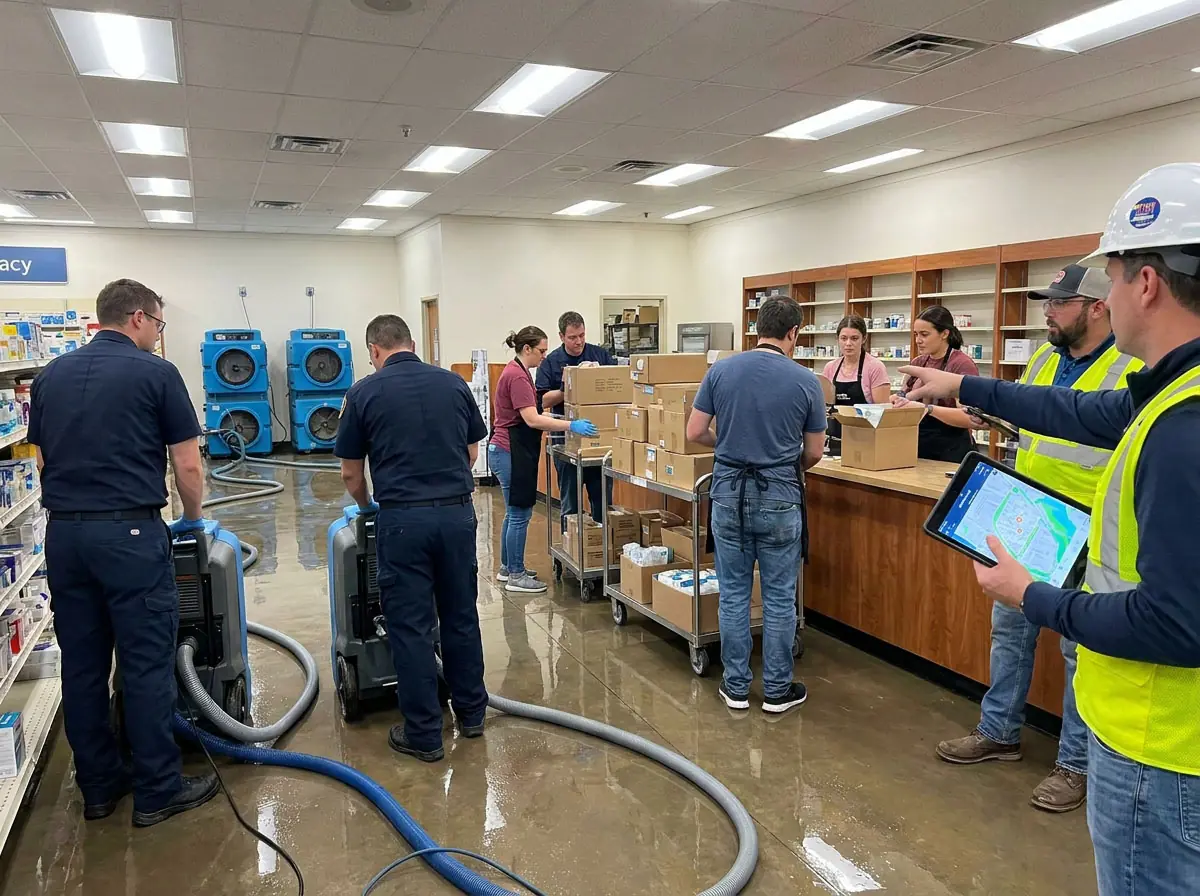
Most homeowners assume that running a household fan or opening a window is enough to dry out soaked floorboards. That is a dangerous mistake. Hardwood acts like a sponge, drawing moisture deep into the grain and the subfloor where air movement cannot reach. Professional-grade drying is about science, not just airflow.
We use industrial dehumidifiers and specialized moisture meters to pull water out of the wood at a controlled rate. If you dry the surface too fast, the boards will cup and split. If you leave them wet, mold sets in within forty-eight hours.
Why Standard Drying Fails
- Standard fans simply move humid air around the room.
- Store-bought dehumidifiers lack the power to pull moisture from deep within the wood fibers.
- Water trapped under the floorboards often causes hidden mold growth that spreads through your home's air.
Our goal is to reach a moisture equilibrium that matches your home’s natural environment. By monitoring the humidity levels beneath the floor, we ensure the wood shrinks back into place without losing its structural integrity. You need a team that tracks the exact moisture content to prove the area is truly safe for your family.

Identifying Irreversible Damage: When Replacement Becomes Necessary
Not every floor can be saved, and sometimes, the most expensive mistake is trying to rescue boards that are already dead. You need to look past the surface moisture and assess the structural integrity of the wood.
When the damage is deep, professional intervention can only do so much. Here are the clear red flags that indicate you are past the point of no return:
- Cupping and Crowning: If the edges of the boards are higher than the center or the boards have bowed significantly, the subfloor may be compromised.
- Black Staining: This is a sign of severe mold growth or oxidation. Once the stain penetrates the wood grain, it is usually impossible to sand out.
- Soft Spots: If your floor feels spongy when you walk on it, the wood fibers have physically broken down. This indicates advanced rot that poses a safety hazard.
- Separation Gaps: If you see wide gaps that have stayed open even after the drying process, the wood has permanently shrunk and lost its tongue and groove connection.
If you see these signs, attempting to patch the floor will only waste your time and budget. You are looking at a full replacement to prevent long-term mold issues that could spread to your walls and air ducts. It is always smarter to tear out a section now than to deal with a failing floor or a health crisis later.
Case Study: Restoring a Historic Visalia Bungalow After a Slab Leak
Last year, we helped a homeowner in the historic district manage a classic bungalow nightmare. A hidden slab leak had been slowly saturating the subfloor for weeks before the original white oak hardwood started to cup and buckle near the entryway.
Because the home featured antique craftsmanship, tearing it all out was not an option for the owner. We had to move fast to reverse the swelling before the wood fiber permanently fractured.
Here is how our crew executed the save:
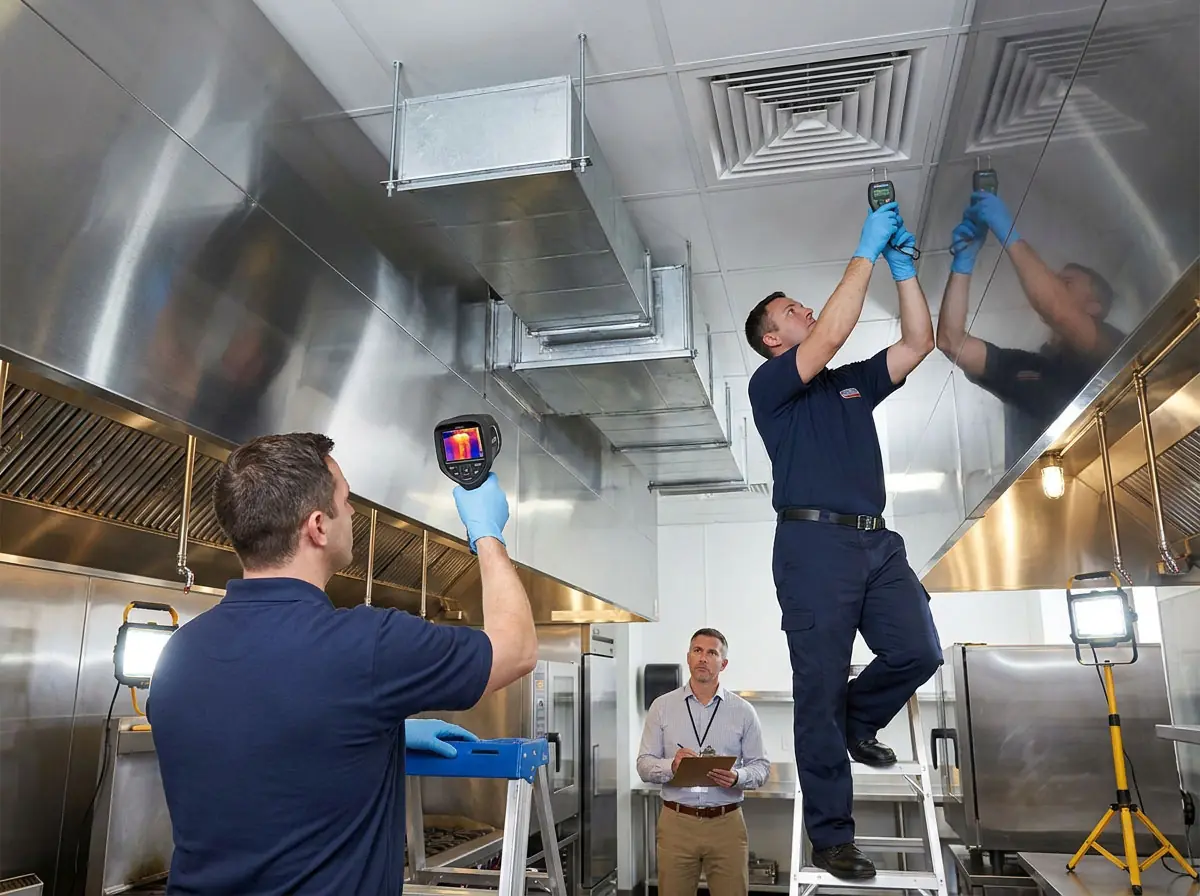
- We used thermal imaging to map exactly where the moisture had traveled beneath the planks.
- Instead of ripping out the floor, we deployed high-pressure drying mats to pull humidity directly through the finish.
- Our team monitored the moisture content daily until the wood returned to its natural equilibrium.
The result was a total success. By acting before the rot set in, we preserved the authentic character of the home while avoiding a costly full-floor demolition. It proves that even when you think the floors are a goner, professional intervention can often turn the tide in your favor.

Comparison of DIY Remediation Versus Professional Restoration Risks
You might be tempted to grab a shop vac and a couple of box fans to save a few bucks. Let’s be honest, that strategy is a gamble with your most expensive interior asset.
Wood is porous and sneaky. What you see on the surface is rarely the full story, as water often hides deep within the subfloor where amateur equipment cannot reach.
| Factor | DIY Approach | Professional Restoration |
|---|---|---|
| Moisture Detection | Surface level only | Deep moisture mapping |
| Equipment | Household fans | Industrial dehumidifiers |
| Mold Prevention | Often missed | Antimicrobial treatment |
| Insurance Claims | Likely denied | Fully documented |
When you attempt a DIY fix, you are usually just blowing air across the surface. This creates a false sense of security while mold spores quietly multiply inside the dark, damp crevices beneath the planks.
Professional restoration teams bring heavy duty desiccant dehumidifiers and high velocity air movers that pull moisture directly out of the wood fibers. By relying on scientific drying protocols, we ensure your floors return to their original moisture content safely.
The Real Costs of Getting it Wrong
Trying to patch this yourself often leads to expensive secondary damage. Here is why most Visalia homeowners eventually call in the pros anyway:
- Hidden structural rot remains undetected.
- Incorrect humidity levels lead to permanent warping or cupping.
- Improper drying voids your manufacturer warranty.
- DIY methods lack the documentation required by insurance adjusters for successful claims.
Think about the replacement cost of hardwood flooring in your entire living area. Taking shortcuts now might cost you five times as much in full floor replacement later.
Preventing Future Water Intrusion in California’s Climate
Visalia faces a unique set of challenges, from the sweltering dry summers to sudden, heavy winter rains. Protecting your hardwood requires a proactive mindset, not just a reactive one.
Start by inspecting the exterior of your home. Ensure your gutters and downspouts are clear of debris so water is directed far away from your foundation.
Check your irrigation system regularly as well. Sprinkler heads pointing directly at your siding are a frequent culprit for moisture creeping under your wall plates.
Routine Maintenance Checklist
- Inspect pipe connections under sinks and behind toilets every six months.
- Monitor your HVAC drain lines for clogs that could cause overflow.
- Verify your crawl space vents are unobstructed to allow proper airflow and prevent humidity buildup.
- Test your main water shut-off valve to ensure it actually turns in case of an emergency.
If you have an older home in the area, consider installing leak detection sensors near appliances and high-risk plumbing areas. These devices can alert your smartphone the second they detect moisture, allowing you to stop a disaster before a single board starts to cup.
Finally, keep a close eye on your indoor humidity levels during the wet season. Using a dehumidifier can keep your floor moisture content stable, preventing the constant expansion and contraction cycles that weaken the wood structure over time.
Final Words
When the moisture settles and your floors start to dry, the true test of your home's health begins. Hardwood is a living material that responds to the unique humidity levels found right here in the Central Valley.
If you have recently dealt with a leak, keep a close watch for secondary issues like cupping, crowning, or mold growth. Ignoring these small signs now often leads to massive structural repair bills later.
For those dealing with persistent issues, browse our full list of resources on Hardwood Floor Water Damage to understand how we tackle deep-seated moisture. You do not have to guess if your floor is truly dry.
The Reality of Professional Assessment
Testing for moisture requires more than a simple touch test or a visual scan of the surface. We use industrial-grade thermal imaging and hygrometers to look beneath the planks.
- Deep moisture readings that detect water hidden in the subfloor.
- Monitoring the wood's moisture content until it returns to an equilibrium with your home's ambient air.
- Identifying hidden mold colonies that thrive in dark, damp spaces between floorboards.
Your goal is to stop the cycle of decay before it permanently compromises the structural integrity of your home. A professional inspection offers the peace of mind that your investment is safe and your indoor air quality remains clean for your family.
People Also Ask
Can hardwood floors be saved after water damage?
Yes, hardwood floors can often be salvaged if professional drying begins within 24 to 48 hours. Quick intervention prevents permanent warping, cupping, and mold growth beneath the floorboards.How much does hardwood floor restoration cost in Visalia?
The cost varies based on the total square footage affected and the level of saturation in the subfloor. Generally, restoration is significantly more cost effective than a full floor replacement when moisture is addressed early.How do I know if there is mold under my hardwood floor?
Common signs include a musty odor, dark discoloration of the wood, or loose floorboards that feel soft underfoot. You can consult the EPA guide on moisture control to understand the health risks associated with hidden indoor mold.Does homeowners insurance cover water damaged floors?
Coverage depends on whether the damage resulted from a sudden event, like a burst pipe, or a slow leak over time. You should check your specific policy details, as most standard plans exclude damage caused by gradual seepage or lack of maintenance.Why is professional drying better than using fans?
Industrial grade dehumidifiers and air movers are designed to extract moisture from deep within the wood and subfloor structure. Relying solely on household fans often fails to reach the moisture trapped underneath, which leads to long term structural decay.Need Water Damage Restoration Services?
We provide rapid water damage restoration to restore your property in Visalia and surrounding communities. Our team arrives quickly to extract water and mitigate damage, securing your home or business (93277, 93291, 93292, 93647).
Request Price Estimate