

⚡ TL;DR: This guide provides essential information on managing sewage backup cleanup in Vancouver by outlining professional remediation steps, health safety protocols, and effective strategies for protecting your residential property.
📋 What You’ll Learn
Dealing with a sewage backup in Vancouver, WA is a stressful ordeal. This guide provides essential knowledge to help you safely manage contamination, protect your health, and restore your home effectively.
- Identify immediate health safety risks by learning why DIY cleanup is dangerous and how to keep your family protected from harmful bacteria and pathogens following a property sewage overflow.
- Analyze local Vancouver infrastructure vulnerabilities that cause recurring sewer line issues throughout the region so you can better understand why your specific neighborhood might be prone to sudden backups.
- Understand professional remediation safety standards which go far beyond simple surface scrubbing to ensure that your home is completely decontaminated and structurally sound after a major waste water incident.
- Prevent future property damage costs by implementing practical maintenance steps and long term solutions that safeguard your Vancouver home value against the common plumbing failures seen in our climate.
📖 Reading time: 8 min
✍️ Author expertise: Certified Vancouver water damage restoration specialist with over a decade of field remediation experience.
You wake up to the smell of rotten eggs, walk toward the bathroom, and realize the floor is turning into a toxic pond. It is not just a plumbing hiccup; it is a full-blown health hazard sitting in your living room.
Most Vancouver homeowners have no idea that raw sewage carries more than just an unbearable stench. It brings bacteria, parasites, and viruses that can turn your home into a danger zone in a matter of minutes.
Before you reach for a mop or start scrubbing, you need to know exactly why the standard cleanup routine will fail you. Keep reading to discover the steps that stop the contamination before it ruins your foundation and your health.

Immediate Health Risks and the Dangers of DIY Cleanup
The dark reality is that sewage backup is classified as Category 3 water, also known as black water. This is not simple drain water; it is a hazardous cocktail of raw waste, harmful bacteria, and pathogens that pose an immediate risk to your household.
When you attempt a DIY cleanup with standard household cleaners, you are merely moving bacteria around. You risk aerosolizing toxic particles that can settle in your lungs or skin, leading to severe illness.
Consider these non-negotiable health dangers lurking in that puddle:
- E. coli and Salmonella: Bacteria that cause violent gastrointestinal distress and long-term infection.
- Hepatitis A: A viral infection that survives on surfaces for extended periods.
- Parasites: Microscopic organisms that can survive standard scrubbing methods.
Many Vancouver homeowners make the fatal mistake of using a shop vacuum or a mop. These tools actually spread contamination into your HVAC vents, flooring materials, and baseboards.
If you disturb these areas without professional containment, you are turning a localized spill into a home-wide biohazard. Do not put your family at risk by assuming a bucket of bleach will solve a systemic contamination problem.
Why Vancouver’s Infrastructure Makes Sewage Backups More Likely
Living in Vancouver, WA means dealing with unique geographical and structural challenges that hit your pipes harder than other regions. Our city features a mix of aging municipal sewer lines and properties built on land with high water tables, which creates a perfect storm for backflow incidents.
When heavy rains slam the Pacific Northwest, the city system often reaches maximum capacity. This pressure forces wastewater backward through lateral lines and directly into residential basements.
Several local factors increase your risk profile:
- Older clay pipes in historic neighborhoods that are prone to root intrusion.
- The frequent heavy rainfall that saturates the soil and puts massive strain on sewer mains.
- Increased urban density that taxes outdated sewage systems designed for a much smaller population.
- Backwater valve neglect, leaving homes unprotected against municipal line surges.
You might think your plumbing is fine, but municipal infrastructure is often the hidden culprit. Tree roots from mature neighborhood oaks and maples are notorious for crushing old lines, creating blockages that act like dams. Once that blockage hits, the next heavy downpour turns your floor drain into a geyser of contaminated waste.

Professional Remediation Protocols: Beyond Surface Scrubbing
Most homeowners assume that a bottle of bleach and some paper towels can handle a sewage spill. This is a dangerous misconception that puts your family at risk of long term illness.
Professional cleanup is not about cleaning; it is about containment and decontamination. Our teams follow strict IICRC guidelines that focus on isolating the area to prevent cross contamination to the rest of your Vancouver home.
The Industrial Standard for Safety
We do not just wipe down floors. We deploy high capacity air scrubbers equipped with HEPA filters to pull microscopic pathogens out of the air you breathe. Without this, you are simply moving invisible bacteria from one room to the next.
Our process focuses on these critical steps:
- Setting up negative air pressure to ensure contaminated air stays inside the affected zone.
- Applying hospital grade botanical disinfectants that actually kill viruses rather than just masking the smell.
- Utilizing moisture sensors to identify hidden saturation behind baseboards or inside wall cavities.
- Removing porous materials like carpet and padding that can never be truly sanitized after contact with black water.
If you treat sewage like a simple plumbing clog, you leave behind mold and biohazards that will return to haunt you. We rely on industrial strength drying equipment to drop the humidity levels fast, which halts microbial growth in its tracks.
Categorizing Contamination Levels: A Reference Table for Homeowners
Not all sewage is created equal, and understanding the specific type of contamination in your Vancouver home is the difference between a minor scrub and a total loss of property. Experts classify water damage into categories based on the risk of pathogenic infection to your family.
| Category | Description | Risk Level |
|---|---|---|
| Category 1 | Clean water from broken pipes or supply lines. | Low |
| Category 2 | Grey water with chemical or physical contaminants. | Moderate |
| Category 3 | Black water containing raw sewage or pathogens. | Severe |
Category 3 water is the deadliest variety you can encounter. It includes water from toilet backups, sewer line failures, or flooding from local rivers that may contain feces, urine, and harmful bacteria like E. coli or salmonella.
If you suspect you are dealing with a Category 3 disaster, you must treat the area as a biohazard zone. Do not attempt to salvage porous materials like carpet, padding, or drywall, as these items act like sponges for toxic waste.
Why Classification Matters
Professional remediation teams use these categories to determine the exact strength of the antimicrobial agents needed to kill off microscopic threats. Treating a Category 3 mess as if it were a simple spill is how you end up with hidden mold growth six months down the line.
- Category 1 can often be dried out with fans and dehumidifiers.
- Category 2 requires deep cleaning and potential removal of affected flooring.
- Category 3 mandates immediate removal of all absorbent materials and professional disinfection.
Restoring a Historic Vancouver Property: A Sewage Cleanup Case Study
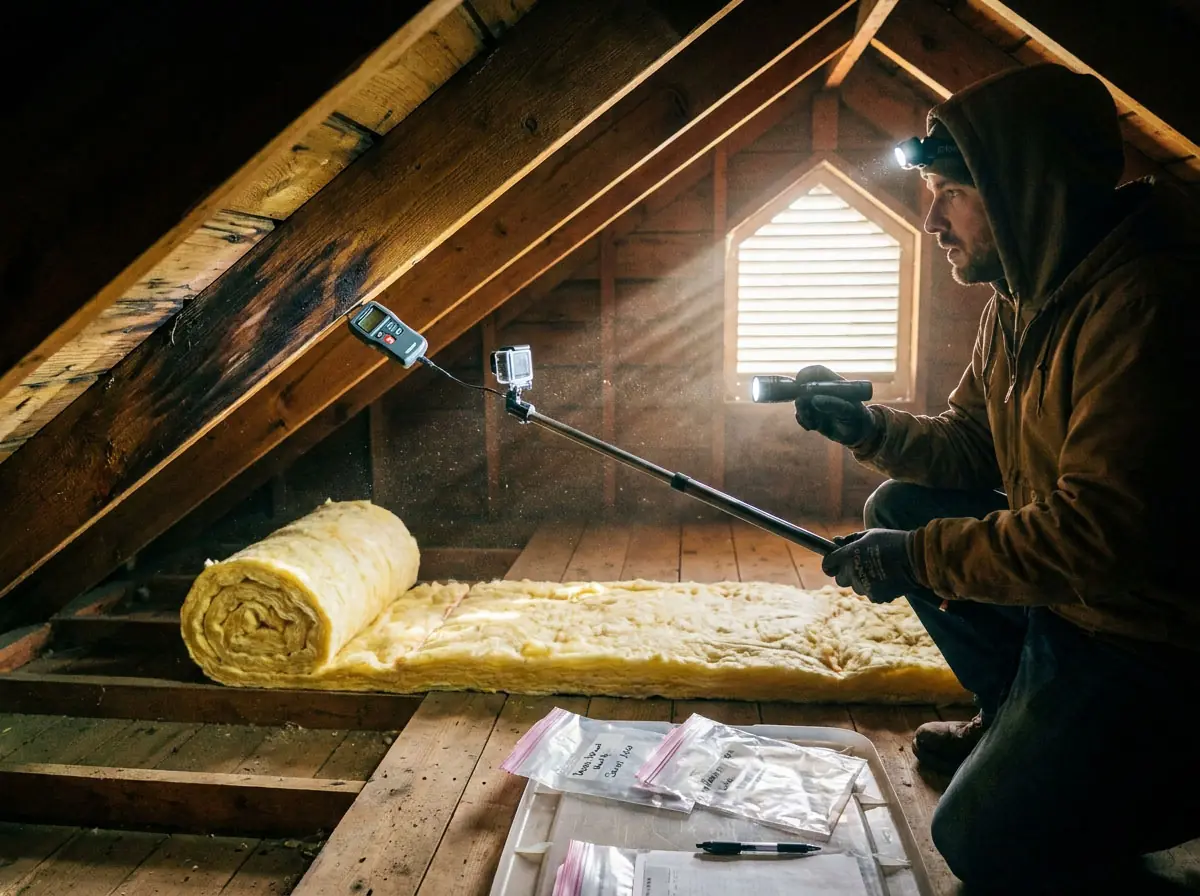
We recently handled a sewage breach in a historic bungalow near Esther Short Park. These older Vancouver structures often feature original wood framing and porous foundations that soak up contamination like a sponge.
When the main line backed up, the waste migrated beneath the floorboards of the original dining room. A standard surface wipe would have left lethal pathogens trapped in the subfloor, creating a permanent health risk for the family.
Our team utilized specialized containment to stop the spread. We then performed a deep structural extraction to ensure the historic wood frame remained sound without resorting to total demolition.
Key Lessons from the Restoration
- Older pipes often lack modern backflow prevention, making them prone to sudden surges.
- Porous building materials in historic homes require antimicrobial injection rather than just external cleaning.
- Fast action prevented the sewage from wicking up the original lathe and plaster walls.
When dealing with a home that holds history, you cannot simply spray bleach and hope for the best. You need clinical-grade remediation that treats the building as a living, breathing system.
Protecting Your Property Value and Preventing Future Backups
A sewage backup is a nightmare for your home's equity, but you can stop it from happening again if you take action now. Once your home is restored, the focus shifts to fortifying your plumbing against Vancouver's shifting soil and aging municipal lines.
Most homeowners assume their pipes will last forever, but that is a dangerous gamble. You need to be proactive to ensure your investment stays protected.
Essential Steps for Long-Term Prevention
- Schedule a sewer scope inspection: A professional camera check can identify root intrusions or pipe collapses before they cause a disaster.
- Install a backwater prevention valve: This mechanical device allows sewage to flow out but stops it from backing up into your home during a city sewer surge.
- Mind your disposal habits: Never flush grease, feminine products, or thick paper wipes, even if the label claims they are flushable.
- Monitor basement drains: If you live in an older neighborhood, ensure your floor drains are clear of debris and functioning correctly.
Ignoring these maintenance steps is essentially writing a blank check for future repair costs. A well-maintained plumbing system not only saves you money in the long run but also makes your property far more attractive to potential buyers if you ever decide to sell.
Think of these upgrades as an insurance policy for your home. Taking control of your pipes today keeps your living space safe, clean, and financially sound for years to come.
Final Words
When raw sewage invades your home, your window for saving your property is shockingly small. Delaying action by even a few hours allows hazardous pathogens to soak into your subflooring, drywall, and structural studs.
Do not gamble with the safety of your family or the long-term integrity of your home. You need immediate, expert Sewage Backup Cleanup to stop the spread of infection and rot.
Your Immediate Checklist
- Clear the area of all pets and family members immediately.
- Shut off your main water valve to prevent further flooding.
- Call a licensed professional who understands the specific environmental requirements of Clark County.
Treat this incident as a medical emergency for your house. The sooner we arrive to extract the waste and disinfect the space, the less likely you are to face expensive reconstruction costs or permanent health damage.
Your home is your sanctuary, not a waste treatment plant. Keep it that way by leaving the heavy lifting to technicians who have the right gear, the right training, and the proven experience to fix this disaster for good.
People Also Ask
Is sewage backup in Vancouver, WA covered by standard homeowners insurance?
Most standard policies exclude damage caused by sewer backups unless you have added a specific sewer and drain endorsement. You should review your policy documents or contact your agent immediately to clarify your coverage limits for water damage.What are the primary health hazards of sewage water in a home?
Sewage contains harmful bacteria, viruses, and parasites that can cause severe respiratory issues or gastrointestinal illnesses. Because these pathogens are highly infectious, the CDC guidelines advise against direct contact with contaminated water and materials.Should I attempt to clean up a sewage spill in my Vancouver basement myself?
DIY cleanup is strongly discouraged due to the extreme risk of pathogen exposure and the potential for long-term structural mold growth. Professional technicians use specialized equipment to safely disinfect, dry, and sanitize the area to ensure your home remains habitable.How do I know if my property is at risk for a sewage backup?
Homes connected to aging municipal sewer lines or those located in low-lying areas are at a higher risk during heavy rain events. Installing a backwater valve can provide a necessary layer of protection by preventing waste from flowing back into your pipes.What steps should I take immediately after discovering a sewage leak?
First, turn off the main water supply to prevent additional flow and vacate the area to protect your family from toxic fumes. Then, contact a local restoration expert to initiate the containment process before the contamination spreads to absorbent materials like carpet or drywall.Need Water Damage Restoration Services?
We provide rapid water damage restoration services to restore your property in Vancouver, WA and surrounding communities. Our expert team responds immediately to mitigate damage and secure your home or business (98660, 98661, 98662, 98682, 98683).
Request Price Estimate