


⚡ TL;DR: This guide offers practical advice for Vancouver homeowners on mitigating hardwood floor water damage, identifying hidden moisture, and choosing between professional restoration methods to protect their interior investments.
📋 What You’ll Learn
Living in Vancouver, WA, means our rainy climate creates unique risks for your hardwood floors. This guide provides essential steps to detect, address, and prevent water damage before it becomes permanent.
- Take immediate mitigation steps to prevent your floorboards from buckling, cupping, or warping beyond repair by learning how to stabilize your indoor environment after a sudden water leak or spill.
- Detect hidden moisture threats beneath your planks using advanced sensing equipment, helping you identify trapped water that causes wood rot and mold growth long before it is visible today.
- Evaluate professional restoration methods to decide whether specialized commercial drying is necessary compared to DIY attempts, ensuring you avoid costly mistakes that often lead to total floor replacement needs.
- Review local case studies from Vancouver neighborhoods like Salmon Creek to understand how different oak or softwood materials react to moisture and how we successfully restore them after damage.
📖 Reading time: 7 min
✍️ Author expertise: Certified water damage restoration technician with ten years of field experience in Vancouver.
You wake up to the unmistakable sound of a dripping pipe, only to find your beautiful hardwood floors cupping and buckling right before your eyes. In a climate as damp as Vancouver, Washington, moisture is the silent predator that turns your home’s greatest investment into a warped, rotting mess overnight.
Most homeowners make the mistake of waiting for the floor to dry out on its own, but by the time the surface looks better, the subfloor is already feeding a massive mold colony. You are currently fighting a race against time where every hour of standing water costs you thousands in permanent structural damage.
If you want to stop the decay and salvage those floors before they need a complete, budget-crushing replacement, keep reading to discover the exact steps you must take right now.

Immediate Emergency Mitigation Steps to Prevent Permanent Warping
Speed is the only thing standing between your expensive hardwood and the dumpster. When water hits, it acts like a sponge, saturating the wood fibers until they swell, cup, and twist out of shape.
You must act immediately to stop the absorption process before the damage becomes irreversible. Follow these critical steps to gain the upper hand:
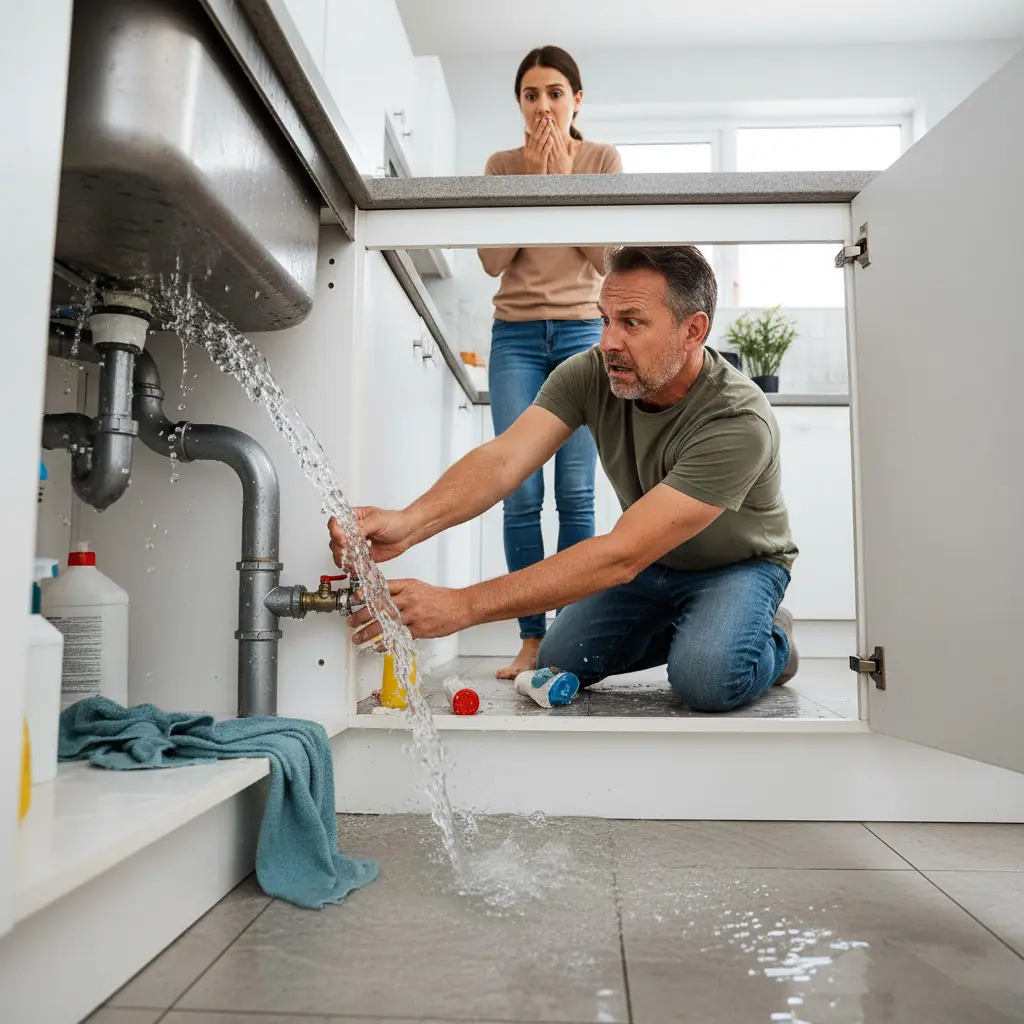
- Stop the source of the water immediately by shutting off the main water valve.
- Clear the area of furniture, rugs, and any damp objects touching the floor.
- Use a wet-dry shop vac to pull as much surface water as possible from the seams of the boards.
- Wipe the surface dry with clean, absorbent towels; avoid pushing water into the gaps.
Do not be tempted to use space heaters or hair dryers to force the drying process. Heat causes wood to warp and crack faster, turning a manageable mess into a total loss.
Keep your home interior cool and focus on moving air across the surface with fans, but never point them directly down at the wood. Your goal is to stabilize the environment while you contact professional help to assess the structural integrity of your subfloor.
Identifying Hidden Moisture Trapped Beneath Your Hardwood Planks
Most Vancouver homeowners assume that if the floor looks dry on the surface, the danger has passed. This is a deadly trap. Water behaves like a liquid ghost; it infiltrates the tongue and groove seams, wicking deep into the subfloor and joists where you cannot see it.
Your hardwood planks actually act as a seal, trapping the moisture underneath them. If you leave this water sitting, you aren't just looking at warped boards; you are building a hidden nursery for mold that will eventually destroy the structural integrity of your entire living room floor.
To identify if your floor is hiding a secret pool of water, look for these specific indicators:
- Cupping or Crowning: The edges of your boards appear higher than the center, or the board looks slightly arched.
- Musty Odors: A damp, basement-like smell lingering in the room is a red flag that mold is already active under the surface.
- Sticky Residue: Moisture pushing up through the gaps can cause dirt to stick to the finish of your floor.
- Squeaky Spots: Subfloors lose their grip on the joists when they get saturated, creating localized creaks where none existed before.
The Science of Subsurface Detection
You cannot rely on your eyes alone to gauge the severity of the soak. Professional restoration crews use moisture meters designed specifically for wood. These devices utilize prong-style or non-penetrating sensors to read the moisture content (MC) deep within the fibers.
If your floor reads significantly higher than the equilibrium moisture content for a standard Vancouver home, you have an active disaster on your hands. Don't wait for the wood to turn black or soft to the touch, because by then it is already too late for a simple drying procedure.

Professional Restoration Methods Versus DIY Drying Attempts
Most homeowners assume that a few industrial fans and a dehumidifier from the hardware store will fix the problem. That is a dangerous gamble.
Hardwood acts like a sponge, drawing water deep into the fibers and the subfloor beneath. If you do not pull that moisture out from the bottom up, you are just masking the rot.
Why DIY Often Fails
- Surface fans push moisture further into the tongue and groove joints.
- Consumer grade dehumidifiers lack the power to pull water from dense oak or maple.
- DIY methods fail to address trapped pockets of water near baseboards and wall cavities.
Professional restoration involves moisture mapping technology and specialized drying mats that force warm, dry air into the floorboards. We target the hidden saturation that your home environment simply cannot touch.
Relying on a standard shop vac or a few towels leaves the subfloor vulnerable to long term fungal growth. When you hire experts, you are paying for specialized dehumidification chambers that reverse damage before mold takes root.
Water Damage Remediation Case Study: Saving an Oak Floor in Salmon Creek
Last winter, a homeowner in Salmon Creek discovered a leaking supply line that saturated their red oak kitchen flooring overnight. By the time our crew arrived, the planks were visibly cupping, and the homeowner had already wasted half a day trying to mop up the surface water with towels.
We knew that simply drying the air would never pull the moisture out from beneath the tongue and groove boards. Instead, we deployed a specialized injectidry system designed to push warm, dry air directly into the subfloor while monitoring the moisture content of the oak planks with sensitive non-invasive meters.
Here is how we turned the situation around:
- Phase 1: Initial extraction of all surface water to stop the primary soak.
- Phase 2: Targeted dehumidification to stabilize the internal moisture levels of the wood.
- Phase 3: Constant monitoring to prevent the wood from drying too fast, which causes splintering and cracking.
Within four days, the cupping had subsided significantly, and the boards slowly began to lay flat again. By acting fast and using professional-grade thermal drying, we saved the homeowner nearly fifteen thousand dollars in full floor replacement costs. They were back to cooking in their kitchen within the week, without a single board needing to be pried up or replaced.
Damage Severity and Cost Estimation Table for Vancouver Homeowners
Budgeting for water damage is rarely straightforward because the real cost hides beneath the boards. While a quick surface wipe-down might seem cheap, the long-term bill for hidden rot is always higher. You need to assess the depth of the saturation before deciding if you can fix this yourself or if you need a professional crew to handle the drying.
| Damage Level | Visible Signs | Likely Restoration Cost |
|---|---|---|
| Minor | Surface moisture, light cupping | $500 - $1,500 |
| Moderate | Buckling, dark spots, musty odor | $2,000 - $5,000 |
| Severe | Black mold, structural rot | $7,000 - $15,000+ |
| Replacement | Compromised subfloor, warped joists | $15,000+ |
These figures represent the price of getting your home back to its original state. Ignoring the problem causes the price to escalate rapidly as the moisture spreads from the floorboards into the subfloor and wall cavities. In the Pacific Northwest, high humidity levels make natural drying impossible, meaning your floor stays wet until you force the moisture out.
Factors That Drive Up Your Restoration Bill
- The total square footage of the affected area.
- The type of hardwood, such as engineered versus solid oak.
- The duration of time the water has been trapped.
- The presence of hazardous black mold.
If you see signs of dark staining or loose planks, do not gamble with your equity. A small repair now saves you from a massive renovation project later. Treat the standing water as an active emergency to keep your costs in the lower tiers of the estimate table.
Preventing Future Floor Decay in the Pacific Northwest Climate
Living in Vancouver means your home is in a constant battle with ambient humidity. Even when no leaks occur, your hardwood floors act like a sponge, absorbing moisture from the air during our long, drizzly winters.
To keep your floors flat and healthy, you need to manage your indoor environment with the same attention you give your furnace. Controlling the dew point inside your home is the single most effective way to stop cupping before it starts.
Essential Seasonal Maintenance Tips
- Keep your indoor relative humidity strictly between 35% and 50% year round.
- Install a high quality hygrometer to track moisture levels in real time.
- Run a dehumidifier in your basement or crawl space during the rainy months.
- Check your exterior window seals every autumn to ensure no driving rain seeps behind your baseboards.
If you have a crawl space, ensure your vapor barrier is intact and free of holes. A compromised barrier allows damp soil gases to rise directly into your floor joists, which will ruin your hardwood from the bottom up.
Inspect your gutter downspouts to make sure they discharge water at least six feet away from your foundation. If you see water pooling near your walls after a heavy storm, you are likely seconds away from a basement or floor disaster.
Protecting Your Floors for the Long Haul
Living in the Pacific Northwest means your home is in a constant battle with ambient humidity. Once you have handled the initial crisis, you must focus on long term maintenance to keep your investment intact.
Most homeowners forget that wood is a living material that reacts to every swing in the local climate. If you are dealing with recurring moisture issues, you need a proactive strategy to avoid another round of Hardwood Floor Water Damage.
Essential Maintenance Habits
Control is your best defense against rot and warping. Start by monitoring the environment inside your living space:
- Use a dehumidifier in basements or lower levels to keep relative humidity below fifty percent.
- Inspect your crawl space vents annually to ensure they are clear of debris and functioning correctly.
- Seal any floor gaps with professional grade wood fillers to prevent spilled liquids from seeping into the subfloor.
- Check your roof and window seals every autumn before the heavy rain season begins.
Treat your flooring like a high performance engine that requires regular checkups. If you notice a single warped board or a strange smell, do not hope for it to go away on its own.
Small signs of moisture are usually the tip of a much larger iceberg. Catching these problems early is the difference between a minor repair and a total floor replacement that drains your bank account.
People Also Ask
Can hardwood floors be repaired after water damage?
Yes, hardwood floors can often be restored if addressed quickly by professionals. The success of the repair depends on the duration of exposure and the type of wood involved in the incident.How long does it take for hardwood floors to warp from water?
Visible warping or cupping can begin as quickly as 24 to 48 hours after water exposure. You should follow guidelines from the EPA to ensure your indoor environment remains safe during the drying process.Is it better to replace or restore water damaged wood floors?
Restoration is generally more cost effective if the moisture has not caused deep rot or structural compromise. A professional inspection will determine if sanding, refinishing, or board replacement is the best path forward for your specific situation.What are the signs of water damage under hardwood flooring?
Common indicators include a musty odor, dark discoloration, or a bouncy sensation when walking across the floor. If the planks appear to be rising at the edges, it is a clear signal that trapped moisture is pushing the wood upward.Does homeowners insurance cover water damaged floors in Vancouver?
Coverage typically depends on the specific cause of the water damage and your individual policy terms. You should review your documents or contact your agent to see if sudden plumbing failures or storm related issues are included in your protection plan.Need Water Damage Restoration Services?
We provide rapid water damage restoration services to restore your property in Vancouver, WA and surrounding communities. Our expert team responds immediately to mitigate damage and secure your home or business (98660, 98661, 98662, 98682, 98683).
Request Price Estimate