
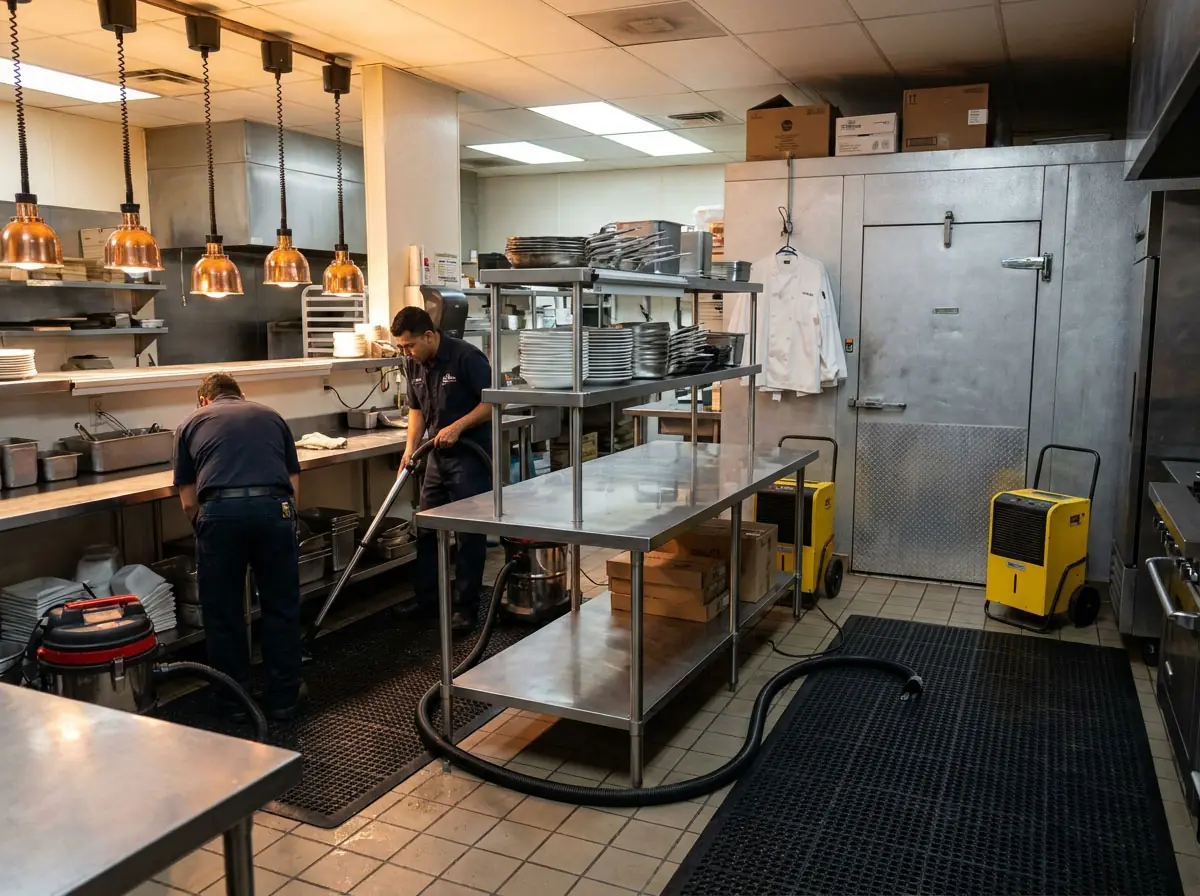


⚡ TL;DR: This guide provides Vancouver homeowners with essential strategies for effective crawl space water removal, professional drying techniques, and proactive solutions to protect their foundations from future moisture damage.
📋 What You’ll Learn
Vancouver’s wet climate often leads to standing water beneath your home. This guide provides essential steps for effective water removal, structural drying, and long term protection for your crawl space.
- Identify hidden flood risks caused by our local weather patterns so you can spot early signs of water intrusion before structural damage compromises your Vancouver home foundation.
- Perform safe water extraction using proven industry techniques that protect your health and minimize mold growth while ensuring all moisture is removed from the confined crawl space area.
- Implement professional drying solutions including industrial dehumidification and air circulation methods that restore the wood and soil beneath your residence to a dry and healthy moisture level.
- Prevent future water damage by installing effective vapor barriers and reliable sump pump systems designed to withstand the heavy rainfall typical of Clark County winters and spring thaws.
📖 Reading time: 7 min
✍️ Author expertise: Local restoration technician specializing in crawl space flood recovery throughout Vancouver, WA neighborhoods.
Your Vancouver home is likely your biggest investment, yet there is a silent, soggy disaster rotting away right beneath your feet. Most homeowners never set foot in their crawl space until a foul odor hits them or their floorboards start to buckle.
That damp darkness is a magnet for toxic mold and structural decay that spreads faster than you might think. Ignoring standing water down there is not just a maintenance oversight; it is a direct invitation for thousands of dollars in property damage.
You do not need to let hidden moisture ruin your foundation or threaten your family health. Let's look at the exact steps you must take to dry out your crawl space and stop the water damage cycle for good.
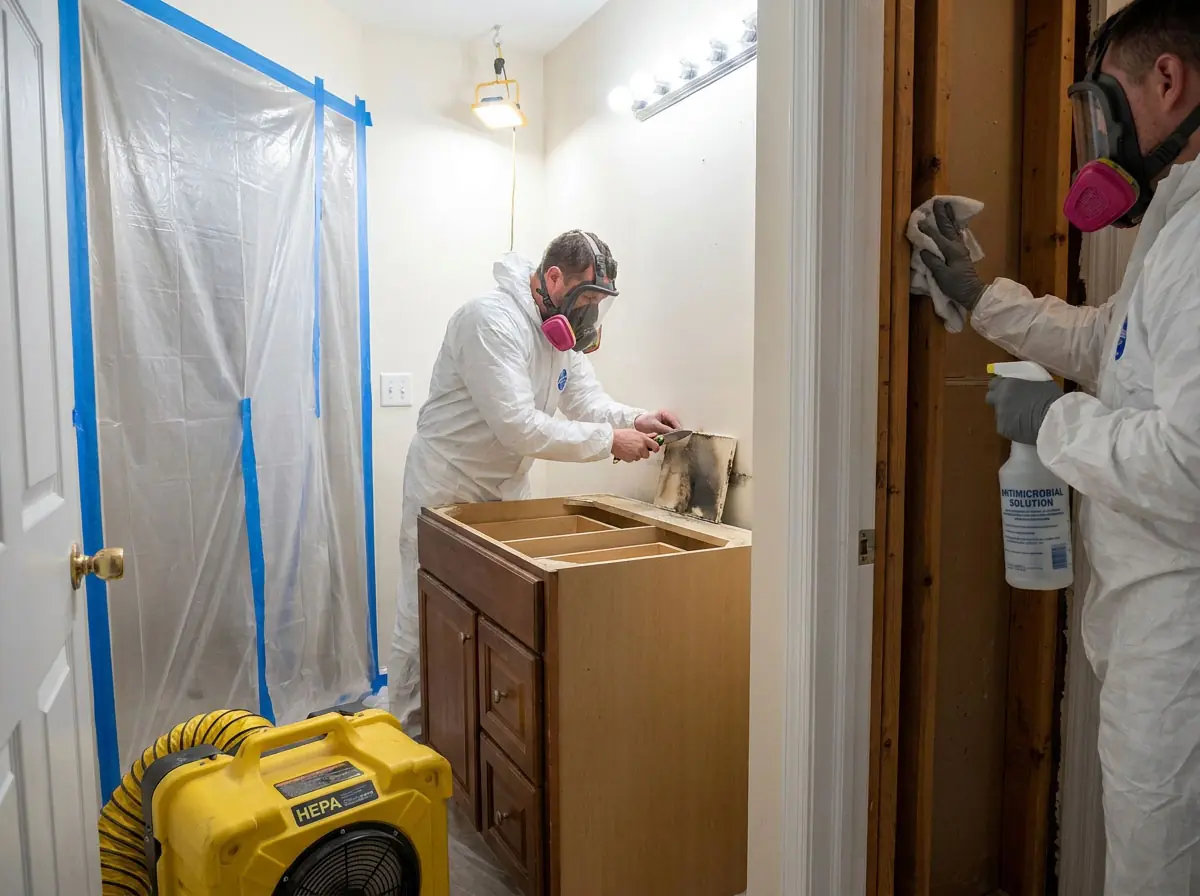
Why Vancouver’s Climate Makes Crawl Spaces Vulnerable to Flooding
Vancouver is famous for its lush greenery, but that beauty comes with a price. Our region experiences heavy rainfall during the late autumn and winter months, which puts immense pressure on your home foundation.
When the ground becomes fully saturated, water seeks the path of least resistance. Often, that path leads directly into your crawl space.
Several local factors turn simple rain into a structural nightmare for Vancouver homeowners:
- High water tables that push moisture upward through the soil.
- Poor exterior grading that directs runoff toward the foundation walls rather than away from them.
- Heavy clay soil, which is common in areas like Salmon Creek and Orchards, traps water against your home instead of allowing it to drain properly.
Many crawl spaces in our area were built before modern moisture barriers were standard. If your home has an unsealed or vented crawl space, it acts like a sponge every time we hit a rainy streak.
This moisture doesn't just sit there. It evaporates, rises into your floor joists, and creates a perfect breeding ground for rot and wood-destroying fungi.
Immediate Steps for Safe Crawl Space Water Extraction
Before you even think about grabbing a flashlight and heading into the dark, you have to prioritize your safety. Standing water in a crawl space is often a death trap for hidden electrical wires, broken plumbing lines, or even sewage backup. If you see standing water, do not enter until you have confirmed the main power to your home is completely shut off.
Once you are certain the area is safe to enter, you need to stop the source of the leak immediately. Whether it is a burst pipe or simple groundwater seepage, the clock is ticking against your floor joists and subflooring. Here is your quick action checklist to minimize the destruction:
- Wear high quality rubber boots and protective waterproof gloves to avoid skin contact with contaminated water.
- Use a wet dry vac or a heavy duty sump pump to pull out large volumes of sitting water.
- Clear out any debris, wet insulation, or soggy cardboard boxes that are currently soaking up moisture like a sponge.
- Open up crawl space vents to allow for basic air exchange while you gather your drying equipment.
After you have removed the bulk of the liquid, you must get the area bone dry as fast as possible. Mold starts to colonize on organic materials within 24 to 48 hours, so waiting until tomorrow is not an option. Grab a few industrial grade fans to start circulating air throughout the tighter corners of the space. If the water has been sitting for more than a day, it is time to call in experts who can perform sanitization to kill off any harmful pathogens lurking in the mud.

Professional Drying Techniques and Structural Dehumidification
Simply pumping out standing water is only the first skirmish in a much larger war against moisture. You are left with saturated insulation, damp wood joists, and porous concrete that act like a giant sponge. If you leave these materials wet, toxic mold colonies will bloom within 48 hours, destroying your indoor air quality and structural integrity.
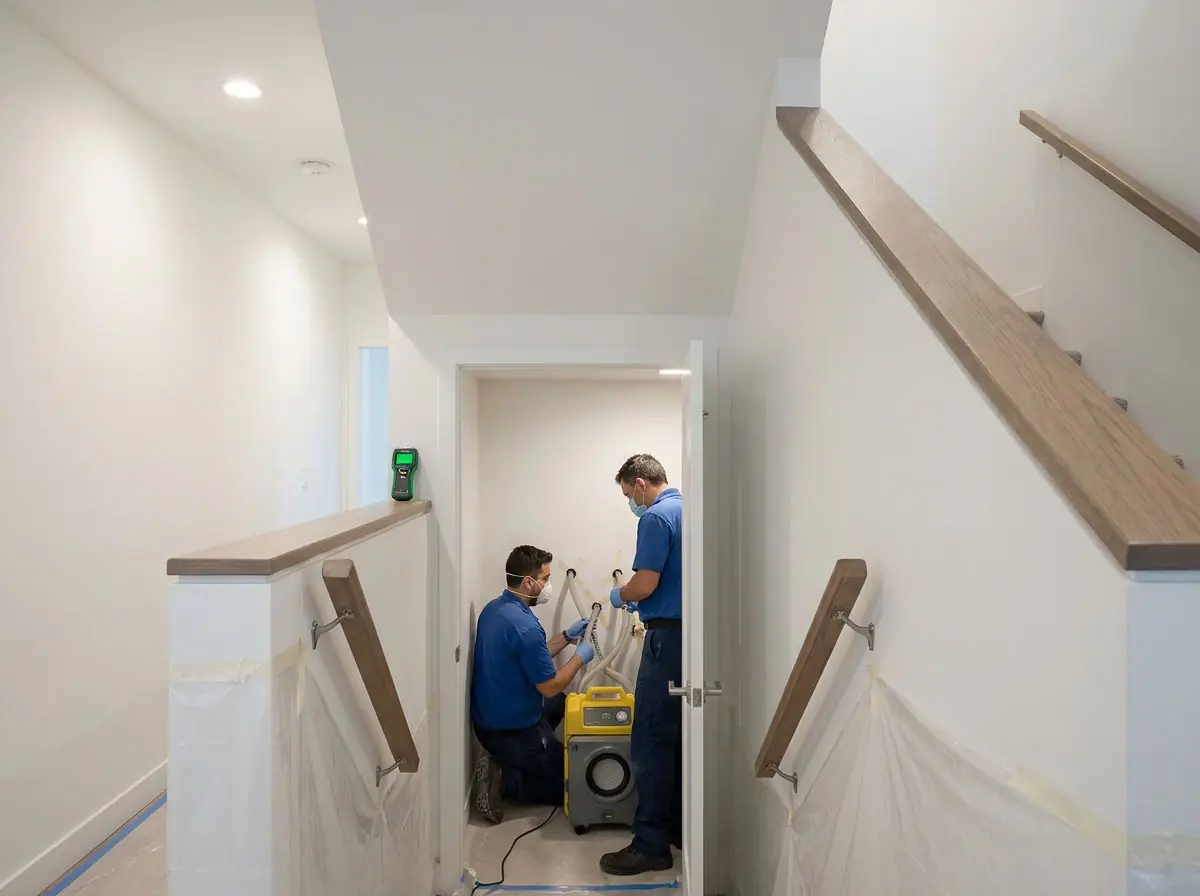
Professional restoration teams go beyond basic fans. We use high-grade structural drying equipment designed to force moisture out of the building materials themselves. Without this, your crawl space remains a breeding ground for rot even after the standing water vanishes.
The Professional Drying Arsenal
We rely on specific technology to pull moisture from the studs and subfloor. This process prevents the wood from warping and keeps your home safe from fungal growth.
- Low Grain Refrigerant (LGR) Dehumidifiers: These machines pull moisture directly out of the air, creating an environment where water evaporates quickly from damp materials.
- High Velocity Air Movers: We strategically place these to create a specialized airflow pattern, forcing air into tight corners where mold hides.
- Moisture Mapping: Using thermal imaging and moisture meters, we track exactly where water is hiding behind your insulation or within floor joists.
Once the bulk moisture is removed, we initiate structural dehumidification. This involves maintaining a strictly controlled humidity level beneath your home until all materials reach their equilibrium moisture content. By removing the hidden water trapped inside your floor framing, we stop the damage cycle before it reaches your living room floors.
Restoring a Flooded Hazel Dell Foundation After Winter Storms
Last winter, a severe storm system slammed into Hazel Dell, leaving one of our clients with a crawl space that looked more like a pond than a foundation. The water pooled up to six inches, soaking the insulation and wicking moisture directly into the floor joists of the main living area.
We arrived on the scene to find the home smelling of damp earth and rot. Our team immediately went to work to stop the bleeding before the structural integrity of the home was compromised.
Here is how we turned the tide on that recovery project:
- Phase 1: Extraction of standing water using high capacity submersible pumps.
- Phase 2: Removal of all water-logged insulation and debris to prevent rapid mold growth.
- Phase 3: Application of antimicrobial treatments to neutralize bacteria brought in by floodwaters.
- Phase 4: Installation of heavy-duty industrial dehumidifiers to drop the relative humidity below 50 percent.
The results were immediate. By targeting the source of the moisture rather than just covering it up, we prevented the framing from warping and saved the homeowner thousands in potential foundation repair bills. We monitored the moisture content in the wood daily, waiting until the levels dropped into a safe zone before declaring the area dry.
It was a clear reminder that timing is everything during a flood. Had that homeowner waited even two more days, the cleanup would have transitioned from a simple dry-out to a full scale, expensive mold remediation job.
Warning Signs and Remediation Timeline: A Quick Reference Table
You need to spot the red flags before the damage becomes irreversible. When you notice these symptoms, act immediately to prevent the cost of repairs from ballooning.
| Indicator | Urgency Level | Recommended Action |
|---|---|---|
| Musty or damp odor | Moderate | Schedule an inspection |
| Visible standing water | Critical | Emergency extraction |
| Buckling floorboards | High | Structural assessment |
| Pest infestation | High | Seal entry points |
| Growth on insulation | Critical | Professional remediation |
The speed of your response determines how much of your structural integrity stays intact. Once moisture settles, the clock is ticking against your foundation and your health.
The Remediation Schedule
Expect a standard timeline when you hire experts to dry out your space. While every home in Vancouver presents unique challenges, the core phases generally follow this path:
- Day 1: Initial inspection, water extraction, and removal of saturated debris or insulation.
- Day 2 to 4: Installation of industrial grade dehumidifiers and high-speed air movers.
- Day 5+: Verification of target moisture levels in wood framing and subflooring before final clearance.
Do not be fooled by a dry surface. True remediation requires specialized equipment to pull moisture out of the floor joists and rim joists themselves. If you skip this step, you are simply leaving a damp habitat for future mold growth.
Preventing Future Water Intrusion with Vapor Barriers and Sump Pumps
Once you have dried your crawl space, the real work begins: keeping it dry. If you do not stop the water from returning, you are simply throwing money down a hole.
Most Vancouver homes suffer because groundwater seeps up through the soil during our heavy rainy season. Installing a heavy-duty vapor barrier is your first line of defense; this thick plastic sheeting completely seals the dirt floor, preventing ground moisture from evaporating into your floor joists.
Beyond sealing the floor, you need an active drainage system to handle large volumes of liquid. A professional-grade sump pump acts as the heart of your crawl space; it detects rising water levels and kicks in automatically to eject the fluid away from your foundation.
Recommended Add-ons for Moisture Control
- Dehumidifier Integration: Keeps the air humidity levels below 50 percent to prevent mold spores.
- Foundation Vent Covers: Closes off outside air during the winter to stop humid outdoor air from condensing under your home.
- French Drain Systems: Redirects surface runoff away from your house perimeter before it ever touches your foundation.
- Encapsulation: Taping and sealing the vapor barrier seams to turn your crawl space into a clean, controlled environment.
Do not wait for another storm to realize your protection is insufficient. Taking these steps today saves your subfloor, your insulation, and your indoor air quality from the slow rot of recurring dampness.
Final Words
Waiting for the ground to dry on its own is a losing game. In the Pacific Northwest, your crawl space is essentially a sponge that stays saturated long after the rain stops.
You need to act with decisive speed to stop the rot before it hits your floor joists. If you ignore the signs today, you are essentially paying for a much more expensive repair bill next season.
Our team specializes in Crawl Space Water Removal to get your home back to a safe, dry state. We have seen what happens when moisture lingers too long, and we know exactly how to flush it out.
What to prioritize right now:
- Check your vents for debris that traps water inside.
- Inspect your insulation for sagging or dark patches.
- Monitor your indoor air quality for any signs of musty smells.
- Schedule a professional inspection if you find any standing liquid.
Stop hoping the problem will vanish. A dry foundation is the foundation of a healthy home, and it starts with professional extraction and moisture control.
People Also Ask
How much does crawl space water removal cost in Vancouver?
Costs vary based on the volume of water, the source of the flooding, and the necessary drying equipment. A professional inspection is required to provide an accurate estimate for your specific home layout.Does homeowners insurance cover crawl space flooding?
Coverage depends on whether the water intrusion is caused by a sudden pipe burst versus a slow, long term foundation leak. Consult your policy documentation or contact your agent to understand your specific flood insurance protections.What are the health risks of water in my crawl space?
Standing water creates an ideal environment for mold growth and structural rot that can compromise indoor air quality. If left unaddressed, these contaminants can travel upward into your living spaces and impact your family's health.How do I know if my crawl space has a drainage issue?
Common warning signs include a persistent musty odor in the home, visible standing water, or damp insulation hanging from the subfloor. If you notice these symptoms after heavy rainfall, your foundation likely lacks adequate drainage or vapor barrier protection.Can I remove standing water from my crawl space myself?
While you can use a shop vac for minor spills, significant flooding often requires industrial grade pumps and safety gear to prevent electrical hazards. Professionals ensure the area is properly disinfected to stop hazardous mold and bacteria from spreading.Need Water Damage Restoration Services?
We provide rapid water damage restoration services to restore your property in Vancouver, WA and surrounding communities. Our expert team responds immediately to mitigate damage and secure your home or business (98660, 98661, 98662, 98682, 98683).
Request Price Estimate