
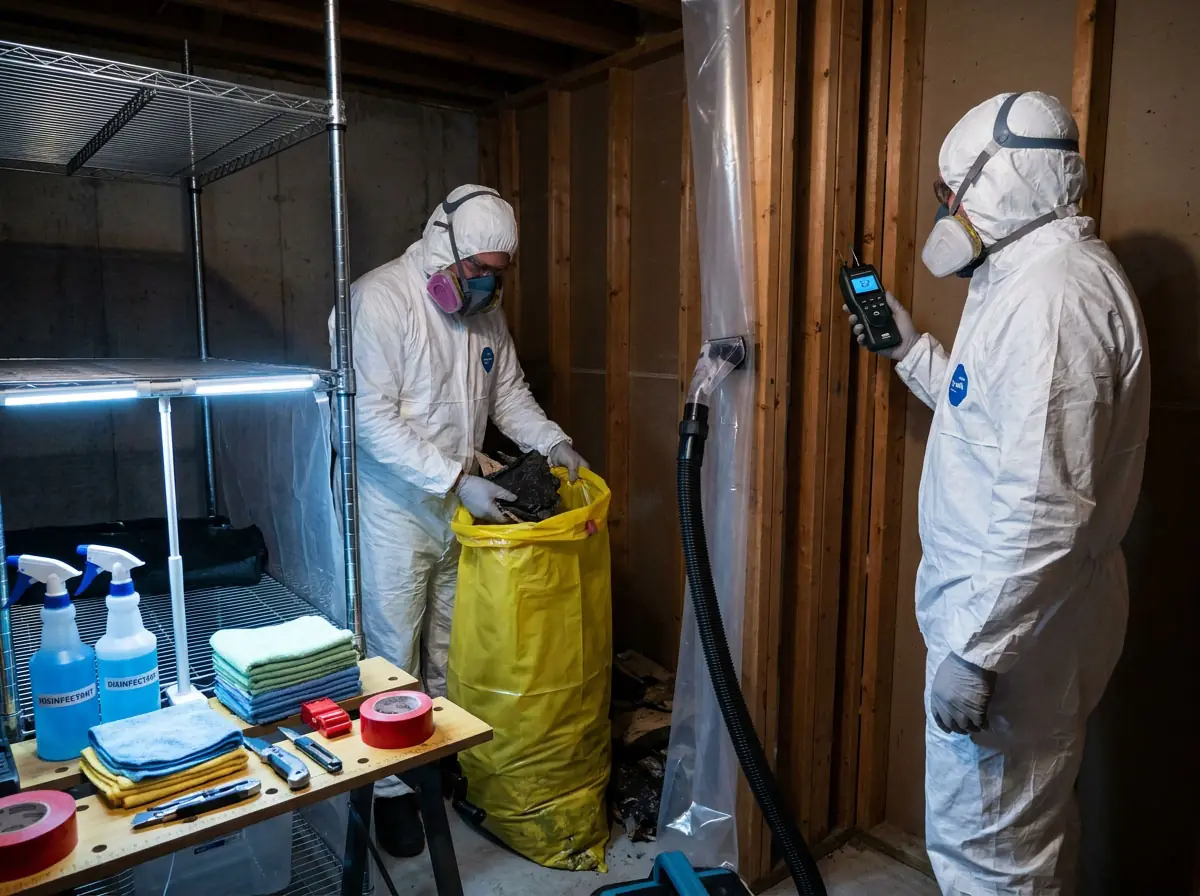


⚡ TL;DR: This guide helps Tulsa homeowners manage hardwood floor water damage by outlining effective mitigation steps, professional restoration techniques, and proactive strategies to maintain long term floor health.
📋 What You’ll Learn
Protecting your investment from Oklahoma moisture requires swift action and specialized knowledge. This guide explains how to identify, mitigate, and repair hardwood water damage throughout your Tulsa residential property.
- Take immediate emergency action by learning the critical steps to stabilize your flooring right after a spill or leak to prevent permanent warping or structural wood rot.
- Identify Tulsa climate threats by understanding how our local humidity levels and seasonal temperature shifts impact hardwood expansion and contraction when moisture enters your home environment.
- Evaluate repair versus replacement by using our decision guide to determine if your specific damage requires professional drying techniques or if board replacement is the better option.
- Implement long term maintenance by discovering proven moisture control strategies and humidity management habits that protect your beautiful hardwood floors from future Tulsa water damage incidents.
📖 Reading time: 7 min
✍️ Author expertise: Tulsa water damage specialist with years of field experience restoring local hardwood floors.
You wake up in the middle of the night to the sound of a steady drip, only to find your beautiful hardwood floors cupping and buckling under a growing puddle. That sinking feeling in your gut isn't just panic, it is the sound of thousands of dollars in equity warping right before your eyes.
In Tulsa, our humidity and aging plumbing systems turn a minor leak into a structural nightmare faster than most homeowners realize. The second water touches your floorboards, the clock starts ticking on your home's most valuable asset.
Most people make the mistake of waiting for the wood to dry out on its own, but that is a recipe for permanent rot and costly total replacement. Here is exactly what you need to do right now to stop the damage and protect your investment.
Immediate Triage: Essential Steps to Mitigate Water Damage
The moment you spot water on your hardwood, stop the source. Whether it is a burst pipe or a leaking appliance, shut off the main water valve immediately to prevent the puddle from growing into a flood.
Speed is your best friend when dealing with wood. Grab a wet-dry vacuum or a stack of towels and get to work pulling up standing water right away. Do not wait for a professional to arrive; every minute the wood stays submerged, the internal structure absorbs more moisture.
Follow these urgent steps to stall the damage:
- Clear the area of furniture to prevent rust stains and finish damage from damp metal legs.
- Wipe the surface completely dry before setting up fans to circulate air.
- Avoid using heat guns or hair dryers on high settings, as rapid, intense heat will cause the wood to crack and split further.
- If the water is from a sewage backup, do not touch it. Call a certified restoration team for immediate decontamination.
Your goal is to stabilize the environment before mold begins its colonization. Keep your HVAC system running to help pull moisture from the air, but keep the windows closed if it is a humid Tulsa afternoon.
The Mechanics of Moisture: Why Tulsa Homes Face Unique Hardwood Threats
Tulsa acts as a pressure cooker for your flooring. Our local environment combines high outdoor humidity with the tendency for older homes to have settled foundations, creating a perfect storm for wood expansion.
When moisture levels spike, wood behaves like a sponge. It absorbs water vapor from the air, causing boards to swell, push against each other, and eventually cup or crown. If your home has a crawl space, the ground moisture rising through the subfloor creates a constant, invisible battle against your hardwood finish.
The Tulsa Moisture Profile
Several factors make our local hardwood vulnerability unique:
- Older plumbing lines in historic Tulsa neighborhoods prone to slow, hidden pinhole leaks.
- Seasonal swings in relative humidity that force wood fibers to expand and contract rapidly.
- Poor ventilation in basements or crawl spaces that traps moisture directly beneath your floorboards.
Ignoring these signs is a financial trap. Because wood is porous, it does not just stay wet; it becomes a breeding ground for mold that can ruin your indoor air quality in a matter of days. You have to address the humidity before the structural integrity of the planks reaches a point of no return.

Restoration vs. Replacement: A Decision-Making Table for Damaged Floors
When your hardwood starts to cup, you need to decide fast whether you are looking at a simple fix or a total floor overhaul. We look at the extent of the saturation, the species of wood, and how long the liquid has been sitting beneath the finish.
| Damage Level | Visual Signs | Likely Outcome |
|---|---|---|
| Mild | Minor cupping at seams | Restoration is possible |
| Moderate | Buckling or visible gaps | Professional drying required |
| Severe | Black mold or rot | Full replacement needed |
| High Saturation | Subfloor is soaking wet | Requires board removal |
Most Tulsa homeowners assume they need new floors as soon as they see a ripple, but you might be surprised by what our industrial drying gear can save. If the water was clean and you caught it quickly, we can often draw out the moisture before the cellular structure of the wood breaks down permanently.
However, you must be realistic about the condition of your home. If the damage involves the following, you are likely past the point of no return:
- Standing water that has been present for more than 48 hours.
- Obvious signs of microbial growth or musty odors.
- Wood that has splintered or cracked along the grain.
- Structural softening of the subfloor beneath the planks.
Don't gamble with your subfloor. If the wood feels spongy when you walk on it, the structural integrity is compromised, and patching it won't keep your home safe in the long run.
Professional Moisture Extraction and Industrial Drying Techniques
When you see your floors bowing, you are looking at a ticking time bomb. Most homeowners reach for a shop vac or a hair dryer, but that only treats the surface. Real professional extraction requires specialized gear designed to pull moisture from deep within the wood fibers before mold takes root.
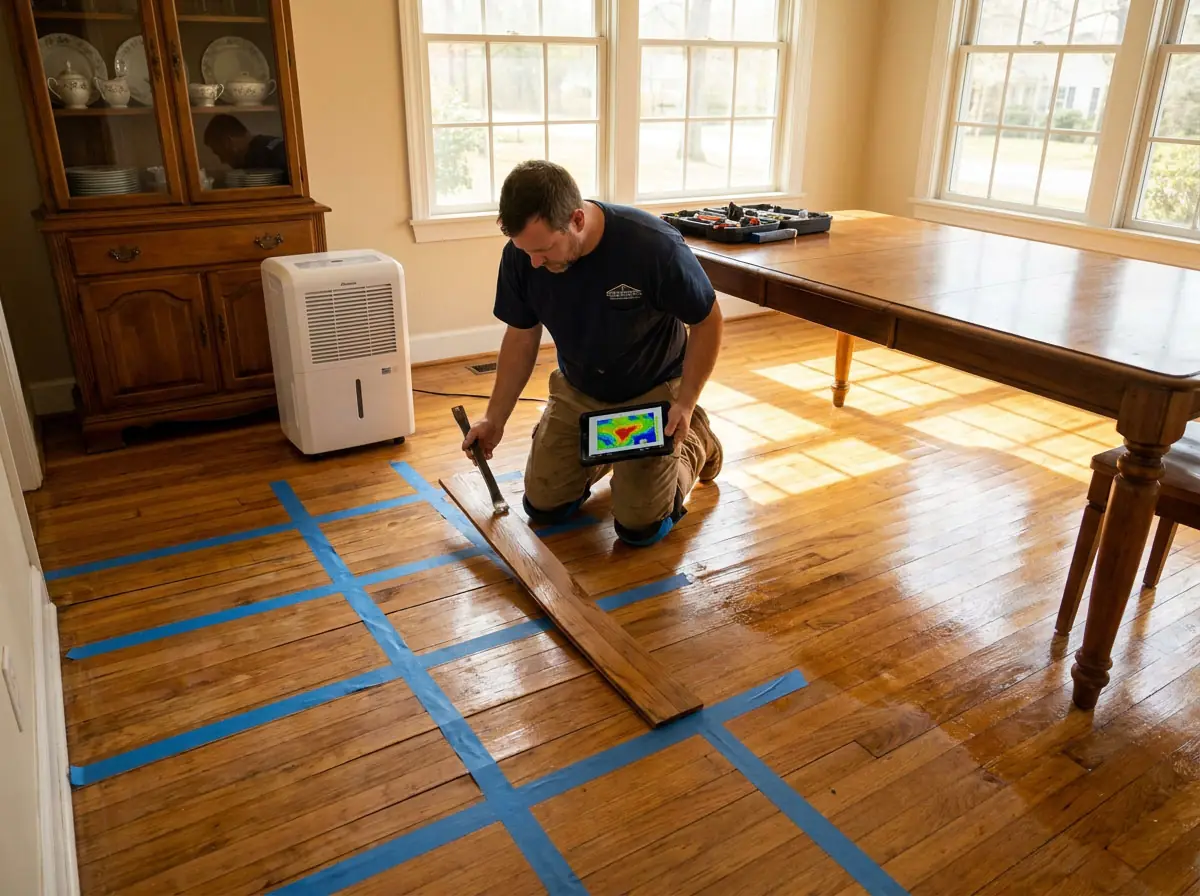
Our team uses industrial-grade drying systems that do not just blow air around. We set up high-pressure extraction units that create a vacuum effect, pulling water out from beneath the boards and through the subfloor. This prevents the cupping and warping that forces expensive full-room replacements.
The Tools of the Trade
We rely on equipment that standard hardware stores simply do not carry. Here is how we stop the destruction:
- Dehumidification units: These pull massive amounts of water vapor out of the air to keep the drying environment aggressive.
- Injecti-Dry systems: We place specialty mats over the floor to pull moisture directly from the wood using suction.
- Moisture mapping: We use thermal imaging and non-invasive moisture meters to find hidden water pockets behind walls or under boards.
Waiting even one extra day for the floor to "air dry" on its own is a massive gamble. The wood will lock in that moisture, creating a breeding ground for toxic mold and irreversible rot. By moving fast with industrial suction and climate control, we save your investment and stop the damage in its tracks.

Lessons from a Tulsa Midtown Restoration: A Case Study in Wood Salvage
Last month, we stepped into a classic 1920s Midtown bungalow where a kitchen supply line had been leaking behind the cabinets for three days. The white oak floors were cupping severely, and the homeowner was convinced the entire floor had to be ripped out at a massive expense.
Instead of reaching for the crowbar, our team acted fast to stabilize the environment before mold could take hold. By focusing on controlled structural drying rather than immediate demolition, we managed to save 90 percent of the original planks.
The Strategy Behind the Save
The success of this project relied on a three-pronged approach to moisture control. By treating the issue as a surgical recovery, we prevented the wood fibers from snapping under the pressure of moisture expansion.
- We injected high-velocity air beneath the cabinets to force moisture out of the subfloor.
- Our technicians used industrial-grade dehumidifiers to keep the room humidity below 35 percent.
- We monitored the moisture content daily until the wood returned to its original equilibrium state.
This approach works because wood is a living material that reacts to its surroundings. If you catch the saturation early, you can often reverse the buckling process through slow, monitored evaporation rather than settling for expensive, invasive replacements.
Strategies for Long-Term Floor Health and Humidity Control
Preventing another nightmare scenario starts with managing the environment inside your home. Tulsa humidity levels fluctuate wildly, often keeping indoor air thick enough to push moisture into your floorboards.
If you ignore the air quality, your wood will expand and contract until it loses its structural integrity. You need to keep your indoor humidity levels between 35% and 50% to ensure your wood stays stable and looks brand new.
Essential Maintenance Habits
Follow these simple habits to keep your hardwood shielded from the elements:
- Invest in a quality dehumidifier for your basement or ground floor areas.
- Check your HVAC system filters monthly to keep the airflow consistent.
- Place rugs near entryways to catch moisture before it hits your floors.
- Use a hygrometer to track humidity levels in real time.
Small leaks often hide behind appliances or under sinks for weeks before you notice the damage. Make it a routine to inspect the areas around your dishwasher, refrigerator water lines, and bathroom vanity twice a year.
Detecting a pinhole leak early is the difference between a simple towel cleanup and a major renovation project. Keep your eyes peeled for soft baseboards or a slight musty smell, as these are the first warning signs that moisture has taken hold.
Final Words
Your hardwood floors are not just wood; they are a significant financial commitment and a centerpiece of your home. When disaster strikes, speed is your greatest ally against permanent structural failure.
If you suspect moisture has breached the surface, do not wait for the sun to come out. Taking immediate action is the difference between a simple repair and replacing your entire floor system.
For persistent issues or hidden moisture trapped beneath your boards, our team is ready to deploy industrial-grade drying equipment. Check out our resources on Hardwood Floor Water Damage to understand how we save floors that others tell you to rip out.
Protecting Your Investment
Remember, moisture does not play fair, especially in the Tulsa climate. Keep these rules in mind to protect your property value:
- Inspect your plumbing joints and appliance hoses every quarter.
- Ensure your gutters are clear to prevent water from wicking back into your foundation.
- Keep your indoor relative humidity between 35 and 55 percent to prevent board movement.
If you see signs of cupping, crowning, or staining, reach out to us before mold starts its silent takeover. We handle the heavy lifting so you can get back to living in your home without the constant worry of hidden decay.
People Also Ask
Can hardwood floors be repaired after water damage?
Yes, hardwood floors can often be salvaged if the water is extracted quickly and the wood is thoroughly dried. If the damage is caught early, professional restoration techniques can prevent permanent warping or mold growth.How do I know if my hardwood floor needs to be replaced?
You should consider replacement if the wood shows signs of deep cupping, crowning, or structural rot that compromises the subfloor. Consult the EPA guidelines to understand how moisture triggers mold development, which often necessitates floor removal.Why do Tulsa homes frequently experience hardwood floor water damage?
Tulsa homes face unique risks due to fluctuating humidity levels and occasional severe storm flooding that can seep into crawl spaces. High moisture content in the air or ground can cause wood boards to expand, leading to significant surface damage over time.How long does it take to dry hardwood floors?
The drying process typically takes several days depending on the extent of the saturation and the type of wood. Industrial grade dehumidifiers and specialized drying equipment are necessary to remove deep moisture without damaging the integrity of the floor finish.Does homeowners insurance cover water damaged hardwood floors?
Coverage depends on the specific source of the water damage, such as a sudden pipe burst versus gradual seepage. It is recommended to contact your insurance provider immediately to document the incident and determine if your policy covers the restoration process.Need Water Damage Restoration Services?
We provide rapid emergency water extraction and structural drying to restore your property throughout Tulsa and the surrounding areas (74103, 74114, 74133, 74135, 74137). Our team arrives quickly to mitigate water damage and stabilize your home or business.
Request Price Estimate