
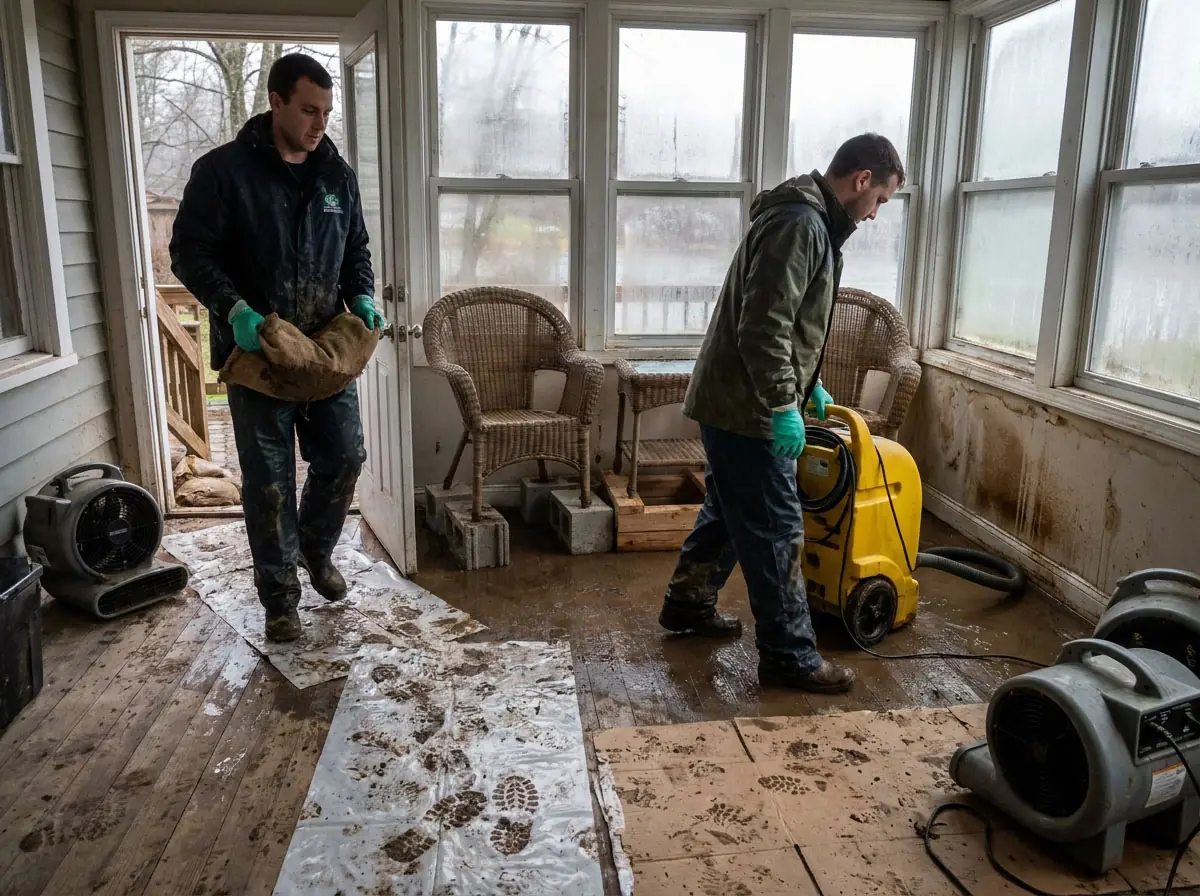


⚡ TL;DR: Because raw sewage contains serious health hazards, this article explains why professional Sewage Backup Cleanup is essential for restoring your Torrance home safely and following proper insurance protocols.
📋 What You’ll Learn
Dealing with a sewage backup in Torrance requires immediate, expert action to protect your home and health. This guide outlines why professional intervention is essential for effective restoration and property safety.
- Identify hidden biohazard risks that linger in your walls and floors after a sewage spill, highlighting why raw waste poses severe long term health threats to your family.
- Understand why standard cleaners fail against Category 3 water and why specialized industrial-grade disinfectants are strictly necessary to fully eliminate harmful pathogens from porous building material surfaces.
- Follow professional remediation protocols as we detail the exact steps experts take to safely extract waste, sanitize affected areas, and prevent toxic mold growth throughout your home.
- Navigate California insurance claims effectively by learning how to document your sewage damage properly to ensure you receive maximum coverage for your restoration and cleanup expenses.
📖 Reading time: 7 min
✍️ Author expertise: Certified Torrance water damage specialist with over a decade of local disaster restoration.
You wake up to the unmistakable, stomach-turning stench of raw sewage seeping into your Torrance home. It is not just a bad smell, it is a toxic disaster waiting to wreck your floors, your furniture, and your family's health.
Most homeowners try to grab a mop and bucket the second they spot the mess. That is a massive mistake that could cost you thousands in structural repairs and leave behind invisible pathogens that linger for months.
If you think a quick scrub with store-bought chemicals will handle a sewer breach, you are dead wrong. Here is exactly why you need to put down the mop and call in the heavy artillery before your home becomes a biohazard zone.

The Hidden Dangers of Pathogens and Biohazards in Raw Sewage
When raw sewage backs up in your Torrance property, you are dealing with Category 3 water. This is not just dirty dishwater; it is a toxic cocktail of human waste, pathogens, and dangerous microorganisms.
These contaminants are invisible to the naked eye. However, they are actively looking for a host, and your flooring, drywall, and insulation act as sponges for these harmful biological threats.
Exposure to these elements can trigger severe health reactions. You aren't just facing a cleanup; you are fighting a biological assault on your home's air quality.
Common Pathogens Found in Sewage
- E. coli: Can cause severe stomach cramps and bloody diarrhea.
- Giardia: A parasite that leads to intense gastrointestinal distress.
- Hepatitis A: A viral liver infection that can be spread through contaminated surfaces.
- Salmonella: Often leads to fever, aches, and prolonged illness.
Do not let the absence of a visible stain fool you. Even after the standing water is gone, the microscopic residue remains embedded in porous materials.
If left untreated, these pathogens can aerosolize. Your HVAC system will then pick up these particles and circulate them throughout every room in your house, turning a localized spill into a home wide health hazard.
Why Your Typical Household Cleaning Supplies Fail Against Category 3 Water
Most homeowners assume that a bottle of bleach or a strong disinfectant from the local supermarket will sanitize a sewage spill. This is a dangerous misconception that puts your family at risk. Raw sewage is classified as Category 3 water, meaning it contains pathogenic agents, parasites, and fecal matter that your standard kitchen spray simply cannot neutralize.
When you splash bleach on a sewage-soaked carpet or hardwood floor, you are essentially just masking the problem. Household cleaners are designed for surface-level grime; they lack the industrial strength to penetrate porous materials where bacteria hide. You are merely moving the contamination around while the toxic sludge continues to soak deeper into your subflooring and drywall.
If you rely on store-bought supplies to clean a sewer backup, you will likely encounter these specific issues:
- Incomplete Pathogen Kill: Household chemicals cannot reach the microscopic crevices where mold and viruses breed.
- Chemical Reactions: Mixing off-the-shelf cleaners with ammonia or bleach found in waste can create toxic gases that make your home unlivable.
- Porous Material Saturation: Drywall, carpet padding, and insulation act like sponges, absorbing contaminants that no mop can ever pull out.
Professional restoration crews use EPA-registered hospital-grade biocides that are specifically engineered to eliminate high-level biohazards. We do not just clean the surface; we perform a deep, systematic disinfection of the entire structure. If you try to do this yourself, you are leaving behind a ticking time bomb of rot and long-term health hazards.
Step-by-Step Breakdown of Professional Sewage Remediation Protocols
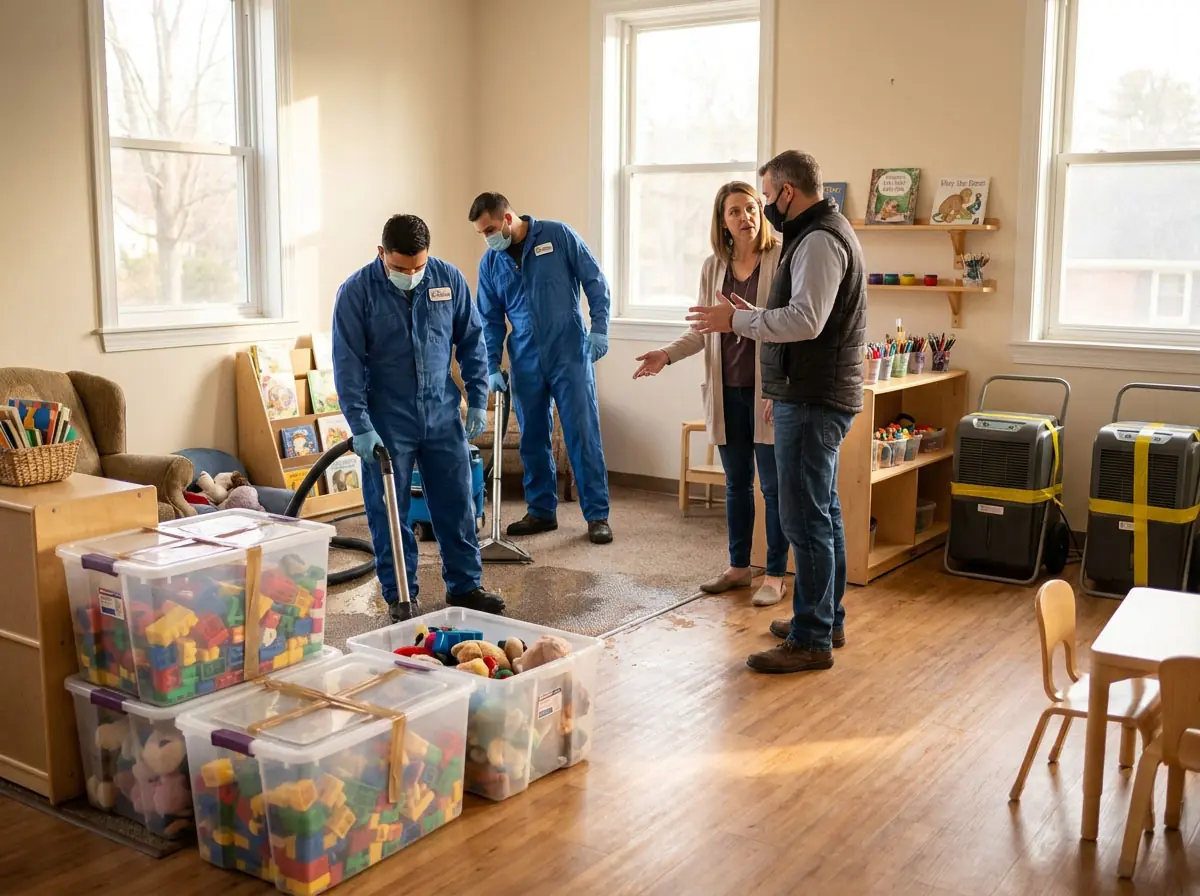
When you call the pros, we don't just wipe surfaces; we execute a clinical sanitation process designed to erase every trace of contamination. Sewage backup isn't just dirty water. It is a complex mix of bacteria, viruses, and parasites that require specific, industrial-grade protocols to neutralize.
Our team follows a rigorous, multi-stage cleanup process to ensure your home returns to a safe, habitable condition. We treat your property like a crime scene, where containment is the first priority to prevent cross-contamination into unaffected rooms.
The Core Remediation Phases
- Site Assessment: We identify the source of the breach and determine the classification of the water to customize our chemical approach.
- Containment and PPE: Technicians wear full-body hazmat gear and establish negative air pressure zones to keep airborne pathogens from spreading.
- Extraction and Removal: High-suction industrial pumps remove standing liquid, followed by the strategic removal of porous materials like carpets, padding, and drywall that cannot be saved.
- Decontamination and Sanitization: We apply EPA-registered, hospital-grade biocides to every inch of the affected surface area to kill off harmful microorganisms.
- Drying and Dehumidification: We place high-velocity air movers and commercial-grade dehumidifiers to draw moisture out of the structural studs and foundation.
- Clearance Testing: We verify the success of the cleanup by checking moisture levels and microbial counts, ensuring your home is truly clean before we walk away.
Attempting this yourself often results in trapping moisture behind walls, which feeds mold colonies that can grow for months out of sight. Our goal is total restoration, leaving your property cleaner than it was before the disaster occurred.
Case Study: Restoring a Torrance Coastal Home After a Main Line Failure
Last month, we received a frantic call from a homeowner near the Torrance coastline. A massive main sewer line failure had sent raw sewage surging through their ground floor, soaking hardwood floors and saturating the drywall within minutes.
The owner initially tried to soak up the water with beach towels and bleach, which only spread the contaminants further. When we arrived, the air was unbreathable, and the structural damage was already beginning to set in.
We executed a precise, multi-phase plan to save the property from total loss:
- Containment: We sealed off the affected area to prevent cross-contamination of the rest of the house.
- Extraction: Specialized high-suction pumps removed the standing black water.
- Sanitization: We applied hospital-grade antimicrobial agents to treat every porous surface.
- Structural Drying: Industrial dehumidifiers and air movers worked for four days to restore safe moisture levels.
The result? We stopped the mold growth before it started and salvaged the original flooring that the homeowner was certain they would have to replace. By moving fast and using the right equipment, we saved them thousands in unnecessary reconstruction costs.
Safety and Cleanup Service Options: A Comparative Table for Homeowners
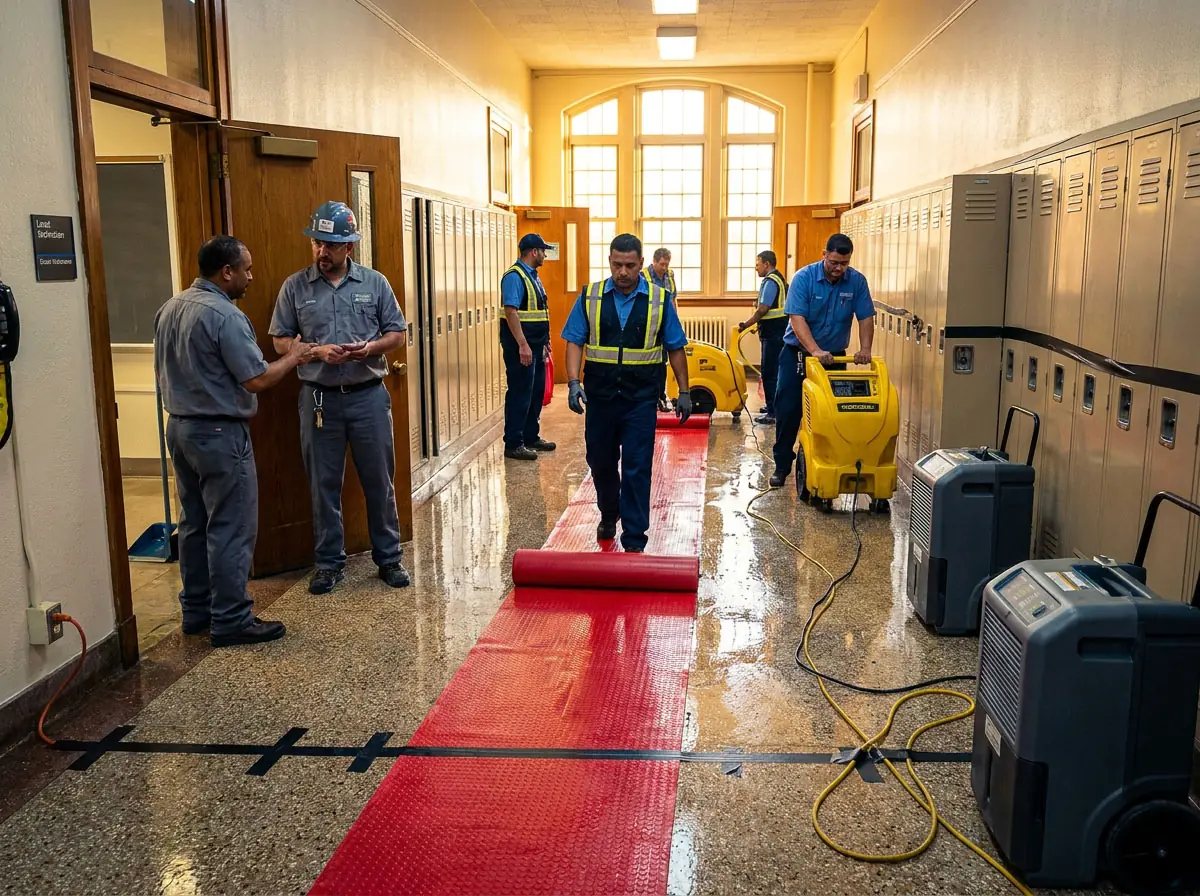
When sewage hits your floorboards, you face a fork in the road. You can try the DIY approach, but you are playing a high stakes game with your family's health and your property value. Professional remediation is not a luxury; it is a critical defense against long-term structural decay and dangerous microbial growth.
| Feature | DIY Cleaning | Professional Restoration |
|---|---|---|
| Pathogen Removal | Minimal/Surface level | Total/Hospital grade |
| Safety Gear | Household gloves | Full HAZMAT suit & PPE |
| Structural Drying | Fans and towels | Industrial dehumidifiers |
| Insurance Support | None | Claims documentation |
The difference between a quick scrub and professional service comes down to containment and specialized equipment. Experts utilize negative air machines and industrial grade biocides that are not available at your local hardware store. Without these, you are simply pushing contaminated water deeper into your subfloor and wall cavities.
Consider the risks of taking matters into your own hands:
- You risk exposure to E. coli, salmonella, and other viral agents.
- Standard household cleaners do not break down sewage proteins.
- Hidden moisture often leads to toxic black mold weeks later.
- Amateur cleanup often invalidates your insurance settlement potential.
Insurance Claims and Documentation Requirements in California
Dealing with a sewage backup in California is a financial headache, but your homeowners insurance might cover the costs if you handle the process correctly. Many policies contain specific exclusions for water damage, so you must confirm your coverage limits immediately.
Start by documenting everything with high-resolution photos and video before the cleanup crew arrives. Insurance adjusters need clear proof of the damage extent to justify your claim.
Keep a meticulous paper trail of every interaction with your restoration company. When you hire professionals, ensure they provide an itemized scope of work that aligns with industry standards.
Essential Documentation Checklist
- Timestamped photos of the initial sewage breach.
- A detailed inventory of all damaged personal property and furniture.
- Copies of all receipts for emergency lodging if the home is uninhabitable.
- The official written report from your restoration technician detailing the Category 3 contamination levels.
Do not throw away any damaged items until the adjuster has inspected them or given you explicit permission to dispose of them. If you rush the cleanup or toss evidence, the insurance company will likely deny your payout.
Remember that California law requires insurance companies to act in good faith regarding your claim. If you provide thorough evidence and hire licensed experts, you significantly improve your odds of getting the financial support you deserve.
Final Words
When raw sewage invades your Torrance property, time is your greatest enemy. Every hour you wait allows harmful bacteria to penetrate deeper into your subfloors and drywall, turning a manageable problem into a total loss.
Professional Sewage Backup Cleanup is not a luxury expense. It is an insurance policy for your family's health and the long-term value of your home.
Why Speed Defines the Outcome
Microscopic pathogens do not wait for you to decide on a course of action. They colonize porous materials like carpet padding, insulation, and wood studs almost instantly upon contact.
- Moisture evaporates, but toxic spores remain behind in the walls.
- DIY cleaning creates aerosolized bacteria that you end up breathing.
- Contaminated surfaces can foster mold growth within just 24 to 48 hours.
You need technicians who possess the right industrial-grade equipment and PPE to handle Category 3 water. Do not risk your safety by playing hero with store-bought supplies that simply smear the contamination around.
Take the smart route by securing a certified team immediately. Getting your home back to a clean, healthy state is the only acceptable goal when dealing with hazardous waste.
People Also Ask
Is sewage backup in my home covered by homeowners insurance in California?
Many standard homeowners insurance policies exclude damage caused by sewer backups unless you have added a specific endorsement. It is vital to review your policy documents or contact your agent to understand your coverage limitations for biohazard events.Why is raw sewage considered a Category 3 water loss?
Category 3 water, or black water, contains pathogenic agents, fecal matter, and other harmful contaminants that pose severe health risks. According to the EPA guidelines, this level of contamination requires specialized remediation to ensure the area is safe for human occupancy.Can I clean up a sewage spill using bleach and hot water?
Typical household cleaning supplies are ineffective against the concentrated bacteria, viruses, and parasites found in raw sewage. Professional remediation is necessary to properly sanitize, disinfect, and dry porous materials that have been saturated by waste.What are the immediate health risks of being exposed to a sewage backup?
Exposure to sewage can lead to serious illnesses, including gastrointestinal infections, skin rashes, and respiratory issues caused by inhaling airborne pathogens. You should avoid direct contact with the affected area and keep pets and family members in a separate part of the home until professionals arrive.How do restoration experts determine if porous items can be saved?
Technicians use specialized moisture meters and moisture mapping to assess the extent of the saturation. If porous items like carpeting, drywall, or upholstered furniture are heavily contaminated by black water, industry standards often dictate that they must be removed and disposed of to prevent mold growth and bacterial spread.Need Water Damage Restoration Services?
We provide rapid emergency water extraction and structural drying to restore your property in Torrance and surrounding communities. Our team stabilizes your home immediately to prevent secondary damage (90501, 90502, 90503, 90504, 90505).
Request Price Estimate