


⚡ TL;DR: This guide helps Tampa homeowners understand the process of crawl space water removal, offering practical steps to identify flooding sources, sanitize affected areas, and implement effective moisture prevention strategies.
📋 What You’ll Learn
Dealing with standing water under your Tampa home can be stressful. This guide provides actionable steps to identify moisture sources, extract water efficiently, and prevent future damage to your property foundation.
- Identify hidden moisture sources by learning how Tampa's high water table, heavy seasonal rains, and poor drainage systems contribute to dangerous standing water inside your home's crawl space foundation.
- Understand critical health risks that neglected moisture creates, including structural wood rot, compromised insulation, and the rapid spread of toxic mold spores throughout your home's entire indoor environment.
- Follow professional extraction steps to effectively remove trapped water, sanitize contaminated soil and surfaces, and ensure the area is dried completely to stop any ongoing damage to your structure.
- Implement long-term prevention strategies such as installing sump pumps, vapor barriers, or French drains to safeguard your home against future flooding during Florida's unpredictable and stormy hurricane seasons.
📖 Reading time: 8 min
✍️ Author expertise: Tampa water restoration specialist with fifteen years of hands-on crawl space remediation experience.
You wake up in your Tampa home, and something feels wrong. A heavy, musty smell hits you the second you walk into the hallway, and you realize your crawl space has turned into a private, unwanted indoor swamp.
Standing water under your floorboards isn't just a gross inconvenience. It is a ticking time bomb for your home's structural integrity and your family's health.
Most homeowners ignore what happens beneath their feet until the rot sets in or the mold colonies start spreading. If you want to stop the damage before your repair bill hits five figures, keep reading to learn exactly how to reclaim your property from the standing water hiding right under you.
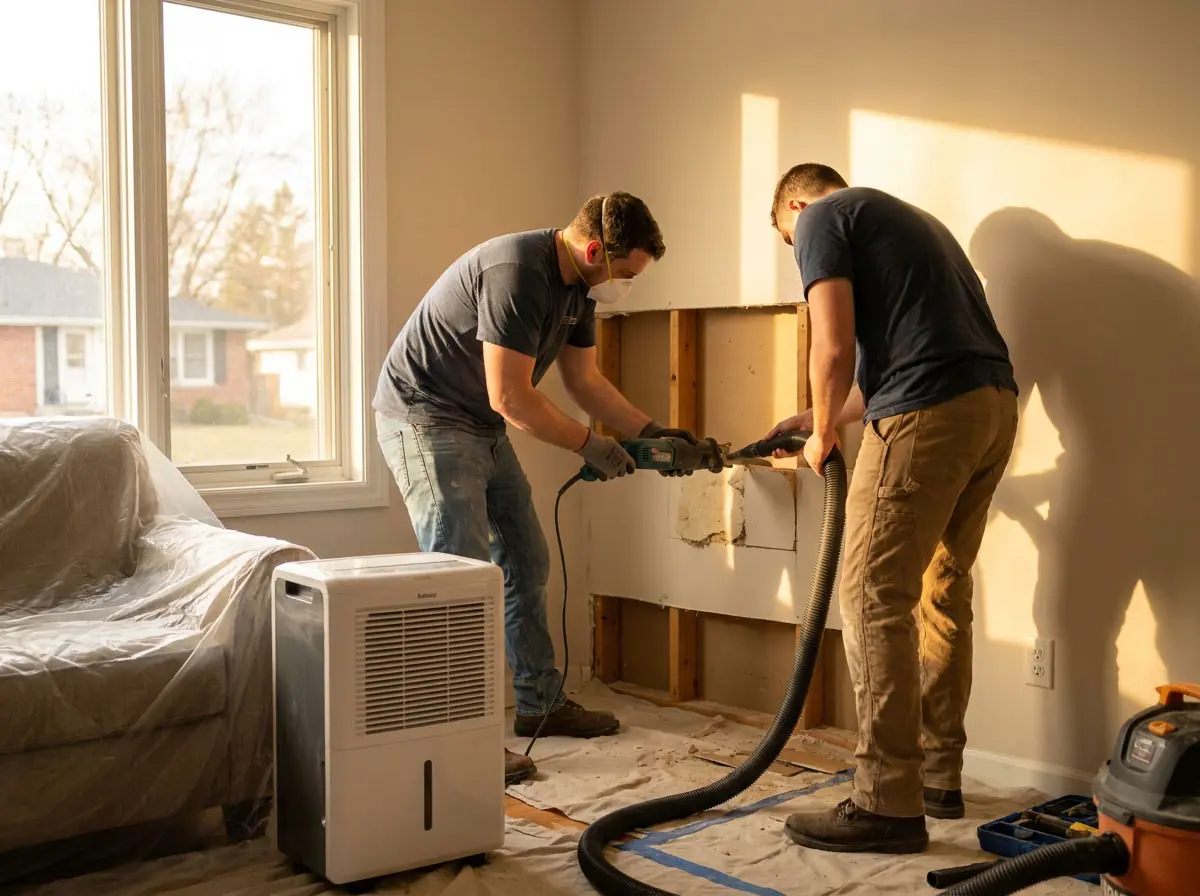
Identifying the Primary Sources of Crawl Space Flooding in Tampa
Tampa is paradise, but our high water table and intense seasonal downpours create a perfect storm for your foundation. When the ground becomes saturated, the water has nowhere to go but into the lowest point of your property.
Most crawl space flooding isn't just bad luck. It is usually the result of specific vulnerabilities that turn a standard Florida thunderstorm into a costly nightmare.
Common Culprits of Sub-Floor Saturation
To stop the water, you have to know where it enters. We see these triggers every single day:
- High Water Table Levels: During heavy rains, the groundwater rises and simply pushes through porous concrete or dirt floors.
- Improper Grading: If the dirt around your home slopes toward your foundation, you are essentially funneling rainwater directly under your house.
- Broken Plumbing Lines: Older pipes corrode in the humid environment, leading to hidden leaks that dump gallons of water under your home every hour.
- Gutter Downspouts: If your downspouts empty too close to the perimeter of your crawl space, they are likely dumping water directly into the dirt beneath your joists.
Do not wait for a hurricane to check your perimeter. A single compromised seal or a clogged drain can lead to moisture buildup that rots your floor joists from the inside out.
The Critical Dangers of Neglected Moisture and Mold Growth
Ignoring water under your home is the fastest way to turn a manageable issue into a financial disaster. In Tampa’s humid climate, moisture doesn't just sit there; it acts as a biological catalyst for destruction.
When the crawl space stays damp, your wooden floor joists start to soften. Once the wood loses its structural density, it becomes a literal magnet for termites and fungal decay that can compromise the safety of your entire living area.
Mold spores don't just stay trapped in the dirt. They travel upward through your floorboards and into the air your family breathes every single day.
Why Mold is Your Worst Enemy
The health risks are real and they get expensive fast. Exposure to toxic mold in a residential setting often leads to:
- Chronic respiratory issues and persistent coughing.
- Heightened allergic reactions and skin irritation.
- Debilitating fatigue caused by indoor air quality degradation.
- Long term damage to personal belongings stored in or near the crawl space.
It is not just about the smell. You are essentially living on top of a massive petri dish that is actively working to degrade your home’s value and your physical well-being. Once mold infiltrates your insulation and drywall, professional remediation becomes the only path to safety, which is why acting now is cheaper than waiting for the spread.

Step-by-Step Crawl Space Water Extraction and Sanitization Process
Professional water removal is not just about vacuuming out puddles. It is a disciplined tactical operation to stop structural decay before it gains a foothold in your Tampa home.
Our team moves through a strict sequence to ensure your home returns to a safe condition. Speed is our primary weapon against moisture.
The Extraction Phase
We start by cutting off the power to the affected area to keep our crew safe. Then, we use heavy duty submersible pumps to remove standing water.
After the bulk water is gone, we switch to high pressure wet vacs. We target every corner to ensure no pockets of moisture remain behind.
Sanitization and Structural Drying
Once the space is dry, the real work of restoration begins. We apply industrial grade antimicrobial agents to kill mold spores and stop them from returning.
- Remove all soaked insulation that has lost its protective value.
- Scrub floor joists to remove sludge and debris.
- Deploy commercial dehumidifiers to drop the moisture content in the wooden structure.
- Seal cracks in the foundation to prevent future leaks.
We do not leave until the wood moisture levels return to a certified safe range. Skipping these steps is how homeowners end up paying for the same repair twice.
Case Study: Restoring a South Tampa Property After Major Storm Infiltration
Last year, a South Tampa homeowner called us after a severe tropical storm pushed storm surge into their neighborhood. Their crawl space had become a reservoir for roughly six inches of brackish water, debris, and sewage runoff.
The situation was urgent because the moisture was already migrating up the floor joists. We arrived within two hours to stabilize the environment and prevent the house from becoming a total loss.
The Restoration Strategy
We executed a rapid recovery plan to save the wood framing from permanent rot. By moving fast, we avoided the high costs of structural beam replacement.
- Extraction: Used high-powered submersible pumps to remove the standing water immediately.
- Debris Removal: Physically cleared the silt and organic waste that the floodwaters left behind.
- Sanitization: Applied hospital-grade antimicrobial agents to neutralize bacteria and pathogens.
- Drying: Deployed industrial-grade commercial dehumidifiers to drop the moisture levels below 55 percent.
The results were immediate and transformative. Within 48 hours, the musty odor vanished and the moisture content in the wooden subfloor dropped back into the safe zone.
By taking decisive action instead of waiting for the water to evaporate, the homeowner preserved their property value. They avoided the common pitfall of mold remediation expenses that often follow improper flood drying.
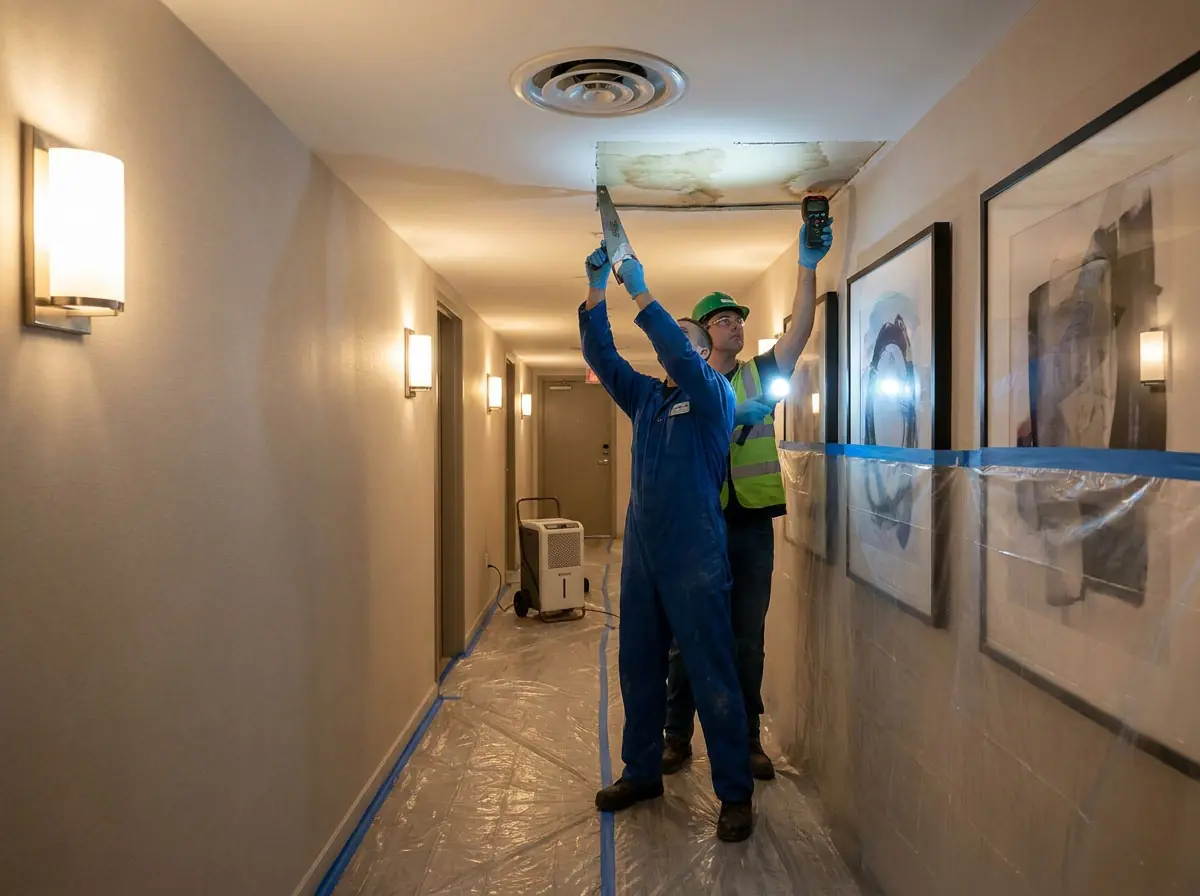
Cost Breakdown Table: Estimated Expenses for Professional Remediation
When you discover standing water under your Tampa home, the first thing you want to know is how much this mistake is going to cost you. Prices fluctuate based on the volume of water, the level of contamination, and how deep the mold has already dug in.
| Service Item | Estimated Price Range |
|---|---|
| Initial Water Inspection | $150 - $300 |
| Professional Water Extraction | $500 - $1,500 |
| Industrial Drying & Dehumidification | $600 - $2,000 |
| Mold Remediation & Sanitization | $1,000 - $4,000 |
| Vapor Barrier Installation | $1,500 - $3,500 |
Think of these costs as a down payment on your home’s structural survival. If you ignore a flooded crawl space, you are essentially inviting rot to feast on your floor joists, which turns a simple cleanup job into a massive renovation nightmare.
Most professional restoration companies charge based on the severity of the infiltration rather than a flat rate. Factors that will drive your total bill up include:
- The duration the water has been sitting stagnant.
- Whether sewage or storm runoff is mixed into the water.
- The square footage of the crawl space that requires treatment.
- The necessity of replacing water-logged insulation or subflooring.
Do not wait until the wood starts sagging to take action. Investing in professional extraction now keeps your home safe and saves you thousands in long-term repairs that insurance may not always cover.
Essential Prevention Strategies to Keep Your Crawl Space Dry Year-Round
Stopping water before it settles under your house is the single best way to save your bank account. In a humid climate like Tampa, moisture management is a full-time battle that you must win to keep your home standing strong.
You cannot just seal the vents and hope for the best. You need a proactive strategy that moves water away from the foundation rather than letting it pool underneath.
Proactive Defense Tactics
- Install a high-quality sump pump system with a battery backup to handle sudden Florida downpours.
- Extend your downspouts at least ten feet away from the home to prevent runoff from saturating the soil near your foundation.
- Regrade your yard so that the ground slopes away from your home, ensuring that gravity works in your favor instead of against it.
- Install a thick, durable vapor barrier to cover the exposed dirt, which acts as a shield against rising ground moisture.
Check your gutters every few months to ensure they are free of leaves and debris. A clogged gutter turns into a waterfall that pours directly against your siding and leaks right into your crawl space.
If you see standing water regularly, consider professional encapsulation. By completely sealing the space from external air and moisture, you create a dry environment where mold simply cannot survive. This small investment pays for itself by preventing the massive structural repairs that happen when wood rot takes hold.
Final Words
Waiting for the water to dry on its own is a gamble you will eventually lose. Every hour that liquid sits against your joists, the repair costs climb, and the air quality in your living room takes a hit.
Professional Crawl Space Water Removal is not just about moving water. It is about protecting the asset you worked so hard to buy.
If you see signs of dampness or smell that unmistakable earthy rot, take action immediately. Here is why speed matters:
- Mold spores can bloom in as little as 24 to 48 hours.
- Untreated moisture weakens wood until it crumbles under foot traffic.
- Pest infestations love the dark, soggy conditions created by standing water.
You do not need to let a damp crawl space hold your property hostage. Bringing in experts to extract the water and sanitize the zone ensures your foundation remains rock solid and your air stays breathable.
Reach out to a team that understands the specific humidity challenges we face in Tampa. A dry crawl space is the best insurance policy for your home, your wallet, and your family.
People Also Ask
Does homeowners insurance cover crawl space water removal in Tampa?
Coverage depends on your specific policy and whether the water intrusion resulted from a sudden pipe burst or gradual flooding. Most standard policies exclude flood damage, so you should check your documents or contact your provider to confirm your coverage status.How do I know if my Tampa crawl space has a mold problem?
You might notice a musty, earthy odor inside your home or see visible signs of fungal growth on floor joists and insulation. Excess moisture in your crawl space can quickly lead to mold, which often requires professional containment and removal.Can I dry out a flooded crawl space on my own?
While small amounts of surface water might be manageable, large scale infiltration in humid climates like Tampa requires industrial grade equipment to prevent structural damage. Professional extraction ensures all moisture is removed from porous materials, which effectively stops the development of harmful pathogens.Why is crawl space encapsulation necessary in Florida?
Encapsulation seals the area with a heavy duty vapor barrier to prevent groundwater and high humidity from affecting your home. This process helps maintain a stable indoor environment and protects your floor framing from rot and wood destroying organisms.How long does the professional water removal process take?
The timeframe varies based on the amount of water present and the duration of the saturation, but most projects take between two to five days. Our team focuses on thorough moisture mapping to ensure every corner is completely dry before we finalize the sanitization process.Need Water Damage Restoration Services?
We provide rapid water damage restoration across Tampa and the surrounding areas to stabilize your property and prevent further structural damage. Our response teams act immediately to extract water and restore your home to its pre-loss condition (33602, 33606, 33609, 33611).
Request Custom Estimate