


⚡ TL;DR: This guide helps Tacoma residents navigate effective basement flooding cleanup by explaining how to identify water sources, manage safety risks, and implement long term solutions for home protection.
📋 What You’ll Learn
Navigating basement flooding in Tacoma requires quick, informed action to protect your home from moisture damage. This article provides essential insights into managing local water emergencies and preventing future structural issues effectively.
- Identify specific flooding sources by learning how to distinguish between common seepage, accidental pipe bursts, and hazardous sewage backups that frequently affect homes built across Tacoma’s unique terrain.
- Prioritize immediate safety measures to protect your household from electrical hazards and hidden mold growth while ensuring you know exactly which utilities to shut off during an active flood.
- Compare professional restoration versus DIY methods to understand where you can safely manage the cleanup process yourself and when hiring a certified team is necessary for your health.
- Implement lasting waterproofing solutions through expert strategies designed for our rainy climate, helping you secure your foundation against soil saturation and the high water table for years ahead.
📖 Reading time: 8 min
✍️ Author expertise: Tacoma water damage technician with over a decade of hands-on basement restoration experience.
You wake up to a strange, damp smell wafting from downstairs, walk to the basement stairs, and realize your storage boxes are floating in an inch of murky water. It is a homeowner’s nightmare, but in a wet climate like Tacoma, it is often just a matter of time before the rain finds a way inside.
Most people panic, grab a shop vac, and start working without a plan. That is exactly how you turn a minor leak into a structural disaster and a massive insurance headache.
Before you touch a single item or plug in a fan, you need to understand exactly what is happening beneath your foundation. Here is what you must do before the water causes permanent damage to your home.
The Hidden Dangers of Tacoma’s High Water Table and Soil Saturation
Tacoma sits in a unique geography where the soil acts like a sponge during our relentless wet seasons. When the ground becomes fully saturated, the water table rises right up against your foundation walls.
This creates immense hydrostatic pressure. That pressure forces moisture through microscopic cracks in your concrete, turning a solid foundation into a porous filter for groundwater.
You might see a small damp spot today, but don't ignore it. That moisture is a sign that your home is losing the battle against the rising earth beneath it.
Why Tacoma Soil Spells Trouble
The composition of our local soil often includes high amounts of glacial till and clay. While these materials are stable when dry, they become heavy and expansive when drenched.
- Clay soils swell and push against basement walls, creating structural stress.
- High water tables mean your sump pump is likely running far more often than you realize.
- Groundwater can carry silt and debris into your home, which is much harder to clean than simple rain runoff.
Ignoring these factors leads to more than just a wet carpet. Constant soil saturation accelerates concrete degradation and provides the perfect humid environment for toxic mold colonies to thrive behind your drywall.
Emergency Response: Immediate Safety Priorities and Utility Precautions
Before you step into that standing water, pause. Your safety is more important than your family heirlooms or those old tax records.
Water and electricity are a deadly mix. If your electrical panel is located in the basement, do not walk through the water to reach it.
Follow these critical steps to keep yourself out of the emergency room:
- Turn off the main power from outside the home or at an upstairs breaker box if you can safely reach it.
- Do not touch light switches or plugged-in appliances while standing in or near the water.
- Wear rubber boots and heavy gloves to protect your skin from potential contaminants.
- Call your utility provider immediately if you suspect water has reached the gas lines or the main electrical feed.
If you see sparks, hear buzzing sounds, or smell rotten eggs, get out of the house immediately. That odor could be a natural gas leak, which creates an explosion risk alongside the flooding.
Once you are physically safe, contact your insurance company to document the situation. Take photos of everything before you move a single item, as these visuals are your strongest evidence during the claims process.

Identifying the Source: Distinguishing Between Seepage, Pipe Bursts, and Sewage Backups
Before you start bailing water, you must figure out what kind of disaster you are dealing with. Treating a sewage backup like simple rainwater is a major health risk that could land you in the hospital.
Use this guide to determine exactly what has breached your space:
- Seepage: Usually occurs after heavy rain; water pushes through cracks in the foundation because the soil outside is fully saturated. It is typically clear, odorless, and slow-moving.
- Pipe Bursts: This results in a sudden, high-pressure spray or steady stream. If the water stops when you shut off your main valve, you have found your culprit.
- Sewage Backups: This is a hazardous situation. If the liquid is dark, foul-smelling, or contains debris from your toilets or drains, leave the basement immediately and call a professional.
Determining Your Water Category
Every type of flood carries a different level of toxicity. Understanding these categories is the first step toward effective remediation.
| Water Source | Category | Risk Level |
|---|---|---|
| Broken Supply Line | Category 1 (Clean) | Low |
| Sump Pump Failure | Category 2 (Grey) | Moderate |
| Groundwater Seepage | Category 2 (Grey) | Moderate |
| Toilet Overflow | Category 3 (Black) | High |
| Sewage Line Break | Category 3 (Black) | Critical |
If you find Category 3 water, do not attempt to clean it yourself. This water contains pathogens, bacteria, and viruses that require specialized protective gear and industrial-grade disinfectants to neutralize properly.
Even if the water looks clear, remember that it can turn contaminated very quickly if it touches chemicals, detergents, or soil. When in doubt, assume the worst and keep your distance until we arrive to inspect the site.
Professional Remediation vs. DIY Limits: A Table of Risks and Cost Comparisons
Most Tacoma homeowners think they can save a few bucks by renting a pump and drying out the basement themselves. While that might work for a tiny puddle, basement flooding is rarely just about standing water; it is about what the water leaves behind.
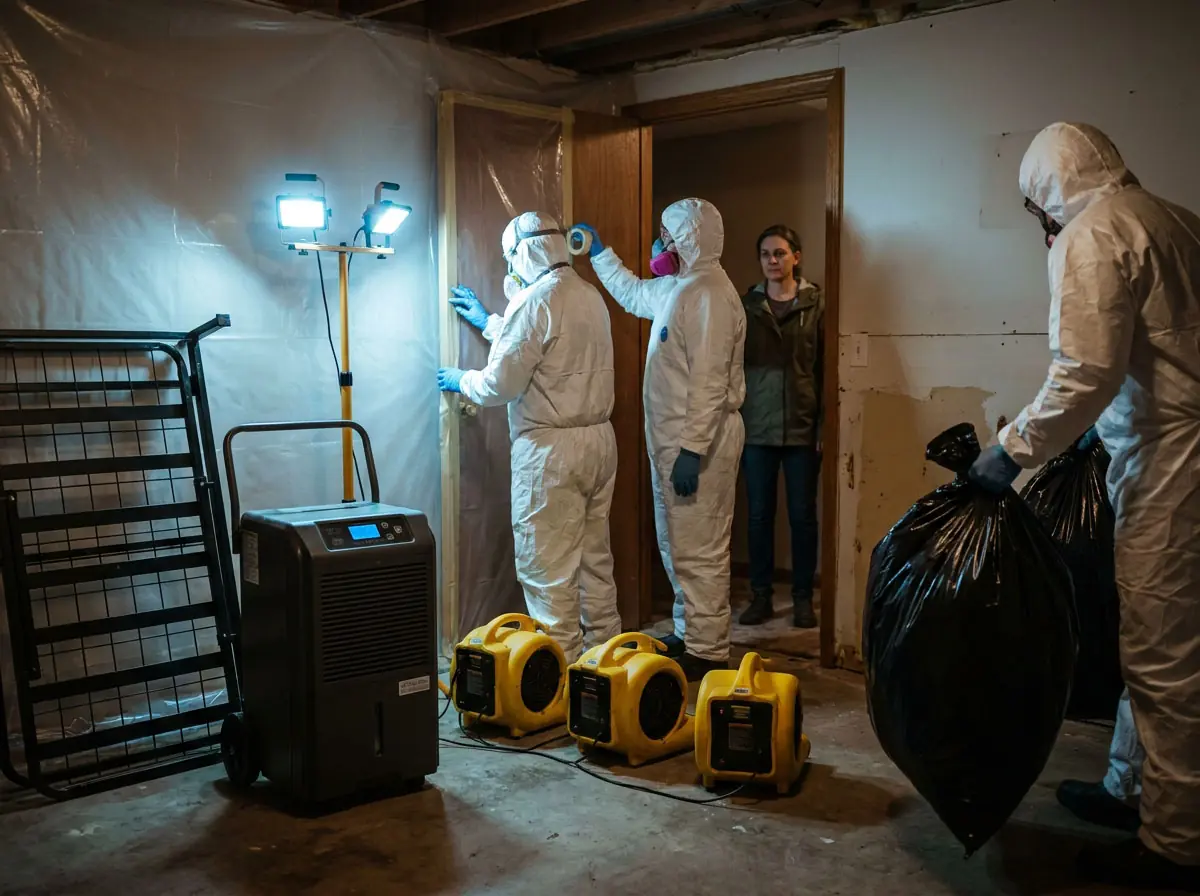
When you handle the cleanup solo, you often ignore the microscopic hazards lingering in the drywall, insulation, and floor joists. If you miss even a small patch of moisture, mold spores will colonize in under 48 hours, leading to thousands in future remediation costs.
| Factor | DIY Cleanup | Professional Restoration |
|---|---|---|
| Mold Prevention | Often incomplete | Guaranteed certified clearance |
| Equipment Used | Consumer shop vac | Industrial dehumidifiers |
| Insurance Claims | High denial risk | Full documentation provided |
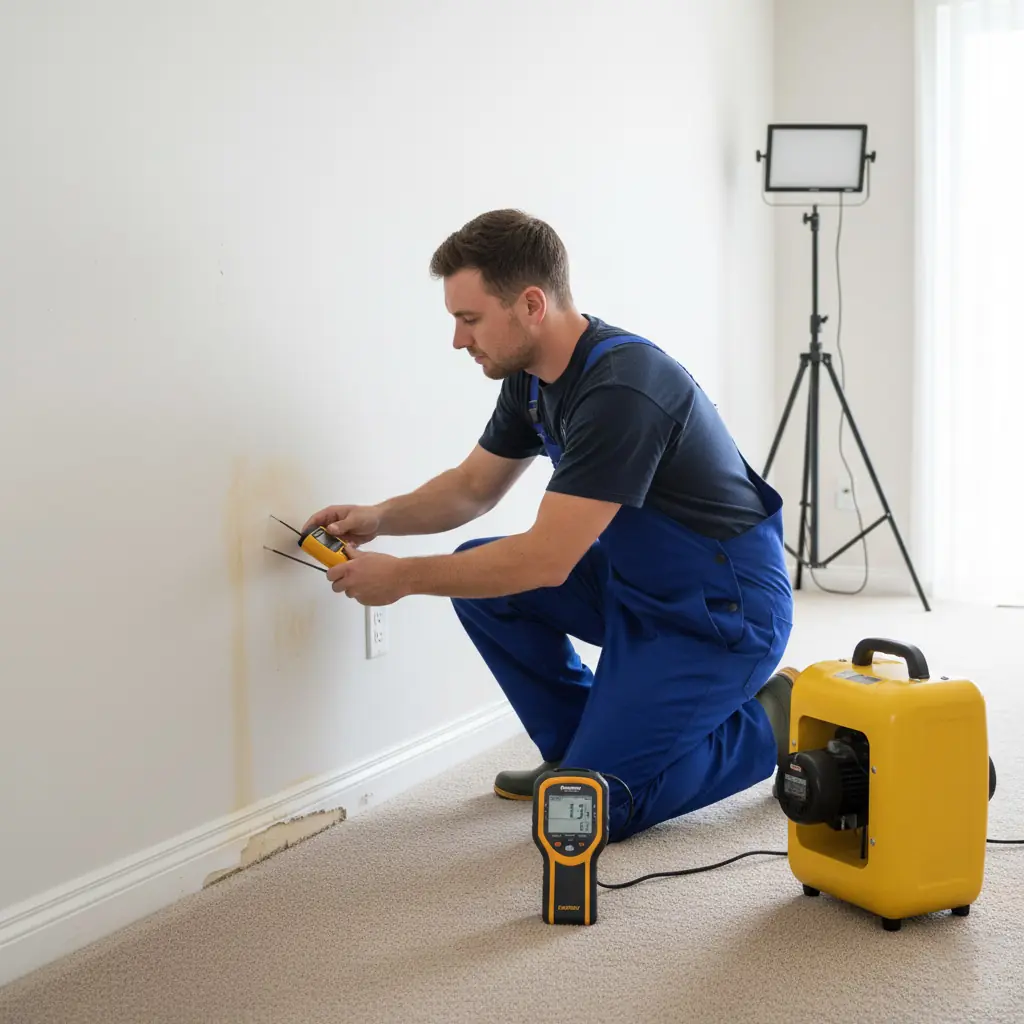
| Hidden Damage | Usually missed | Detected with moisture meters |
| Health Safety | Risky exposure | Full PPE protocols |
Professional restoration is not just about moving fast; it is about structural preservation. We use thermal imaging and high capacity air movers to dry out materials that look dry on the surface but are actually soaked to the core.
Consider these critical risks before you grab that bucket:
- Contamination: Groundwater in Tacoma often carries pesticides, silt, or raw sewage that standard household cleaners cannot neutralize.
- Electrical Hazards: Water and basement wiring are a lethal mix, and you might not know if a circuit is live until it is too late.
- Insurance Bottlenecks: If you perform the work incorrectly, your insurance carrier may point to your amateur efforts as the cause for denied claims later down the line.
Attempting a DIY fix on a major basement flood is like trying to perform surgery on yourself with a kitchen knife. You might patch the surface, but you are leaving the infection inside the walls to fester.
Lessons from Tacoma Basement Restoration
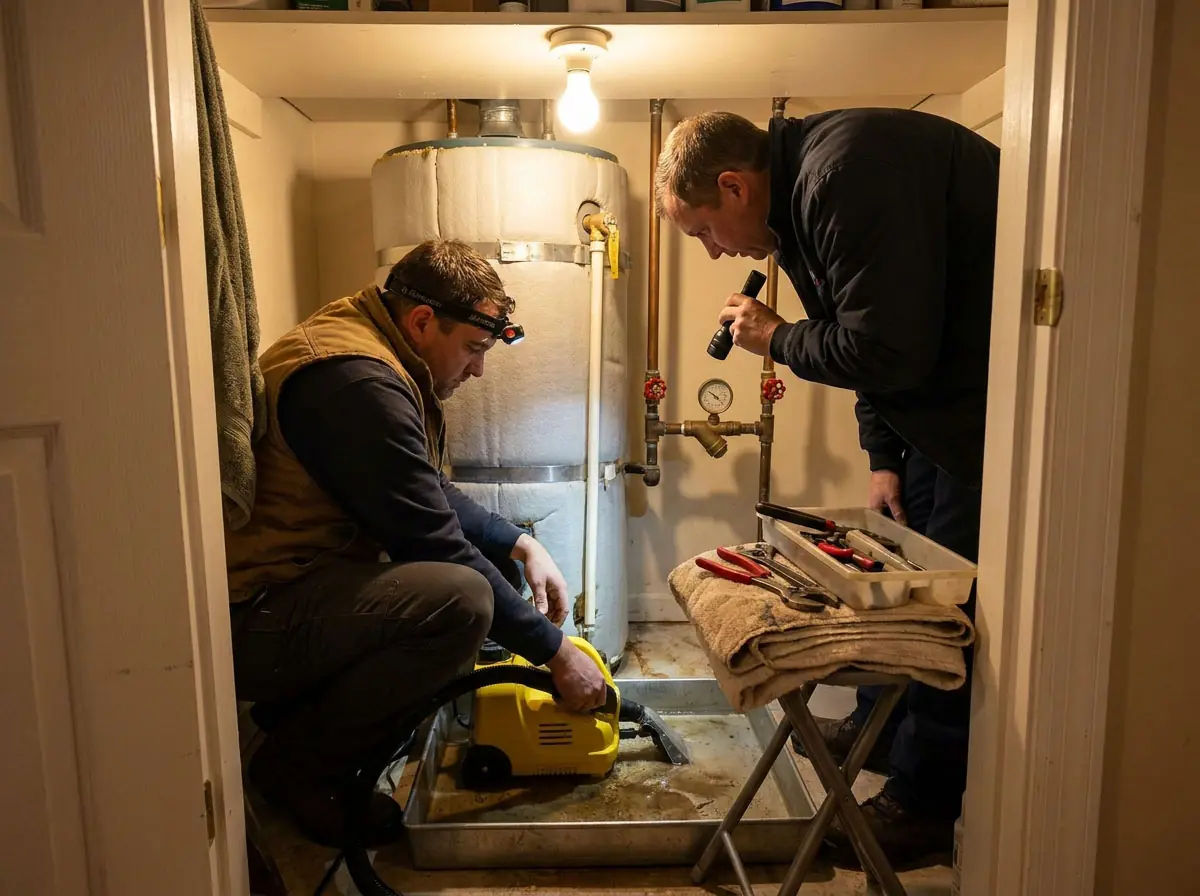
Last winter, a Tacoma family called us in a panic after finding three inches of water in their finished basement. They assumed it was a simple pipe leak, but our team discovered a much more aggressive culprit: a failed sump pump system combined with soil saturation that had been pushing against their foundation for weeks.
Because they tried to dry the area with household heaters, the moisture became trapped behind their drywall. This created a perfect environment for toxic mold growth in under 48 hours. Had they called us immediately instead of trying to patch the walls themselves, they would have saved thousands in reconstruction costs.
Here is what we learned from that specific incident:
- Moisture behaves like a liquid sponge; it travels behind baseboards and into wall cavities where you cannot see it.
- Standard household fans often push air into wet materials, which accelerates microbial growth rather than drying the structure.
- Water intrusion from high water tables requires industrial grade extraction, not just simple mopping or vacuuming.
The biggest takeaway from this job is that hidden moisture is your home’s worst enemy. If you notice signs of seepage in your Tacoma home, treat it as an emergency immediately. Procrastination is expensive, and in this climate, it is almost always a losing game.
Implementing Long-Term Waterproofing and Structural Mitigation Strategies
Once the water is cleared and your home is dry, the real work begins. You cannot simply patch a wall and hope for the best in a city like Tacoma where heavy rain is a constant companion. Permanent protection requires a proactive shift in how your home interacts with the soil and groundwater.
Consider these vital upgrades to harden your basement against future storms:
- Install an interior or exterior french drain system to intercept groundwater before it enters your living space.
- Upgrade to a high-capacity sump pump equipped with a battery backup; without power during a storm, your pump is just an expensive paperweight.
- Regrade the soil around your foundation to ensure water flows away from the walls rather than pooling against them.
- Seal foundation cracks with professional-grade hydraulic cement that expands as it cures to block moisture entry.
Most homeowners assume their gutters are doing the job, but often they are the main culprit. If your downspouts discharge water right at the base of your foundation, you are essentially pouring a swimming pool into your own basement every time it rains. Extend those downspouts at least six feet away from your home to move the water toward the street or a dedicated drainage zone.
Think of your basement like a boat; if you have a hole in the hull, you do not just keep bailing out water. You must patch the leak. Adding a vapor barrier or moisture-resistant insulation can also provide a secondary defense, ensuring that any residual dampness does not result in toxic mold growth later. Investing in these structural defenses today will save you thousands of dollars and countless headaches during the next inevitable Tacoma deluge.
Final Words
Basement flooding in Tacoma is rarely just about water on the floor. It is a war against time and structural decay that requires a cold, calculated approach.
If you ignore the source, you are essentially paying for a temporary fix while the foundation rots away. Take a breath, secure your electrical supply, and call for help before the hidden damage costs you your equity.
Need professional guidance? Our team specializes in comprehensive Basement Flooding Cleanup to ensure your property remains a safe, dry asset for years to come.
The Checklist for Every Tacoma Homeowner
Keep these priorities top of mind when the rain starts to push back:
- Never step into standing water if your power is still active.
- Document everything with high resolution photos for your insurance adjuster.
- Avoid the urge to dump household chemicals or bleach into the mix.
- Call a professional to test for sewage contamination immediately.
Your home is likely your biggest investment. Do not gamble its integrity on a store bought pump and a bit of optimism.
People Also Ask
Is basement flooding covered by standard homeowners insurance in Tacoma?
Most standard homeowners insurance policies do not cover damage caused by external flooding or groundwater seepage. You typically need a separate flood insurance policy through the federal government to protect your property against these specific water events.What is the first thing I should do if I find water in my basement?
Your immediate priority is to ensure safety by turning off the electricity to the affected area if you can reach the breaker panel safely. Avoid walking through standing water until you confirm that the power is off and verify that there is no risk of sewage contamination.How do I know if my basement flooding is caused by a sewer backup?
A sewer backup is often indicated by a foul odor and the presence of raw sewage or debris coming up through floor drains or toilets. Unlike clear water seepage, sewage backups pose severe health risks and require specialized professional decontamination services.Can I dry out a flooded basement using only fans and a dehumidifier?
While small amounts of water can sometimes be managed with equipment, professional remediation is necessary to ensure the structural integrity of your home. Experts use industrial grade moisture meters to detect hidden saturation in wall cavities that can lead to long term mold growth.Why is soil saturation such a big problem for Tacoma homeowners?
Tacoma frequently experiences high water tables and heavy rainfall that keeps the surrounding soil perpetually saturated. This puts significant hydrostatic pressure on foundation walls, which forces moisture through even the smallest cracks in your basement concrete.Need Water Damage Restoration Services?
We provide rapid water damage restoration to stabilize your property and prevent further structural issues throughout Tacoma and surrounding communities (98402, 98405, 98406, 98409, 98418). Our team arrives quickly to extract water and initiate immediate drying to restore your home or business.
Request Pricing Estimate