
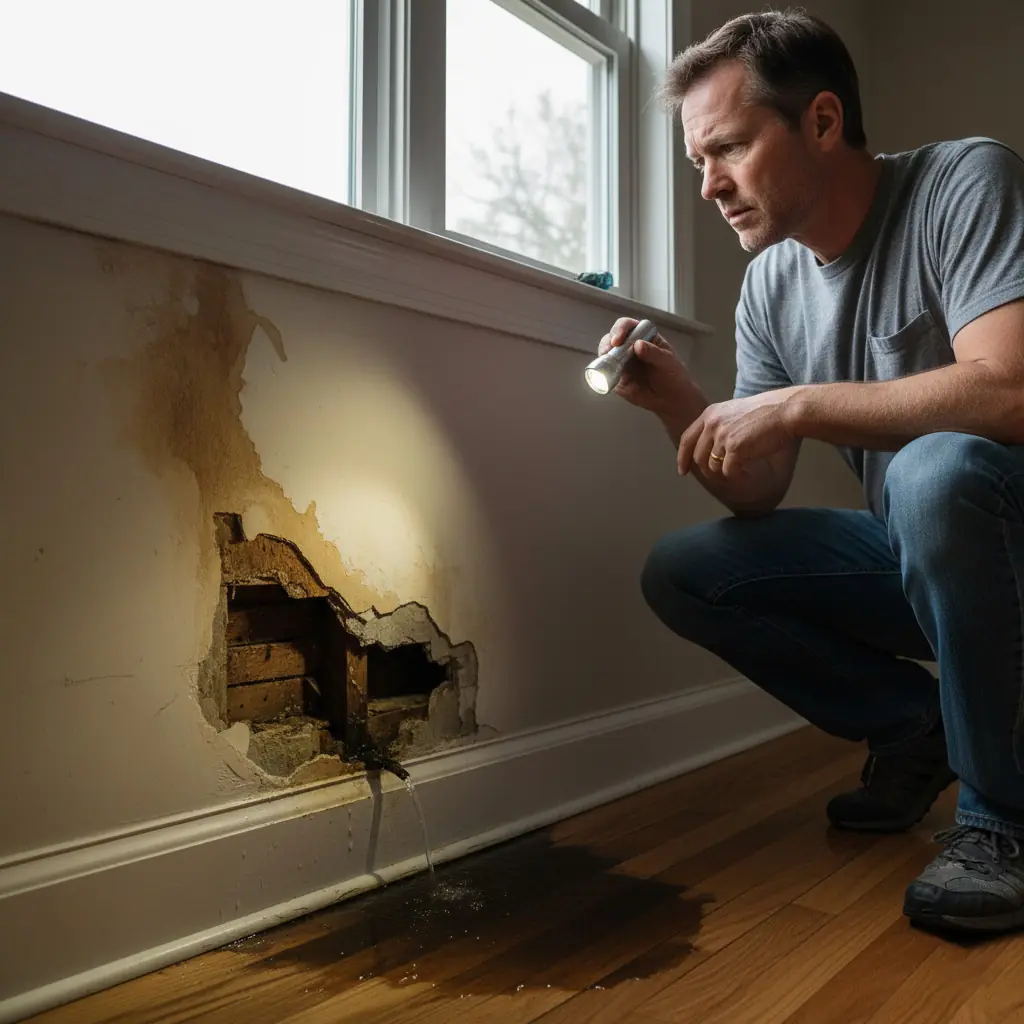


⚡ TL;DR: Homeowners in Surprise can effectively manage hardwood floor water damage by following expert drying procedures and utilizing professional moisture mapping to prevent long term structural decay or mold.
📋 What You’ll Learn
Discover essential strategies for protecting your hardwood floors from water damage in the Surprise, Arizona climate. This guide provides actionable steps to mitigate moisture, identify hidden risks, and save your flooring.
- Execute immediate mitigation steps to stabilize your home environment and stop water from soaking deeper into hardwood planks, preventing long term warping or permanent damage to your beautiful floor.
- Utilize professional moisture mapping to identify exactly where water has trapped beneath floorboards, ensuring that no hidden dampness remains to cause subfloor mold or structural decay over time.
- Implement specialized drying techniques designed to rescue cupped or buckled hardwood through controlled evaporation, allowing you to restore your floors without needing a complete and expensive total replacement.
- Analyze repair versus replacement costs by reviewing our expert assessment table, which helps you make an informed financial decision based on the specific condition of your damaged hardwood.
📖 Reading time: 7 min
✍️ Author expertise: Certified water damage restoration expert providing professional floor salvage services in Surprise, Arizona.
You wake up to the sound of a slow, rhythmic drip, only to find your beautiful hardwood floors cupping and darkening under a spreading pool of water. It is the kind of sight that makes your stomach drop because you know exactly how much those floors cost to install.
In the dry heat of Surprise, Arizona, moisture behaves differently, but the clock is ticking just as fast to prevent permanent structural decay. The faster you act, the higher the odds that you can pull those boards back from the brink of total ruin.
Here is how you can stop the damage in its tracks before your floor becomes a costly total loss.
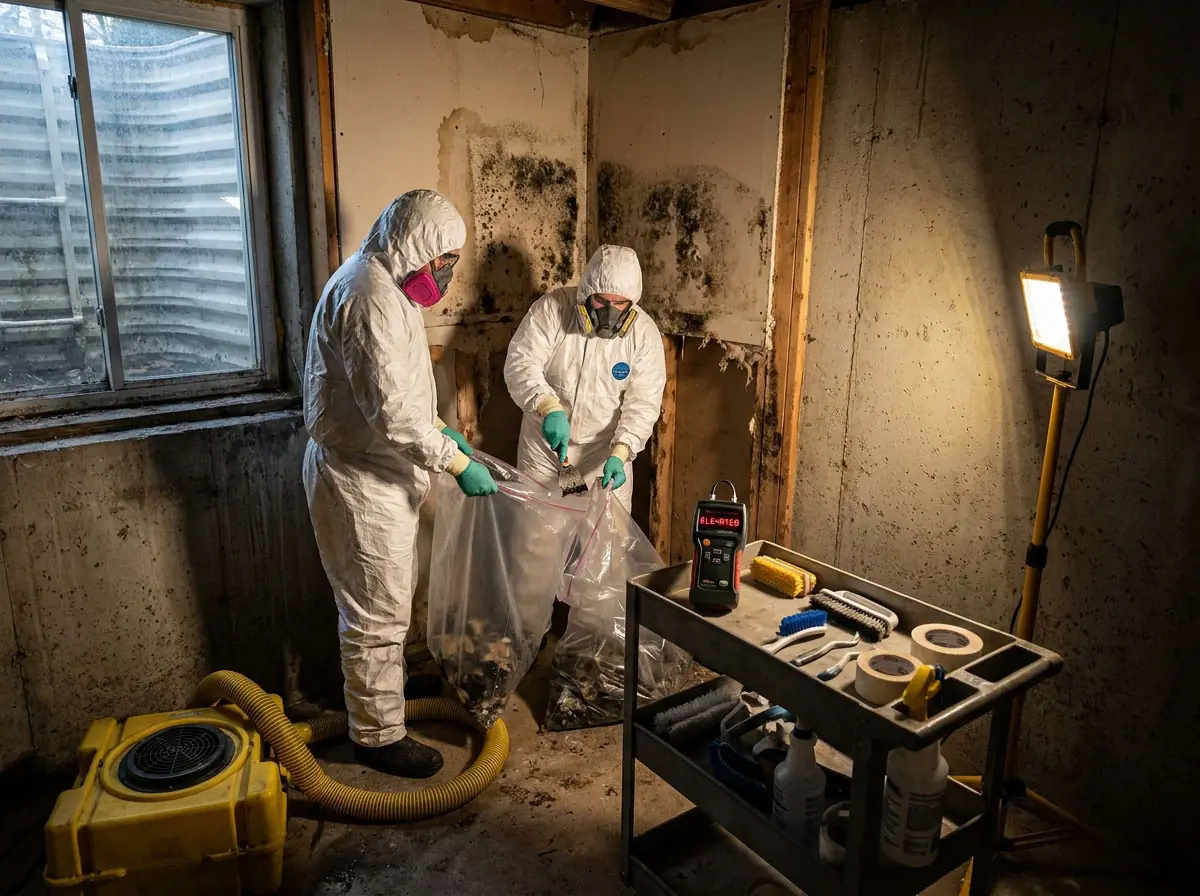
Immediate Steps to Mitigate Water Damage in the Arizona Climate
Speed is your best friend when water hits your hardwood. You must stop the flow at the source immediately, whether it is a broken pipe or a leaking HVAC unit.
Once the water is off, grab your shop vac. Remove as much standing liquid as possible before it has a chance to soak deep into the grain of your wood.
Do not wait for the desert heat to dry it out for you. High humidity trapped under planks causes warping and buckling faster than you might think.
Follow these urgent steps to protect your investment:
- Shut off the main water supply to stop the source.
- Use a wet-dry vacuum to clear all visible surface water.
- Clear the area of furniture to expose the wet surface to air.
- Set up fans to circulate air across the floor, but keep them on a low setting to avoid sudden cracking.
- Dehumidify the room immediately to pull moisture out of the boards.
Avoid the temptation to crank your thermostat up to extreme levels. Rapid drying can cause the wood to shrink too quickly and lead to permanent cracks in the finish.
Keep the room stable and call for a professional inspection. You need to see if moisture has seeped beneath the wood where it will stay trapped indefinitely without industrial equipment.
Why Surprise Homeowners Must Prioritize Professional Moisture Mapping
You might think your floors are dry because the surface looks fine, but hardwood is a sponge. In the intense heat of Surprise, Arizona, surface evaporation happens quickly, often tricking homeowners into believing the danger has passed.
Professional moisture mapping is the only way to see what is happening beneath the boards. Without high-end sensors, you are essentially guessing, and that is how hidden rot begins to take hold.
Our technicians use specialized equipment to identify exactly where water has migrated. We do not just look at the visible wet spot; we find the moisture traveling along the subfloor, behind baseboards, and into adjacent rooms.
Why Precision Matters
If you leave even a small pocket of saturation, you are inviting disaster. Here is what we look for when we map your home:
- Hidden thermal anomalies in the flooring structure.
- Saturation levels deep within the wood grain that typical surface meters miss.
- Water wicking into nearby drywall or structural framing.
- Risk zones where mold spores love to settle.
Professional mapping changes the game from a "wait and see" approach to a calculated rescue mission. By pinpointing the exact depth and reach of the water, we avoid unnecessary demolition and ensure every board is truly dry before we call it a job well done.

The Hidden Risks of Trapped Moisture: Preventing Subfloor Mold and Decay
You might think that because Surprise is hot and dry, water damage will just evaporate on its own. That is a dangerous myth that costs homeowners thousands in repairs.
When water seeps into the seams of your hardwood, it travels downward. It settles into the subfloor, creating a dark, damp environment that is the perfect breeding ground for mold and wood rot.
This trapped moisture creates a ticking time bomb beneath your feet. Even if the surface of the floor feels dry to the touch, the foundation underneath could already be failing.
Why The Subfloor Matters
If mold takes hold in your subfloor, it releases spores into your indoor air. This compromises your home air quality and often requires a professional remediation process before you can even think about replacing the finish flooring.
Watch for these warning signs that decay is already taking place:
- A lingering, musty smell that refuses to go away.
- Soft or spongy spots when you walk across specific areas.
- Dark staining that appears to grow outward from beneath the baseboards.
- Visible mold growth or white efflorescence on the subfloor surface.
Ignoring these symptoms only accelerates the rate of structural deterioration. Once the wood begins to decay, it loses its integrity, which might require you to pull up the entire floor rather than simply drying it out.
Restoration Strategies: Techniques for Drying and Rescuing Cupped Hardwood
When your floors start to cup, the wood fibers have absorbed enough water to expand and push against one another. In our arid Surprise climate, we often see homeowners try to blast the AC to dry the room out, but that is a mistake. Rapid drying can actually cause the wood to crack or split because it loses moisture too fast.
Professional restoration follows a precise, science-backed approach to reverse this pressure. We focus on controlled evaporation to coax the moisture out of the timber safely.
Key Drying Methods
- Dehumidification: We place industrial-grade units to pull moisture directly from the air, creating a dry environment that forces the wood to release water.
- Injection Drying: Using specialized mats, we pump warm, dry air directly beneath the floorboards to target the moisture trapped near the subfloor.
- Sanding and Refinishing: Once the moisture levels return to the equilibrium moisture content of your home, we lightly sand away the cupped ridges to restore a level surface.
Do not wait for the cupping to harden into a permanent shape. If the boards are left in a distorted state for too long, the cellular structure of the wood becomes locked, making it impossible to sand back to a flat finish. Time is your biggest enemy when dealing with saturated hardwoods.
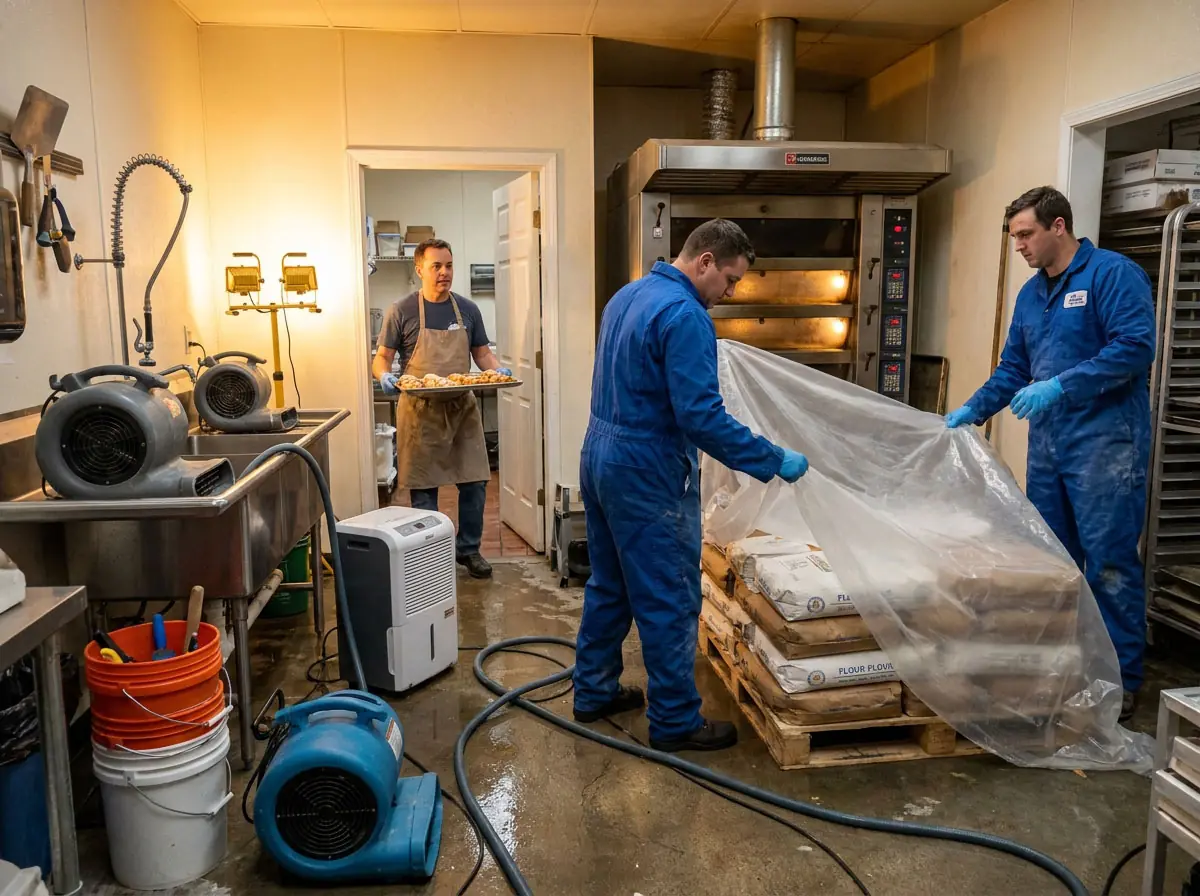
Case Study: Successfully Restoring Heritage Oak Flooring in a Surprise Residence
We recently took a call from a homeowner in Surprise whose heritage oak floors were hit by a sudden pipe burst behind the kitchen cabinetry. The water had seeped deep into the tongue and groove, causing the planks to buckle and raise significantly within forty-eight hours.
Instead of ripping out the entire floor, we implemented a targeted drying protocol. By using high-velocity air movers and dehumidification systems tailored to the local desert environment, we managed to draw the moisture out slowly without cracking the vintage wood.
The result was remarkable; the boards flattened back to their original position without leaving a trace of the damage. Here is a breakdown of how we handled that specific situation:
- Isolated the affected zone with heavy-duty containment barriers to control humidity levels.
- Installed specialized mat drying systems directly onto the cupped planks to force airflow into the subfloor.
- Monitored moisture content levels twice daily until they reached the equilibrium point of the surrounding structure.
Saving a floor like this requires precision and patience rather than brute force. We knew that rushing the process in our dry Arizona heat would have caused the wood to splinter. By keeping the drying rate steady, we protected the integrity of the oak while avoiding the massive cost of a full floor replacement.
A Damage Assessment Table for Estimating Repair vs. Replacement Costs
Deciding between a patch job and a full floor replacement is the biggest financial choice you will face after a leak. You need to look past the surface level warping to see if the underlying wood fibers have reached the point of no return.
| Damage Severity | Visible Signs | Likely Outcome | Cost Comparison |
|---|---|---|---|
| Low | Minor swelling, light staining | Professional drying | Budget Friendly |
| Moderate | Noticeable cupping, finish peeling | Sanding and refinishing | Mid-Range |
| Severe | Black mold, structural rot | Full replacement | High Investment |
| Extreme | Buckling boards, subfloor damage | Subfloor and floor redo | Maximum Cost |
If you see black spots or fuzzy growth on the joints of your boards, the rot has likely moved into the core. At this stage, trying to sand down the wood is just throwing good money after bad. You are no longer dealing with a cosmetic issue; you are dealing with a structural failure.
Consider these critical factors when you evaluate your specific situation:
- The age and quality of your existing hardwood installation.
- Whether the water source was clean, grey, or hazardous waste.
- How long the moisture was allowed to sit beneath the finish.
If the wood has permanently distorted or if the tongue and groove connections have snapped under pressure, replacement is the only honest option. Saving the floor is a noble goal, but sometimes the smartest move is a clean slate to ensure your home remains safe and level for years to come.
Final Words
Waiting for the wood to dry on its own is a gamble you will likely lose. In the arid Surprise climate, the top of the board might feel dry while trapped moisture continues to feast on the subfloor and joists underneath.
Taking immediate action prevents the microscopic spores of mold from taking hold. If you have any concerns about the integrity of your planks, review our Hardwood Floor Water Damage protocols to understand why professional intervention is the only way to ensure a full recovery.
Remember that speed is your greatest asset in this fight. The longer you hesitate, the higher the likelihood of irreversible warping or fungal growth.
Key Priorities for Property Owners
- Shut off the water source immediately to stop the flow.
- Extract standing water using a shop vacuum or industrial pump.
- Contact a restoration team that specializes in deep-moisture detection.
- Keep the room ventilated to promote evaporation without sacrificing structural safety.
Your floors are a significant investment in your home's aesthetic and market value. Do not let a temporary pipe burst turn into a permanent financial headache.
People Also Ask
Can hardwood floors be saved after water damage?
Yes, hardwood floors can often be saved if professional drying equipment is used quickly. The success of the restoration depends on how much water was absorbed and how fast moisture extraction began.How long does it take for hardwood to warp after a leak?
Hardwood can begin to cup or warp within 24 to 48 hours of exposure to standing water. Prompt intervention is critical to stop the wood fibers from swelling permanently.Is mold likely to grow under my wet wood floors?
Trapped moisture creates an ideal environment for mold growth between the floorboards and the subfloor. According to the EPA, controlling moisture is the most effective way to prevent indoor mold infestations.Does homeowners insurance cover water damaged floors in Surprise, AZ?
Coverage typically depends on whether the damage resulted from a sudden event, like a burst pipe, rather than gradual wear or neglect. You should review your specific policy and contact your provider immediately after a leak is discovered.Why is professional moisture mapping necessary for wood floors?
Standard moisture meters often miss pockets of water trapped deep within the subfloor or beneath heavy furniture. Professional mapping ensures that restoration experts dry every affected area to prevent hidden structural decay.Need Water Damage Restoration Services?
We provide rapid water damage restoration and structural drying services to restore your property quickly in Surprise and surrounding areas (85374, 85379, 85387, 85396). Our team arrives on-site immediately to mitigate damage and return your home or business to a safe, pre-loss condition.
Request Price Estimate