


⚡ TL;DR: Homeowners in Sugar Land can protect their investments from hardwood floor water damage by learning how to identify signs of moisture and when to hire professional restoration experts.
📋 What You’ll Learn
Water damage to your Sugar Land hardwood floors requires rapid intervention to prevent permanent structural loss. This article provides essential steps to mitigate moisture, identify damage, and restore your beautiful home flooring.
- Execute emergency water mitigation tactics to immediately stop moisture from penetrating deeper into your hardwood planks and subflooring before irreversible warping or wood rot begins to take hold.
- Recognize specific indicators of moisture such as cupping, crowning, and buckling so you can accurately assess the severity of your floor damage and determine the best restoration strategy.
- Evaluate professional drying techniques versus DIY by weighing the significant long term risks of improper moisture removal against the safety and precision offered by industrial grade restoration equipment.
- Implement effective humidity control strategies to protect your investment from the harsh Texas climate and ensure your hardwood floors remain stable against future water damage and environmental stress.
📖 Reading time: 8 min
✍️ Author expertise: Local water damage restoration expert with years of field experience in Sugar Land.
You wake up to the sound of a slow drip in the kitchen, only to find your beautiful hardwood floors cupping and darkening under a pool of standing water. That sinking feeling in your gut is real because you know exactly how much those floors cost and what replacing them would do to your bank account.
In a humid climate like Sugar Land, moisture doesn't just sit there. It attacks the structural integrity of your home from the ground up, turning a minor leak into a major financial nightmare if you move too slowly.
The good news is that your floors are not necessarily headed for the dumpster just because they got wet. Here is exactly what you need to do right now to stop the rot and save your investment before the damage becomes permanent.

Immediate Emergency Steps to Mitigate Water Damage
When water touches your hardwood, the clock starts ticking immediately. You do not have the luxury of waiting for an insurance adjuster or a convenient time to act.
First, shut off the source of the water right away. Whether it is a burst pipe, a broken refrigerator line, or an overflowing dishwasher, killing the flow is your number one priority.
Once the water is off, grab your shop vac and clear every drop of standing liquid from the surface. Do not let the water pool in the gaps between boards, as the wood will soak it up like a sponge.
- Remove all furniture from the affected area to prevent rust stains and further weight damage.
- Lift any rugs or mats immediately, as they trap moisture against the finish and accelerate decay.
- Use heavy-duty fans to move air across the floor, but keep the airflow pointed parallel to the boards to avoid forcing moisture deeper into the grain.
Avoid the temptation to crank the heat to extreme levels. If you dry the wood too quickly, you will cause it to split or crack beyond repair.
Keep your home environment stable and call a restoration specialist before the moisture migrates into your subfloor. If the subfloor stays wet, you will be dealing with mold growth long after the surface boards look dry.
Identifying the Signs: Cupping, Crowning, and Buckling Explained
When water seeps beneath your hardwood planks, the wood cells soak up moisture and expand. Since they are locked tight against each other, they have nowhere to go but up, resulting in distinct patterns of distortion that reveal the severity of the damage.
You need to know exactly what you are looking at to decide your next move. Here is how to distinguish between these common issues:
- Cupping: The edges of each board rise while the center sinks, creating a concave appearance. This usually happens when the moisture is higher on the bottom of the wood than the top.
- Crowning: The center of the board rises higher than the edges, creating a convex curve. This often occurs when the floor is sanded down before it has finished drying after a cupping event.
- Buckling: This is the most severe form of damage. The hardwood planks completely detach from the subfloor and lift upward, creating visible humps or ripples across the room.
If you see these signs in your Sugar Land home, do not wait for the wood to flatten out on its own. Wood does not simply forget that it was soaked; left untreated, these distortions often become permanent structural failures. Acting fast is the difference between a simple professional drying service and a total floor replacement that costs thousands of dollars.
Professional Drying Techniques for Hardwood Restoration
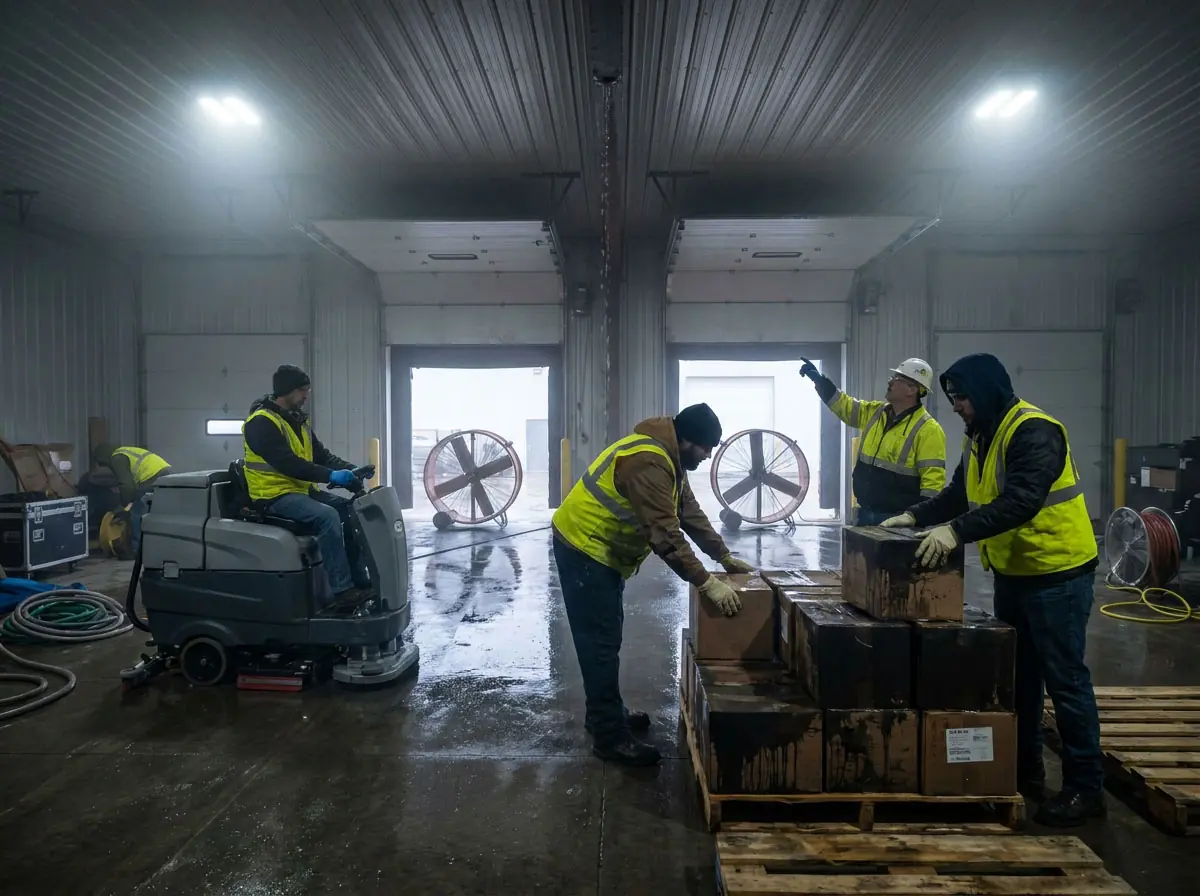
When you call in the pros, we don't just set up a fan and hope for the best. We use industrial-grade dehumidification and specialized drying systems to pull moisture out of the wood fibers without causing them to crack or split.
Speed is our greatest weapon against long-term structural warping. We use moisture mapping tools to track exactly where the water has traveled, often finding hidden pockets trapped beneath the surface boards.
Advanced Drying Strategies
- Injecti-dry systems: These tools direct high-velocity warm air into the floor boards to dry them from the inside out.
- High-capacity dehumidifiers: We lower the room humidity levels rapidly to force the moisture out of the wood cells.
- Negative pressure drying: This creates a seal that pulls water vapor out of the floor and directs it safely away from your home.
Using this specific equipment allows us to reverse the swelling effect before the damage becomes irreversible. Professional restoration focuses on returning the wood to its original moisture content slowly and carefully, which prevents the secondary problems like mold growth or permanent finish failure.
Comparative Table of DIY Cleanup Risks versus Professional Restoration
Most homeowners assume a shop vac and a few floor fans will get the job done. In reality, you are likely just treating the surface while trapped moisture hides deep inside the subfloor and between the wood planks.
| Factor | DIY Cleanup | Professional Restoration |
|---|---|---|
| Moisture Detection | Surface sight check | Industrial grade meters |
| Drying Speed | Slow evaporation | Rapid thermal drying |
| Mold Prevention | Often missed | Antimicrobial treatment |
| Cost of Error | Total floor replacement | Restoration savings |
When you handle this yourself, you risk leaving pockets of water that inevitably lead to black mold growth. This unseen decay ruins the wood from the bottom up, forcing you to pay for expensive tear-outs later.
Professional technicians rely on advanced moisture mapping to track water movement throughout the room. We place specialized equipment exactly where it is needed to force moisture out of the wood grain without causing the boards to split or crack.
Why DIY Often Fails in Sugar Land
- You lack the industrial dehumidifiers required to handle Texas humidity.
- Standard fans just move wet air around rather than pulling water out.
- You cannot verify if the subfloor is actually dry before reinstalling boards.
- Insurance companies often deny claims if they find the damage was worsened by improper DIY drying attempts.
Precision is the difference between a saved floor and a pile of debris. If you wait too long or use the wrong tools, the wood fibers expand past their breaking point and lose their structural integrity forever.
Real-World Restoration: A Sugar Land Hardwood Case Study
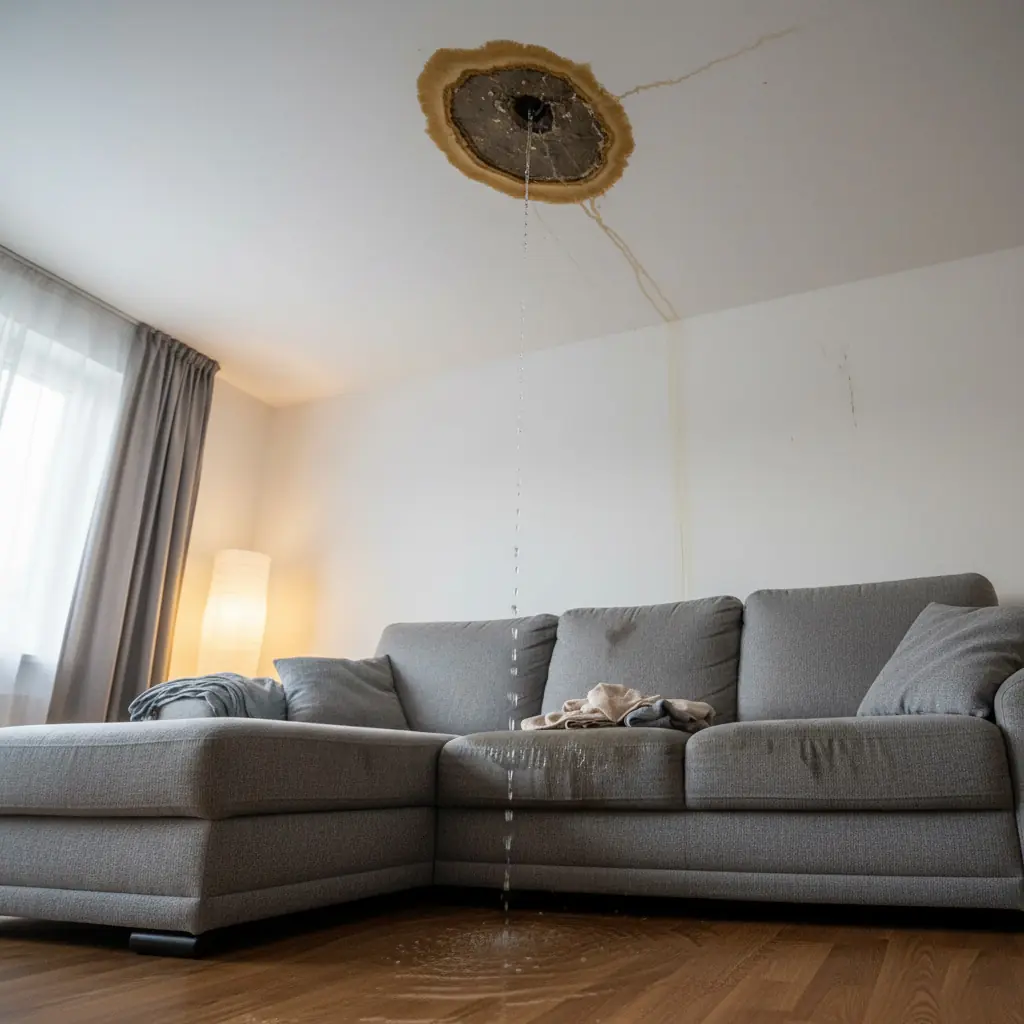
Last summer, a homeowner in the Sugar Creek neighborhood faced a major catastrophe when a supply line burst behind their kitchen cabinets. By the time they discovered the mess, the hardwood floors had already started cupping severely and the humidity levels in the home had spiked.
The damage was extensive, but because they called us within two hours, we were able to save the original white oak planks. We deployed high-velocity air movers and industrial-grade dehumidifiers to extract moisture from the subfloor before mold could take hold.
Here is what that restoration process looked like on the ground:
- Phase One: Immediate extraction of standing water and moisture mapping.
- Phase Two: Targeted structural drying to prevent wood warping.
- Phase Three: Sanding and refinishing to restore the original aesthetic.
The secret to this success was our non-invasive moisture testing. By drilling tiny holes in the baseboards rather than ripping up the floor, we could monitor the drying process in real time. This saved the client thousands of dollars in replacement costs and kept their home looking exactly as it did before the pipe failed.
Preventing Future Water Damage in Humid Texas Climates
Sugar Land homes battle high humidity levels that act like a slow-motion wrecking ball on natural wood. When the air stays damp, your floorboards absorb that moisture, swell, and eventually lose their structural stability.
You have to manage your indoor environment if you want your hardwood to last a lifetime. Consistent climate control is the single best shield against silent floor decay.
Essential Defense Tactics
Start by keeping your home’s relative humidity between 35% and 55% year round. If you leave your AC off while on vacation, you are inviting moisture into the grain of your wood.
- Invest in a quality dehumidifier for areas with frequent water sources like kitchens or mudrooms.
- Check your crawl spaces and slab foundations for hidden dampness after heavy rain.
- Use area rugs in high traffic zones, but avoid rubber backings that trap moisture against the wood surface.
- Ensure your gutters are clear to prevent water from pooling near your home’s foundation.
A few small habits will save you thousands in future repairs. Proactive monitoring is much cheaper than calling us for an emergency extraction down the road.
Keep a close eye on your plumbing connections under sinks and behind refrigerators. A slow, undetected leak is the silent killer of beautiful Sugar Land hardwood floors.
Final Words
Time is the silent killer when it comes to your property. If you have standing water on your planks, every passing hour gives moisture a chance to settle deep into the subfloor and joists.
Do not wait for the wood to warp beyond repair. If you are dealing with Hardwood Floor Water Damage, acting with precision is the only way to avoid a full-scale demolition project.
Remember, the goal is to stop secondary damage before it starts. Follow these quick rules to keep your restoration on the right track:
- Shut off the water source immediately.
- Extract standing liquid with a wet vac, not towels.
- Avoid using space heaters or heat guns, which often crack finishings.
- Call an expert before mold growth sets in.
We see homeowners in Sugar Land lose thousands simply because they tried to patch a major issue with household fans. Protect your investment by treating this like the emergency it truly is.
People Also Ask
Can hardwood floors be saved after water damage?
Yes, hardwood floors can often be salvaged if professional restoration begins immediately. Success depends on the duration of exposure and the type of wood involved.How long does it take for hardwood floors to dry after water damage?
Professional drying typically takes several days to a few weeks depending on the saturation levels and the environmental conditions. Attempting to speed up the process with high heat can cause further damage to the wood fibers.What is the difference between cupping and buckling in wood floors?
Cupping occurs when the edges of the floorboards rise higher than the center due to moisture absorption from below. Buckling is a more severe condition where the floorboards actually lift off the subfloor entirely.How does the high humidity in Sugar Land affect hardwood floors?
High humidity levels common in the Gulf Coast can cause wood to expand and contract, leading to gaps or pressure damage over time. You should monitor your indoor environment according to recommendations from the EPA to ensure proper moisture control.Should I replace my hardwood floors if they have water damage?
Not necessarily, as professional restoration techniques like industrial dehumidification and specialized floor drying systems can often restore the floor to its original state. A professional inspection is necessary to determine if the structural integrity of the wood has been permanently compromised.Need Water Damage Restoration Services?
We provide rapid emergency water extraction and structural drying to restore your property in Sugar Land and surrounding communities. Our team arrives quickly to mitigate damage and secure your home or business (77478, 77479, 77498, 77496).
Request Service Estimate