


⚡ TL;DR: To protect your home from moisture damage, homeowners in Sugar Land should prioritize professional attic mold removal and address underlying ventilation issues rather than relying on ineffective surface treatments.
📋 What You’ll Learn
Discover how to navigate attic mold issues in Sugar Land by avoiding amateur mistakes that compromise your air quality, roof integrity, and long-term home safety in our humid climate.
- Identify common remediation errors like using bleach to clean porous surfaces, which often fails to kill mold roots and leads to persistent regrowth within your attic wood decking.
- Understand local humidity challenges by learning how Sugar Land's unique climate and poor attic ventilation contribute to rapid mold growth and structural damage if not managed correctly.
- Compare professional versus DIY methods to determine why specialized remediation equipment is essential for removing mold spores safely without cross-contaminating the rest of your living space.
- Implement lasting prevention strategies that protect your property value by controlling moisture levels and improving airflow to ensure your home remains mold-free throughout every intense Texas summer.
📖 Reading time: 7 min
✍️ Author expertise: Certified Sugar Land restoration specialist with over fifteen years of local mold remediation experience.
You head up to the attic to grab some holiday decorations, only to be hit with a thick, musty stench that stops you dead in your tracks. A quick glance toward the roof decking reveals ugly, dark patches spreading like a virus across your wood framing.
Sugar Land heat and humidity turn attics into high-pressure cookers, making them the perfect breeding ground for toxic mold. Most homeowners react by grabbing a spray bottle or ignoring the problem entirely, and that is exactly how they end up paying thousands in unnecessary repairs.
You are about to discover the common traps that turn a small patch of mold into a structural nightmare for your home. Avoid these critical blunders before you commit to a cleanup plan that could make your situation much worse.
The Danger of DIY Cleaning: Why Bleach Isn’t the Solution
Most homeowners assume a bottle of bleach and a scrub brush will kill mold on contact. This is a dangerous misconception that often leads to more damage than the mold itself.
Bleach is an aqueous solution, meaning it is mostly water. When you spray it onto porous wood framing in your attic, the water penetrates deep into the grain while the chlorine stays on the surface.
You might wipe away the visible color, but you are essentially feeding the mold roots with moisture. Within weeks, the colony returns, often more aggressive than before.
Why Bleach Fails on Attic Wood
- It does not kill mold roots in porous materials like plywood or timber.
- It degrades the structural integrity of wood fibers over time.
- It releases toxic fumes that linger in unventilated attic spaces.
- Insurance companies frequently deny claims if they find evidence of improper DIY chemical treatments.
Professional remediation experts in Sugar Land avoid bleach at all costs. We focus on removing the source rather than masking the symptoms.
If you choose to scrub the mold yourself, you risk releasing millions of microscopic spores into your living area. Once those spores circulate through your HVAC system, they settle into carpets and upholstery, creating a secondary health hazard for your family.
Identifying the Root Cause: Sugar Land’s Humidity and Attic Ventilation
Sugar Land creates a unique environment for mold. Our consistent high humidity acts like a constant fuel source for spores, but the real enemy is poor attic ventilation. When your roof decking cannot "breathe," hot air stays trapped and condenses against the cool wood framing as temperatures shift, creating the exact moisture levels mold craves.
Think of your attic like a lung. If that lung cannot exhale the hot, moist air, it suffocates and rots from the inside out. Most homeowners mistakenly blame a roof leak when, in reality, the issue is a design flaw in how the attic exhausts air.
Common Ventilation Failures in Sugar Land Homes
- Blocked soffit vents due to improper insulation installation.
- Undersized or clogged ridge vents that restrict airflow.
- Lack of mechanical exhaust fans to move stagnant, humid air.
- Baffling that has shifted or fallen, trapping moisture near the eaves.
Ignoring these root causes is like putting a bandage on a broken leg. You might wipe away the visible mold today, but if the airflow remains stagnant, the colony will return within weeks. You must address the ventilation dynamics before you spend a single dollar on cleaning chemicals.

Professional Remediation vs. Surface Treatment: The Critical Differences
Most homeowners mistakenly believe that wiping away mold or painting over it solves the problem. This is a dangerous misconception that often masks a growing structural hazard.
Surface treatments only deal with the cosmetic appearance of mold. They do not kill the root system, known as hyphae, which penetrates deep into the porous wooden beams of your attic.
Professional remediation is an entirely different process. It focuses on physical removal and decontamination to ensure the mold colony is actually dead and gone.
The Key Distinctions
When you hire a pro in Sugar Land, the goal is to return your home to a healthy state. Here is why simple cleaning fails:
- Surface cleaners often lack the chemical strength to penetrate wood fibers.
- Spray-and-wipe methods leave behind microscopic spores that will regenerate when the next humidity spike hits.
- Painting over mold just traps moisture inside the wood, accelerating structural rot.
True remediation involves HEPA vacuuming, specialized anti-microbial applications, and often mechanical sanding. We do not just hide the mold; we physically extract it from your property.
If you choose the wrong path, you are just paying to paint over a ticking time bomb. Professional intervention removes the threat permanently so you can stop worrying about your roof deck integrity.
Analyzing the Remediation Process: A Breakdown Table of Costs and Timeline
When you call in pros, you aren't just paying for a scrub-down. You are paying for a strategic removal process that stops spores from migrating into your living room.
| Phase | Estimated Timeline | Cost Factor |
|---|---|---|
| Inspection and Testing | 1-2 Days | Low |
| Containment Setup | Half Day | Medium |
| HEPA Vacuuming and Cleaning | 1-2 Days | High |
| Antimicrobial Treatment | Half Day | Medium |
| Post-Remediation Verification | 1 Day | Low |
The timeline depends on the severity of the infestation and the square footage of your attic. A minor spot might take two days, while a full-blown colony spreading across your rafters requires a more aggressive schedule to ensure complete removal.
Do not be fooled by quotes that promise a "fast fix" in just a few hours. Proper remediation involves specific steps to keep your home safe:
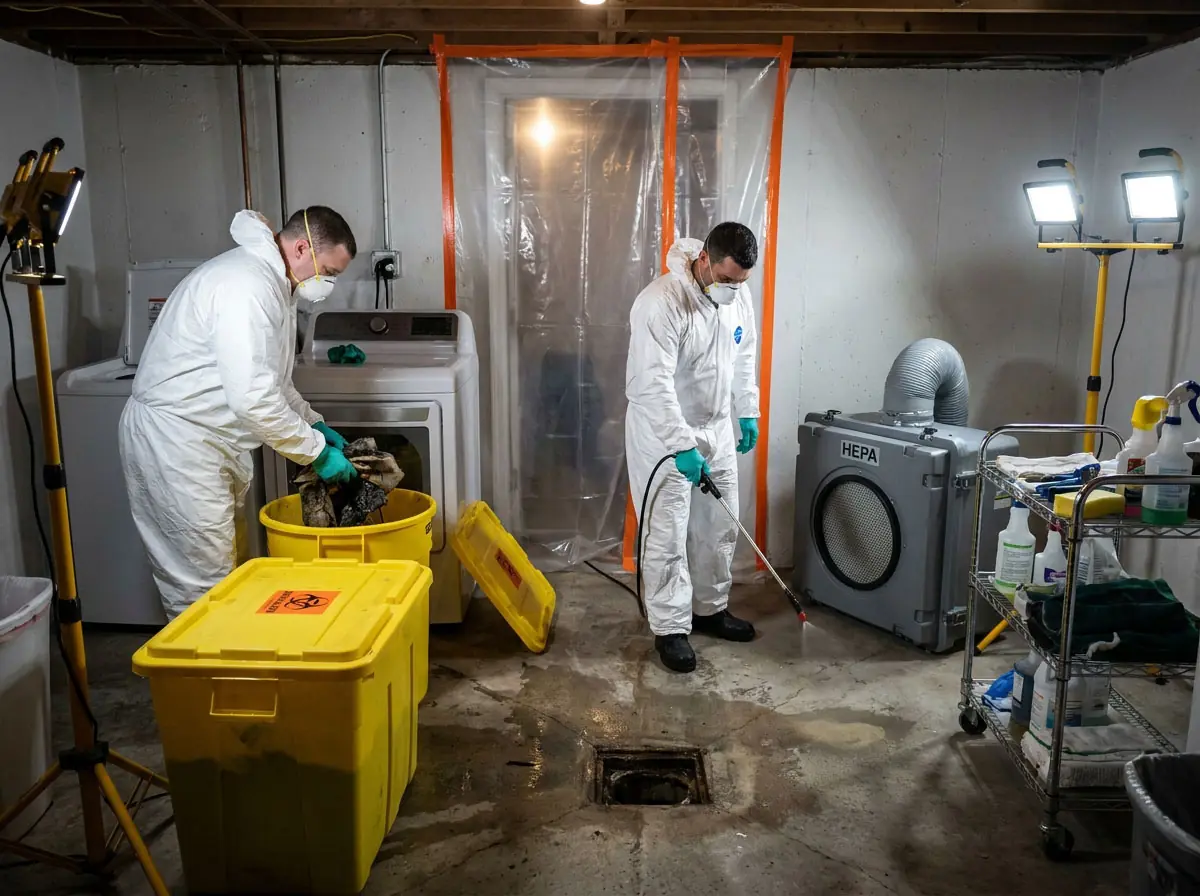
- Containment: We seal off the attic access to ensure mold spores do not drift into your HVAC ducts.
- Negative Air Pressure: Using industrial equipment, we create a vacuum that pulls spores out of the house rather than letting them settle on your furniture.
- HEPA Filtration: This captures the microscopic debris that regular vacuums leave behind.
- Disposal: Contaminated materials are bagged and hauled away according to strict safety protocols.
Investing in this process means you get peace of mind instead of a temporary mask. Cutting corners here usually forces you to pay double once the mold inevitably returns within a few months.

Lessons from the Sugar Land Attic Mold Cases
Last summer, we received a call from a homeowner in the Greatwood neighborhood. They had spent three weeks scrubbing their rafters with bleach, convinced they were winning the war against a small spot of black mold.
When our team arrived, the truth was startling. The bleach had done nothing but feed the moisture into the wood, and the mold had actually traveled deeper into the structural decking, hiding behind the insulation where the homeowner could not see it.
This situation is a classic example of why surface cleaning is a trap. Here is how that specific job compared to a standard preventative approach:
| Action Taken | Outcome | Resulting Damage |
|---|---|---|
| Bleach scrubbing | Surface mold returned | Costly wood replacement |
| Ignoring dampness | Spore spread | Drywall compromise |
| Professional removal | Root cause addressed | Zero recurrence |
| Proper ventilation | Moisture controlled | Dry, stable decking |
The lesson here is simple. If you treat the symptom but ignore the hidden moisture source, the mold will always come back stronger.
We found that the homeowner had blocked off their soffit vents while installing extra attic insulation. They essentially suffocated their roof, turning a 105-degree Sugar Land afternoon into a damp, stagnant sauna for fungal spores.
After we completed the professional remediation, we had to perform several corrective steps to ensure the mold did not return:
- Removed the insulation blocking the airflow at the eaves.
- Installed high-quality baffles to keep vents clear.
- Applied an EPA-registered anti-microbial sealant to the wood.
- Verified the humidity levels with a calibrated hygrometer.
Do not wait until the wood is soft to the touch before you call for backup. If you see discoloration in your attic, consider it a red alert for your home’s structural health.
Implementing Long-Term Prevention Strategies for Your Roof Decking
Stopping mold from coming back requires more than just a chemical wipe; you have to fix the environment that invited it in. In Sugar Land, the biggest enemy is trapped moisture sitting against your roof decking.
You must ensure your attic breathes. If the air stays stagnant, mold spores will find a home every single time.
Essential Steps for a Mold-Free Attic
- Check your soffit vents to make sure they are not clogged with insulation. Air needs to flow from the eaves up to the ridge.
- Install or upgrade your power attic ventilators or solar fans to force out the hot, humid air.
- Seal any air gaps around bathroom exhaust fans. If those fans vent directly into the attic instead of through the roof, you are pumping moisture exactly where you do not want it.
- Maintain a consistent insulation level on the attic floor to prevent warm house air from leaking into the cold attic space during winter or vice versa in summer.
Do not wait for a major leak to start inspecting your roof. Routine maintenance is the difference between a minor cleanup and a total structural replacement of your framing.
Regularly walk your attic during the hottest part of the day. If it feels like a sauna, your ventilation system is failing and your roof decking is at risk of another infestation.
Final Words
Stopping mold growth in your Sugar Land home requires more than just good luck. It demands a proactive strategy that targets the environment in your attic rather than just the visible spores.
When you spot the first signs of trouble, you must act fast. Delaying the process allows moisture to compromise the integrity of your roof decking, which leads to expensive structural damage that no homeowner wants to face.
Professional Attic Mold Removal is the smartest insurance policy you can buy for your property. By choosing experts over quick fixes, you protect your family and your investment from hidden dangers.
Three rules for a healthy attic:
- Inspect your attic ventilation every six months to ensure air flows freely.
- Never rely on bleach to kill deep rooted fungal growth.
- Keep your attic insulation dry and free of debris to discourage future outbreaks.
Remember that your home should be your sanctuary, not a petri dish. Stay vigilant, fix those minor leaks immediately, and keep the Sugar Land humidity where it belongs: outside.
People Also Ask
Is it safe to live in a house with attic mold?
Living with attic mold can pose significant health risks, especially for individuals with allergies or respiratory conditions. Because mold spores circulate through your HVAC system, you should have the situation professionally evaluated to ensure your indoor air quality remains safe.Why does bleach fail to kill attic mold?
Bleach is ineffective on porous surfaces like wood decking because it only kills surface mold while leaving the roots intact. The moisture content in bleach actually feeds the mold colony, causing it to return quickly and often more aggressively.How do I know if my Sugar Land attic has a mold problem?
Look for visible dark spots on your roof decking, insulation, or rafters, or notice a persistent musty smell in your home. You should also consult the EPA guidelines to understand how moisture control helps prevent fungal growth in residential buildings.Does homeowners insurance cover mold removal in Texas?
Coverage depends on whether the mold resulted from a sudden, accidental water leak covered by your specific policy. If the mold developed due to long term humidity or poor ventilation, most insurance providers will classify this as a maintenance issue and deny the claim.How much does professional mold remediation cost in Sugar Land?
Costs vary based on the extent of the infestation and the square footage of the affected attic area. Professionals typically provide a customized quote after inspecting your ventilation levels and the severity of the structural damage.Need Water Damage Restoration Services?
We provide rapid emergency water extraction and structural drying to restore your property in Sugar Land and surrounding communities. Our team arrives quickly to mitigate damage and secure your home or business (77478, 77479, 77498, 77496).
Request Service Estimate