


⚡ TL;DR: Protect your home from basement water damage in St. Louis by following these seven practical strategies for improving drainage, sealing foundations, and controlling indoor moisture levels all year.
📋 What You’ll Learn
Protecting your home from the unique challenges of the St. Louis climate requires proactive measures. This guide provides actionable strategies to keep your basement dry, safe, and free from water damage.
- Master effective drainage techniques to ensure rainwater flows away from your foundation, preventing the pooling and seepage that frequently plague homes throughout the greater St. Louis metropolitan area.
- Implement essential waterproofing solutions by sealing cracks and gaps in your foundation, which serves as your primary defense against moisture infiltration during our heavy Missouri rain seasons.
- Maintain a reliable sump pump to guarantee your home remains protected, even during severe storms that threaten to flood your basement and cause extensive property damage and costs.
- Control indoor moisture levels by using dehumidifiers and vapor barriers to stop mold growth and structural decay before they become expensive problems for you and your family.
📖 Reading time: 8 min
✍️ Author expertise: Local St. Louis restoration specialist with over a decade of basement waterproofing experience.
You wake up after a heavy St. Louis thunderstorm, walk downstairs for a cup of coffee, and your feet hit a cold, soggy carpet. That damp, musty smell is already creeping up the walls, and you know exactly what is waiting for you in the dark: a basement disaster that will cost thousands to fix.
Living in the Gateway City means dealing with unpredictable weather and aging infrastructure that loves to leak right when you least expect it. Most homeowners wait until the water is ankle-deep before they pay attention, but by then, the structural damage is already moving fast.
You do not have to let a wet basement ruin your peace of mind or your home equity. Here are seven proven ways to keep your St. Louis home bone-dry and protected from the next big deluge.

Mastering Exterior Drainage: Grading, Gutters, and Downspouts
Your basement is only as strong as the ground surrounding it. If the soil around your foundation slopes toward your house, you are essentially inviting rainwater to pool against your walls.
The goal is simple: direct every drop of water away from the structure. Proper grading should create a noticeable slope, dropping at least six inches over the first ten feet away from your foundation.
Even if your yard looks flat, years of settling can create low spots that trap water. If you notice standing water after a light rain, it is time to bring in some topsoil to rebuild that crucial angle.
The Gutters and Downspouts Defense
Think of your roof as a giant water collection system. If your gutters are clogged or your downspouts discharge water right at the base of your foundation, you are creating a recipe for a flooded basement.
- Clear your gutters of leaves and debris at least twice a year.
- Install downspout extensions to push water at least six feet away from your home.
- Ensure your gutters are free of leaks and properly sloped toward the downspouts.
A simple downspout extension is the cheapest insurance policy you can buy. Do not settle for splash blocks that just dump water onto the soil near the house; get that moisture moving away from your perimeter entirely.
Basement Waterproofing Essentials: Sealing Cracks and Foundations
Most St. Louis basements act like sponges because water finds the path of least resistance. Those hairline fractures in your concrete walls might look like harmless cosmetic issues, but they are actually open highways for groundwater to infiltrate your living space.
You need to play detective. Walk around your foundation and look for these common entry points:
- Vertical cracks near window wells.
- Horizontal shifts in the masonry indicating hydrostatic pressure.
- Damp spots near floor-to-wall joints.
Once you locate these breaches, applying hydrostatic cement or high-grade polyurethane injection sealants can stop moisture dead in its tracks. If you have significant bowing in your walls, these DIY fixes won't cut it. You need structural reinforcement like carbon fiber strips or steel beams to protect your home equity before the wall fails completely.
Don't wait for a heavy rainstorm to find out if your sealant holds. A professional inspection identifies small leaks before they grow into flooded messes that ruin your flooring and framing.
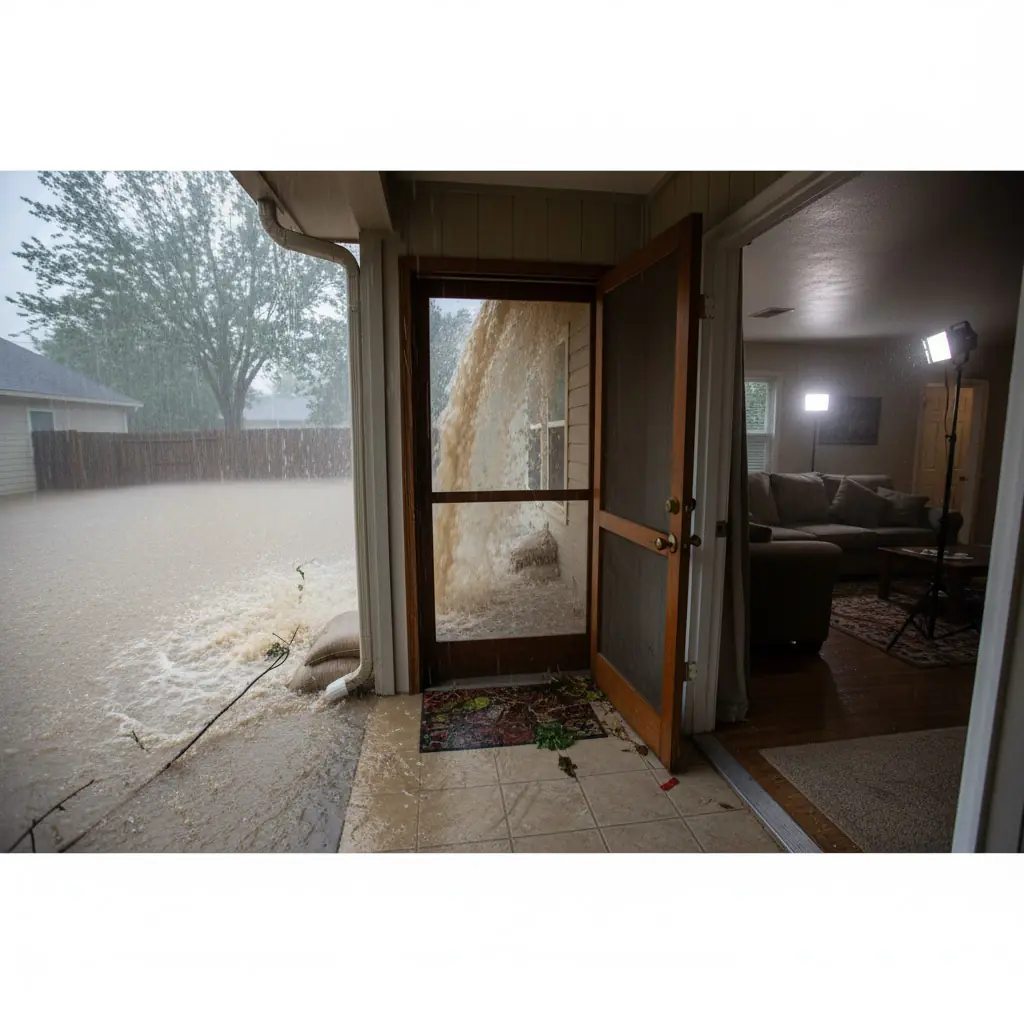
Installing and Maintaining a Reliable Sump Pump System
Your sump pump is the final line of defense against a flooded basement. When the heavy Missouri rains saturate the soil, this mechanical marvel works to push water away from your foundation before it can breach your floors.
If your pump fails during a storm, you are looking at significant water damage. Do not leave your home at the mercy of a single, aging pump.
Critical Sump Pump Best Practices
A reliable system requires more than just sitting in a pit. Follow these steps to ensure your gear is ready for the next downpour:
- Install a battery backup: Power outages are common during severe St. Louis storms. A backup ensures the pump runs even when the grid goes dark.
- Test regularly: Pour a bucket of water into the pit every few months. If the float switch does not trigger the motor immediately, get it serviced.
- Clear the discharge line: Ensure the water is pushed at least ten feet away from your home. If the line is blocked by ice or debris, the water will simply cycle back into your basement.
Think of your sump pump like an insurance policy you pay for in maintenance. A unit that is five years or older is often a ticking time bomb. Professionals recommend replacing the primary pump every seven to ten years to avoid a sudden mechanical breakdown during the worst possible conditions.
Proactive Moisture Control: Dehumidification and Vapor Barriers
St. Louis summers bring more than just heat; they bring thick, heavy humidity that turns any basement into a breeding ground for mold. If your concrete floors feel cold and damp, you are already losing the battle against invisible moisture vapor.
Installing a high-capacity dehumidifier is your first line of defense. Unlike portable units from a big-box store, professional-grade systems drain directly into your sump pump basin, meaning you never have to empty a bucket again.
You should also consider these moisture-blocking tactics to seal your space:
- Apply a thick vapor barrier over exposed dirt crawl spaces to stop ground moisture from rising.
- Ensure your dehumidifier is sized correctly for the square footage of your basement.
- Check basement windows for condensation, which often signals a need for better ventilation control.
Without a proper vapor barrier, moisture will continuously seep through porous concrete walls. By isolating your home from the earth, you stop the musty odor at the source and protect your stored belongings from permanent water damage.
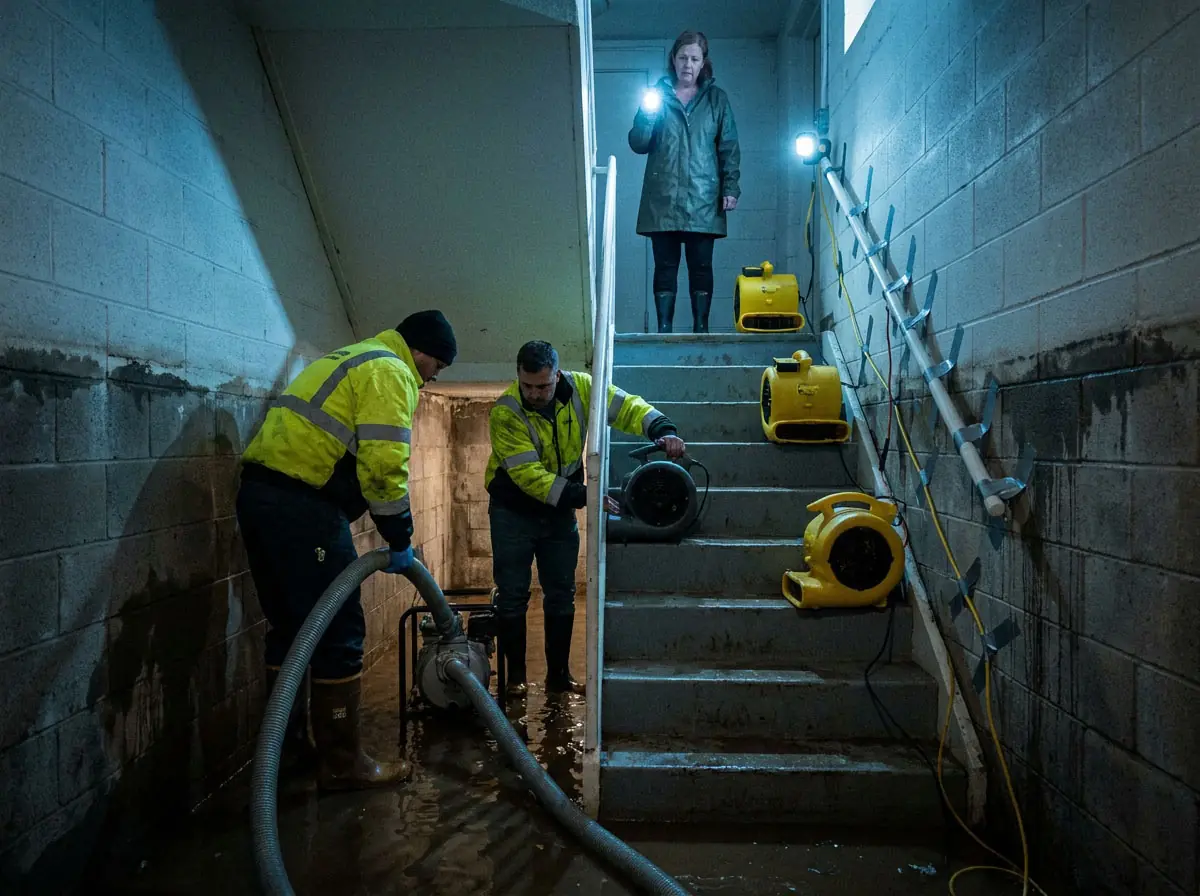
Basement Water Damage: A Table Comparison of Warning Signs and Severity Levels
Most St. Louis homeowners ignore the early signals of trouble until the foundation begins to weep. Recognizing the difference between a minor nuisance and an active crisis can save you thousands of dollars in restoration costs.
| Warning Sign | Severity Level | Recommended Action |
|---|---|---|
| Musty Odors | Low | Check humidity and vent areas. |
| Efflorescence on Walls | Moderate | Seal masonry and improve drainage. |
| Standing Water | High | Call a professional immediately. |
| Mold Growth | High | Professional remediation is required. |
| Cracked Foundations | Critical | Structural assessment needed. |
If you see white, chalky residue on your basement walls, do not just wipe it away. That is efflorescence, a clear indicator that moisture is pushing through your concrete blocks. It is a sign your exterior waterproofing is failing and needs attention before water begins to pool on the floor.
When standing water appears, time is your greatest enemy. Mold spores can colonize organic materials like drywall and carpet in as little as 24 to 48 hours. Keep a sharp eye out for these red flags:
- Bubbling paint or peeling wallpaper near the floorboards.
- Damp spots on basement walls that grow after heavy Missouri rain.
- A sudden spike in your utility bills, which might signal hidden leaks.
- Rusty metal fixtures or damp wooden support beams.
Lessons from the Frontline: A St. Louis Basement Restoration Case Study
Last spring, we received an urgent call from a homeowner in Webster Groves. Their finished basement had flooded after a record breaking overnight storm, soaking over 800 square feet of high-end flooring.
When we arrived, the source of the trouble was clear. The homeowner had neglected their downspout extensions, allowing thousands of gallons of roof runoff to pool directly against the foundation wall. Water always follows the path of least resistance, and in this case, it found a hairline crack in the concrete.
Key Takeaways from the Job
- Proper extension management is not optional; it is the first line of defense.
- Once moisture penetrates the drywall, mold growth begins in as little as 24 to 48 hours.
- Rapid extraction and industrial drying equipment saved the framing, preventing a full scale demolition.
The restoration took six days of intensive drying and humidity control. By the end, we installed a commercial grade sump pump and re-graded the soil around the perimeter to ensure the water stays far away from the exterior walls.
The lesson here is simple: do not wait for the alarm to sound. A few hours of preventative maintenance on a Saturday morning will save you from the stress of a flooded basement and a massive insurance claim later on.
Maintaining a Resilient Home Against Missouri Weather
St. Louis weather is aggressive, shifting from dry heat to sudden, intense downpours that test your home’s defenses every single season. You cannot simply install a sump pump and forget it exists until the next storm hits.
Protecting your property requires a proactive mindset. Treat your home like an active asset that demands regular checkups, not a static bunker.
Routine Inspections Save Your Wallet
Staying ahead of the damage is the only way to avoid a full-scale Basement Water Damage nightmare. If you wait for the water to show up, you have already lost the battle.
- Check your gutter downspouts after every heavy wind storm to ensure they are still pushing water away from the foundation.
- Walk your perimeter in the spring to look for new cracks or shifting soil that might allow moisture to seep inside.
- Test your sump pump battery backup twice a year to ensure it will actually fire up when the city power grid fails.
If you catch a small leak now, it is a quick fix. If you ignore it until the rainy season, you are looking at thousands of dollars in restoration bills and potential mold growth.
Keep your home dry by respecting the power of Missouri storms. A little consistent maintenance today keeps your basement floors clean, dry, and ready for whatever the sky throws your way.
People Also Ask
How can I tell if my St. Louis basement has water damage?
Look for visible signs like efflorescence on walls, peeling paint, or a persistent musty odor. You may also notice dark spots on drywall or damp carpeting, which often indicate moisture trapped behind your foundation walls.Is basement waterproofing worth the investment in Missouri?
Yes, waterproofing is essential because Missouri experiences frequent heavy rainfall and high humidity levels that stress home foundations. Protecting your lower level prevents costly structural repairs and stops mold growth before it compromises your home air quality according to the EPA guidelines.What is the most common cause of basement flooding during storms?
The most frequent cause is poor exterior drainage, such as clogged gutters or downspouts that discharge water too close to the foundation. When soil becomes saturated, hydrostatic pressure forces water through cracks in your walls or floor.How often should I service my sump pump?
You should inspect and test your sump pump at least twice a year, specifically before the spring rainy season. Regular maintenance ensures the motor functions correctly and the discharge pipe remains clear of debris to prevent unexpected basement flooding.Can I fix foundation cracks myself to stop water intrusion?
Small hairline cracks can sometimes be patched with masonry sealant, but significant cracks often indicate structural movement that requires professional evaluation. If you see horizontal cracks or shifting, contact a restoration specialist to prevent a complete basement failure.Need Water Damage Restoration Services?
We provide rapid water damage restoration and emergency drying services throughout St. Louis and the surrounding communities to restore your property immediately (63101, 63103, 63104, 63109, 63110). Our team responds quickly to stop structural damage and return your home or business to a dry, safe condition.
Request Price Estimate