


⚡ TL;DR: This guide explains why professional sewage backup cleanup is essential for protecting your Spokane home from hazardous biological threats while ensuring your property remains safe and sanitary.
📋 What You’ll Learn
In this guide, you will discover the essential steps to address sewage backups in your Spokane home, focusing on protecting your family from hazardous pathogens and preventing long-term structural property damage.
- Understand local health safety codes by learning how Washington state regulations categorize wastewater risks, helping you identify when a situation requires immediate professional intervention to ensure your home remains safe.
- Identify hidden biological health threats hidden within contaminated water, including dangerous bacteria and toxins that can cause severe illness if your family is exposed to them during the cleanup process.
- Recognize the dangers of DIY cleaning by learning why household products are insufficient for sanitizing sewage spills and how improper handling often leads to secondary mold growth and lingering contamination.
- Master emergency mitigation and recovery by following our expert steps for securing your property, preventing further water spread, and navigating the restoration timeline for a complete, healthy home recovery.
📖 Reading time: 7 min
✍️ Author expertise: Spokane restoration expert with ten years of field experience handling complex sewage cleanup projects.
You wake up to a sound you never want to hear in your own home: the wet, bubbling gurgle of a drain backing up instead of clearing out. Within minutes, your basement or bathroom is covered in a sludge that isn't just gross, it is a ticking time bomb for your family’s health.
Most homeowners in Spokane assume a quick mop and some bleach will handle the mess. That is a dangerous mistake that can leave toxic pathogens hiding in your walls for months to come.
If you have raw sewage creeping across your floors, you need to know exactly what you are dealing with before you touch a single drop. Keep reading to discover the hidden dangers lurking in that wastewater and the specific steps you must take to get your home safe again.

The Categorization of Wastewater: Why Spokane Health Codes Matter
Not all water is created equal. When your pipes burst or your sewer line fails, the liquid pooling on your floor is classified by the IICRC into three distinct categories. Understanding these labels is the difference between a minor mess and a total home contamination event.
Spokane health regulations are strict for a reason. Sewage falls squarely into Category 3, often referred to as black water. This is not just dirty dishwater; it contains pathogenic agents, fecal matter, and hazardous bacteria that thrive in the dark, humid corners of your basement.
Here is what you need to know about the official classification system:
- Category 1 (Clean Water): Water from a broken supply line that poses no immediate threat to humans.
- Category 2 (Grey Water): Water containing significant contamination, such as discharge from dishwashers or washing machines.
- Category 3 (Black Water): Raw sewage, flooding from rivers, or water containing human waste. This is highly toxic and requires immediate containment.
Local authorities emphasize that Category 3 water should never be handled without specialized personal protective equipment. Because Spokane homeowners often share sewer systems, a backup can introduce waste from external sources directly into your living space. Treating this with anything less than industrial-grade sanitation protocols puts your entire household at severe physical risk.
Pathogens and Toxins: Identifying the Hidden Biological Threats
When raw sewage infiltrates your Spokane property, you aren't just dealing with smelly water. You are hosting a biological nightmare teeming with microscopic invaders that thrive in waste.
These contaminants move fast. They soak into your porous building materials, such as carpet, drywall, and wood studs, creating a permanent breeding ground for illness. Exposure to this environment can cause severe health setbacks, including gastrointestinal distress, skin infections, and respiratory issues.
The Invisible List of Contaminants
You cannot see these threats, but they are absolutely there. Every drop of black water contains a dangerous cocktail of:
- E. coli and Salmonella: Bacteria that cause violent food poisoning and stomach illness.
- Hepatitis A: A liver disease spread through contact with infected fecal matter.
- Parasites: Protozoa and worms that latch onto surfaces and survive for extended periods.
- Fungal Spores: Rapidly growing mold clusters that compromise your indoor air quality.
Some homeowners think a quick spray of household cleaner will sanitize the area. That is a dangerous gamble. Common cleaners lack the industrial strength required to penetrate deep into porous materials where these pathogens root themselves.
If you touch contaminated items, you risk tracking these pathogens into your kitchen or bedrooms. You are essentially carrying the sewage throughout your house on the soles of your shoes. This is exactly why specialized, certified remediation is the only way to ensure your home is truly clean and medically safe again.
The Critical Dangers of DIY Sewage Cleanup Attempts
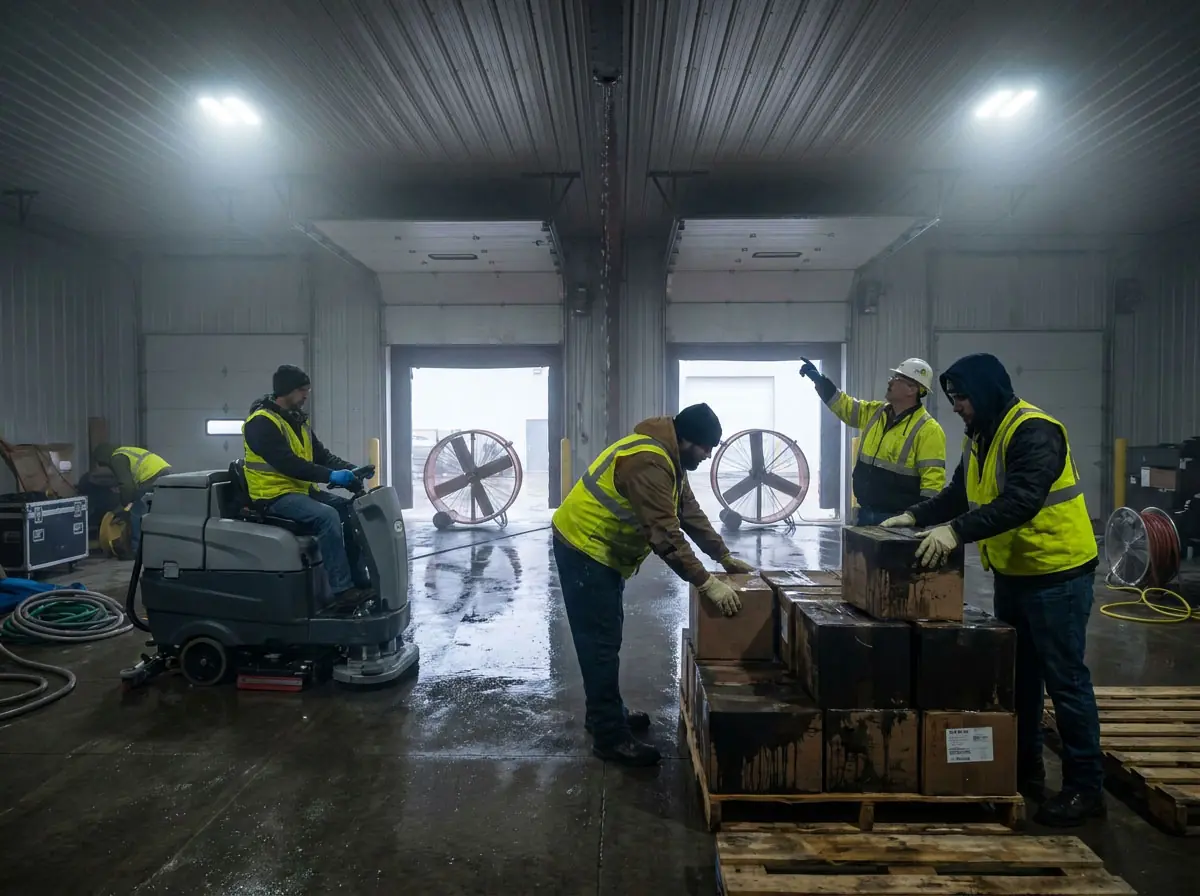
Most Spokane residents naturally want to grab a bucket and some household cleaner the second they see standing water. This is a massive mistake. Raw sewage is classified as Category 3 water, meaning it contains pathogenic, toxigenic, or other harmful agents. Trying to clean this yourself without professional gear is like trying to stop a flood with a paper towel.
Standard household disinfectants fail to kill deep-seated viruses and bacteria once they soak into drywall, wood studs, or carpet padding. By the time you think the area is clean, you have actually just created a warm, moist breeding ground for toxic mold and hidden pathogens. You are not fixing the problem; you are essentially painting over a ticking health hazard.
Why Standard Cleaning Products Fail
- Porous surfaces: Carpet, drywall, and wood act like sponges for wastewater, making total sanitization impossible with home tools.
- Aerosolized toxins: Scrubbing sewage releases dangerous bacteria into the air, which you then inhale while working.
- Cross-contamination: Moving items from a contaminated room to a clean one spreads microscopic feces and pathogens throughout your entire home.
- Safety gear gaps: Rubber gloves are not enough. You need professional-grade respirators and medical-grade protective suits to truly stay safe.
The bottom line is simple: your health is worth more than a few dollars saved. Sewage cleanup requires specialized HEPA filtration, industrial-strength biocides, and commercial drying equipment that isn't available at the local hardware store. Don't risk your family's lungs just to save some time.
Emergency Mitigation: Step-by-Step Actions to Protect Your Property
When raw sewage hits your floors, time is your worst enemy. You must stop the spread of contaminants before they soak into your subflooring, drywall, or HVAC system. Immediate action is non-negotiable if you want to prevent permanent structural damage and hazardous mold growth.
First, prioritize your physical safety above everything else in the house. Follow these critical steps to keep your family and property secure until help arrives:
- Turn off the main water supply to stop additional sewage from flowing into your home.
- Shut down the electrical breakers if the water has reached any outlets, appliances, or extension cords.
- Keep everyone, including pets, completely away from the affected area to avoid cross contamination.
- Open windows only if it is safe and helps with ventilation, but avoid using fans which can spread airborne pathogens.
- Call a licensed Spokane restoration professional immediately to begin containment.
Do not attempt to walk through the sewage or move items out of the room yourself. You risk tracking invisible, highly infectious bacteria into clean parts of your living space. Leave the area exactly as it is and focus on keeping your household members in a separate, unaffected part of the building.
Professional Sewage Remediation: A Spokane Residential Case Study
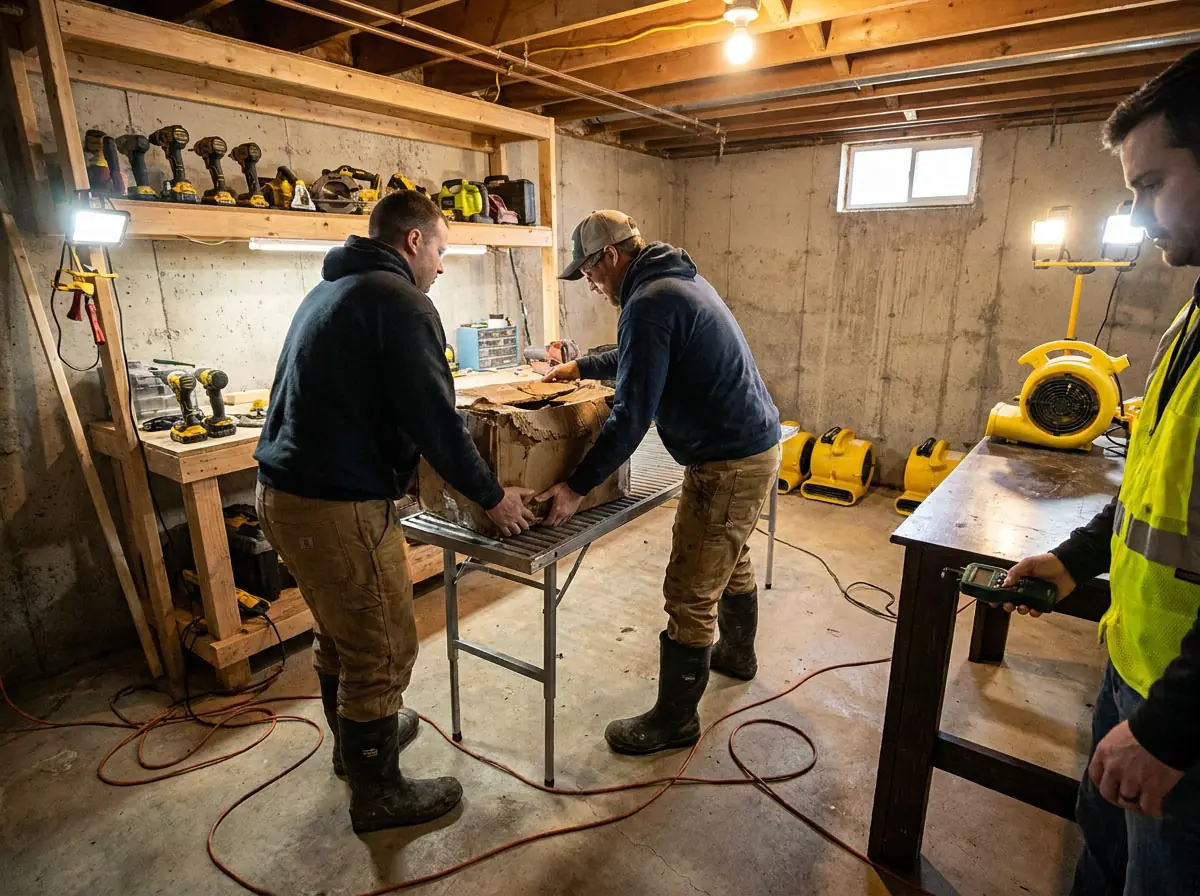
Last winter, a Spokane homeowner on the South Hill returned from work to find a basement flooded with three inches of raw sewage. The main line had collapsed, forcing waste back through the floor drains and into the living area.
They initially tried to clear the standing water with a shop vac, but the toxic odor and rapid microbial growth quickly made the space unlivable. Our team arrived within the hour, wearing full hazmat gear to prevent cross contamination with the rest of the house.
We followed a strict protocol to save the structure and protect the occupants:
- Isolated the affected zone with heavy duty plastic sheeting to trap airborne pathogens.
- Used industrial grade extractors to pull the sludge from the porous concrete floor.
- Applied antimicrobial treatments to stop the spread of bacteria and mold.
- Disposed of all contaminated materials like drywall and baseboards at a specialized facility.
The job required deep sanitization of the foundation, which is why amateur cleaning methods almost always fail. By removing the contaminated porous materials immediately, we prevented permanent damage to the home's framing and air quality. The family was able to return to a sterile, odor free environment in just three days, avoiding the long term health costs of exposure.
Restoration Cost and Timeline Breakdown: A Comprehensive Comparison Table
When sewage hits your floor, time is money. Many Spokane homeowners get hit with sticker shock because they wait too long to call for help, allowing the waste to seep deep into floor joists and drywall.
Professional remediation costs vary based on the scale of the infiltration and the materials affected. Below is a realistic breakdown of what you can expect during the restoration process.
| Service Phase | Estimated Cost | Typical Timeline |
|---|---|---|
| Emergency Assessment | $250 - $500 | 1 - 2 Hours |
| Extraction and Disposal | $800 - $2,500 | 1 - 3 Days |
| Structural Drying | $1,000 - $3,000 | 3 - 5 Days |
| Sanitization and Repairs | $2,000 - $5,000+ | 1 - 2 Weeks |
The total price fluctuates depending on how much porous material must be discarded. If you have hardwood floors or thick carpets, these items often need total removal to prevent mold growth.
Keep these factors in mind when calculating your budget:
- The size of the affected square footage.
- The duration of the standing water exposure.
- Whether the source is a simple drain clog or a main sewer line rupture.
- Required insurance documentation and environmental testing.
Choosing to delay cleanup to save a few dollars is a losing bet. Every hour that contaminated water sits, the cost of labor and material replacement climbs because the biological hazards spread further into your home structure.
Restoring Safety and Peace of Mind to Your Home
Dealing with a sewage spill is not just about cleaning floors; it is about reclaiming your living space from microscopic threats. When you choose professional help, you stop the biological clock that ticks away inside your drywall and insulation.
Our team treats every job with the urgency it deserves because we know that your family's health is non-negotiable. We go beyond the visible mess to sanitize, disinfect, and dry your structure, ensuring no hidden mold or bacteria remain behind to cause future issues.
Why Speed Is Your Best Ally
Timing determines how much of your property we can save. The longer water sits, the deeper it travels into porous materials like floorboards and subflooring.
- Immediate containment prevents cross-contamination of clean rooms.
- Professional moisture sensors find hidden pockets of dampness that you cannot see.
- Industrial-grade sanitizers eliminate pathogens that household soaps simply slide over.
Do not gamble with the air quality of your home by delaying action. If you find yourself in the middle of a messy disaster, reach out to our team immediately for Sewage Backup Cleanup services. We specialize in turning a chaotic, hazardous situation back into a clean and secure environment for your household.
People Also Ask
Is sewage backup in my home covered by homeowners insurance in Spokane?
Most standard homeowners insurance policies do not cover sewage damage unless you have added a specific water backup endorsement. It is essential to review your policy details or contact your provider immediately to determine if you have this specific coverage.What are the primary health risks associated with raw sewage exposure?
Sewage contains harmful bacteria, viruses, and parasites that can cause severe respiratory issues and gastrointestinal illnesses. According to the Centers for Disease Control and Prevention, direct contact with contaminated water should be avoided at all costs to prevent infection.Can I clean up a sewage backup myself if it is just a small amount?
Attempting to clean up sewage without proper personal protective equipment and industrial grade disinfectants is dangerous. Professionals recommend leaving this task to experts who can ensure the area is properly sanitized and the biological threats are fully eliminated.How long does the sewage restoration process usually take?
The timeline for sewage restoration in Spokane varies based on the extent of the contamination and the materials affected. Typically, the initial mitigation and drying phase can take several days, while total reconstruction depends on the severity of the structural damage.What should I do immediately after discovering a sewage leak?
You should turn off the main water supply to prevent further flooding and vacate the area to avoid exposure to toxic fumes. Once you are safe, contact a licensed restoration company to begin emergency containment and professional decontamination procedures.Need Water Damage Restoration Services?
We provide rapid water damage restoration across Spokane and surrounding areas to stabilize your property and prevent further structural issues. Our team arrives quickly to extract water and dry your space, restoring your home to its pre-loss condition (99201, 99202, 99203, 99204, 99205).
Request Price Estimate